
 Daily Top 5 Daily Top 5 |
Deepinder Goyal’s Temple eyes fresh funding; PE-VC exits shift
Want this newsletter delivered to your inbox?
I agree to receive newsletters and marketing communications via e-mail

Thank you for subscribing to Daily Top 5
We'll soon meet in your inbox.
Deepinder Goyal’s Temple is raising funds and will soon begin shipping its wearable device. This and more in today’s ETtech Top 5.
Also in the letter:
■ More Indian EVs go overseas
■ Foxconn’s India play
■ Bombay Shaving Co's FY26 report
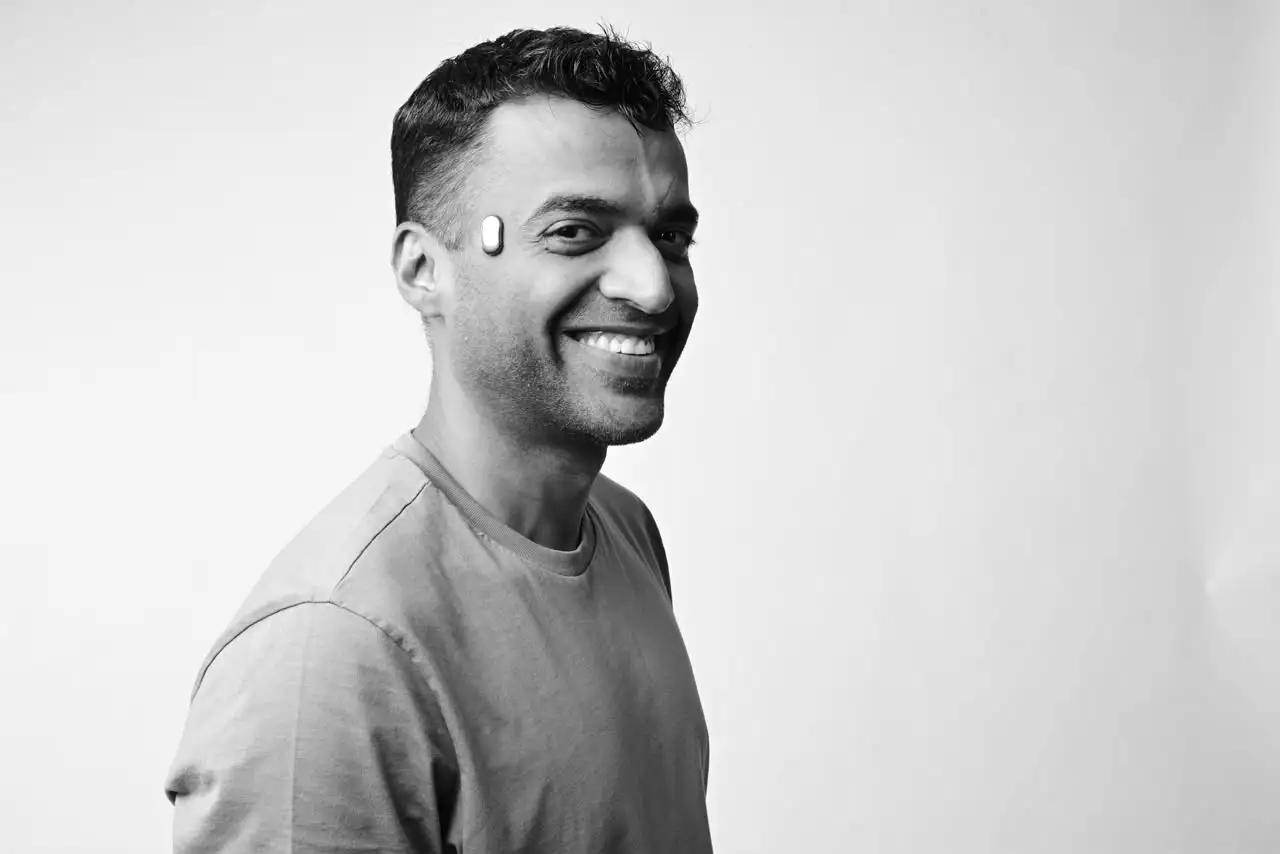
Deepinder Goyal's wearable startup Temple is preparing to raise fresh funding at a $500 million valuation, people familiar with the matter told us.
More on this:
Also Read: Deepinder Goyal’s wearable startup Temple raises $54 million from Steadview, Peak XV, others
About the device: Temple is positioning the wearable as a premium product. It includes lifetime access to the company's health platform, along with a lifetime supply of medically approved adhesive tapes needed to wear the device.
The non-invasive wearable is placed on the temples and measures blood flow in the brain. It was developed by Goyal's longevity venture, Continue, which studies how gravity could affect human ageing.
Private equity (PE) and venture capital (VC) investors are increasingly exiting Indian companies through post-listing block deals rather than initial public offerings (IPOs), according to investment bank DC Advisory.
By the numbers:
Also Read: Private equity investors shift tech bets from IT services to AI startups
Expert take: “In most cases, the larger part of the liquidity comes not from the offer for sale, but after lock-ins expire, through block deals,” Klaas Oskam, chief executive of DC Advisory India, told us.
He said a company's post-listing performance plays a key role in determining how much investors can cash out over the next six to 24 months.
Recent deals:
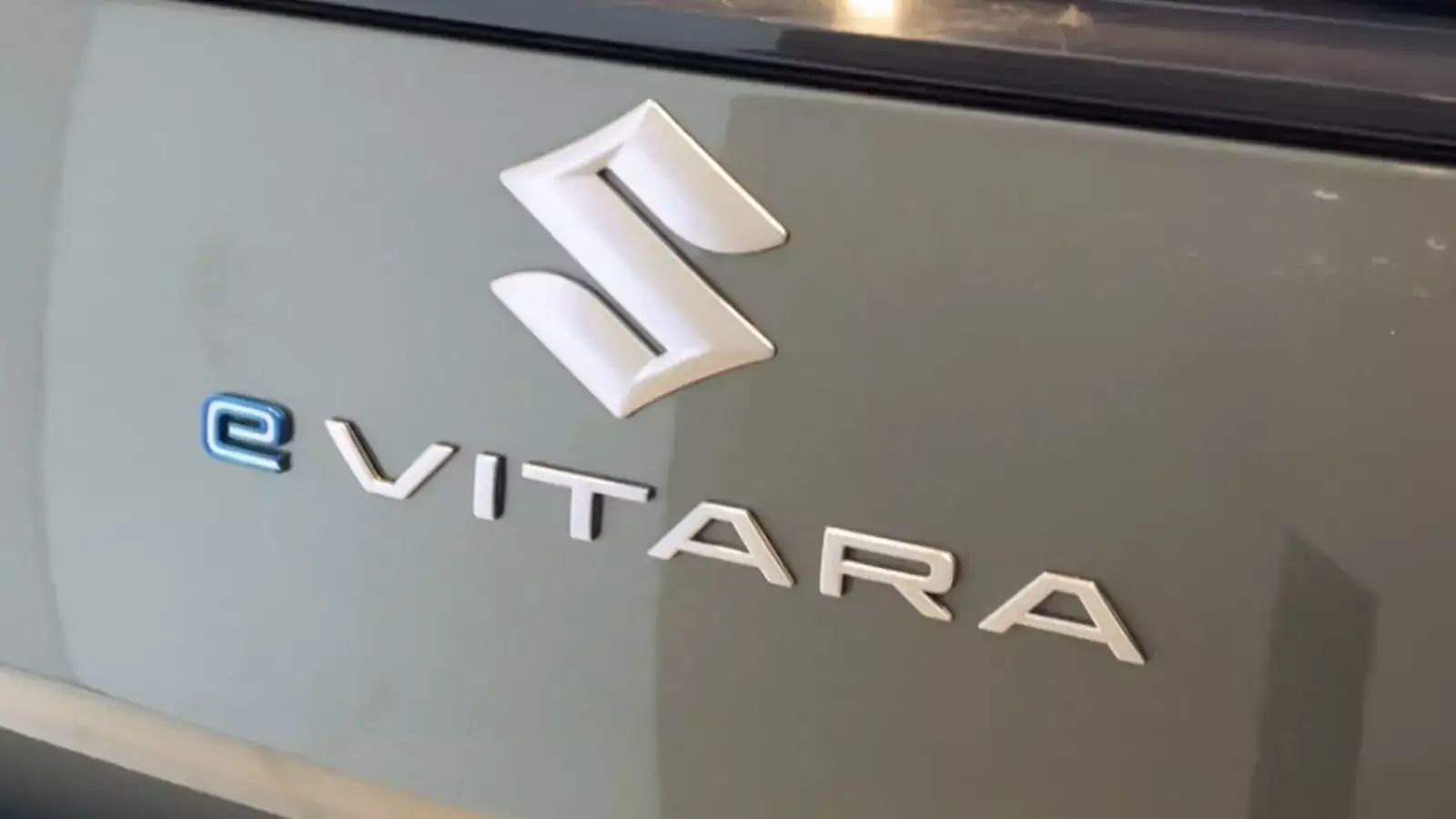
There was a 14-fold surge in exports of India-made electric cars in the June quarter, as higher fuel prices due to geopolitical issues pushed consumers towards clean energy alternatives.
Number-wise: Exports rose to 15,641 units in the three months ending June, from 1,122 units a year ago. This is more than half of the 28,652 units exported in the entire last fiscal.
The boom is driven by Maruti Suzuki’s e-Vitara. Sensing a shift, Tata Motors and Mahindra & Mahindra are also putting together plans to scale up EV shipments to right-hand drive markets globally.
New plans:
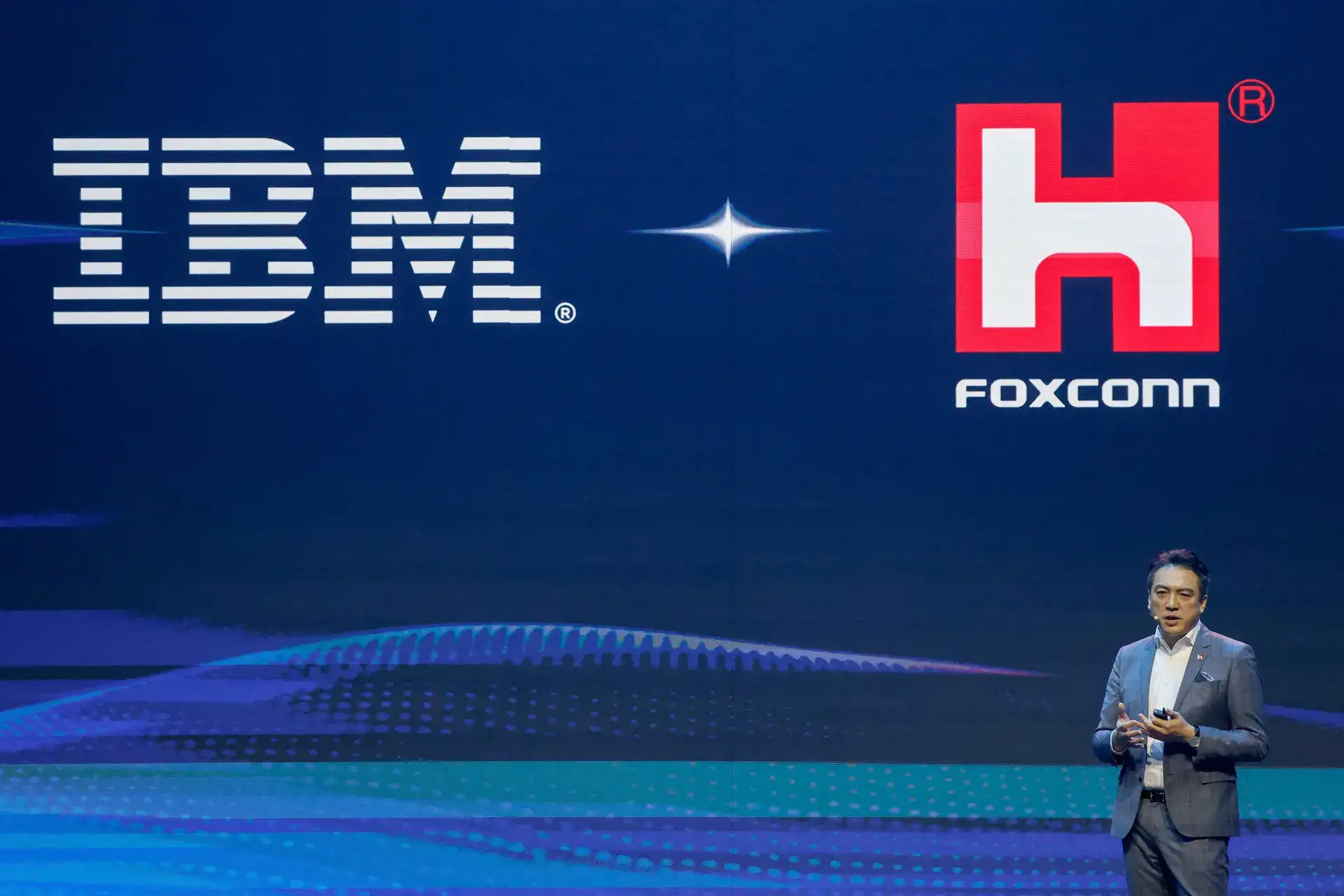 Foxconn’s head of AI and quantum computing Jesse Chao
Taiwanese electronics manufacturer Foxconn is doubling down on India, betting on growing opportunities in semiconductors, advanced packaging, and electric vehicles, Jesse Chao, head of AI and quantum computing at the company told us.
India play: “India is a huge market for us. That’s why we have had so many new footprints in the past three or four years, and there are still things to come,” Chao told ET on the sidelines of the IBM Think Singapore event last week.
Govt push: Foxconn’s plans are further buoyed by the Centre’s support for the country’s semiconductor ecosystem and deeptech sector.
“We treat the government as a key account. We look at what the government’s top priorities are in emerging technologies and where Foxconn can contribute,” he said.
Also Read: Foxconn subsidiary acquires shares in India unit for $37.2 million
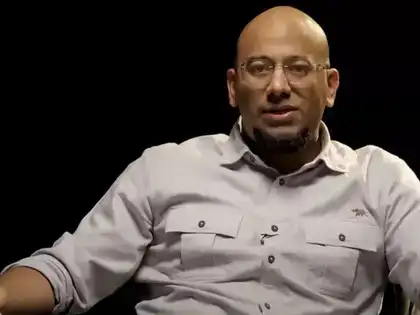 Shantanu Deshpande, founder and CEO, Bombay Shaving Company
Gurugram-based Bombay Shaving Company saw its revenues more than double in FY26 and its losses narrow sharply, inching towards profitability.
Financials:
The market: Bombay Shaving Company operates in a competitive market alongside brands such as Beardo, The Man Company, Ustraa, and Man Matters. Larger consumer companies have acquired several of these digital-first brands.
Also in the letter:
■ More Indian EVs go overseas
■ Foxconn’s India play
■ Bombay Shaving Co's FY26 report
Deepinder Goyal's Temple eyes $500 million valuation, prices debut wearable at Rs 80,000
Deepinder Goyal's wearable startup Temple is preparing to raise fresh funding at a $500 million valuation, people familiar with the matter told us.
- “We are seeing strong interest from external investors at a $500 million valuation. Before we close the next round, I want some of this value to reach the people who created it,” Goyal wrote in a memo to the staff.
- Temple has launched a partial Esop (employee stock option) buyback at a $375 million valuation. Eligible employees can sell up to 25% of their vested Esops.
- The move comes as the company prepares to launch its first health wearable, expected to be priced at Rs 75,000-80,000.
Also Read: Deepinder Goyal’s wearable startup Temple raises $54 million from Steadview, Peak XV, others
About the device: Temple is positioning the wearable as a premium product. It includes lifetime access to the company's health platform, along with a lifetime supply of medically approved adhesive tapes needed to wear the device.
The non-invasive wearable is placed on the temples and measures blood flow in the brain. It was developed by Goyal's longevity venture, Continue, which studies how gravity could affect human ageing.
Post-IPO block deals a key exit route for PE, VC investors: Report
Private equity (PE) and venture capital (VC) investors are increasingly exiting Indian companies through post-listing block deals rather than initial public offerings (IPOs), according to investment bank DC Advisory.
By the numbers:
- Public market sales made up 77% of the $6.1 billion in PE/VC exits in the first half of 2026, largely through post-IPO block deals.
- Only 23 companies raised $2.3 billion through IPOs, down from 105 IPOs worth $18.7 billion in 2025.
- Even during last year’s boom, offers for sale — through which existing shareholders liquidate their holdings — accounted for 64% of IPO proceeds.
Also Read: Private equity investors shift tech bets from IT services to AI startups
Expert take: “In most cases, the larger part of the liquidity comes not from the offer for sale, but after lock-ins expire, through block deals,” Klaas Oskam, chief executive of DC Advisory India, told us.
He said a company's post-listing performance plays a key role in determining how much investors can cash out over the next six to 24 months.
Recent deals:
- In May, Peak XV Partners, Ribbit Capital, and Y Combinator sold a 4.7% stake in Groww for Rs 5,325 crore, after making Rs 3,293 crore through the IPO.
- In June, SoftBank and Abu Dhabi Investment Authority sold Lenskart shares worth Rs 2,873 crore and Rs 1,960 crore, respectively, after the lock-in period ended.
More Indian EVs head to distant shores as Maruti, Tata, M&M drive 14-fold export surge
There was a 14-fold surge in exports of India-made electric cars in the June quarter, as higher fuel prices due to geopolitical issues pushed consumers towards clean energy alternatives.
Number-wise: Exports rose to 15,641 units in the three months ending June, from 1,122 units a year ago. This is more than half of the 28,652 units exported in the entire last fiscal.
The boom is driven by Maruti Suzuki’s e-Vitara. Sensing a shift, Tata Motors and Mahindra & Mahindra are also putting together plans to scale up EV shipments to right-hand drive markets globally.
New plans:
- With the new momentum, Maruti Suzuki plans to introduce four more EVs by 2030, a senior executive told us.
- Tata Motors is planning to introduce premium EVs based on its Avinya platform in Europe in the coming years, sources said.
- M&M has also begun work on new variants of its top running BE6 and XEV 9e SUVs.
Foxconn India signals shift to high-value manufacturing
Taiwanese electronics manufacturer Foxconn is doubling down on India, betting on growing opportunities in semiconductors, advanced packaging, and electric vehicles, Jesse Chao, head of AI and quantum computing at the company told us.
India play: “India is a huge market for us. That’s why we have had so many new footprints in the past three or four years, and there are still things to come,” Chao told ET on the sidelines of the IBM Think Singapore event last week.
Govt push: Foxconn’s plans are further buoyed by the Centre’s support for the country’s semiconductor ecosystem and deeptech sector.
“We treat the government as a key account. We look at what the government’s top priorities are in emerging technologies and where Foxconn can contribute,” he said.
Also Read: Foxconn subsidiary acquires shares in India unit for $37.2 million
Bombay Shaving Company posts 139% revenue growth, cuts losses by 85% in FY26
Gurugram-based Bombay Shaving Company saw its revenues more than double in FY26 and its losses narrow sharply, inching towards profitability.
Financials:
- Parent company Visage Lines Persona Care reported operating revenue of Rs 635 crore for FY26. This is up 139% from Rs 266 crore in FY25.
- Net loss fell from Rs 58 crore in FY25 to Rs 9 crore.
The market: Bombay Shaving Company operates in a competitive market alongside brands such as Beardo, The Man Company, Ustraa, and Man Matters. Larger consumer companies have acquired several of these digital-first brands.
Want this newsletter delivered to your inbox?
I agree to receive newsletters and marketing communications via e-mail