
 Daily Top 5 Daily Top 5 |
Flipkart’s food delivery foray; Swiggy CEO on qcomm competition
Want this newsletter delivered to your inbox?
I agree to receive newsletters and marketing communications via e-mail

Thank you for subscribing to Daily Top 5
We'll soon meet in your inbox.
Flipkart will launch its food delivery pilot next month, CEO Kalyan Krishnamurthy said. This and more in today’s ETtech Top 5.
Also in the letter:
■ Impact of new FDI rules
■ Pronto doubles down on headcam use
■ Govt pulls up BitChat
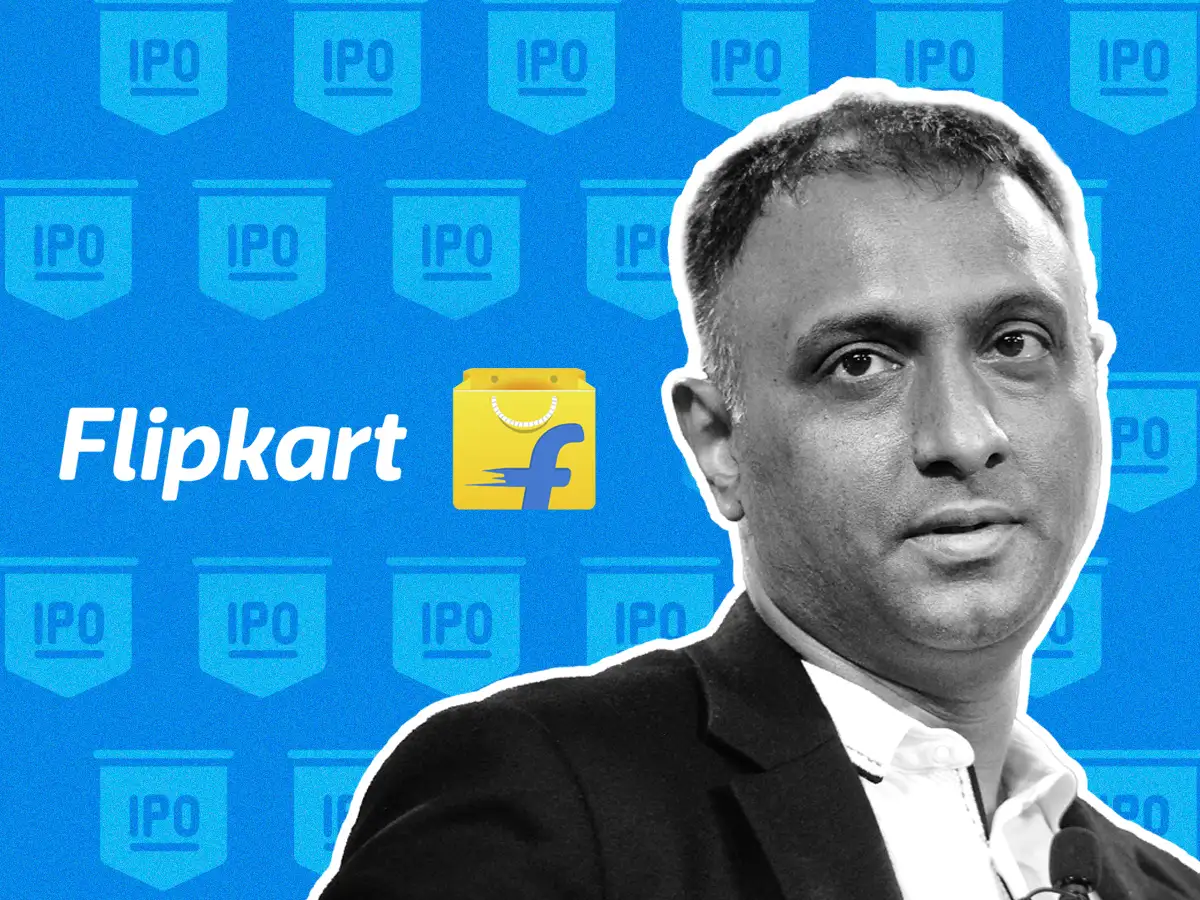
Ecommerce giant Flipkart plans to pilot its food delivery service next month, group CEO Kalyan Krishnamurthy told ET. This expands its lineup of services beyond online retail, quick commerce, fashion, payments and travel.
ET had first reported in February about Flipkart’s plans. This will put the Walmart-owned company in direct competition with Zomato and Swiggy, which currently dominate the market.
On Friday, Eternal’s share was down 2.3% at Rs 280 on the BSE, while Swiggy’s stock was down 3.9% at Rs 251.40.
On social commerce: In an interview with us, Krishnamurthy also spoke about social media and direct-to-consumer (D2C) brands reshaping how Indians shop online, with discovery happening on social apps and purchases flowing directly from those channels.
“Flipkart, Myntra — all of us want to be the destination for both discovery and fulfilment. Today these other players are strong on the discovery side, and the Indian customer is increasingly influenced by social apps,” Krishnamurthy said.
On acquisitions: On inorganic growth, he said Flipkart remains “very open and flexible” to partnerships and acquisitions, especially in customer segments where others have built a strong presence.
“Our broader philosophy is around partnerships. We’re very open and flexible to that. From a capabilities standpoint, it's often easier to partner than to build everything ourselves… that's our primary lens,” he said.

Swiggy founder and group CEO Sriharsha Majety said quick commerce will remain well funded and competitive, even as Instamart increases its focus on cutting losses.
In a letter to shareholders along with the FY26 annual report, he said that winning cannot rely on price alone, with 10‑minute delivery now becoming table stakes.
Quote, unquote: “The right to win will come from reliable availability, breadth of assortment, differentiated categories, strong partner brands, and the ability to make Instamart a destination for everyday upgrades, not just everyday essentials,” Majety wrote.
Instamart competes with Blinkit, Zepto, Flipkart Minutes, Amazon Now, BigBasket, and JioMart.
Pursuing profitability: Majety said that during FY26 Instamart shifted focus from aggressive dark‑store expansion to “sweating” existing assets. "Our strategy was not to pursue volume at any cost. We focussed on wallet share, basket quality, availability, and operating leverage.”
The firm’s contribution margin improved to -2.8% of gross order value from -4.0% a year earlier, driven by higher average order values, better monetisation, and lower dependence on unsustainable incentives.
Background: This comes a day after Swiggy’s board approved a 49.5% cap on foreign ownership and key changes to its articles of association to qualify as an Indian-owned and controlled company (IOCC), so it could switch to an inventory model and monetise better.

The government on Thursday permitted FDI in an inventory-based ecommerce model "exclusively" for export purposes. The move will not materially change domestic ecommerce for Meesho, Flipkart or Amazon, industry experts told us.
What this means: The new rule applies only to exports of Indian-made goods, so the bigger impact is on overseas market access for smaller sellers and MSMEs.
India’s FDI rules still don’t allow inventory ownership in domestic ecommerce to protect small sellers from foreign-backed competition. But the new rule says those restrictions will not apply when the goods are made in India and meant for export. The policy, executives said, creates an additional channel for Indian sellers to access overseas markets.
Risks and safeguards: Lawyers and industry executives warned that the policy could be misused unless implementation is tight.
"There is a potential risk, although the extent of that risk will depend on how the final implementation, customs enforcement and FEMA compliance framework evolve alongside this. Whenever a regulatory distinction is based on the ultimate destination of goods, there is scope for leakage if controls are not sufficiently robust," said Ashid Basheer, Partner, Cyril Amarchand Mangaldas.
 Anjali Sardana, founder, Pronto
Home services startup Pronto is scaling up Pronto Verified, a premium option where jobs are recorded via head‑mounted cameras worn by service professionals. The footage is later used to train AI models.
Why now: The feature’s pilot had drawn flak from privacy advocates over in‑home recording, consent, and data use.
Wider debate: The expansion comes amid a wider debate on data for AI versus privacy in domestic spaces. Rival platforms Urban Company and Snabbit have publicly said they won’t use in‑home recordings for AI training.
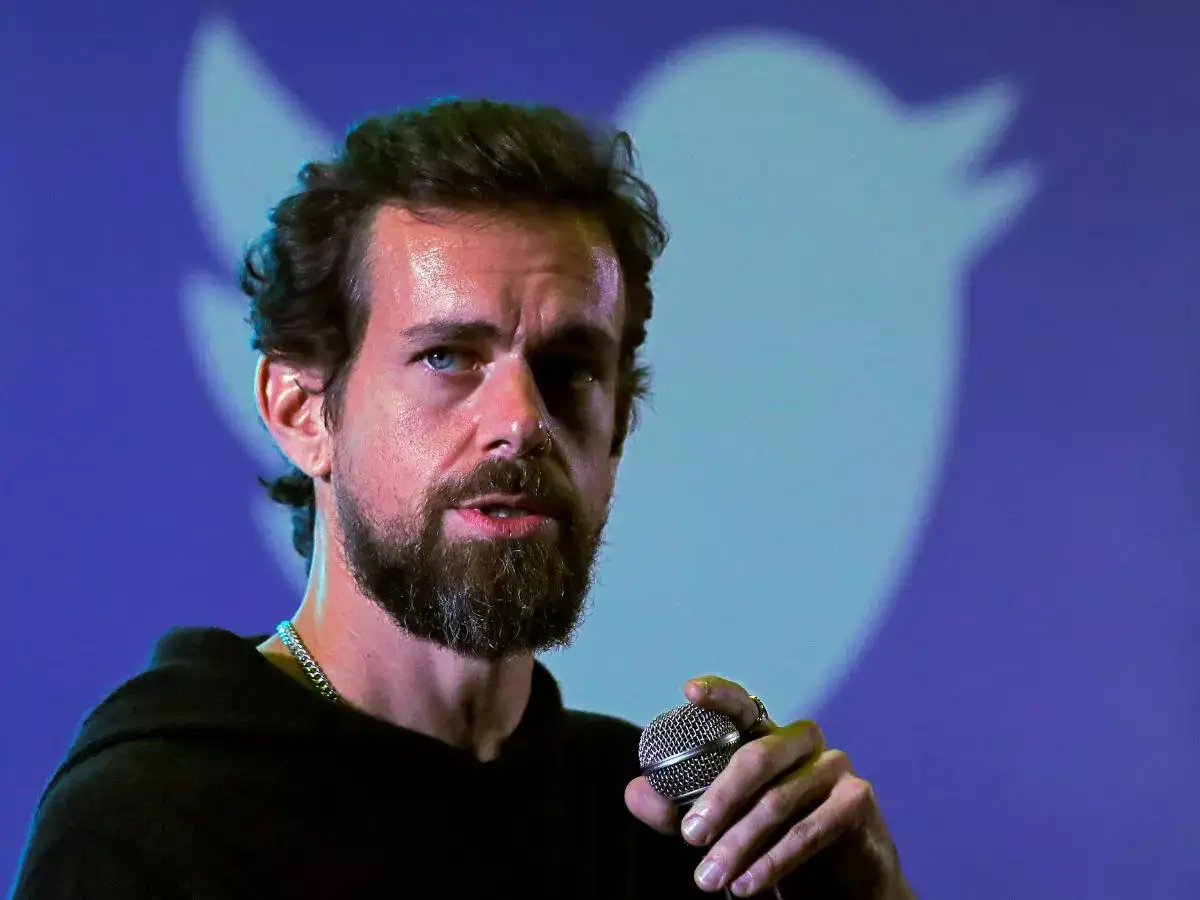
The home ministry's cybercrime arm, the Indian Cybercrime Coordination Centre, has ordered Microsoft-owned GitHub to remove Bluetooth-based messaging app Bitchat, citing serious security risks.
Why it was targeted: Authorities said Bitchat enables decentralised, peer-to-peer messaging over Bluetooth mesh networks without the need for mobile connections, wifi, or central servers. It allows anonymous communication without registration, phone numbers, or centralised logging.
Officials warned that it makes lawful interception, attribution, and investigation difficult and could be misused by anti-national elements, terrorist groups, and organised crime.
Context: The notice follows reports that protesters at the Cockroach Janata Party demonstration in Delhi were using Bluetooth-based apps after temporary internet restrictions near Jantar Mantar.
Officials said such tools can help users evade lawful surveillance, and coordinate unlawful assemblies or violent protests.
Also in the letter:
■ Impact of new FDI rules
■ Pronto doubles down on headcam use
■ Govt pulls up BitChat
Flipkart planning food delivery pilot launch in August: Kalyan Krishnamurthy
Ecommerce giant Flipkart plans to pilot its food delivery service next month, group CEO Kalyan Krishnamurthy told ET. This expands its lineup of services beyond online retail, quick commerce, fashion, payments and travel.
ET had first reported in February about Flipkart’s plans. This will put the Walmart-owned company in direct competition with Zomato and Swiggy, which currently dominate the market.
On Friday, Eternal’s share was down 2.3% at Rs 280 on the BSE, while Swiggy’s stock was down 3.9% at Rs 251.40.
On social commerce: In an interview with us, Krishnamurthy also spoke about social media and direct-to-consumer (D2C) brands reshaping how Indians shop online, with discovery happening on social apps and purchases flowing directly from those channels.
“Flipkart, Myntra — all of us want to be the destination for both discovery and fulfilment. Today these other players are strong on the discovery side, and the Indian customer is increasingly influenced by social apps,” Krishnamurthy said.
On acquisitions: On inorganic growth, he said Flipkart remains “very open and flexible” to partnerships and acquisitions, especially in customer segments where others have built a strong presence.
“Our broader philosophy is around partnerships. We’re very open and flexible to that. From a capabilities standpoint, it's often easier to partner than to build everything ourselves… that's our primary lens,” he said.
Quick commerce will continue to attract capital, competition: Swiggy group CEO Sriharsha Majety
Swiggy founder and group CEO Sriharsha Majety said quick commerce will remain well funded and competitive, even as Instamart increases its focus on cutting losses.
In a letter to shareholders along with the FY26 annual report, he said that winning cannot rely on price alone, with 10‑minute delivery now becoming table stakes.
Quote, unquote: “The right to win will come from reliable availability, breadth of assortment, differentiated categories, strong partner brands, and the ability to make Instamart a destination for everyday upgrades, not just everyday essentials,” Majety wrote.
Instamart competes with Blinkit, Zepto, Flipkart Minutes, Amazon Now, BigBasket, and JioMart.
Pursuing profitability: Majety said that during FY26 Instamart shifted focus from aggressive dark‑store expansion to “sweating” existing assets. "Our strategy was not to pursue volume at any cost. We focussed on wallet share, basket quality, availability, and operating leverage.”
The firm’s contribution margin improved to -2.8% of gross order value from -4.0% a year earlier, driven by higher average order values, better monetisation, and lower dependence on unsustainable incentives.
Background: This comes a day after Swiggy’s board approved a 49.5% cap on foreign ownership and key changes to its articles of association to qualify as an Indian-owned and controlled company (IOCC), so it could switch to an inventory model and monetise better.
ETtech Explainer: Ecommerce export FDI policy opens opportunities, but raises compliance questions
The government on Thursday permitted FDI in an inventory-based ecommerce model "exclusively" for export purposes. The move will not materially change domestic ecommerce for Meesho, Flipkart or Amazon, industry experts told us.
What this means: The new rule applies only to exports of Indian-made goods, so the bigger impact is on overseas market access for smaller sellers and MSMEs.
India’s FDI rules still don’t allow inventory ownership in domestic ecommerce to protect small sellers from foreign-backed competition. But the new rule says those restrictions will not apply when the goods are made in India and meant for export. The policy, executives said, creates an additional channel for Indian sellers to access overseas markets.
Risks and safeguards: Lawyers and industry executives warned that the policy could be misused unless implementation is tight.
"There is a potential risk, although the extent of that risk will depend on how the final implementation, customs enforcement and FEMA compliance framework evolve alongside this. Whenever a regulatory distinction is based on the ultimate destination of goods, there is scope for leakage if controls are not sufficiently robust," said Ashid Basheer, Partner, Cyril Amarchand Mangaldas.
Pronto doubles down on headcam use, will use home service recordings for AI training
Home services startup Pronto is scaling up Pronto Verified, a premium option where jobs are recorded via head‑mounted cameras worn by service professionals. The footage is later used to train AI models.
Why now: The feature’s pilot had drawn flak from privacy advocates over in‑home recording, consent, and data use.
- The feature is voluntary for both customers and workers.
- Customers who opt for Verified pay a premium, while professionals earn roughly double the standard booking rate.
- Pronto says the model responds to demand from both sides for a verifiable record of work to improve trust and safety.
- The cameras are specially designed to capture only the professional's hands and work area, with no audio recorded.
Wider debate: The expansion comes amid a wider debate on data for AI versus privacy in domestic spaces. Rival platforms Urban Company and Snabbit have publicly said they won’t use in‑home recordings for AI training.
Govt orders GitHub to remove Bluetooth-based Bitchat over security concerns: Jack Dorsey
The home ministry's cybercrime arm, the Indian Cybercrime Coordination Centre, has ordered Microsoft-owned GitHub to remove Bluetooth-based messaging app Bitchat, citing serious security risks.
Why it was targeted: Authorities said Bitchat enables decentralised, peer-to-peer messaging over Bluetooth mesh networks without the need for mobile connections, wifi, or central servers. It allows anonymous communication without registration, phone numbers, or centralised logging.
Officials warned that it makes lawful interception, attribution, and investigation difficult and could be misused by anti-national elements, terrorist groups, and organised crime.
Context: The notice follows reports that protesters at the Cockroach Janata Party demonstration in Delhi were using Bluetooth-based apps after temporary internet restrictions near Jantar Mantar.
Officials said such tools can help users evade lawful surveillance, and coordinate unlawful assemblies or violent protests.
Want this newsletter delivered to your inbox?
I agree to receive newsletters and marketing communications via e-mail