
 Morning Dispatch Morning Dispatch |
NRI equity inflow falls; Pi Ventures preps exits
Want this newsletter delivered to your inbox?
I agree to receive newsletters and marketing communications via e-mail

Thank you for subscribing to Morning Dispatch
We'll soon meet in your inbox.
NRI accounts are surging even as stricter compliance and a softer market cool equity inflows. This and more in today’s ETtech Morning Dispatch.
Also in the letter:
■ AI shakes up IT deal spans
■ Karnataka’s gig law challenged
■ PayU India’s profitable FY26

Investments by non-resident Indians (NRIs) in Indian equities are losing momentum, even as NRI demat accounts continue to surge.
Driving the news: Data from the central depositories show:
New-age brokers such as Zerodha, Angel One and Fyers are betting this market will eventually open up. They argue that the segment remains underpenetrated and could grow sharply if regulators simplify the rules.
Verbatim: “We are already opening around 1,500 to 2,000 NRI accounts a month and serving around 80,000 NRI customers,” said Somnath Mukherjee, vice president, corporate development at Zerodha. Fyers said the market is “waiting to be opened up.”
Digitisation push: Brokers say digitisation is speeding up the process, especially through e-notarisation. Rupeeflo CEO Dharmendra Maurya said e-notarisation has cut KYC turnaround times to under seven days, down from about 45–50 days, in more than 50 countries, including the US, UK and UAE, which host the largest NRI populations.
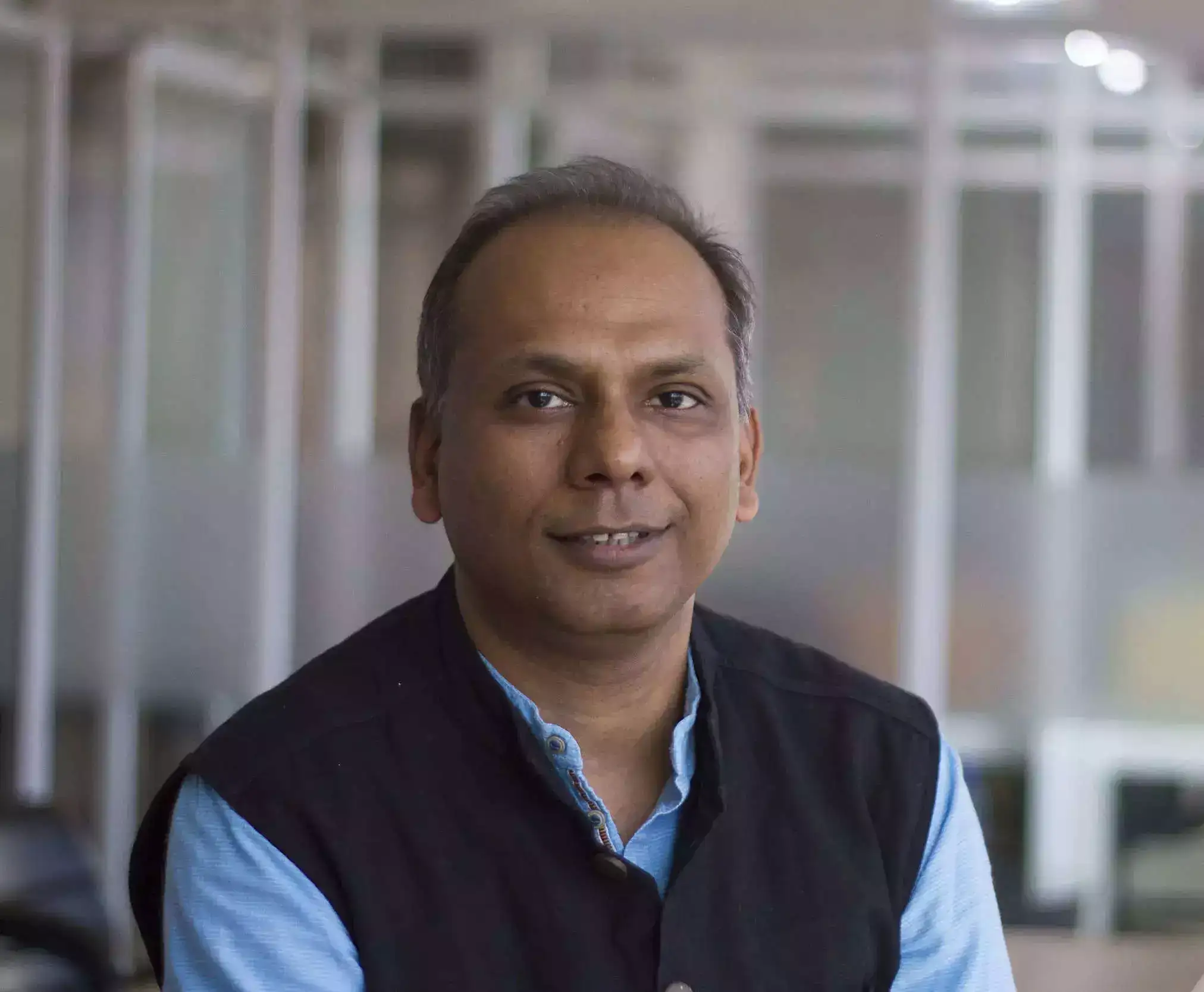 Manish Singhal, founding partner, Pi Ventures
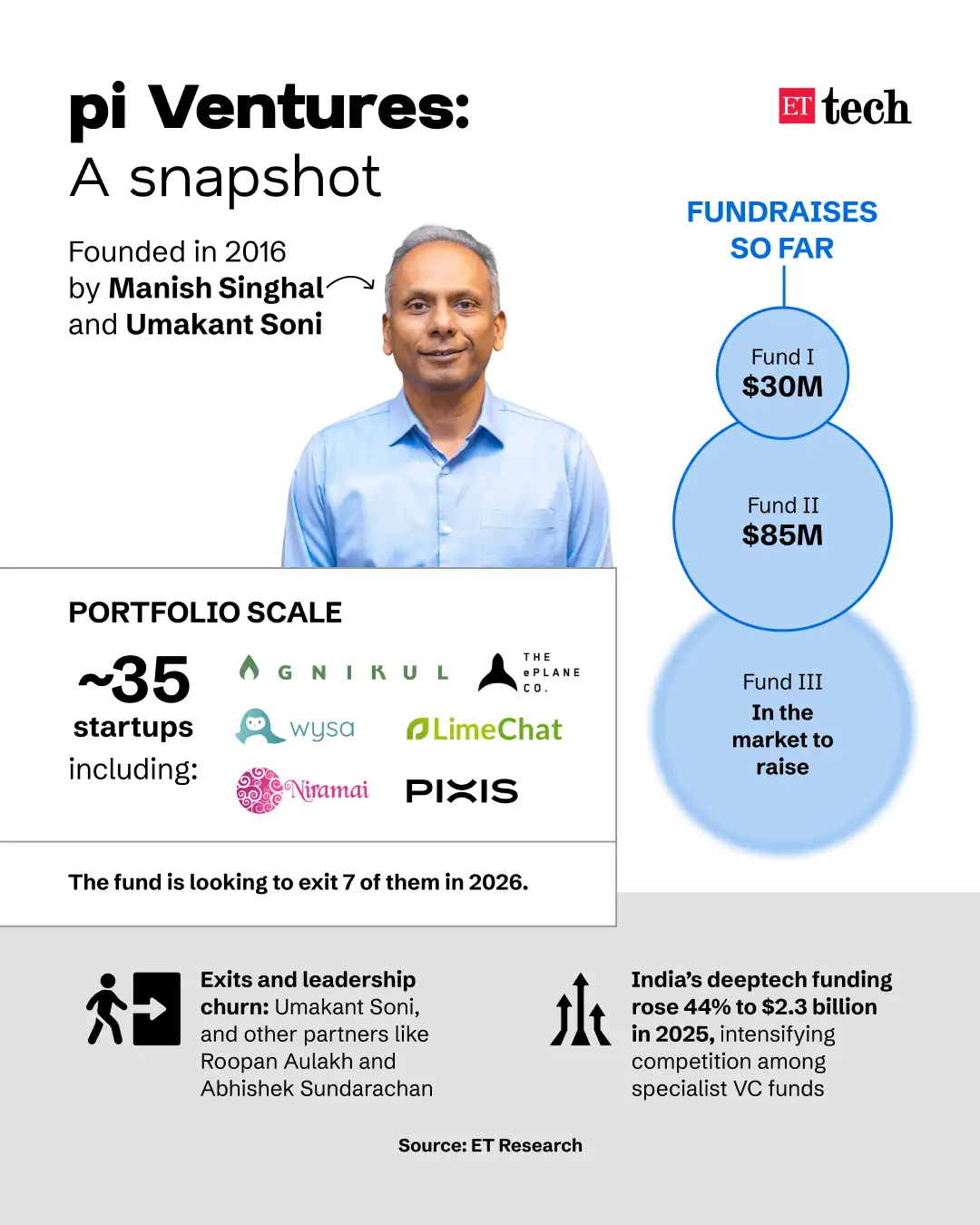
Deeptech VC Pi Ventures is lining up exits from its first fund as the vehicle nears the end of its lifecycle, even as the Bengaluru-based firm pitches Fund III and fields pointed questions from investors.
Driving the news: Founder Manish Singhal rejected talk of a distress sale, saying Fund I is in its “natural disinvestment phase.” He added that the fund is tracking top-quartile DPI relative to peers.
“We began with 15 portfolio companies and currently have seven active investments. Any exits we pursue are part of this planned process, not a distress or wholesale sale of the portfolio,” he said.
About the fund: Pi Ventures exited three portfolio companies in 2025: AI Palette, (acquired by GlobalData), Locus, (acquired by Ikea), and TrueLark, (acquired by Weave Communications). The firm has also completed secondary sales in some investments, which Singhal did not name.
Industry insiders told us Pi Ventures has struggled to deploy capital from its second fund. Singhal countered that Fund II has made 21 investments and is nearing the end of its primary deployment phase.
Why it matters: The move comes amid rising investor scrutiny of governance, leadership concentration and portfolio returns.
With India’s deeptech funding surging 44% to $2.3 billion in 2025, LPs are demanding stronger governance, clearer succession plans and faster liquidity from specialist VC funds.
Also Read: Startup seed rounds double as VCs turn more selective

Corporates are renegotiating IT services contracts within 24 months instead of waiting for renewals, as rapid AI-led productivity gains that are changing delivery economics.
Driving the news: Across the $315 billion software services industry, companies typically renegotiate contracts just before renewal. With AI now in the mix, clients are reopening even live engagements to capture efficiency gains.
Analysts told us that large contracts with annual values above $50 million face the greatest pressure to reset pricing and scope.
Sectors and scope: Renegotiations are underway across banking, insurance, manufacturing and consumer goods, largely through behind-the-scenes bilateral renegotiations rather than public announcements.
Consequences: Despite healthy deal pipelines announced by Tata Consultancy Services (TCS), Infosys and Wipro in FY26, revenue conversion remains weak as AI-driven pricing deflation bites. Layer on an uncertain macro environment and geopolitical tensions, and clients are slowing technology spending, prioritising cost optimisation and favouring smaller, shorter-tenure deals.
Also Read: AI levels the playing field as IT giants target mid-market game

Platforms, IAMAI challenge gig workers’ welfare law: The Internet and Mobile Association of India (IAMAI) and several aggregator platforms have moved the Karnataka High Court, challenging the constitutional validity of the Karnataka Platform-Based Gig Workers (Social Security and Welfare) Act, 2025, and the rules framed under it.
PayU India’s first full-year operating profit: Dutch technology investor Prosus said on Monday that its fintech arm PayU India posted its first full year of operating profit in FY26, after improving margins across payments and credit and exiting several low-margin portfolios.
■ Google caps Meta’s Gemini use as AI demand strains capacity (FT)
■ This humanoid robot is a terrifyingly competent office intern (Wired)
■ IBM has unveiled chip technology that could help extend Moore’s Law another decade (MIT Technology Review)
Also in the letter:
■ AI shakes up IT deal spans
■ Karnataka’s gig law challenged
■ PayU India’s profitable FY26
NRI flows into Indian equities dip as compliance rules bite
Investments by non-resident Indians (NRIs) in Indian equities are losing momentum, even as NRI demat accounts continue to surge.
Driving the news: Data from the central depositories show:
- NRI accounts rose to 9.27 lakh by May, up from 5.11 lakh three years ago.
- Funds invested this year till May grew 6% to Rs 6 lakh crore from Rs 5.7 lakh crore.
- In the previous year, this value jumped 12% from Rs 5.1 lakh crore, after a 48% surge in the year to May 2024.
New-age brokers such as Zerodha, Angel One and Fyers are betting this market will eventually open up. They argue that the segment remains underpenetrated and could grow sharply if regulators simplify the rules.
Verbatim: “We are already opening around 1,500 to 2,000 NRI accounts a month and serving around 80,000 NRI customers,” said Somnath Mukherjee, vice president, corporate development at Zerodha. Fyers said the market is “waiting to be opened up.”
Digitisation push: Brokers say digitisation is speeding up the process, especially through e-notarisation. Rupeeflo CEO Dharmendra Maurya said e-notarisation has cut KYC turnaround times to under seven days, down from about 45–50 days, in more than 50 countries, including the US, UK and UAE, which host the largest NRI populations.
Pi Ventures explores Fund I exits amid investor scrutiny over returns, governance
Deeptech VC Pi Ventures is lining up exits from its first fund as the vehicle nears the end of its lifecycle, even as the Bengaluru-based firm pitches Fund III and fields pointed questions from investors.
Driving the news: Founder Manish Singhal rejected talk of a distress sale, saying Fund I is in its “natural disinvestment phase.” He added that the fund is tracking top-quartile DPI relative to peers.
“We began with 15 portfolio companies and currently have seven active investments. Any exits we pursue are part of this planned process, not a distress or wholesale sale of the portfolio,” he said.
About the fund: Pi Ventures exited three portfolio companies in 2025: AI Palette, (acquired by GlobalData), Locus, (acquired by Ikea), and TrueLark, (acquired by Weave Communications). The firm has also completed secondary sales in some investments, which Singhal did not name.
Industry insiders told us Pi Ventures has struggled to deploy capital from its second fund. Singhal countered that Fund II has made 21 investments and is nearing the end of its primary deployment phase.
Why it matters: The move comes amid rising investor scrutiny of governance, leadership concentration and portfolio returns.
With India’s deeptech funding surging 44% to $2.3 billion in 2025, LPs are demanding stronger governance, clearer succession plans and faster liquidity from specialist VC funds.
Also Read: Startup seed rounds double as VCs turn more selective
IT deals face rejig as clients force new terms for AI gains
Corporates are renegotiating IT services contracts within 24 months instead of waiting for renewals, as rapid AI-led productivity gains that are changing delivery economics.
Driving the news: Across the $315 billion software services industry, companies typically renegotiate contracts just before renewal. With AI now in the mix, clients are reopening even live engagements to capture efficiency gains.
Analysts told us that large contracts with annual values above $50 million face the greatest pressure to reset pricing and scope.
Sectors and scope: Renegotiations are underway across banking, insurance, manufacturing and consumer goods, largely through behind-the-scenes bilateral renegotiations rather than public announcements.
Consequences: Despite healthy deal pipelines announced by Tata Consultancy Services (TCS), Infosys and Wipro in FY26, revenue conversion remains weak as AI-driven pricing deflation bites. Layer on an uncertain macro environment and geopolitical tensions, and clients are slowing technology spending, prioritising cost optimisation and favouring smaller, shorter-tenure deals.
Also Read: AI levels the playing field as IT giants target mid-market game
Other Top Stories By Our Reporters
Platforms, IAMAI challenge gig workers’ welfare law: The Internet and Mobile Association of India (IAMAI) and several aggregator platforms have moved the Karnataka High Court, challenging the constitutional validity of the Karnataka Platform-Based Gig Workers (Social Security and Welfare) Act, 2025, and the rules framed under it.
PayU India’s first full-year operating profit: Dutch technology investor Prosus said on Monday that its fintech arm PayU India posted its first full year of operating profit in FY26, after improving margins across payments and credit and exiting several low-margin portfolios.
Global Picks We Are Reading
■ Google caps Meta’s Gemini use as AI demand strains capacity (FT)
■ This humanoid robot is a terrifyingly competent office intern (Wired)
■ IBM has unveiled chip technology that could help extend Moore’s Law another decade (MIT Technology Review)
Want this newsletter delivered to your inbox?
I agree to receive newsletters and marketing communications via e-mail