
 Morning Dispatch Morning Dispatch |
Delhivery’s Barua bets on consolidation; Amazon, Flipkart’s qcomm price war
Want this newsletter delivered to your inbox?
I agree to receive newsletters and marketing communications via e-mail

Thank you for subscribing to Morning Dispatch
We'll soon meet in your inbox.
Happy Monday! Delhivery CEO Sahil Barua told us in an interview that the logistics sector is likely to see more consolidation. This and more in today’s ETtech Morning Dispatch.
Also in the letter:
■ Rocket in talks to raise funds
■ Startup seed rounds double
■ India’s blockchain policy gap
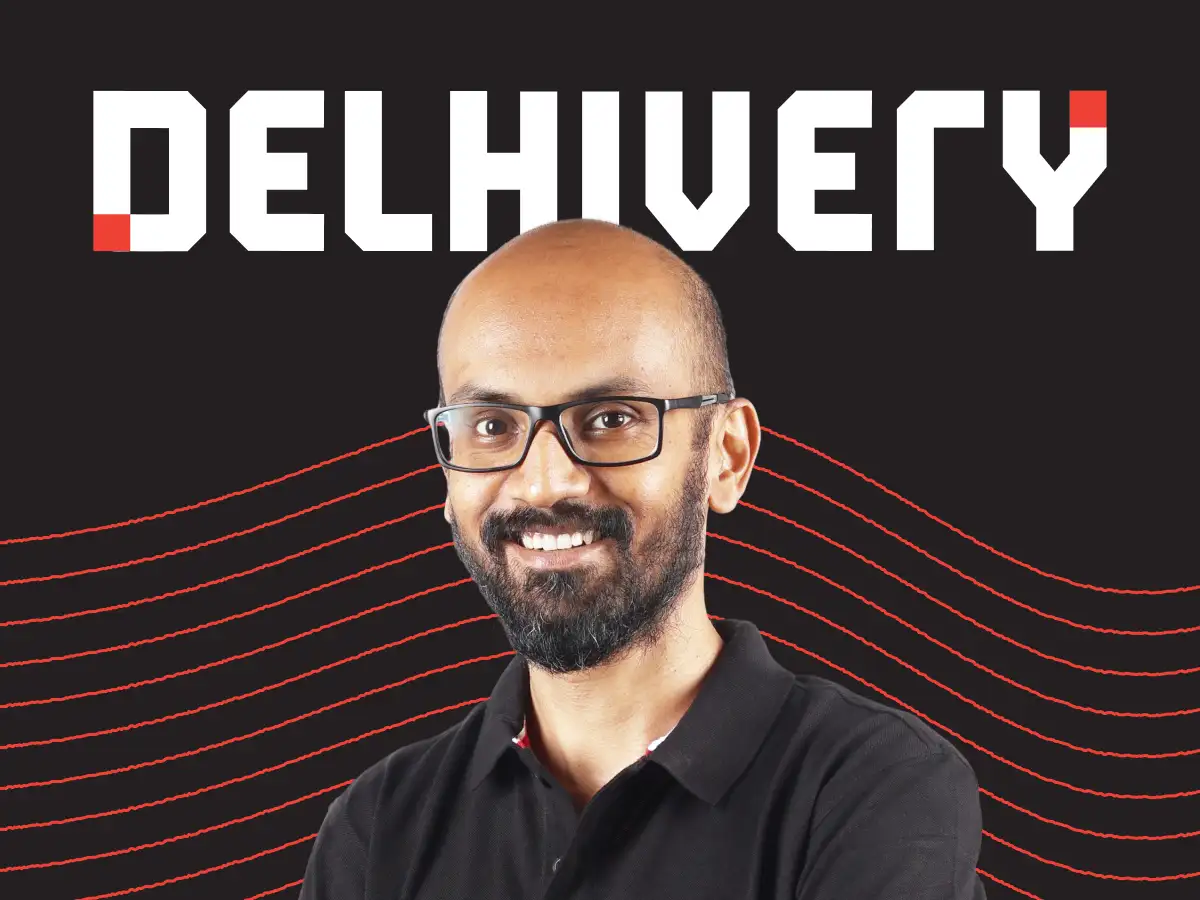
Delhivery is entering its next phase of growth, with CEO Sahil Barua betting on high-growth segments while continuing to push hard to expand margins. Four years after its listing and a year after acquiring Ecom Express, Barua says India’s logistics sector is headed for consolidation, arguing that the market can support only a handful of large players.
In an interview with us,Barua pointed to shifting ecommerce dynamics, flagged the limits of in-house logistics, highlighted the high cost of quick commerce, and explained what has changed now that Delhivery is a public company. Edited excerpts:
On quick commerce: Delhivery has avoided quick commerce, instead focusing on 2-4 hour deliveries for D2C brands via multi-brand dark stores.
“If the model evolves and delivery becomes more efficient through aggregation, clubbing, and pooling of orders, in that scenario, we could participate. But as things stand today, we don't see much of a role for us in standalone last-mile delivery,” he pointed out.
On competition: Barua said the market is already dominated by players such as Blue Dart, Delhivery, and Shadowfax, making it hard for other logistics firms to survive.
“The problem is that there simply isn't enough incremental volume left to capture because the rest of us have already established strong positions. At the same time, costs are rising (fuel and labour)”
On ecommerce dependence: Ecommerce remains Delhivery’s biggest revenue driver, with parcel volumes up 72% year-on-year in FY26.
“Ecommerce operates on razor-thin margins. Every rupee they save on logistics is a rupee they can invest in customer acquisition or improving the customer experience,” Barua said, adding that companies are experimenting with in-house logistics. “We believe there are limitations to that model, though they may continue to run a certain share of their volumes through it.”
India’s quick-commerce market is back in a discounting spiral. Amazon and Flipkart are turning up the heat, but incumbents Blinkit and Swiggy Instamart are largely refusing to dive into the price war as they prioritise profitability, industry executives told us.
Raining discounts:
Analysts' insight: Blinkit is running the tightest ship on SKU pricing, cart-level discounts and platform fees, while Instamart is also dialling back offers compared to newer entrants, according to a Kotak Institutional Equities report.
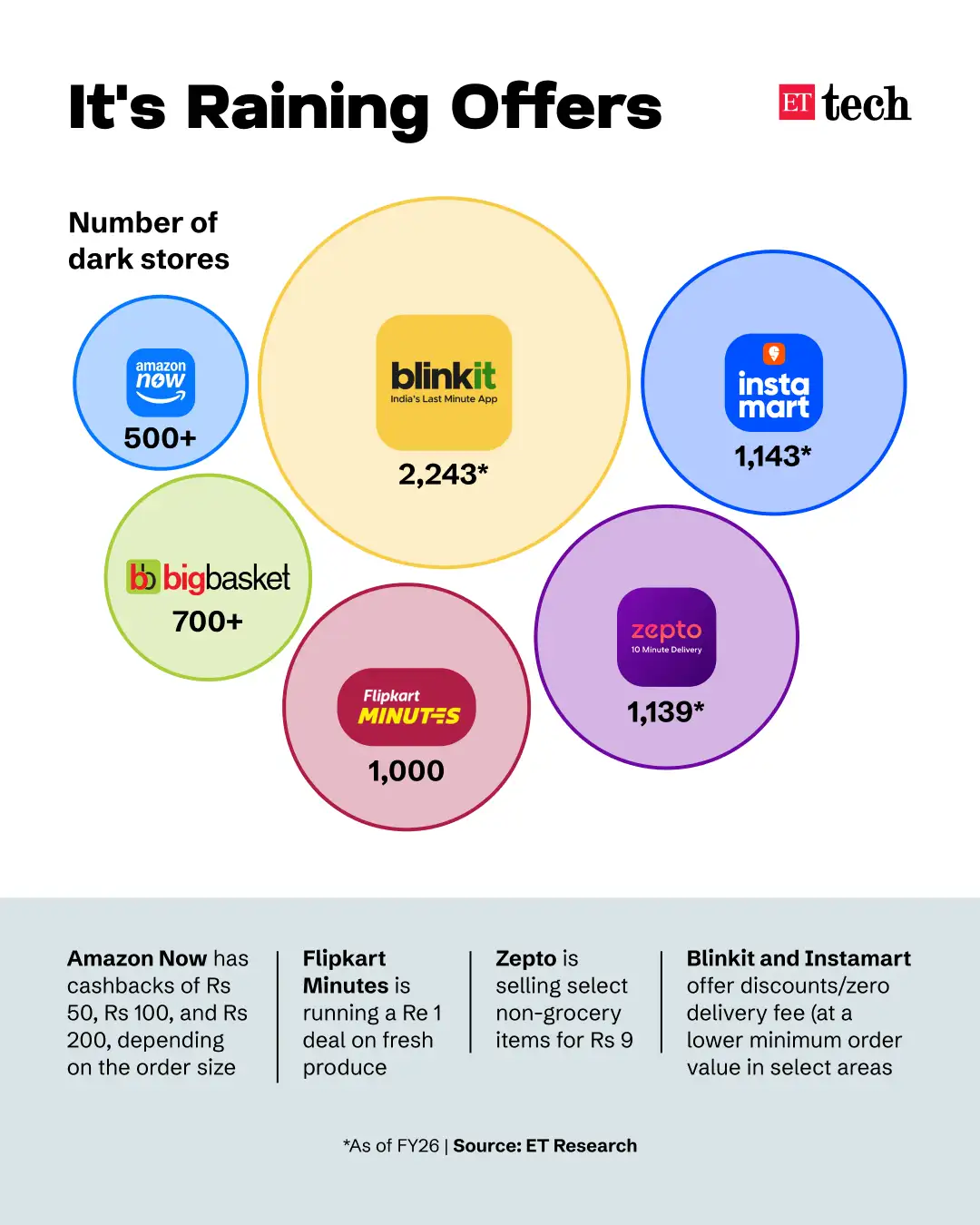
Dark store expansion:
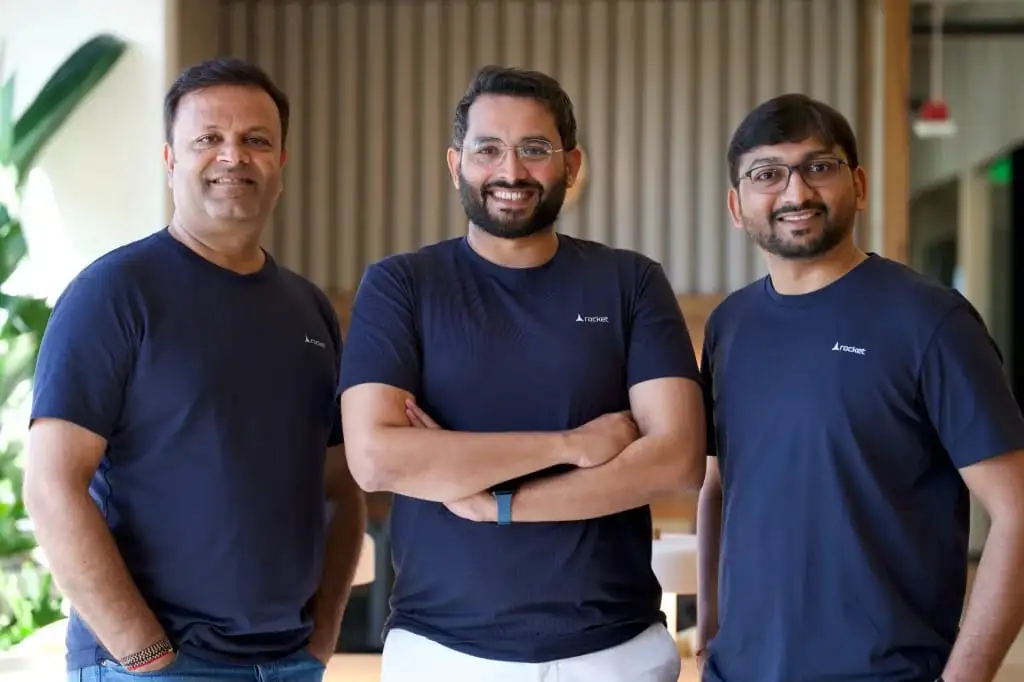 (L-R) Deepak Dhanak, Vishal Virani and Rahul Shingala, founders, Rocket AI
Rocket, a Surat-based artificial intelligence app-building startup, is in talks to raise $40-50 million, people aware of the discussions told us.
Deal details:
The company plans to deploy the new capital to deepen its AI stack, accelerate product development, and expand its global go-to-market footprint.

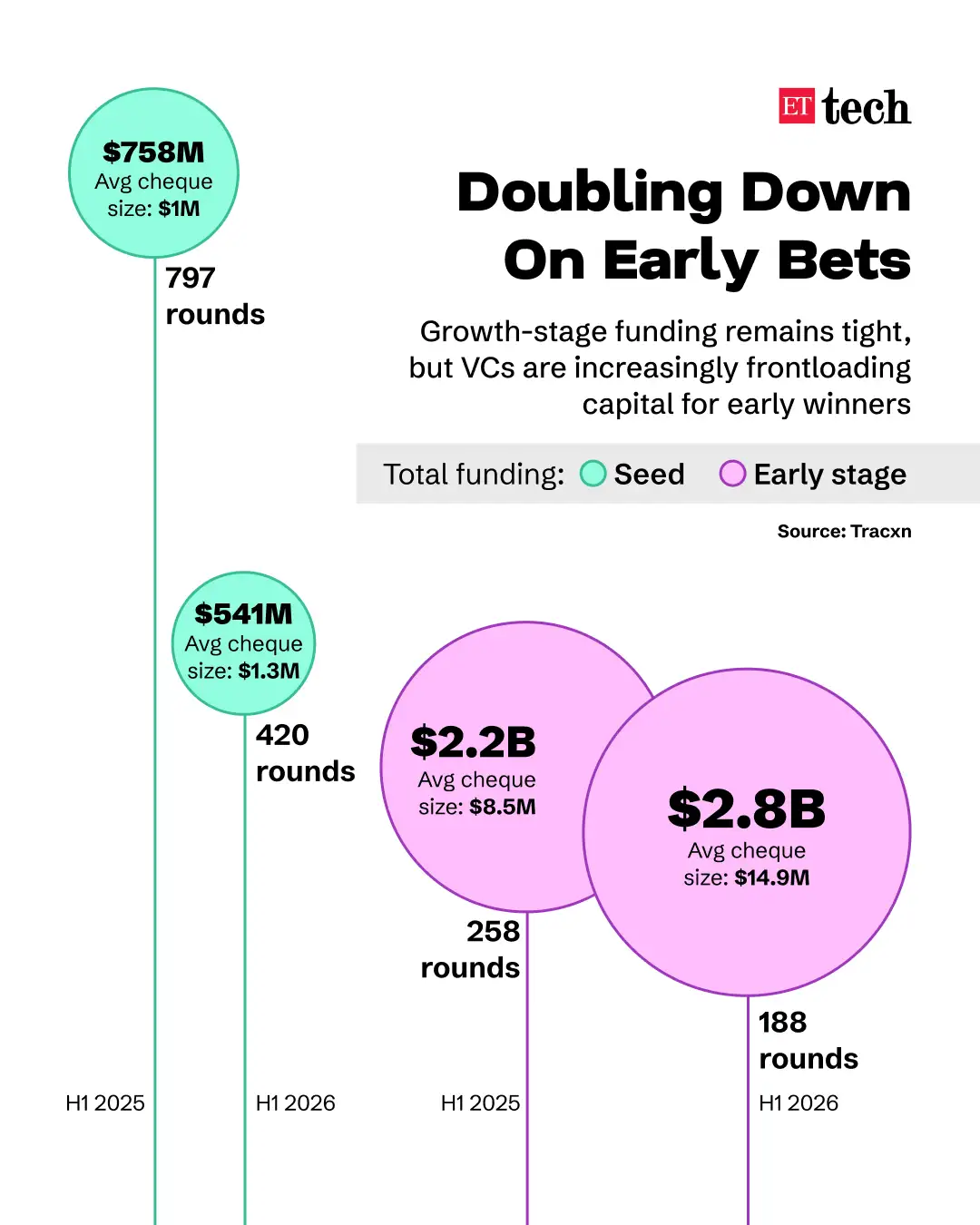
India’s seed and early-stage startups are raising larger rounds, even as the number of deals shrinks.
Number-wise:

Policy gap for blockchain in India: With blockchain increasingly used for applications beyond cryptocurrencies, experts say India’s policy discussions must address these broader uses as well, as the technology’s wider adoption raises new legal and governance challenges.
Where are the unicorns of 2021? In 2021, a year after Covid upended the world, 39 Indian startups became unicorns, valued at $1 billion or more. Now, in the middle of geopolitical shocks, pullback of major investors and the rapid rise of generative AI, where are the unicorns of 2021?
West Asia conflict may delay India's chip projects: The West Asia conflict could delay India's semiconductor projects owing to logistical bottlenecks that have squeezed the supply of speciality gases, chemicals and metals, said people aware of the matter.
■ How the DeepMind mafia brought the AI boom to London (FT)
■ The Pentagon is looking into the dialog data exposure for unmasking national security officials (Wired)
■ China and the West are taking opposite paths on EV battery recycling (Rest of World)
Also in the letter:
■ Rocket in talks to raise funds
■ Startup seed rounds double
■ India’s blockchain policy gap
Logistics market can’t support more than three players, further consolidation likely: Delhivery's Sahil Barua
Delhivery is entering its next phase of growth, with CEO Sahil Barua betting on high-growth segments while continuing to push hard to expand margins. Four years after its listing and a year after acquiring Ecom Express, Barua says India’s logistics sector is headed for consolidation, arguing that the market can support only a handful of large players.
In an interview with us,Barua pointed to shifting ecommerce dynamics, flagged the limits of in-house logistics, highlighted the high cost of quick commerce, and explained what has changed now that Delhivery is a public company. Edited excerpts:
On quick commerce: Delhivery has avoided quick commerce, instead focusing on 2-4 hour deliveries for D2C brands via multi-brand dark stores.
“If the model evolves and delivery becomes more efficient through aggregation, clubbing, and pooling of orders, in that scenario, we could participate. But as things stand today, we don't see much of a role for us in standalone last-mile delivery,” he pointed out.
On competition: Barua said the market is already dominated by players such as Blue Dart, Delhivery, and Shadowfax, making it hard for other logistics firms to survive.
“The problem is that there simply isn't enough incremental volume left to capture because the rest of us have already established strong positions. At the same time, costs are rising (fuel and labour)”
On ecommerce dependence: Ecommerce remains Delhivery’s biggest revenue driver, with parcel volumes up 72% year-on-year in FY26.
“Ecommerce operates on razor-thin margins. Every rupee they save on logistics is a rupee they can invest in customer acquisition or improving the customer experience,” Barua said, adding that companies are experimenting with in-house logistics. “We believe there are limitations to that model, though they may continue to run a certain share of their volumes through it.”
Amazon, Flipkart spark quick commerce price war as Blinkit, Instamart hold the line
India’s quick-commerce market is back in a discounting spiral. Amazon and Flipkart are turning up the heat, but incumbents Blinkit and Swiggy Instamart are largely refusing to dive into the price war as they prioritise profitability, industry executives told us.
Raining discounts:
- Amazon Now is offering cashbacks of Rs 50, Rs 100 and Rs 200, tiered by order value.
- Flipkart Minutes is running Re 1 deals on fresh produce.
- Zepto is pushing select non-grocery items at Rs 9.
Analysts' insight: Blinkit is running the tightest ship on SKU pricing, cart-level discounts and platform fees, while Instamart is also dialling back offers compared to newer entrants, according to a Kotak Institutional Equities report.
Dark store expansion:
- Blinkit plans to scale its network to 3,000 dark stores by March 2027.
- Amazon is targeting 1,000 stores; Flipkart aims to reach 1,500 in the coming months.
- Zepto and Instamart, each with a little over 1,100 dark stores, have eased off aggressive expansion.
AI startup Rocket in talks to raise $40-50 million: sources
Rocket, a Surat-based artificial intelligence app-building startup, is in talks to raise $40-50 million, people aware of the discussions told us.
Deal details:
- 360 One is expected to lead the round with a $20-25 million cheque, with other investors also participating.
- The round will value Rocket at about $500 million.
- The raise will cap a dramatic turnaround: less than a year ago, Rocket raised $15 million from Salesforce Ventures, Accel and Together Fund at a near-$60 million valuation.
The company plans to deploy the new capital to deepen its AI stack, accelerate product development, and expand its global go-to-market footprint.
Startup seed rounds double as VCs turn more selective
India’s seed and early-stage startups are raising larger rounds, even as the number of deals shrinks.
Number-wise:
- In H1 2026, startups raised $3.34 billion across 608 rounds, up from $2.96 billion across 1,055 rounds a year earlier.
- Average cheque size nearly doubled, from $ 2.8 million to $ 5.5 million.
- Early-stage funding rose to $2.8 billion from $2.2 billion, even as round count fell to 188 from 258.
- Seed cheque size climbed to about $1.3 million, while seed round volumes dropped sharply.
Other Top Stories By Our Reporters
Policy gap for blockchain in India: With blockchain increasingly used for applications beyond cryptocurrencies, experts say India’s policy discussions must address these broader uses as well, as the technology’s wider adoption raises new legal and governance challenges.
Where are the unicorns of 2021? In 2021, a year after Covid upended the world, 39 Indian startups became unicorns, valued at $1 billion or more. Now, in the middle of geopolitical shocks, pullback of major investors and the rapid rise of generative AI, where are the unicorns of 2021?
West Asia conflict may delay India's chip projects: The West Asia conflict could delay India's semiconductor projects owing to logistical bottlenecks that have squeezed the supply of speciality gases, chemicals and metals, said people aware of the matter.
Global Picks We Are Reading
■ How the DeepMind mafia brought the AI boom to London (FT)
■ The Pentagon is looking into the dialog data exposure for unmasking national security officials (Wired)
■ China and the West are taking opposite paths on EV battery recycling (Rest of World)
Want this newsletter delivered to your inbox?
I agree to receive newsletters and marketing communications via e-mail