
 Morning Dispatch Morning Dispatch |
Nikesh Arora on AI job fears; Infy CEO on IT sector stress
Want this newsletter delivered to your inbox?
I agree to receive newsletters and marketing communications via e-mail

Thank you for subscribing to Morning Dispatch
We'll soon meet in your inbox.
Happy Friday! During an interview with ET, Palo Alto CEO Nikesh Arora spoke about how fears of AI wiping out most jobs are exaggerated right now. This and more in today's ETtech Morning Dispatch.
Also in the letter:
■ Make in India: PM Modi
■ Goyal and Altman on AI shift
■ Swiggy's Snacc shuts shop
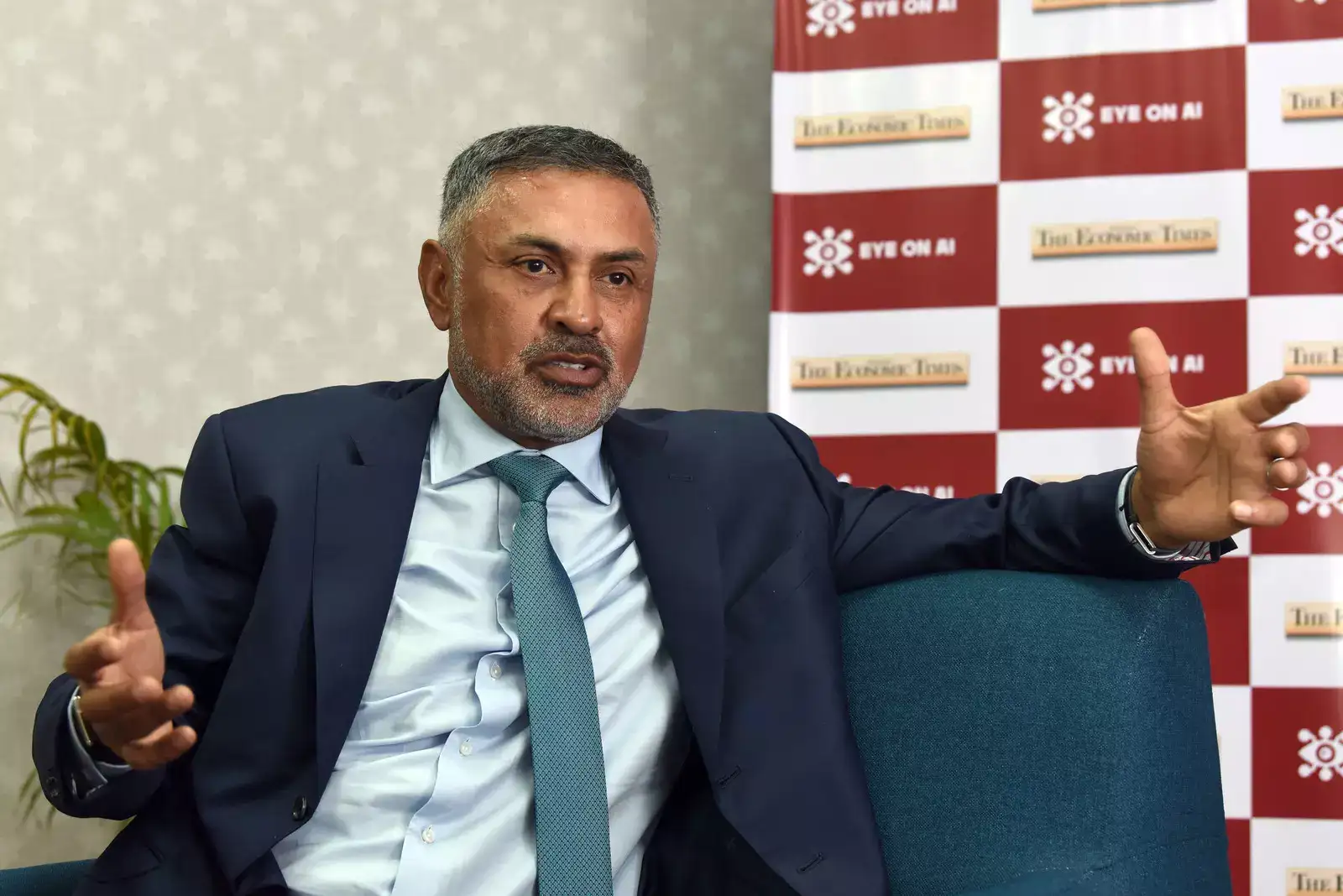 Nikesh Arora, CEO, Palo Alto Networks
Predictions that artificial intelligence will wipe out most jobs are overblown, according to Nikesh Arora, chairman and CEO of cybersecurity firm Palo Alto Networks. “I don't think 80% of the jobs are going anywhere soon,” he said, arguing that human judgment and edge-case handling still limit full automation.
Security not at risk: Far from being disrupted, cybersecurity could expand in the AI era, Arora said. As enterprises deploy more models, agents and cloud systems, the attack surface grows — lifting demand for enforcement, monitoring and protection tools.
Also Read: AI could make traditional jobs obsolete by 2050: Vinod Khosla
Platform pivot: Since taking over in 2018, Arora has pushed Palo Alto Networks toward a subscription-led, platform model, rolling out over 120 products and closing major acquisitions such as CyberArk. The strategy has nearly quadrupled revenue and lifted the market cap to roughly $120 billion.
Also Read: Don't want AI to be one-size-fits-all: Meta's chief AI officer Alexander Wang
On valuations: Arora, a former SoftBank veteran, said he sees real utility in AI applications but warns that app-layer startups risk being outpaced as foundation models get smarter.
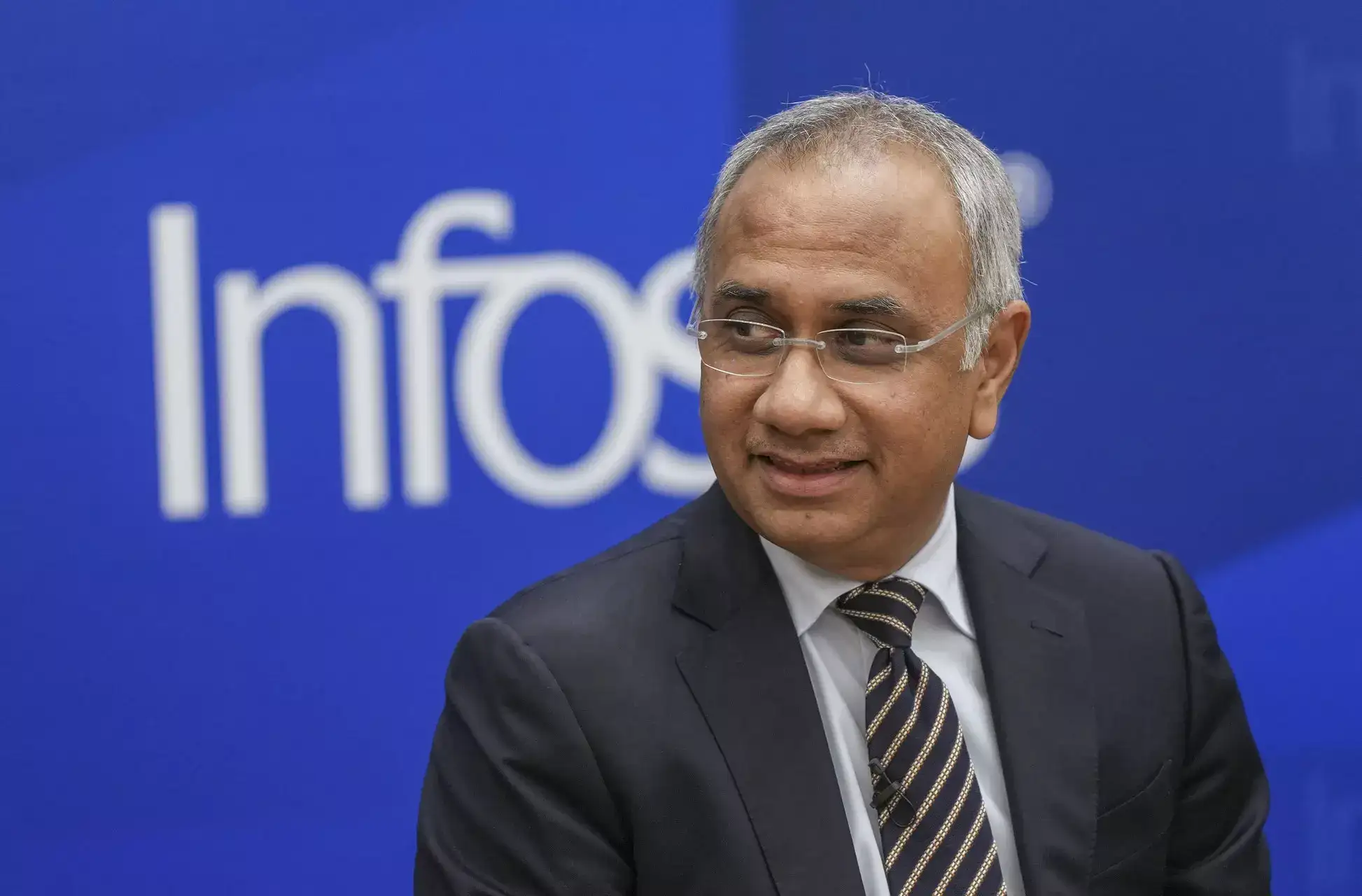 Salil Parekh, CEO, Infosys
The global tech services industry, worth $1.5 trillion, is not facing collapse, Infosys CEO Salil Parekh said at the India AI Impact Summit. He noted that while AI is squeezing margins in some areas, it is also opening up strong growth opportunities.
Edited excerpts:
On IT industry jobs: We see six areas of opportunity. If you look at the size of the tech services market, it's $1.5 trillion globally. Our analysis is that the AI services market is $300-400 billion. Going by this, it therefore stands to reason that far from getting decimated, the Indian IT industry will be thriving in 2030.
Also Read: IT services sector can thrive in the AI age if they reinvent: Julie Sweet, Accenture
On AI replacing coding: What is likely to happen with these technologies is that we need to coexist with them because they will not be replaced overnight. The foundational models are far ahead of the curve in terms of innovation. However, adoption within a large enterprise is slower. That is where our engineering expertise is necessary to ensure it functions effectively within your organisation.
Also Read: Tata's data centre business signs up OpenAI as customer
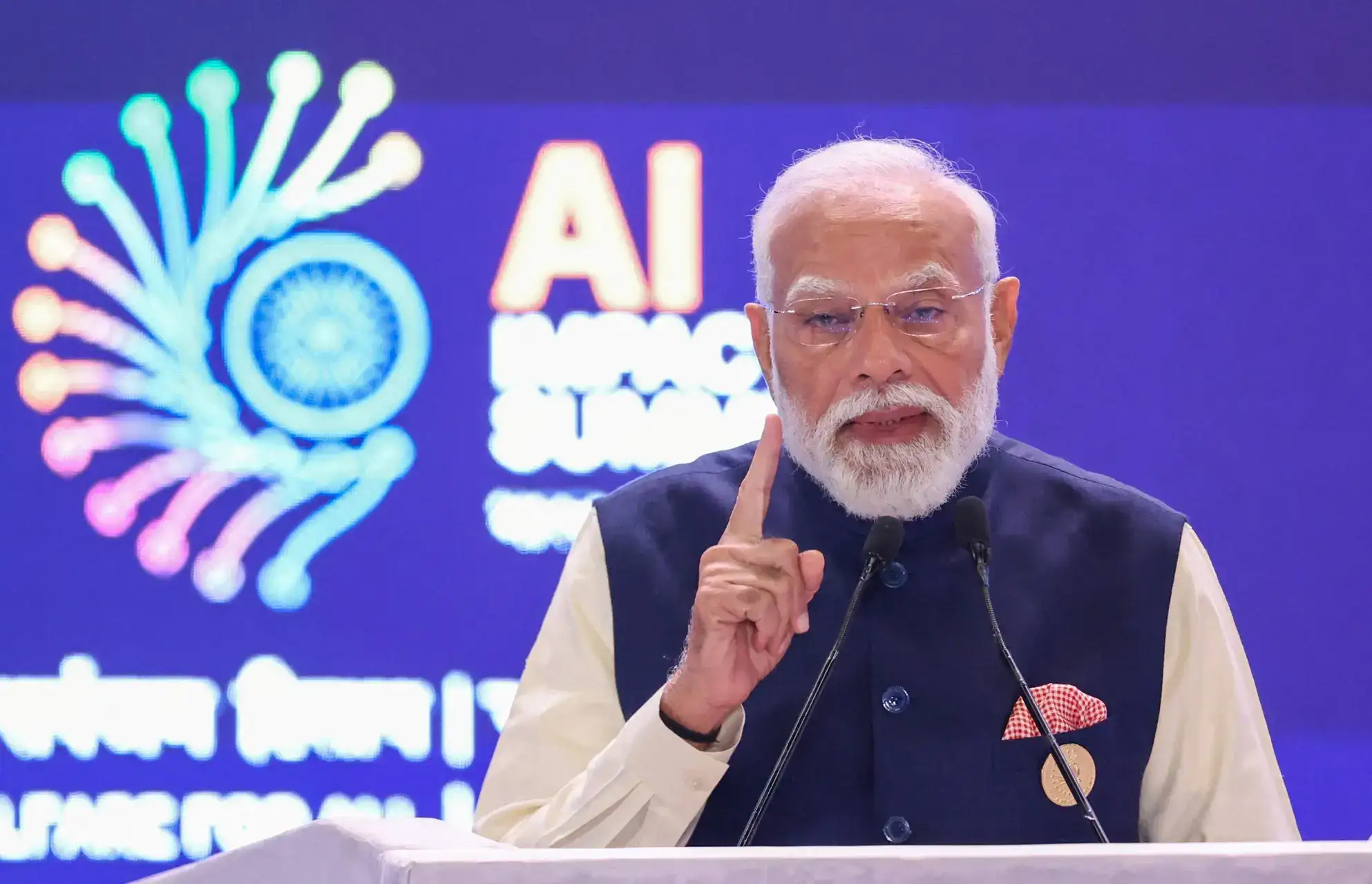
Prime Minister Narendra Modi, in his inaugural address at the Summit, urged businesses to create and build in India and supply the world. He highlighted the country's strong talent base and steady policies as key drivers of innovation.
On AI & India: Modi said India's diversity, demography and democracy give it a unique strength in developing AI. He added that the country has a secure and resilient ecosystem that is well-suited to building reliable AI solutions.
He stressed that AI must be made accessible to all and used to empower people. Humans, he said, should not be reduced to mere data points or raw material in the AI age.
Also Read: India announces commitments for inclusive and responsible AI
What else? The PM introduced his ‘MANAV Vision’ for AI, which stands for Moral and ethical systems, Accountable governance, National sovereignty, Accessible and inclusive, Valid and legitimate.
He also underlined the value of open source, saying AI can truly benefit the masses only when it is shared. While AI should have an “open sky” to grow, he cautioned that control must remain firmly in human hands, like a GPS guiding the way.
Also Read: Reliance to invest Rs 10 lakh crore in AI compute, energy, apps: Mukesh Ambani
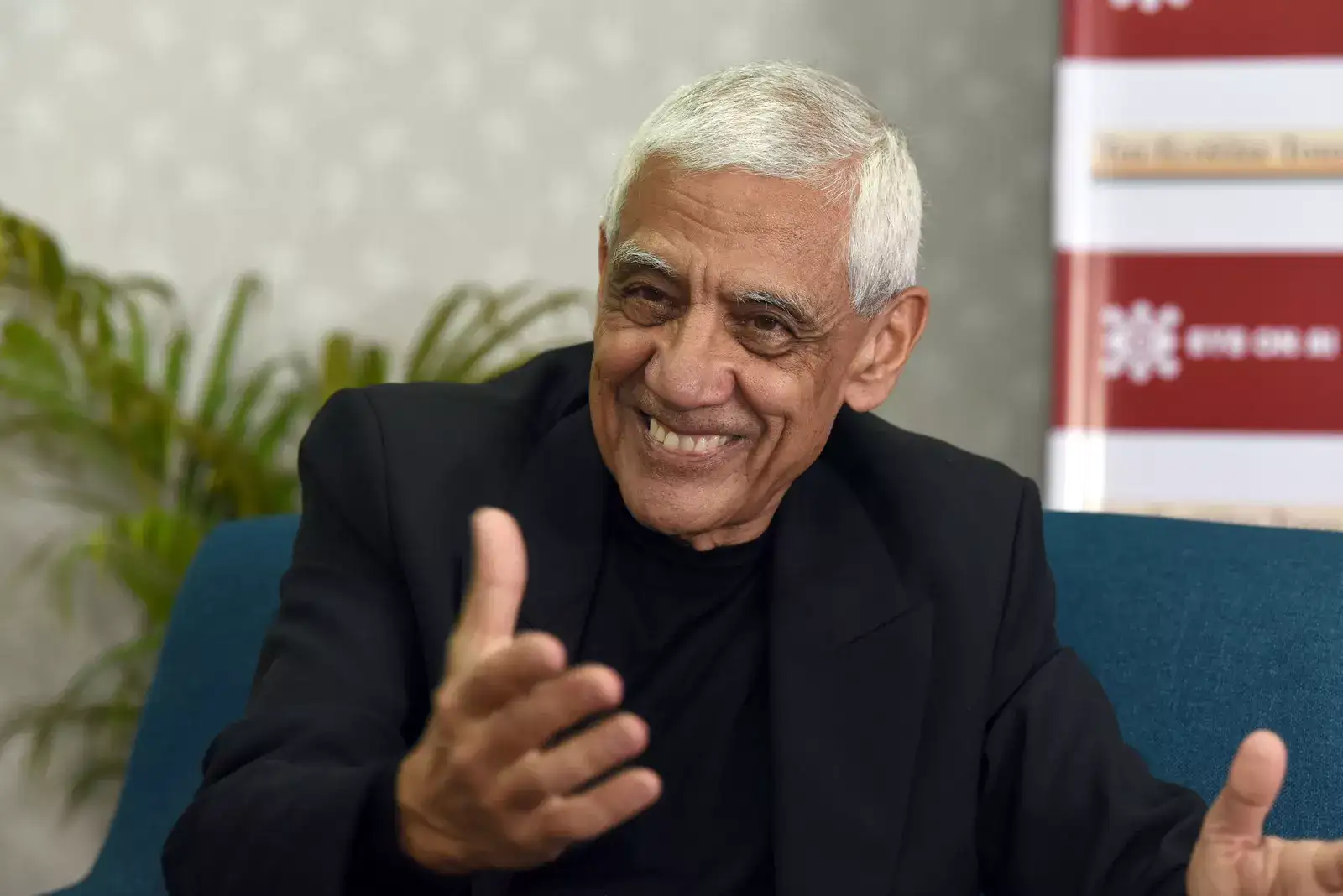
Vinod Khosla on AI integration: Billionaire venture capitalist Vinod Khosla, during his keynote address at the Summit, said India could use AI-powered tutors, primary-care doctors and agronomy advisors to serve 1.5 billion people within one to two years. He suggested integrating these services into the Aadhaar system, noting that high-quality AI solutions already exist and can be adapted adapted for India at low cost.
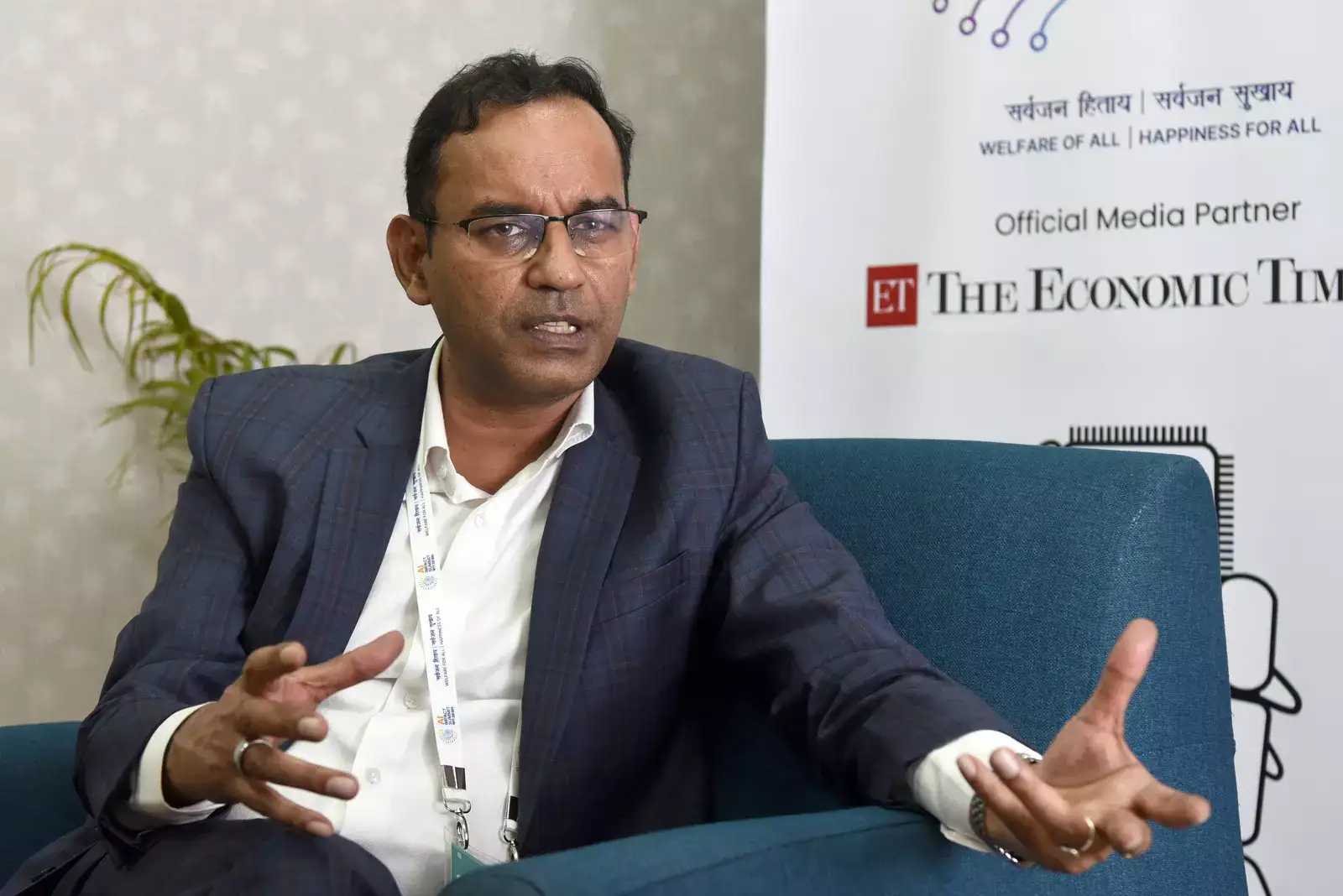 Manish Gupta, president, Dell Technologies India
Dell ups local content: Dell Technologies India is increasing the level of indigenised content in its made-in-India servers and aims to reach up to 50% domestic content in its Dell Pro 14 and Pro 14 Plus laptops under the PLI 2.0 scheme for IT hardware, president and MD Manish Gupta told ET during an interview.
He added that demand for AI-enabled PCs is growing at multiples of the rate of the wider PC market.
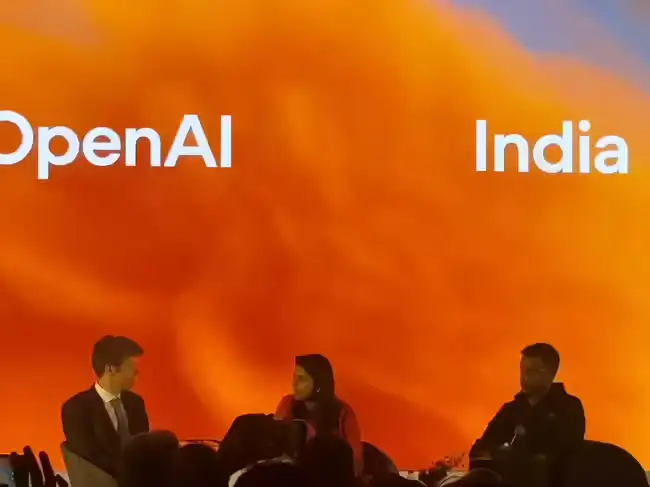
AI could have halved Zomato’s 18-year journey: Deepinder Goyal in chat with OpenAI’s Sam Altman | They outlined how AI is reshaping startup journeys and product development cycles. Both founders underscored that AI is no longer just an add-on feature but a foundational layer that is reshaping how companies are built and scaled.
Swiggy shutters 10-minute food delivery app Snacc due to profit pressures: Food and grocery platform Swiggy has shut down its 10-minute food delivery app Snacc after almost a year of operation, citing profit pressures, according to an internal company email that ET has seen.
■ Microsoft error sees confidential emails exposed to AI tool Copilot (BBC)
■ ‘Pew pew’: The Chinese companies marketing anti-drone weapons on TikTok (Wired)
■ Family deepfakes help people celebrate and grieve in India (Rest of the World)
Also in the letter:
■ Make in India: PM Modi
■ Goyal and Altman on AI shift
■ Swiggy's Snacc shuts shop
Most jobs are not going anywhere soon; AI is good for deterministic problems right now: Nikesh Arora
Predictions that artificial intelligence will wipe out most jobs are overblown, according to Nikesh Arora, chairman and CEO of cybersecurity firm Palo Alto Networks. “I don't think 80% of the jobs are going anywhere soon,” he said, arguing that human judgment and edge-case handling still limit full automation.
Security not at risk: Far from being disrupted, cybersecurity could expand in the AI era, Arora said. As enterprises deploy more models, agents and cloud systems, the attack surface grows — lifting demand for enforcement, monitoring and protection tools.
Also Read: AI could make traditional jobs obsolete by 2050: Vinod Khosla
Platform pivot: Since taking over in 2018, Arora has pushed Palo Alto Networks toward a subscription-led, platform model, rolling out over 120 products and closing major acquisitions such as CyberArk. The strategy has nearly quadrupled revenue and lifted the market cap to roughly $120 billion.
Also Read: Don't want AI to be one-size-fits-all: Meta's chief AI officer Alexander Wang
On valuations: Arora, a former SoftBank veteran, said he sees real utility in AI applications but warns that app-layer startups risk being outpaced as foundation models get smarter.
$1.5-trillion tech services industry is still standing: Infosys CEO Salil Parekh
The global tech services industry, worth $1.5 trillion, is not facing collapse, Infosys CEO Salil Parekh said at the India AI Impact Summit. He noted that while AI is squeezing margins in some areas, it is also opening up strong growth opportunities.
Edited excerpts:
On IT industry jobs: We see six areas of opportunity. If you look at the size of the tech services market, it's $1.5 trillion globally. Our analysis is that the AI services market is $300-400 billion. Going by this, it therefore stands to reason that far from getting decimated, the Indian IT industry will be thriving in 2030.
Also Read: IT services sector can thrive in the AI age if they reinvent: Julie Sweet, Accenture
On AI replacing coding: What is likely to happen with these technologies is that we need to coexist with them because they will not be replaced overnight. The foundational models are far ahead of the curve in terms of innovation. However, adoption within a large enterprise is slower. That is where our engineering expertise is necessary to ensure it functions effectively within your organisation.
Also Read: Tata's data centre business signs up OpenAI as customer
Design and develop in India and deliver to the world: Prime Minister Narendra Modi
Prime Minister Narendra Modi, in his inaugural address at the Summit, urged businesses to create and build in India and supply the world. He highlighted the country's strong talent base and steady policies as key drivers of innovation.
On AI & India: Modi said India's diversity, demography and democracy give it a unique strength in developing AI. He added that the country has a secure and resilient ecosystem that is well-suited to building reliable AI solutions.
He stressed that AI must be made accessible to all and used to empower people. Humans, he said, should not be reduced to mere data points or raw material in the AI age.
Also Read: India announces commitments for inclusive and responsible AI
What else? The PM introduced his ‘MANAV Vision’ for AI, which stands for Moral and ethical systems, Accountable governance, National sovereignty, Accessible and inclusive, Valid and legitimate.
He also underlined the value of open source, saying AI can truly benefit the masses only when it is shared. While AI should have an “open sky” to grow, he cautioned that control must remain firmly in human hands, like a GPS guiding the way.
Also Read: Reliance to invest Rs 10 lakh crore in AI compute, energy, apps: Mukesh Ambani
Vinod Khosla on AI integration: Billionaire venture capitalist Vinod Khosla, during his keynote address at the Summit, said India could use AI-powered tutors, primary-care doctors and agronomy advisors to serve 1.5 billion people within one to two years. He suggested integrating these services into the Aadhaar system, noting that high-quality AI solutions already exist and can be adapted adapted for India at low cost.
Dell ups local content: Dell Technologies India is increasing the level of indigenised content in its made-in-India servers and aims to reach up to 50% domestic content in its Dell Pro 14 and Pro 14 Plus laptops under the PLI 2.0 scheme for IT hardware, president and MD Manish Gupta told ET during an interview.
He added that demand for AI-enabled PCs is growing at multiples of the rate of the wider PC market.
Other Top Stories By Our Reporters
AI could have halved Zomato’s 18-year journey: Deepinder Goyal in chat with OpenAI’s Sam Altman | They outlined how AI is reshaping startup journeys and product development cycles. Both founders underscored that AI is no longer just an add-on feature but a foundational layer that is reshaping how companies are built and scaled.
Swiggy shutters 10-minute food delivery app Snacc due to profit pressures: Food and grocery platform Swiggy has shut down its 10-minute food delivery app Snacc after almost a year of operation, citing profit pressures, according to an internal company email that ET has seen.
Global Picks We Are Reading
■ Microsoft error sees confidential emails exposed to AI tool Copilot (BBC)
■ ‘Pew pew’: The Chinese companies marketing anti-drone weapons on TikTok (Wired)
■ Family deepfakes help people celebrate and grieve in India (Rest of the World)
Want this newsletter delivered to your inbox?
I agree to receive newsletters and marketing communications via e-mail