
 Morning Dispatch Morning Dispatch |
Google Cloud’s big India AI bet; Swiggy crosses key ownership threshold
Want this newsletter delivered to your inbox?
I agree to receive newsletters and marketing communications via e-mail

Thank you for subscribing to Morning Dispatch
We'll soon meet in your inbox.
Google Cloud is supercharging its India bet with a local AI play and a potential manufacturing push. This and more in today’s ETtech Morning Dispatch.
Also in the letter:
■ RBI’s latest interoperability bet
■ Mid-year sales set festive stage
■ Koo cofounder shuts PicSee
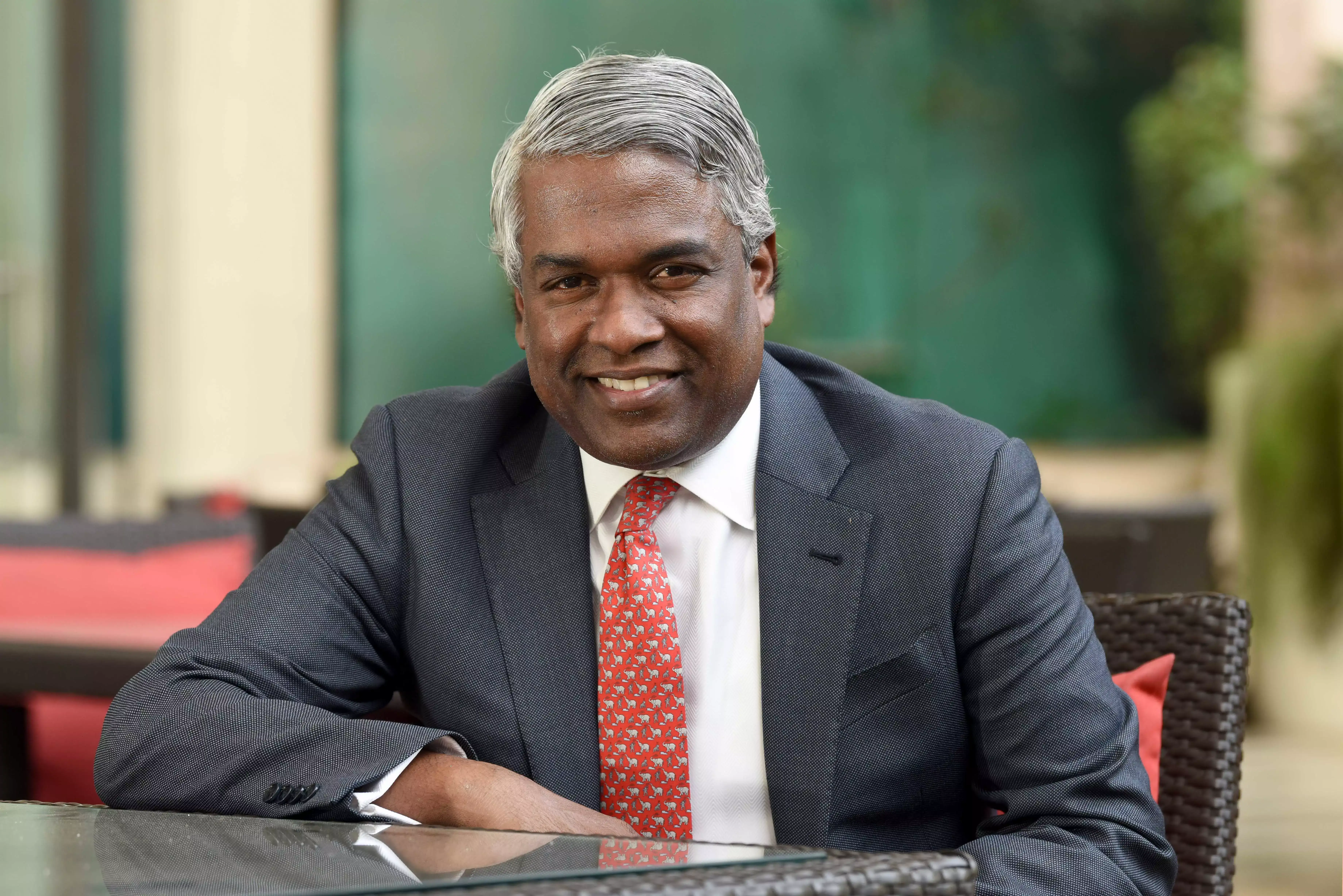 Thomas Kurian, global chief of cloud, Google
Google Cloud is doubling down on India – and on AI. CEO Thomas Kurian told us the company will offer its latest AI models locally in India, as part of a broader push around data sovereignty and compliance.
With annual revenue nearing $80 billion, Google Cloud is also evaluating whether to manufacture AI servers in India. Kurian is in the country meeting partners and scouting the ecosystem. Edited excerpts:
On India plans: We are working to provide sovereign infrastructure for AI in India, building an ecosystem of expertise so India becomes a producer of AI, not just a consumer, and helping leading companies including Sarvam, Pocket FM, HDFC, TCS and Wipro roll out AI at scale. India is a large market for us.
On topping up the $15 billion data centre investment: Our goals are first to get the existing data centre up and running. Constructing such a large infrastructure is not easy--we have great partners working with us, and we have an aggressive schedule, so we're very focused on getting that live.
Also Read: Google to invest $15 billion in AI data centre in biggest India investment
On AI server manufacturing: India has come much further along in its manufacturing supply chain. We have teams on the ground in India regularly reviewing it because we think there's an opportunity to do things. Part of my visit is also to evaluate some of these things.
 Sriharsha Majety, CEO, Swiggy
Swiggy has crossed a key threshold on its way to becoming an Indian-owned and controlled company (IOCC), with foreign shareholding now below 50%.
What's changed:
The Reserve Bank of India is forcing interoperability in the Trade Receivables e-Discounting System (TReDS) to break concentration, create liquidity, and build a more unified financing market for MSMEs.
Why this move: RXIL, Invoicemart, and M1xchange – the first three operators of the central bank-backed invoice discounting system – account for around 90% of TReDS transactions as of May, according to RBI data.
RBI wants to avoid concentration risks similar to those in UPI and encourage broader participation. Interoperability is a key pillar of the RBI’s Payments Vision 2028 roadmap.
What interoperability means:

Amazon’s Prime Day and Flipkart’s GOAT sale have kicked off the mid-year sales season, throwing up mixed signals across categories and offering an early read on festive demand, according to industry experts and analysts.
Kicking off sales: This year, Amazon Prime Day saw 1.5x to 2x year-on-year (YoY) growth in order volume, with beauty and personal care, electronics, appliances, and home decor leading the charge, according to data from market intelligence platform Datum Intelligence.
Global uncertainty-linked price hikes linked to the West Asia conflict were expected to weigh on demand in Q1 and Q2 of FY27. Instead, brands and analysts now expect consumer sentiment to strengthen as the festive season approaches.
Yes, and:
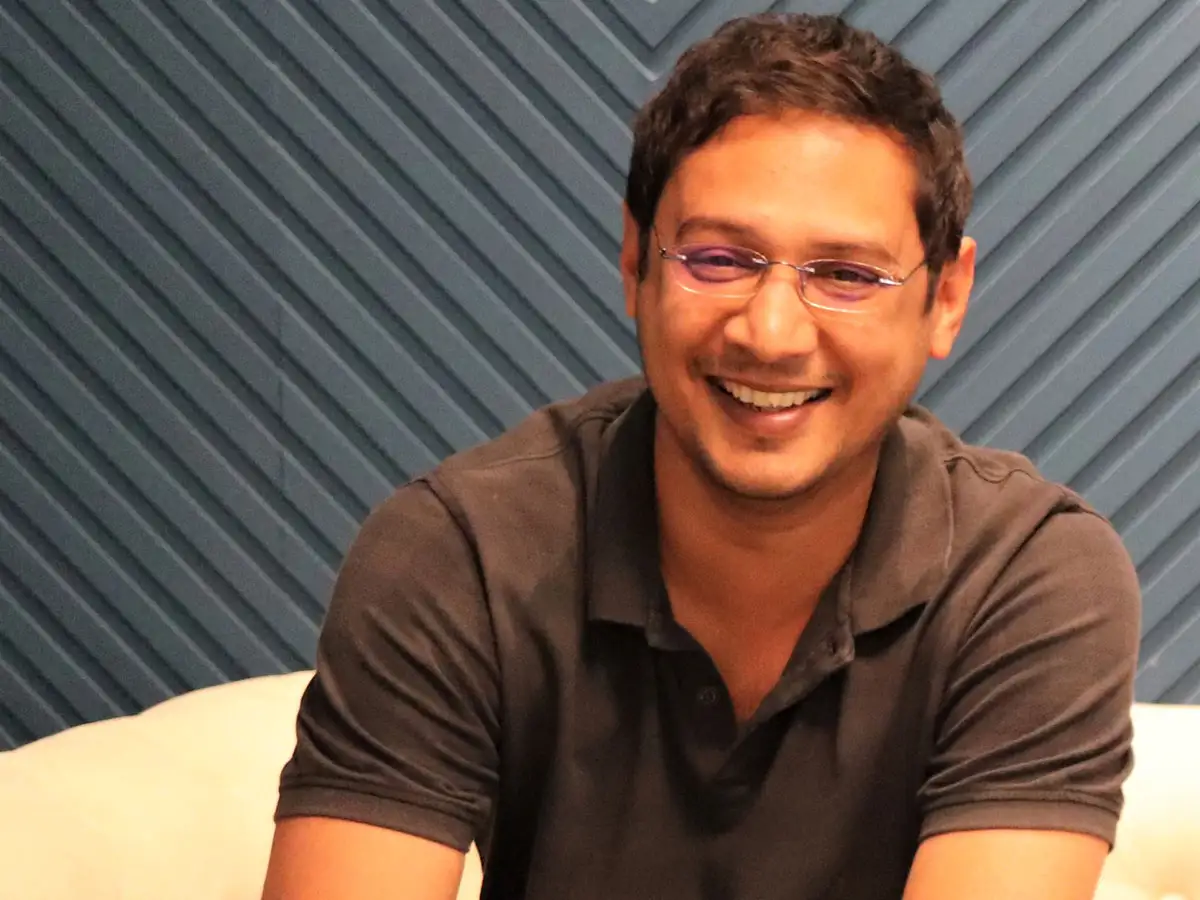
Koo cofounder shuts down new venture PicSee: Mayank Bidawatka, cofounder of vernacular microblogging platform Koo, has shut down his latest venture PicSee, an AI-powered photo-sharing app, less than a year after launch.
CCI clears Upgrad-Unacademy merger: India’s competition regulator has cleared Ronnie Screwvala-led Upgrad’s proposed merger with Unacademy, removing a key procedural hurdle for one of the largest consolidation moves in the edtech sector after the pandemic-led online learning boom unravelled.
Rainmatter invests in Econovus: Sustainable industrial packaging startup Econovus Packaging has raised Rs 40 crore in a funding round led by Rainmatter by Zerodha, with participation from Rockstud Capital.
■ China’s AI lab Zhipu weighs custom chip as demand for its GLM model soars (The Information)
■ People used to control machines. They don’t anymore (Wired)
■ Top banking watchdogs issue stark warning over AI-driven cyber attacks (FT)
Also in the letter:
■ RBI’s latest interoperability bet
■ Mid-year sales set festive stage
■ Koo cofounder shuts PicSee
Google to host AI models in India for sovereignty push: Google Cloud CEO Thomas Kurian
Google Cloud is doubling down on India – and on AI. CEO Thomas Kurian told us the company will offer its latest AI models locally in India, as part of a broader push around data sovereignty and compliance.
With annual revenue nearing $80 billion, Google Cloud is also evaluating whether to manufacture AI servers in India. Kurian is in the country meeting partners and scouting the ecosystem. Edited excerpts:
On India plans: We are working to provide sovereign infrastructure for AI in India, building an ecosystem of expertise so India becomes a producer of AI, not just a consumer, and helping leading companies including Sarvam, Pocket FM, HDFC, TCS and Wipro roll out AI at scale. India is a large market for us.
On topping up the $15 billion data centre investment: Our goals are first to get the existing data centre up and running. Constructing such a large infrastructure is not easy--we have great partners working with us, and we have an aggressive schedule, so we're very focused on getting that live.
Also Read: Google to invest $15 billion in AI data centre in biggest India investment
On AI server manufacturing: India has come much further along in its manufacturing supply chain. We have teams on the ground in India regularly reviewing it because we think there's an opportunity to do things. Part of my visit is also to evaluate some of these things.
Swiggy becomes majority Indian-owned as foreign shareholding drops below 50%
Swiggy has crossed a key threshold on its way to becoming an Indian-owned and controlled company (IOCC), with foreign shareholding now below 50%.
What's changed:
- Foreign investors now hold 49.76% of its paid-up equity capital on a fully diluted basis as of July 6, according to a stock exchange filing.
- Swiggy said this shift does not change its ownership structure on its own and that it will disclose any material developments separately.
- Under India's Foreign Exchange Management Act (FEMA), a company is an IOCC only if it is owned and controlled by resident Indian citizens or eligible Indian entities.
- IOCC status would allow Swiggy's quick commerce arm Instamart to own inventory directly and operate with fewer FDI restrictions.
- Despite Indian shareholding crossing 50%, Swiggy is not yet an IOCC.
- To secure this, a majority of Swiggy's board must comprise Indian directors. A proposal to make this change was voted down by shareholders in May.
- The company will now need to seek approval from the Reserve Bank of India to cap foreign shareholding at 49.5%.
RBI is pushing interoperability in TReDS platform as three players dominate sector
The Reserve Bank of India is forcing interoperability in the Trade Receivables e-Discounting System (TReDS) to break concentration, create liquidity, and build a more unified financing market for MSMEs.
Why this move: RXIL, Invoicemart, and M1xchange – the first three operators of the central bank-backed invoice discounting system – account for around 90% of TReDS transactions as of May, according to RBI data.
RBI wants to avoid concentration risks similar to those in UPI and encourage broader participation. Interoperability is a key pillar of the RBI’s Payments Vision 2028 roadmap.
What interoperability means:
- Businesses on one TReDS platform will be able to transact with participants on other platforms.
- Lenders will be able to finance invoices across platforms, deepening liquidity and competition,
- Smaller platforms and newer entrants should get better access to financiers, reducing their reliance on a few large banks.
- The RBI operationalised the TReDS platform in 2016-17.
- In FY25, it added two players – Bengaluru-based fintech startup KredX and C2FO Factoring Solutions.
- In May 2026, TReDS platforms financed about Rs 33 lakh crore worth of trades, according to RBI data. The top three accounted for Rs 30 lakh crore of this.
Mid-year ecommerce sales set the stage for upcoming festive season
Amazon’s Prime Day and Flipkart’s GOAT sale have kicked off the mid-year sales season, throwing up mixed signals across categories and offering an early read on festive demand, according to industry experts and analysts.
Kicking off sales: This year, Amazon Prime Day saw 1.5x to 2x year-on-year (YoY) growth in order volume, with beauty and personal care, electronics, appliances, and home decor leading the charge, according to data from market intelligence platform Datum Intelligence.
Global uncertainty-linked price hikes linked to the West Asia conflict were expected to weigh on demand in Q1 and Q2 of FY27. Instead, brands and analysts now expect consumer sentiment to strengthen as the festive season approaches.
Yes, and:
- D2C sleep solutions company SleepyCat clocked a 2x YoY jump in ecommerce sales.
- Luggage brand Nasher Miles reported Amazon Prime Day sales at around 16-20x its average ecommerce business.
Other Top Stories By Our Reporters
Koo cofounder shuts down new venture PicSee: Mayank Bidawatka, cofounder of vernacular microblogging platform Koo, has shut down his latest venture PicSee, an AI-powered photo-sharing app, less than a year after launch.
CCI clears Upgrad-Unacademy merger: India’s competition regulator has cleared Ronnie Screwvala-led Upgrad’s proposed merger with Unacademy, removing a key procedural hurdle for one of the largest consolidation moves in the edtech sector after the pandemic-led online learning boom unravelled.
Rainmatter invests in Econovus: Sustainable industrial packaging startup Econovus Packaging has raised Rs 40 crore in a funding round led by Rainmatter by Zerodha, with participation from Rockstud Capital.
Global Picks We Are Reading
■ China’s AI lab Zhipu weighs custom chip as demand for its GLM model soars (The Information)
■ People used to control machines. They don’t anymore (Wired)
■ Top banking watchdogs issue stark warning over AI-driven cyber attacks (FT)
Want this newsletter delivered to your inbox?
I agree to receive newsletters and marketing communications via e-mail