
 Morning Dispatch Morning Dispatch |
Bira 91’s Ankur Jain steps down; Data centre safety under review
Want this newsletter delivered to your inbox?
I agree to receive newsletters and marketing communications via e-mail

Thank you for subscribing to Morning Dispatch
We'll soon meet in your inbox.
Happy Wednesday! Bira 91 maker B9 Beverages founder Ankur Jain has stepped down from the board. This and more in today’s ETtech Morning Dispatch.
Also in the letter:
■ BlueStone, Paytm growth plans
■ Even Healthcare eyes fundraise
■ Ather raises funds via QIP
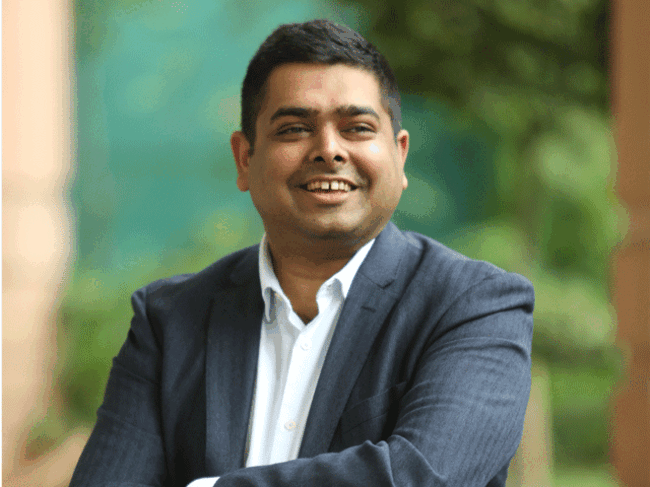
B9 Beverages founder Ankur Jain told us in an exclusive chat that he has stepped down from the company’s board after reaching a settlement with institutional shareholders and lenders, ending a two-year dispute.
Details:
Quote, unquote: “We ran into rough weather in the last two years, however, with this resolution, the business will enter into a new phase of its growth, a phase in which I will be cheering for the Company and the brand from the sidelines,” he said.
Also Read: Exclusive: Bira maker B9 Beverages delays interest payouts amid liquidity issues
Big picture: Bira 91’s problems were tied to losses from an IPO-related name change, higher marketing spends, expensive sponsorships, salaries and brewery expansion beyond demand.
B9 Beverages had borrowed heavily from lenders including Anicut Capital and Hero Corporate Services’ family office, with debt rising to about Rs 1,000 crore. Jain had personally guaranteed some of these loans.
Also Read: 'I am willing to step down for company's sake': B9 Beverages' Ankur Jain

The government has started reviewing data centre policies in 15 states to tighten safety rules and close gaps between global standards and domestic practices, officials told us.
Driving the news: The move follows last month’s fire at a New Delhi data centre owned by ST Telemedia and Tata Communications, which caused major damage and made data recovery difficult.
With the absence of a national data centre policy, state rules are the framework for the sector.
“We are studying the state policies to better identify the triggers for these kinds of accidents. In case there are gaps in the policies, they will be addressed. State governments and the private sector will be advised. Further meetings will be scheduled,” a senior official told us.
Industry suggestions: A Mumbai-based industry executive who took part in the consultations said the industry already operates with global certifications like Uptime/TIA942. “Most companies have asked the government to use these as a baseline for framing potential additional guidelines, if needed in certain cases,” he said.
Industry body Nasscom has suggested a tiered, risk-based assessment for data centres.
What next: ET reported after the fire that the industry was focussing on fire suppression systems, upgraded electrical infrastructure, deploying high-density racks to efficiently support increased AI workloads.
Also Read: TCS acquires land in Vizag, Pune for OpenAI data sites
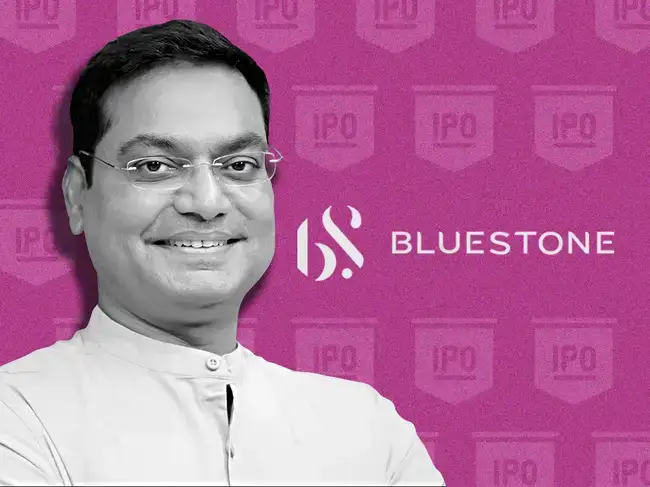 Gaurav Singh Kushwaha, CEO, BlueStone
Omnichannel jewellery retailer BlueStone is doubling down on its strategy to increase margins through its company-owned and company-operated (COCO) stores and in-house manufacturing capabilities to drive growth, founder and CEO Gaurav Singh Kushwaha told us.
Quote, unquote: “We were online-only for the first six or seven years. Then we realised that while online lets customers explore designs, but for conversions, stores still work very well. That’s how we became one of the two truly omnichannel players in this category,” Kushwaha told us.
Expansion plans: BlueStone plans to reach 700-800 stores and Rs 12,000 crore in revenue in the next four years. Its store count stood at 352 at the end of June, up from 340 stores at the end of FY26.
Financials:
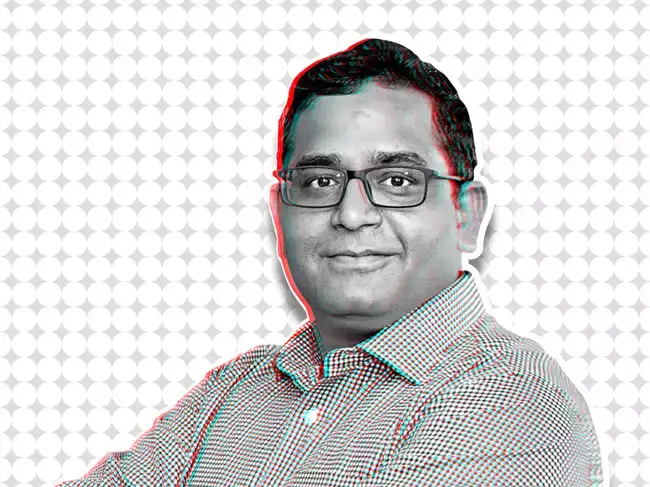 Vijay Shekhar Sharma, CEO, Paytm
Following its June-quarter results, digital payments company Paytm plans to monetise from its artificial intelligence (AI) tools within the next year by selling them to merchants and enterprises.
AI revenue:
Financials:
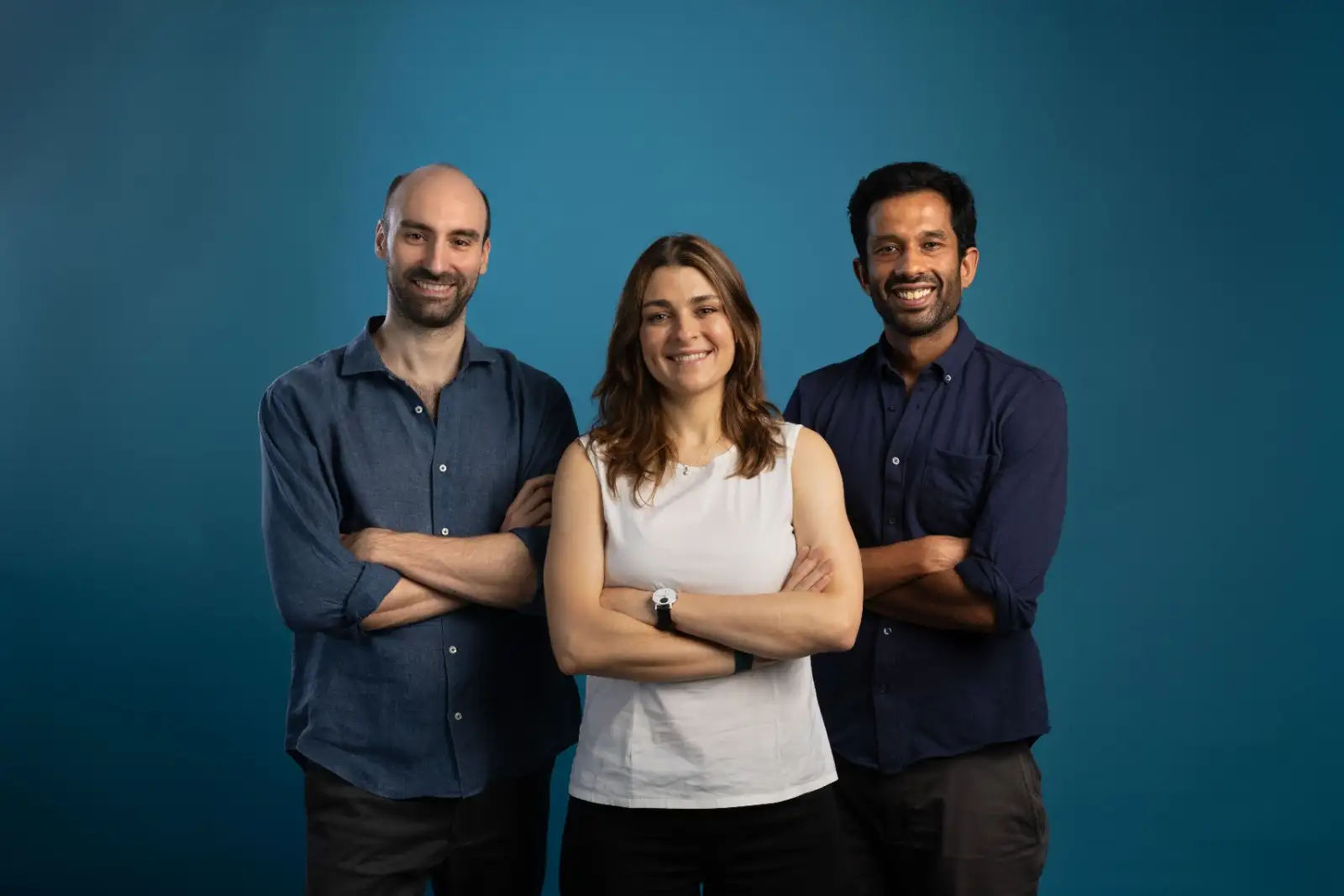 (L-R) Alessandro Ialongo, Matilde Giglio and Mayank Banerjee, founders, Even Healthcare
Even Healthcare eyes fundraise: Even Healthcare, which offers subscription-based healthcare services and insurance, is in talks to raise about $50 million in a Series B funding round led by its existing investor Khosla Ventures, people aware of the matter told us.
Ather Energy raises funds via QIP: Electric two-wheeler maker Ather Energy Limited has closed a qualified institutional placement (QIP), raising approximately Rs 1,300 crore by allotting 1,08,15,307 equity shares to eligible institutional buyers at Rs 1,202 per share, the company said in a stock exchange filing on Monday.
■ The army is burning through its AI tokens (Wired)
■ Samsung is the new memory chip underdog—for now (The Information)
■ China’s AI talent race is starting in high school (Rest of World)
Also in the letter:
■ BlueStone, Paytm growth plans
■ Even Healthcare eyes fundraise
■ Ather raises funds via QIP
Bira 91 founder Ankur Jain exits board after settlement
B9 Beverages founder Ankur Jain told us in an exclusive chat that he has stepped down from the company’s board after reaching a settlement with institutional shareholders and lenders, ending a two-year dispute.
Details:
- Jain and the promoter family will give up executive powers.
- In return, he will be freed from personal liabilities linked to the company. All legal cases between the parties will be withdrawn.
- The company will undergo a recapitalisation with existing investors and resumption of operations over the next 3-6 months.
Quote, unquote: “We ran into rough weather in the last two years, however, with this resolution, the business will enter into a new phase of its growth, a phase in which I will be cheering for the Company and the brand from the sidelines,” he said.
Also Read: Exclusive: Bira maker B9 Beverages delays interest payouts amid liquidity issues
Big picture: Bira 91’s problems were tied to losses from an IPO-related name change, higher marketing spends, expensive sponsorships, salaries and brewery expansion beyond demand.
B9 Beverages had borrowed heavily from lenders including Anicut Capital and Hero Corporate Services’ family office, with debt rising to about Rs 1,000 crore. Jain had personally guaranteed some of these loans.
Also Read: 'I am willing to step down for company's sake': B9 Beverages' Ankur Jain
Delhi data centre fire sparks nationwide operations safety review
The government has started reviewing data centre policies in 15 states to tighten safety rules and close gaps between global standards and domestic practices, officials told us.
Driving the news: The move follows last month’s fire at a New Delhi data centre owned by ST Telemedia and Tata Communications, which caused major damage and made data recovery difficult.
With the absence of a national data centre policy, state rules are the framework for the sector.
“We are studying the state policies to better identify the triggers for these kinds of accidents. In case there are gaps in the policies, they will be addressed. State governments and the private sector will be advised. Further meetings will be scheduled,” a senior official told us.
Industry suggestions: A Mumbai-based industry executive who took part in the consultations said the industry already operates with global certifications like Uptime/TIA942. “Most companies have asked the government to use these as a baseline for framing potential additional guidelines, if needed in certain cases,” he said.
Industry body Nasscom has suggested a tiered, risk-based assessment for data centres.
What next: ET reported after the fire that the industry was focussing on fire suppression systems, upgraded electrical infrastructure, deploying high-density racks to efficiently support increased AI workloads.
Also Read: TCS acquires land in Vizag, Pune for OpenAI data sites
BlueStone looks at store expansion, in-house manufacturing to drive growth
Omnichannel jewellery retailer BlueStone is doubling down on its strategy to increase margins through its company-owned and company-operated (COCO) stores and in-house manufacturing capabilities to drive growth, founder and CEO Gaurav Singh Kushwaha told us.
Quote, unquote: “We were online-only for the first six or seven years. Then we realised that while online lets customers explore designs, but for conversions, stores still work very well. That’s how we became one of the two truly omnichannel players in this category,” Kushwaha told us.
Expansion plans: BlueStone plans to reach 700-800 stores and Rs 12,000 crore in revenue in the next four years. Its store count stood at 352 at the end of June, up from 340 stores at the end of FY26.
Financials:
- Net profit at Rs 6 crore against a Rs 34.8 crore net loss reported a year ago.
- Sequentially, its net profit dropped by about 80% from Rs 31 crore in the March quarter.
- Operating revenue rose 70% on-year to Rs 737 crore, up from Rs 493 crore a year ago.
Paytm to monetise in-house AI tools, sharpen wealth push
Following its June-quarter results, digital payments company Paytm plans to monetise from its artificial intelligence (AI) tools within the next year by selling them to merchants and enterprises.
AI revenue:
- Chief executive Vijay Shekhar Sharma said some AI products are already generating a few lakh rupees in revenue.
- The company is building AI tools for merchant acquisition, customer service, engagement, collections and retention for businesses.
- Paytm has fine-tuned open-source models and runs them on its own infrastructure to cut computing and customer support costs.
- Revenue from these tools will be reported under its commerce and cloud business.
Financials:
- Net profit: Rose 79% year-on-year to Rs 220 crore.
- Operating revenue: Grew to Rs 2,448 crore.
Other Top Stories By Our Reporters
Even Healthcare eyes fundraise: Even Healthcare, which offers subscription-based healthcare services and insurance, is in talks to raise about $50 million in a Series B funding round led by its existing investor Khosla Ventures, people aware of the matter told us.
Ather Energy raises funds via QIP: Electric two-wheeler maker Ather Energy Limited has closed a qualified institutional placement (QIP), raising approximately Rs 1,300 crore by allotting 1,08,15,307 equity shares to eligible institutional buyers at Rs 1,202 per share, the company said in a stock exchange filing on Monday.
Global Picks We Are Reading
■ The army is burning through its AI tokens (Wired)
■ Samsung is the new memory chip underdog—for now (The Information)
■ China’s AI talent race is starting in high school (Rest of World)
Want this newsletter delivered to your inbox?
I agree to receive newsletters and marketing communications via e-mail