Chinese smartphone maker Coolpad to enter India this month; take on Xiaomi, Motorola
Headquartered in Shenzen, Coolpad, which makes its own devices, intends to set up a research & development centre, likely in Bengaluru.
By Gulveen Aulakh, ET Bureau | Updated:

NEW DELHI: Chinese smartphone maker Coolpad is set to enter the fast-growing Indian market this month, selling its Dazen brand of affordable devices online and taking on the likes of Xiaomi and Motorola, which have struck it rich by offering products on websites.
Headquartered in Shenzen, Coolpad, which makes its own devices, intends to set up a research & development centre, likely in Bengaluru, and build a phone manufacturing unit in India to cater to local market as it estimates demand from the online consumer segment to rise exponentially, helping it to become market leader in online-only segment.
"We will use the strengths of Coolpad as a manufacturer and innovator. The intent is to build a software and services ecosystem solving needs of our customers that are mostly online buyers," said Varun Sharma, the newly appointed chief executive officer of Coolpad’s India operations.
"There’s a lot of patented technology we’re building for India, which will cater to the local market and other South Asian countries that we plan to launch in the future," said Sharma, the former director of strategic brand alliances at e-commerce portal Flipkart.
Coolpad owns about 5,500 patents, including dual-SIM, in mobile phones. Sharma did not disclose the nature of the patents that are in the process of being filed locally. India is rapidly becoming a hotbed for international smartphone makers as they tap the fast-growing market where a large number of customers with high levels of disposable income seek more value for the money they spend on devices.
Xiaomi, which entered India last July, now has a 4% market share on the back of its feature-packed yet lowcost devices sold through flash sales online. The company has since also started to sell smartphones through offline retail stores.
Other Chinese players including Huawei and ZTE have also tapped into the Indian smartphone market, which clocked 20 million shipments in the January to March quarter 2015.
Coolpad has pegged its global fortunes on India where it will sell smartphones inRs 5,000 to sub-Rs 20,000 range under the Dazen brand. It wants to be among the top three online selling brands in India by December, and No. 1 in the segment within two to three years.
While Coolpad missed the online sales opportunity in China, its rivals, primarily Xiaomi, used it extensively to displace market leader Samsung last year.
The company, which is among the leading 4G LTE device makers in China, slipped to No. 5 position with a 9.4% market share in China last year from No. 3 with a 10.7% share in 2013, as per International Data Corporation.
In order to revive sales, especially online, Coolpad tied up with China’s second-biggest search engine Qihoo 360 three months ago.
Headquartered in Shenzen, Coolpad, which makes its own devices, intends to set up a research & development centre, likely in Bengaluru, and build a phone manufacturing unit in India to cater to local market as it estimates demand from the online consumer segment to rise exponentially, helping it to become market leader in online-only segment.
"We will use the strengths of Coolpad as a manufacturer and innovator. The intent is to build a software and services ecosystem solving needs of our customers that are mostly online buyers," said Varun Sharma, the newly appointed chief executive officer of Coolpad’s India operations.
"There’s a lot of patented technology we’re building for India, which will cater to the local market and other South Asian countries that we plan to launch in the future," said Sharma, the former director of strategic brand alliances at e-commerce portal Flipkart.
Coolpad owns about 5,500 patents, including dual-SIM, in mobile phones. Sharma did not disclose the nature of the patents that are in the process of being filed locally. India is rapidly becoming a hotbed for international smartphone makers as they tap the fast-growing market where a large number of customers with high levels of disposable income seek more value for the money they spend on devices.
Xiaomi, which entered India last July, now has a 4% market share on the back of its feature-packed yet lowcost devices sold through flash sales online. The company has since also started to sell smartphones through offline retail stores.
ADVERTISEMENT
Other Chinese players including Huawei and ZTE have also tapped into the Indian smartphone market, which clocked 20 million shipments in the January to March quarter 2015.
Coolpad has pegged its global fortunes on India where it will sell smartphones inRs 5,000 to sub-Rs 20,000 range under the Dazen brand. It wants to be among the top three online selling brands in India by December, and No. 1 in the segment within two to three years.
While Coolpad missed the online sales opportunity in China, its rivals, primarily Xiaomi, used it extensively to displace market leader Samsung last year.
The company, which is among the leading 4G LTE device makers in China, slipped to No. 5 position with a 9.4% market share in China last year from No. 3 with a 10.7% share in 2013, as per International Data Corporation.
ADVERTISEMENT
In order to revive sales, especially online, Coolpad tied up with China’s second-biggest search engine Qihoo 360 three months ago.
Download
The Economic Times Business News App for the Latest News in Business, Sensex, Stock Market Updates & More.
The Economic Times Business News App for the Latest News in Business, Sensex, Stock Market Updates & More.
Download
The Economic Times News App for Quarterly Results, Latest News in ITR, Business, Share Market, Live Sensex News & More.
The Economic Times News App for Quarterly Results, Latest News in ITR, Business, Share Market, Live Sensex News & More.
Related Articles
 Not seeking to suppress legitimate product reviews, consumer feedback: Motorola on defamation case2026-04-17T10:20:24Z
- Motorola seeks removal of YouTube, Instagram, X content in defamation case2026-04-16T19:06:02Z
- Motorola Edge 70 Fusion Review: Great design, but performance holds it back2026-03-16T16:44:44Z
Anupam Saxena, TOI Tech
Ever since its debut in the Indian market, Xiaomi has managed to capture not just market share but also a good brand recall, which is commendable for a brand that entered the market in July 2014.
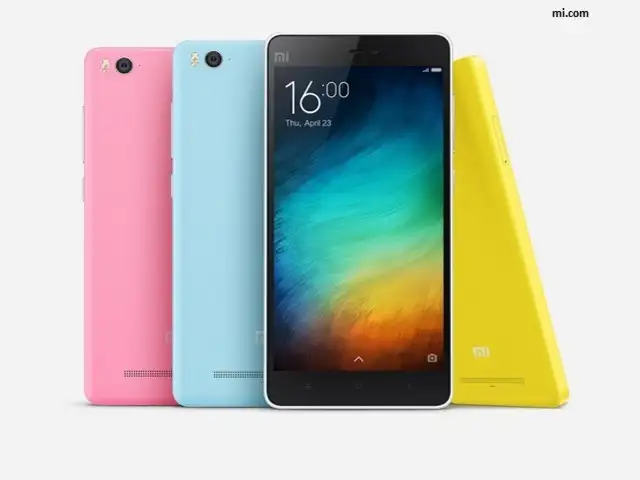
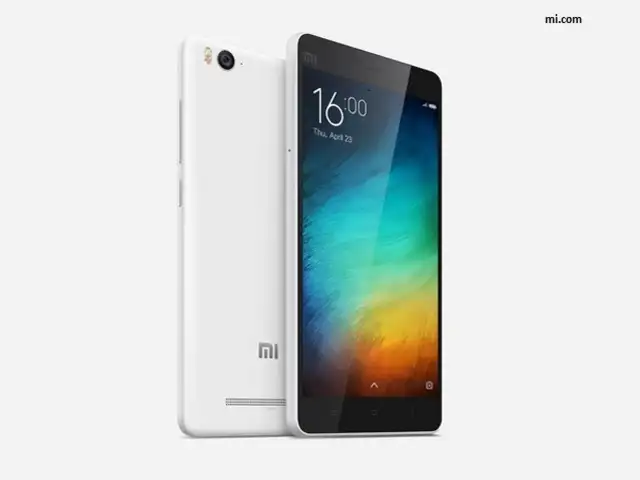
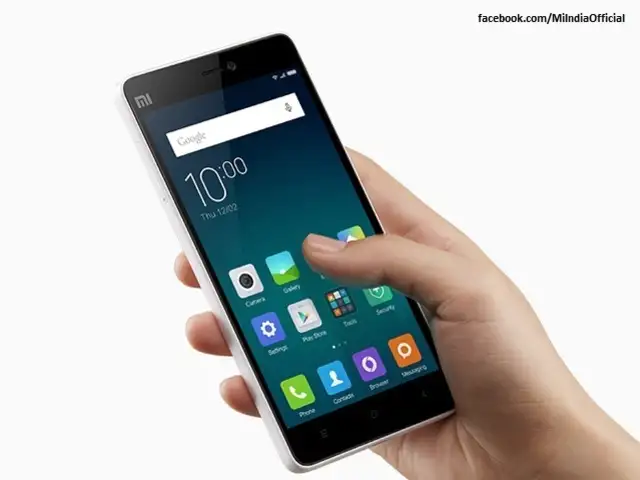
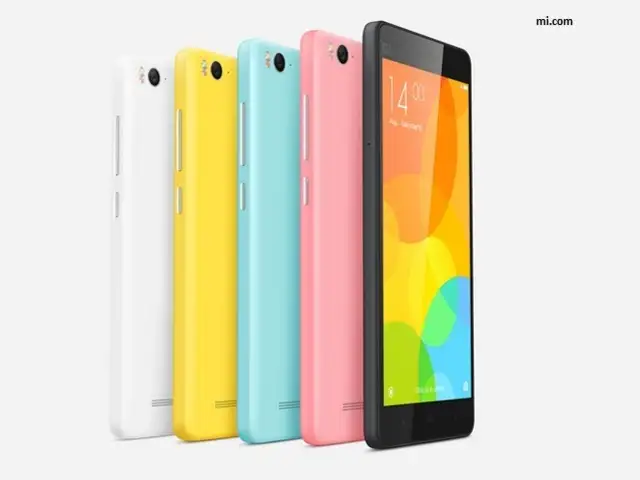
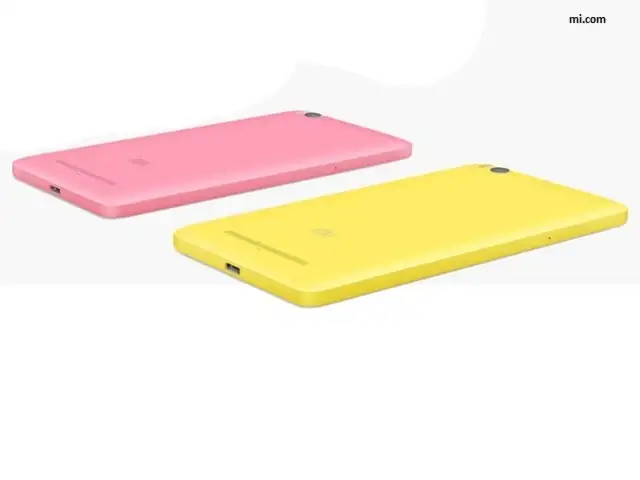
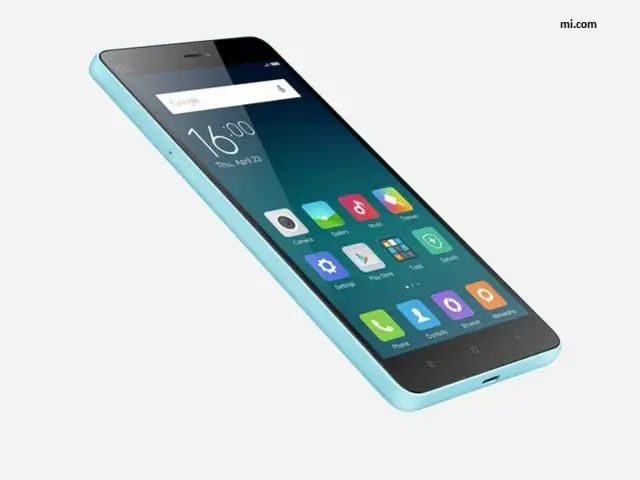
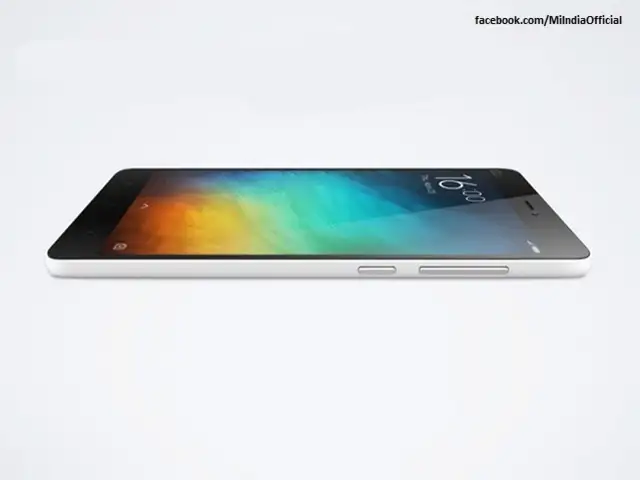
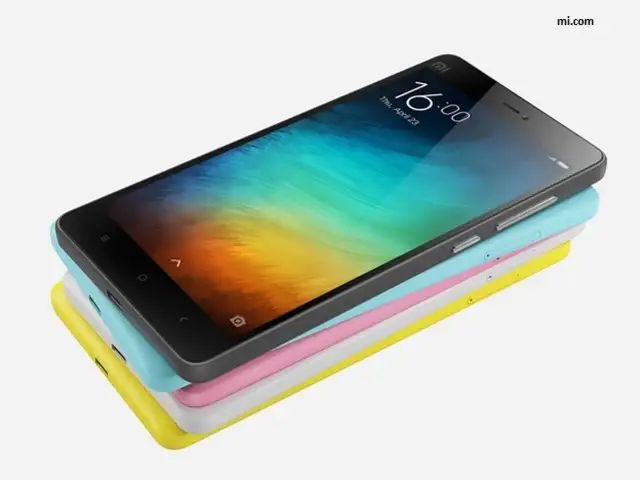
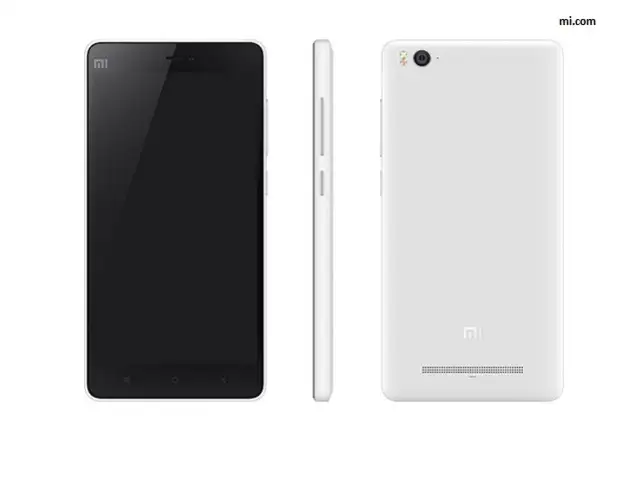
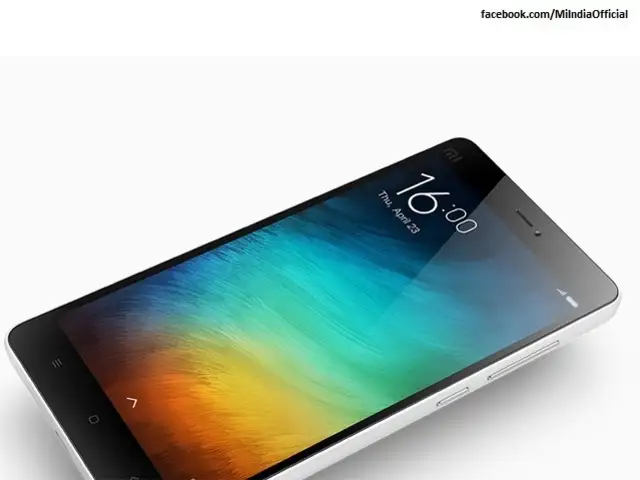
Making a statement, Xiaomi launched its Mi 4i premium budget smartphone at its first ever global launch event in New Delhi. The phone, to be introduced first in the Indian market, boasts hardware specifications seen in premium mid-range phones such as Samsung Galaxy A7 and HTC Desire 826, at a more than 50% lower price.
While the phone certainly proves the point that India is a high priority market for Xiaomi, is it a good buy?
We spent a week with the phone to answer this question...
Ever since its debut in the Indian market, Xiaomi has managed to capture not just market share but also a good brand recall, which is commendable for a brand that entered the market in July 2014.
Making a statement, Xiaomi launched its Mi 4i premium budget smartphone at its first ever global launch event in New Delhi. The phone, to be introduced first in the Indian market, boasts hardware specifications seen in premium mid-range phones such as Samsung Galaxy A7 and HTC Desire 826, at a more than 50% lower price.
While the phone certainly proves the point that India is a high priority market for Xiaomi, is it a good buy?
We spent a week with the phone to answer this question...

ADVERTISEMENT


