Battleground 4G: Make in India drive makes Chinese companies ‘dump’ phones here, say Indian rivals
Indian companies say that these devices may not even be properly enabled for the kind of 4G services being rolled out in the country.
By Gulveen Aulakh, ET Bureau | Updated:

NEW DELHI: It’s India versus China on the 4G battleground. Chinese phone makers have taken a substantial lead in the Indian smartphone market for the high-speed devices, leaving homegrown brands muttering darkly about how their rivals are dumping the handsets in the country ahead of networks being rolled out.
An executive at one of these rapidly growing Chinese companies rejected the accusation.
Local sellers are “having a tough time as the companies they have been sourcing from in China have themselves entered India,” the person said. “They are having to look for new sources and thus have failed to catch the 4G bus so far.”
Indian companies say these devices may not even be properly enabled for the kind of 4G services being rolled out in the country. Chinese companies are treating India as a “dumping ground” for 4G phones that may not have Band 3 or the 1800 MHz band, said Vikas Jain, cofounder of Micromax, India’s No. 2 phone seller. This is one of two bands on which India has allowed 4G LTE services, the other being 2300 Mhz.

Bharti Airtel has commercially launched 4G services while Reliance Jio, Idea Cellular and Vodafone India will do so either later this year or in early 2016.
Making early inroads
Capturing the market early could lock out latecomers. Chinese handset makers Lenovo, Xiaomi, Huawei and Gionee accounted for 12% of total India smartphone market in Q2, up two-fold from a year ago, as per IDC. As for 4G phones, Chinese players have 45% of the market while Indian makers have less than 10%. Samsung, which sells the most mobile phones in India, leads in 4G as well. The segment surged 150% in the June quarter from the preceding one.
The South Korean company is followed by Lenovo and Xiaomi in 4G phones, as per CMR data. Micromax is the only local company in the top 10 4G brands in India but its share shrank to 6% in the June quarter from 10% in the preceding one. Others such as Intex, Lava and Karbonn have just begun their entry into 4G. In the overall smartphone market, Intex is third, Lava is fourth and Karbonn has been slipping down the ranks, having been third for consecutive quarters ended June 2014.
Dumping ground?
Chinese vendors have been dumping excess 4G inventory and playing the price game to gain market share, said Pardeep Jain, MD, Karbonn Mobiles. “They are worried that all (manufacturing) facilities are coming to India, (so) what they will do now? These companies have wrongly projected the market demand in China and are now dumping that extra inventory in India at lower cost,” he said.
The government is seeking to replicate the Chinese export-led boom by promoting India as a manufacturing hub. The Make in India programme has persuaded contract manufacturers such as Foxconn to set up plants in the country.
Karbonn’s Jain said that white labelling, i.e. getting devices built by a contract manufacturer and sticking on a brand name, was not germane to the issue. It isn’t as if just a handful of vendors are supplying to Indian companies, he said.
Besides manufacturing, brands such as Karbonn, Micromax and Lava conduct R&D that goes into the devices. Arvind Vohra, country chief executive officer and managing director of Gionee India, said the company’s phones are priced higher than those sold by local rivals and of excellent quality. “Our pricing of devices is much higher than Indian players,” he said. “Besides, our devices are world-class. There’s no question of us dumping substandard products in India.”
Online presence
Chinese companies have also been able to leverage the online model in India. “Key to the success of the Chinese vendors has been popular flash sales through online players such as Flipkart, Snapdeal and Amazon,” said Kiran Kumar, senior analyst at IDC India. “At the same time, they also focused on bringing more 4G phones at affordable $100-150 (Rs 6,700-10,000) price points, which are left unattended by Indian and global vendors.”
Jain questioned the sustainability of the online-only model, noting that some Chinese makers have diversified into offline trade for deeper market access. Xiaomi India chief Manu Jain said however that the company caters to about 1,500 towns and cities with an online-only presence. Some Indian handset makers say they’re going slow because the 4G ecosystem is still nascent.
“We believe that traction for 4G devices would only pick up once the 4G services are on the radar,” said Navin Chawla, senior vice president and head, product, Lava International Ltd.
Sanjay Kalirona, head, mobile business vertical, Intex, echoed this, saying the 4G ecosystem wasn’t ready. They can’t afford to wait for too long though. Micromax plans to launch 10 4G phones by year end. By then, Intex and Lava phones above Rs 5,000 will be 4G capable
(With inputs from Danish Khan)
An executive at one of these rapidly growing Chinese companies rejected the accusation.
Local sellers are “having a tough time as the companies they have been sourcing from in China have themselves entered India,” the person said. “They are having to look for new sources and thus have failed to catch the 4G bus so far.”
Indian companies say these devices may not even be properly enabled for the kind of 4G services being rolled out in the country. Chinese companies are treating India as a “dumping ground” for 4G phones that may not have Band 3 or the 1800 MHz band, said Vikas Jain, cofounder of Micromax, India’s No. 2 phone seller. This is one of two bands on which India has allowed 4G LTE services, the other being 2300 Mhz.
Bharti Airtel has commercially launched 4G services while Reliance Jio, Idea Cellular and Vodafone India will do so either later this year or in early 2016.
Making early inroads
ADVERTISEMENT
Capturing the market early could lock out latecomers. Chinese handset makers Lenovo, Xiaomi, Huawei and Gionee accounted for 12% of total India smartphone market in Q2, up two-fold from a year ago, as per IDC. As for 4G phones, Chinese players have 45% of the market while Indian makers have less than 10%. Samsung, which sells the most mobile phones in India, leads in 4G as well. The segment surged 150% in the June quarter from the preceding one.
The South Korean company is followed by Lenovo and Xiaomi in 4G phones, as per CMR data. Micromax is the only local company in the top 10 4G brands in India but its share shrank to 6% in the June quarter from 10% in the preceding one. Others such as Intex, Lava and Karbonn have just begun their entry into 4G. In the overall smartphone market, Intex is third, Lava is fourth and Karbonn has been slipping down the ranks, having been third for consecutive quarters ended June 2014.
Dumping ground?
Chinese vendors have been dumping excess 4G inventory and playing the price game to gain market share, said Pardeep Jain, MD, Karbonn Mobiles. “They are worried that all (manufacturing) facilities are coming to India, (so) what they will do now? These companies have wrongly projected the market demand in China and are now dumping that extra inventory in India at lower cost,” he said.
ADVERTISEMENT
The government is seeking to replicate the Chinese export-led boom by promoting India as a manufacturing hub. The Make in India programme has persuaded contract manufacturers such as Foxconn to set up plants in the country.
Karbonn’s Jain said that white labelling, i.e. getting devices built by a contract manufacturer and sticking on a brand name, was not germane to the issue. It isn’t as if just a handful of vendors are supplying to Indian companies, he said.
ADVERTISEMENT
Besides manufacturing, brands such as Karbonn, Micromax and Lava conduct R&D that goes into the devices. Arvind Vohra, country chief executive officer and managing director of Gionee India, said the company’s phones are priced higher than those sold by local rivals and of excellent quality. “Our pricing of devices is much higher than Indian players,” he said. “Besides, our devices are world-class. There’s no question of us dumping substandard products in India.”
Online presence
Chinese companies have also been able to leverage the online model in India. “Key to the success of the Chinese vendors has been popular flash sales through online players such as Flipkart, Snapdeal and Amazon,” said Kiran Kumar, senior analyst at IDC India. “At the same time, they also focused on bringing more 4G phones at affordable $100-150 (Rs 6,700-10,000) price points, which are left unattended by Indian and global vendors.”
Jain questioned the sustainability of the online-only model, noting that some Chinese makers have diversified into offline trade for deeper market access. Xiaomi India chief Manu Jain said however that the company caters to about 1,500 towns and cities with an online-only presence. Some Indian handset makers say they’re going slow because the 4G ecosystem is still nascent.
“We believe that traction for 4G devices would only pick up once the 4G services are on the radar,” said Navin Chawla, senior vice president and head, product, Lava International Ltd.
Sanjay Kalirona, head, mobile business vertical, Intex, echoed this, saying the 4G ecosystem wasn’t ready. They can’t afford to wait for too long though. Micromax plans to launch 10 4G phones by year end. By then, Intex and Lava phones above Rs 5,000 will be 4G capable
(With inputs from Danish Khan)
Download
The Economic Times Business News App for the Latest News in Business, Sensex, Stock Market Updates & More.
The Economic Times Business News App for the Latest News in Business, Sensex, Stock Market Updates & More.
Download
The Economic Times News App for Quarterly Results, Latest News in ITR, Business, Share Market, Live Sensex News & More.
The Economic Times News App for Quarterly Results, Latest News in ITR, Business, Share Market, Live Sensex News & More.
TOI Tech
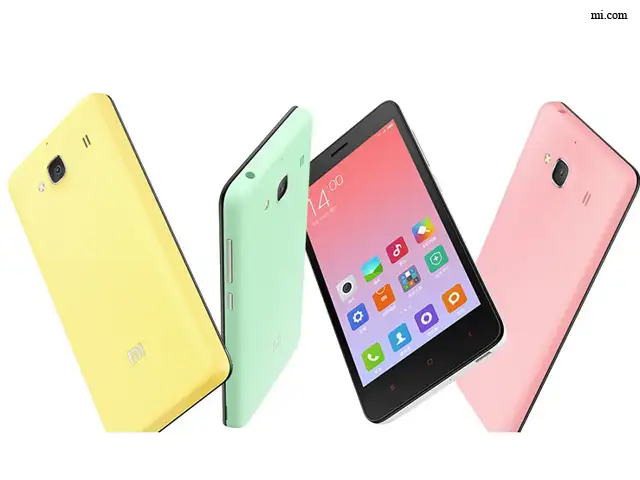
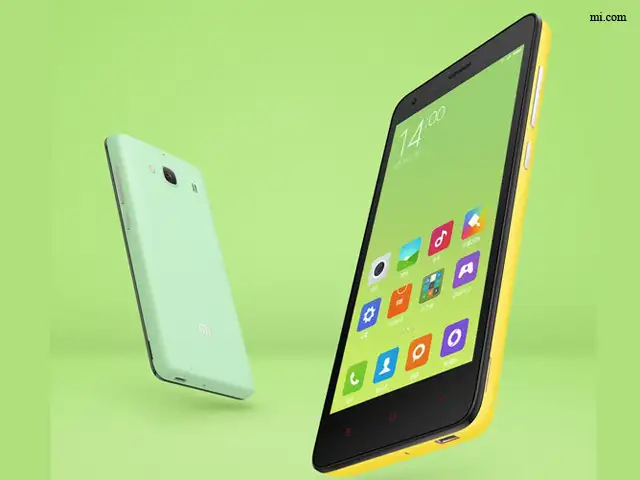
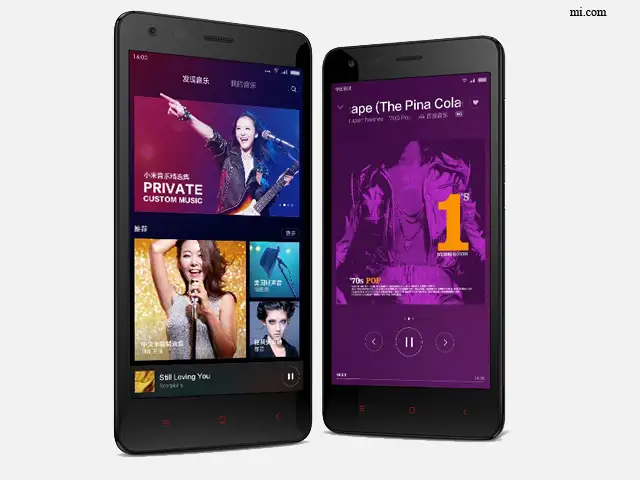
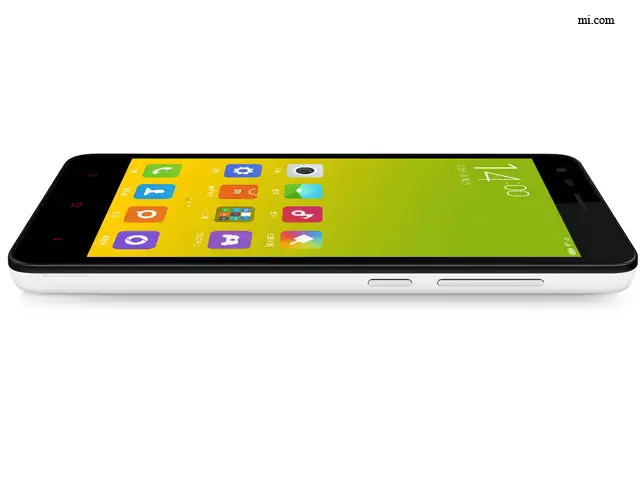
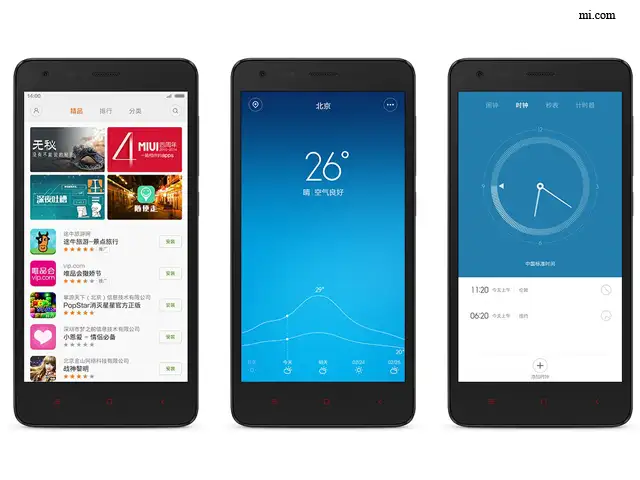
After several rumours and leaks, Chinese device maker Xiaomi has unveiled its affordable Android smartphone, Redmi 2A, at a special event marking the company's fifth birth anniversary.
After several rumours and leaks, Chinese device maker Xiaomi has unveiled its affordable Android smartphone, Redmi 2A, at a special event marking the company's fifth birth anniversary.

ADVERTISEMENT


