Why US tech layoffs have left Indian workers on H-1B visas in a tough spot?
The US tech industry is experiencing significant layoffs, severely impacting Indian workers on H-1B visas. Stricter visa regulations and increased application fees are adding to their challenges. Long green card wait times further complicate their...
By ET Online |

iStock
The US tech industry is experiencing significant layoffs, which is severely impacting Indian workers on H-1B visas. Stricter visa regulations and rising application fees are adding to their difficulties, while long green card wait times further complicate their situation.
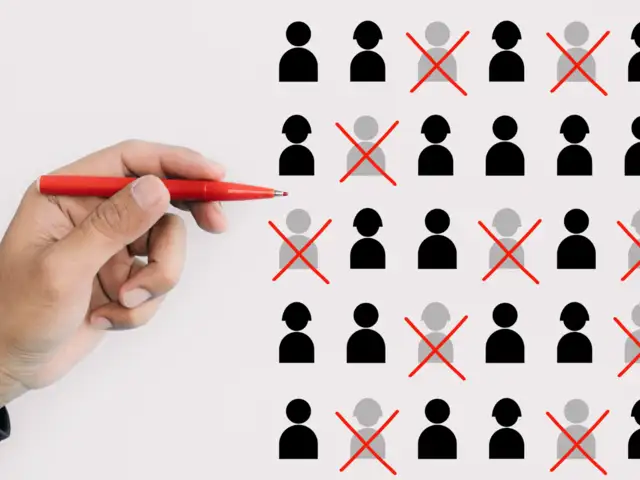
According to a TOI report citing Layoffs.fyi, over 438 tech companies have laid off about 137,500 employees. Indian workers on H-1B visas are particularly vulnerable due to strict timelines requiring them to find new employment quickly or face deportation.
The US Congressional Research Service reports that many Indian workers face decades-long backlogs for green cards, with some waiting over 190 years for permanent residency. This prolonged uncertainty is making their situation even more precarious.
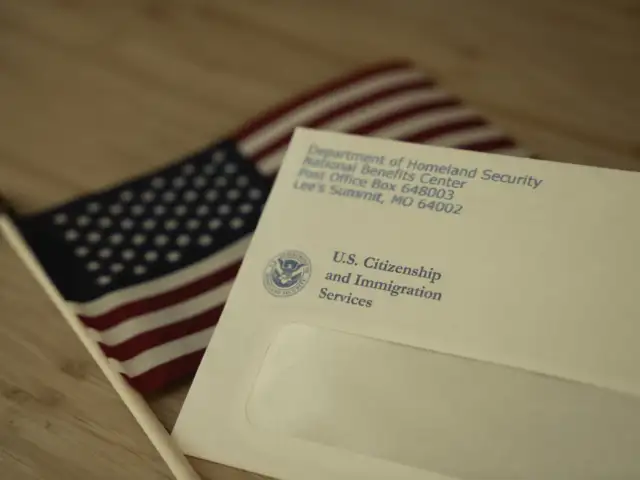
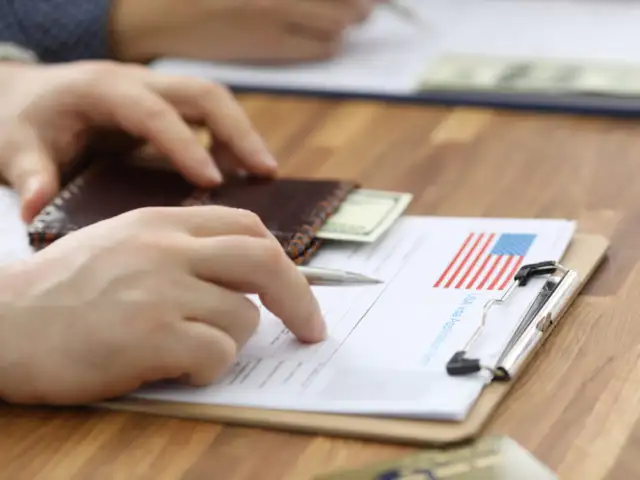
Recent changes to US visa policies have intensified these challenges. The October 2024 visa bulletin has raised concerns across visa categories, including the EB-5 investor visa program. Application fees for H-1B visas have increased from $10 to $215 per beneficiary, a 2150% rise. Paper filing fees have also increased from $460 to $780, a 70% jump. Green card applicants face higher costs, with the I-30 petition fee rising to $675 for paper submissions and $625 for online applications. A new $600 fee has been introduced for certain asylum petitions, and international students applying for F, M, and J visas face more scrutiny.
In this tightening immigration landscape, Indian workers are struggling to secure stable employment and residency in the US due to layoffs, long green card wait times, and increased visa fees.
(With TOI inputs)

According to a TOI report citing Layoffs.fyi, over 438 tech companies have laid off about 137,500 employees. Indian workers on H-1B visas are particularly vulnerable due to strict timelines requiring them to find new employment quickly or face deportation.
The US Congressional Research Service reports that many Indian workers face decades-long backlogs for green cards, with some waiting over 190 years for permanent residency. This prolonged uncertainty is making their situation even more precarious.
Recent changes to US visa policies have intensified these challenges. The October 2024 visa bulletin has raised concerns across visa categories, including the EB-5 investor visa program. Application fees for H-1B visas have increased from $10 to $215 per beneficiary, a 2150% rise. Paper filing fees have also increased from $460 to $780, a 70% jump. Green card applicants face higher costs, with the I-30 petition fee rising to $675 for paper submissions and $625 for online applications. A new $600 fee has been introduced for certain asylum petitions, and international students applying for F, M, and J visas face more scrutiny.
In this tightening immigration landscape, Indian workers are struggling to secure stable employment and residency in the US due to layoffs, long green card wait times, and increased visa fees.
(With TOI inputs)
For almost a year, foreign tech workers in the US have faced an unpredictable landscape. Giants like Google, Tesla, Walmart, and others have announced extensive layoffs, dimming the aspirations of numerous immigrants.
Amidst the struggle to find alternatives, here are nine things every H-1B visa holder should know.
Also See| H-1B visa application process: A step by step guide







Download
The Economic Times Business News App for the Latest News in Business, Sensex, Stock Market Updates & More.
The Economic Times Business News App for the Latest News in Business, Sensex, Stock Market Updates & More.
ADVERTISEMENT


