Schengen visa refused? A simple guide to making an appeal
Faced a Schengen visa rejection? Indian travelers have the right to appeal. Understand the refusal reasons, typically involving incomplete documents or unclear travel purpose. File a concise, factual appeal within the stipulated timeframe, providi...
By ET Online |

Agencies
A growing number of Indian travelers are seeing their Schengen visa applications rejected. If you have received a refusal, you can file an appeal to contest the decision. The Schengen visa allows travel across 27 European countries.
According to Schengen rules, every applicant has the right to appeal if they disagree with the decision. The refusal notice contains instructions about where and how to send an appeal. In most cases, an appeal must be submitted to the consulate or embassy that rejected the visa.
Here’s how the process works.
If the appeal is successful, your visa will be granted. If it is refused, the consulate or embassy will inform you of further options, which may include submitting a fresh application or, in rare cases, appealing to a court.
A refused Schengen visa is not the end of the road. By understanding the reasons, submitting a well-prepared appeal, and providing strong supporting evidence, many applicants have been able to secure their visas on the second attempt.
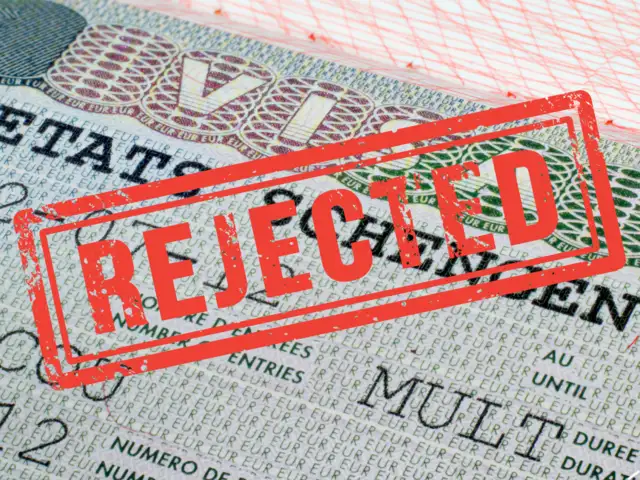
According to Schengen rules, every applicant has the right to appeal if they disagree with the decision. The refusal notice contains instructions about where and how to send an appeal. In most cases, an appeal must be submitted to the consulate or embassy that rejected the visa.
Here’s how the process works.
Understanding the Refusal Notice
Each Schengen visa refusal notice contains specific reasons for the rejection. Common reasons include:- Incomplete or inconsistent documents
- Lack of proof of financial means
- Unclear purpose of travel
- No proof of accommodation
- Inadequate travel insurance
When to File the Appeal
Each Schengen country has its own deadline for submitting an appeal. In general:- The appeal must be filed within 15–30 days from the date you received the refusal notice.
- The notice will clearly state where and how to send the appeal.
- Late appeals are usually not accepted.
Preparing the Appeal Letter
Your appeal should be concise, factual, and directly respond to the reasons stated in the refusal notice. It must be submitted in the language required by the issuing country and should include:- Your personal details and visa application number
- A clear explanation of why you disagree with the decision
- New or updated documents, such as bank statements, accommodation details, or invitation letters
- Travel itinerary and insurance information if applicable
ADVERTISEMENT
Submitting the Appeal
Send the appeal to the consulate or embassy that refused your visa. Follow their specific instructions. You can often submit the appeal by post or in person. Confirm the submission method before sending.What Happens After You Appeal
Once the appeal is received, the authorities review the new documents and explanations. The processing time varies but can take a few weeks. They will notify you of their decision once the review is complete.If the appeal is successful, your visa will be granted. If it is refused, the consulate or embassy will inform you of further options, which may include submitting a fresh application or, in rare cases, appealing to a court.
Tips for a Strong Appeal
- Read the refusal notice thoroughly and understand every point.
- Address every reason for the refusal clearly.
- Submit updated documents that cover gaps in the original application.
- Avoid making general or emotional arguments; focus on factual evidence.
What to Do if the Appeal Fails
If your appeal is rejected, you can consider submitting a new application. Make sure to fix the issues mentioned in the refusal notice and provide stronger supporting documents. In certain countries, you can also seek legal advice and approach a court if needed.ADVERTISEMENT
A refused Schengen visa is not the end of the road. By understanding the reasons, submitting a well-prepared appeal, and providing strong supporting evidence, many applicants have been able to secure their visas on the second attempt.
If you're planning to visit Europe in 2025, it’s important to check visa rejection trends before finalising your travel plans. New data from 2024 shows that certain Schengen countries have significantly higher rejection rates than others.
Travelers, especially from countries like India, should be cautious when applying to destinations with stricter screening. Below are the ten Schengen nations with the highest visa refusal rates.










Download
The Economic Times Business News App for the Latest News in Business, Sensex, Stock Market Updates & More.
The Economic Times Business News App for the Latest News in Business, Sensex, Stock Market Updates & More.
ADVERTISEMENT


