Saudi Arabia’s new tourism play trades skyscrapers for nature
Saudi Arabia is betting big on tourism in its Aseer province, a region boasting diverse landscapes and a cooler climate. With ambitious plans, including luxury resorts and infrastructure development, Aseer aims to attract millions of visitors by 2...
By Bloomberg |

iStock
Tucked between misty mountains in the Saudi Arabian Highlands is a vertiginous village built between verdant, 10,000-foot peaks.
A century-old outpost of the local Tihama Asir tribes, its clay and stone buildings have bright shutters and white-trimmed windows. Nobody lives here anymore, but every day the tribesmen and women—identifiable by their floral crowns and traditional mountain garb—come to sell wares like local honey made by the clans of the ridgelines.
This is Rijal Almaa, one of hundreds of archaeological villages dotting the little-touristed province of Aseer, an area almost the size of Austria in Saudi’s southwestern corner. The region, which boasts a rich cultural heritage, has dramatically sited mud palaces with mountaintop views, desert plains and unspoiled beaches—plus historical sites and outdoor adventure activities that are unrivaled throughout the country. Best of all for Saudis, who are accustomed in the summer months to blistering heat that regularly tops 113F (45C), the weather seldom exceeds 90 degrees, even in the middle of July.
It’s a combination that’s moved global developers and Saudi officials to dream up a new future for Aseer—one that makes it the linchpin in Saudi Arabia’s $1 trillion bet on tourism. While there’s no luxury establishment to speak of just yet, both Saudi Arabia’s sovereign wealth fund, called the Public Investment Fund (PIF), and private investors are working on master plans costing billions of dollars for projects that can be enjoyed year-round. And unlike the mirrored skyscrapers planned for Neom or ultra-luxe glampsites in AlUla, the strategy for Aseer at heart is a simple one: nature.
“You can stay on a mountain, snorkel in the Red Sea, drive to the desert all in a few hours,” says Luis Gallotti, a Miami-based investor developing an ultra-luxury mountain resort in the Saudi province. “It’s something different to the rest of the world.”
As it stands, Aseer draws fewer than 100,000 international travelers each year—a low number that Saudi officials believe has lots of potential to grow. Visitor growth there will help the country more than double its current annual foreign arrivals, to 70 million by 2030.
“Nobody knows yet that there are these landscapes in Saudi Arabia, that it’s not hot in the summer,” says Cecilia Pueyo, French entrepreneur and chief executive officer of travel firm Bonjour Saudi.
She first visited Aseer in 2023 and in April hosted her first wellness retreat there, drawing mostly locals to a mountain village for hiking and yoga. Pueyo has since been fielding questions from foreigners who are curious about visiting. She’s organizing three-day trips to Aseer geared toward both locals and non-Saudis. Rijal Almaa is one of the key stops.
For those unfamiliar with Saudi Arabia, safety worries can be an issue, given that Aseer shares a short border with conflict-stricken Yemen. But Pueyo says she has always felt safe in the region and welcomed by locals. The bigger challenge, she says, is the absence of clear information to help would-be visitors feel confident in making their plans, along with reservations among foreigners about visiting and traveling around conservative Saudi Arabia—especially one of its more traditional corners. “There’s huge work in tourism to do,” she explains.
The hotel projects being developed now will address another issue: a shortage of quality hotels. Not one of the current stock is even remotely close to prized sites such as the suspended sandstone houses of Al Habala. Touch down at the Abha International Airport, and you’ll find most accommodation is concentrated in the main city of Abha, in tired buildings with dated rooms.
What’s lacking is made up for by the charm and culture of the city itself, which has a population of 300,000. Souks, clay-built villages and art districts are set among steep hills like those of San Francisco and Lisbon. But the main appeal of Aseer is the diverse terrain that’s more far-flung and unspoiled: golden sands sprawling between black rocky ridges, grassy plateaus with few signs of development and quiet beaches along the Red Sea coastline.
For now, getting around requires a rental car and a healthy dose of bravery—reaching Rijal Almaa calls for driving down a treacherous, sharply curving narrow road into the valley. As an alternative, you can arrange a day trip with Viator for about $300 a person. The view of the heritage village, which looks like a series of life-size gingerbread houses, makes it well worth braving the unknown.
Helping travelers navigate the region—and offering them a sumptuous place to rest their heads at the end of the day—is top of mind for Miami-based Luis Gallotti of Amek Group. In 2026 he plans to break ground on a high-end mountain resort in Aseer featuring more than 80 hotel rooms, 30 private villas and a grass skiing experience—where skis are fused with wheels to tackle green pistes that stretch for some 3,000 feet.
When it opens in 2029, Gallotti plans to make the resort a part of Amek’s nascent Seven Legends brand, whose mission is to to have a hotel in just seven destinations with jaw-dropping landscapes. The first will open in Argentine Patagonia; Aseer is expected to be the second. “When we came to Aseer, it was love at first sight,” he says.
Seven Legends isn’t alone: Saudi Arabia’s $1 trillion PIF is backing a project called Soudah Peaks, which will bring luxury hotels, residences, and shopping districts to the kingdom’s tallest mountain. The plan is to leave most of the land around Soudah available for hiking and mountain biking; its budget will also include the preservation and restoration of heritage sites such as Rijal Almaa—which sits near the foot of Soudah and dozens of other towering mountains.
The PIF, which is chaired by Saudi Arabia’s de facto leader Mohammed bin Salman, has also begun projects to build new residential communities in Abha and has started Aseer Investment Co. with the goal of turning the province into a global tourism destination.
It’s still early days. Tendering for infrastructure construction such as electricity for Soudah Peaks is expected to start this year—when several of the kingdom’s other mega projects, like the high-profile Neom megacity, are facing significant budgetary hurdles. But Aseer is a time-sensitive project, because it’s set to host at least some matches during the 2034 FIFA World Cup, for which the Saudis can’t afford delays.
For now, anyway, Hashim Al-Dabbagh, a Saudi national who leads the Aseer Development Authority, sees the region as something of a hidden gem, both in the kingdom and abroad. When he takes his weekend hikes, he’s greeted only by fresh air and packs of wild baboons.
“This is like National Geographic level stuff, and I get to enjoy it like a king,” he says.
A century-old outpost of the local Tihama Asir tribes, its clay and stone buildings have bright shutters and white-trimmed windows. Nobody lives here anymore, but every day the tribesmen and women—identifiable by their floral crowns and traditional mountain garb—come to sell wares like local honey made by the clans of the ridgelines.
This is Rijal Almaa, one of hundreds of archaeological villages dotting the little-touristed province of Aseer, an area almost the size of Austria in Saudi’s southwestern corner. The region, which boasts a rich cultural heritage, has dramatically sited mud palaces with mountaintop views, desert plains and unspoiled beaches—plus historical sites and outdoor adventure activities that are unrivaled throughout the country. Best of all for Saudis, who are accustomed in the summer months to blistering heat that regularly tops 113F (45C), the weather seldom exceeds 90 degrees, even in the middle of July.
It’s a combination that’s moved global developers and Saudi officials to dream up a new future for Aseer—one that makes it the linchpin in Saudi Arabia’s $1 trillion bet on tourism. While there’s no luxury establishment to speak of just yet, both Saudi Arabia’s sovereign wealth fund, called the Public Investment Fund (PIF), and private investors are working on master plans costing billions of dollars for projects that can be enjoyed year-round. And unlike the mirrored skyscrapers planned for Neom or ultra-luxe glampsites in AlUla, the strategy for Aseer at heart is a simple one: nature.
“You can stay on a mountain, snorkel in the Red Sea, drive to the desert all in a few hours,” says Luis Gallotti, a Miami-based investor developing an ultra-luxury mountain resort in the Saudi province. “It’s something different to the rest of the world.”
As it stands, Aseer draws fewer than 100,000 international travelers each year—a low number that Saudi officials believe has lots of potential to grow. Visitor growth there will help the country more than double its current annual foreign arrivals, to 70 million by 2030.
ADVERTISEMENT
“Nobody knows yet that there are these landscapes in Saudi Arabia, that it’s not hot in the summer,” says Cecilia Pueyo, French entrepreneur and chief executive officer of travel firm Bonjour Saudi.
She first visited Aseer in 2023 and in April hosted her first wellness retreat there, drawing mostly locals to a mountain village for hiking and yoga. Pueyo has since been fielding questions from foreigners who are curious about visiting. She’s organizing three-day trips to Aseer geared toward both locals and non-Saudis. Rijal Almaa is one of the key stops.
For those unfamiliar with Saudi Arabia, safety worries can be an issue, given that Aseer shares a short border with conflict-stricken Yemen. But Pueyo says she has always felt safe in the region and welcomed by locals. The bigger challenge, she says, is the absence of clear information to help would-be visitors feel confident in making their plans, along with reservations among foreigners about visiting and traveling around conservative Saudi Arabia—especially one of its more traditional corners. “There’s huge work in tourism to do,” she explains.
The hotel projects being developed now will address another issue: a shortage of quality hotels. Not one of the current stock is even remotely close to prized sites such as the suspended sandstone houses of Al Habala. Touch down at the Abha International Airport, and you’ll find most accommodation is concentrated in the main city of Abha, in tired buildings with dated rooms.
ADVERTISEMENT
What’s lacking is made up for by the charm and culture of the city itself, which has a population of 300,000. Souks, clay-built villages and art districts are set among steep hills like those of San Francisco and Lisbon. But the main appeal of Aseer is the diverse terrain that’s more far-flung and unspoiled: golden sands sprawling between black rocky ridges, grassy plateaus with few signs of development and quiet beaches along the Red Sea coastline.
For now, getting around requires a rental car and a healthy dose of bravery—reaching Rijal Almaa calls for driving down a treacherous, sharply curving narrow road into the valley. As an alternative, you can arrange a day trip with Viator for about $300 a person. The view of the heritage village, which looks like a series of life-size gingerbread houses, makes it well worth braving the unknown.
ADVERTISEMENT
Helping travelers navigate the region—and offering them a sumptuous place to rest their heads at the end of the day—is top of mind for Miami-based Luis Gallotti of Amek Group. In 2026 he plans to break ground on a high-end mountain resort in Aseer featuring more than 80 hotel rooms, 30 private villas and a grass skiing experience—where skis are fused with wheels to tackle green pistes that stretch for some 3,000 feet.
When it opens in 2029, Gallotti plans to make the resort a part of Amek’s nascent Seven Legends brand, whose mission is to to have a hotel in just seven destinations with jaw-dropping landscapes. The first will open in Argentine Patagonia; Aseer is expected to be the second. “When we came to Aseer, it was love at first sight,” he says.
Seven Legends isn’t alone: Saudi Arabia’s $1 trillion PIF is backing a project called Soudah Peaks, which will bring luxury hotels, residences, and shopping districts to the kingdom’s tallest mountain. The plan is to leave most of the land around Soudah available for hiking and mountain biking; its budget will also include the preservation and restoration of heritage sites such as Rijal Almaa—which sits near the foot of Soudah and dozens of other towering mountains.
The PIF, which is chaired by Saudi Arabia’s de facto leader Mohammed bin Salman, has also begun projects to build new residential communities in Abha and has started Aseer Investment Co. with the goal of turning the province into a global tourism destination.
It’s still early days. Tendering for infrastructure construction such as electricity for Soudah Peaks is expected to start this year—when several of the kingdom’s other mega projects, like the high-profile Neom megacity, are facing significant budgetary hurdles. But Aseer is a time-sensitive project, because it’s set to host at least some matches during the 2034 FIFA World Cup, for which the Saudis can’t afford delays.
For now, anyway, Hashim Al-Dabbagh, a Saudi national who leads the Aseer Development Authority, sees the region as something of a hidden gem, both in the kingdom and abroad. When he takes his weekend hikes, he’s greeted only by fresh air and packs of wild baboons.
“This is like National Geographic level stuff, and I get to enjoy it like a king,” he says.
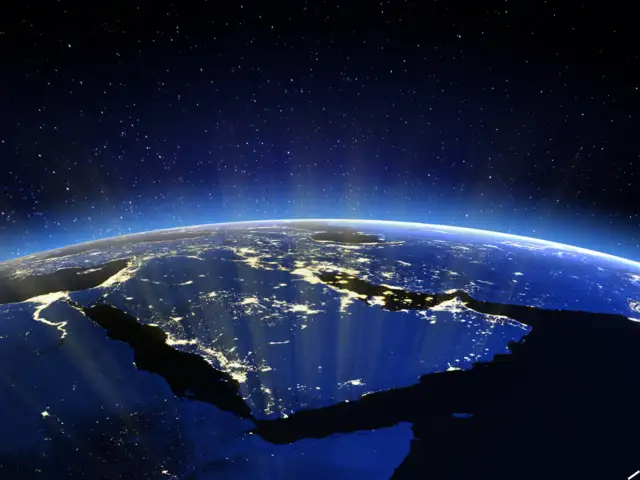
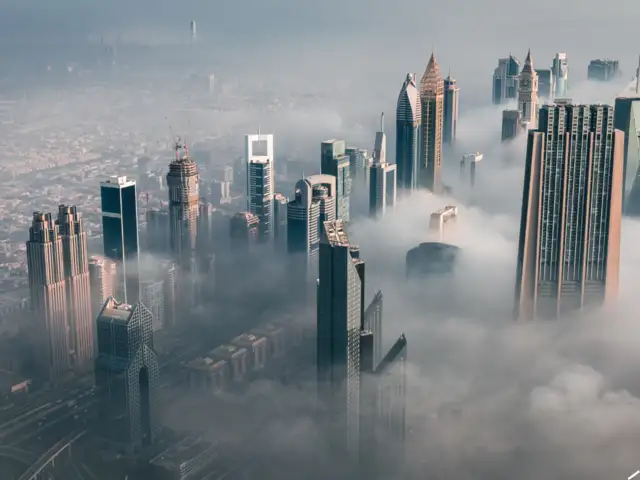
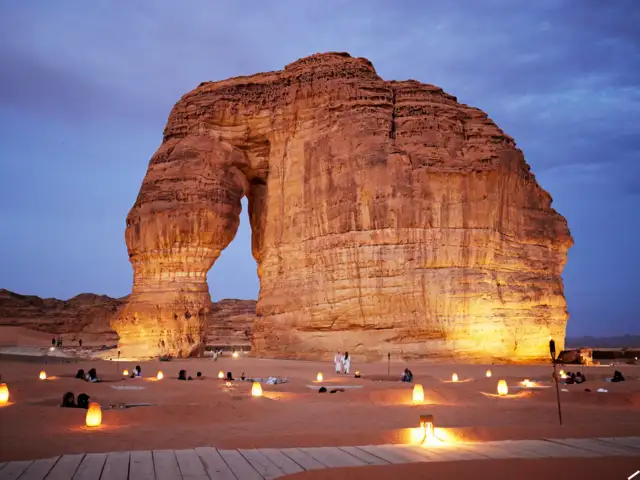
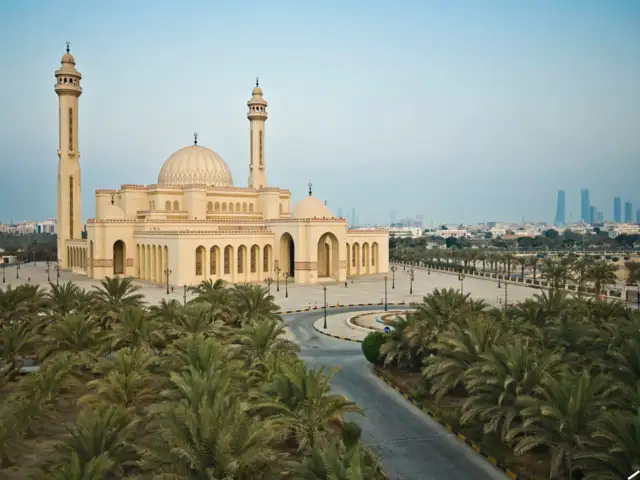
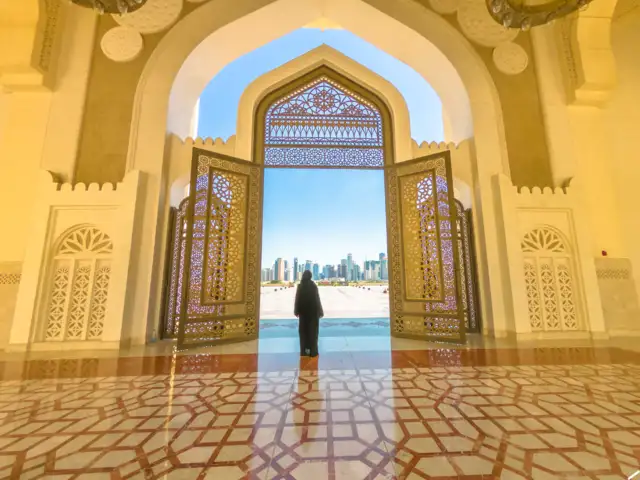
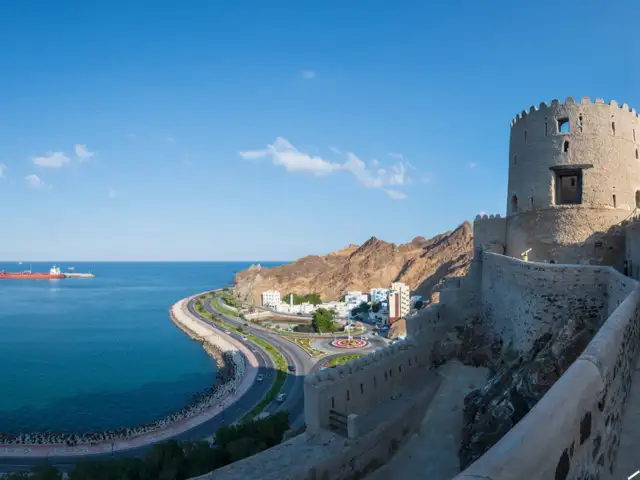
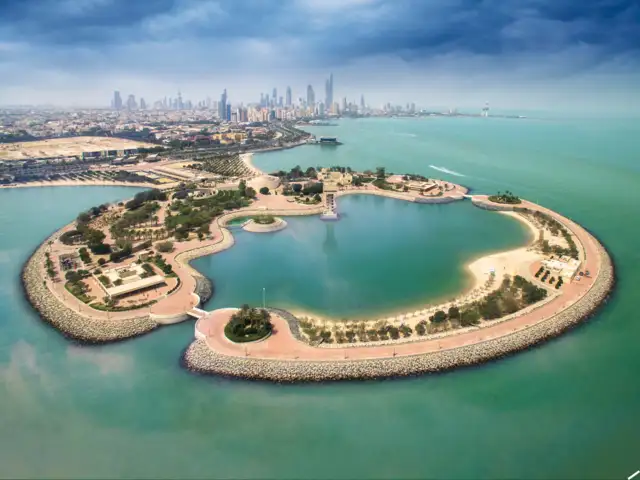
The long-awaited unified tourist visa for Gulf Cooperation Council (GCC) countries has been formally approved and will be launched soon. The visa, inspired by the European Schengen model, will let travellers to move across GCC nations under a single travel document.
Here are the countries you can visit, and a complete travel itinerary for each.

Download
The Economic Times Business News App for the Latest News in Business, Sensex, Stock Market Updates & More.
The Economic Times Business News App for the Latest News in Business, Sensex, Stock Market Updates & More.
ADVERTISEMENT


