Unknowns ahead for Stalin but the DMK will go on
Karunanidhi was in a shining galaxy of DMK leaders - including founder CN Annadurai and current party general secretary K Anbazhagan - who steered the party through several political twists and turns in its long journey.
By Bharani Vaitheesvaran, ET Bureau | Updated:

PTI
The death of M Karunanidhi will bring a finality to the intellectual vacuum that set in over the DMK since he became silent 18 months ago, but may cause little harm to the party at the hustings. Political analysts who have tracked Dravidian politics over the years feel the impact would be seen less at the grassroots level.
Karunanidhi was in a shining galaxy of DMK leaders - including founder CN Annadurai and current party general secretary K Anbazhagan - who steered the party through several political twists and turns in its long journey. The party rooted in rationalism, social reforms and secularism went to polls with the BJP without making it look like a contradiction. It also allied with parties in Tamil Nadu that openly espoused casteist causes. In both cases, the DMK won the mandate, with its image as an inclusive party intact. And without ever straying from the line of Dravidianism drawn by the party's founders.
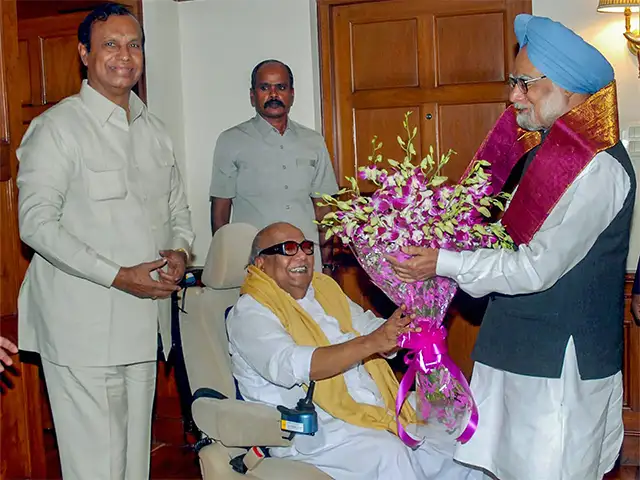
The DMK was an ally of the BJP for two years before Karunanidhi pulled his party out of the National Democratic alliance in 2003. Just ahead of the parliamentary elections of 2004, he shook hands with Congress president Sonia Gandhi and announced an alliance that then went on to form the government at the Centre.
"Undoubtedly, Kalaignar's death will leave behind a dent in the psyche of the DMK voter, but I am sure he or she would not be at a loss to see where the party is going, because Stalin has consolidated power," says Perumal Mani, a political analyst. "That the party had been able to ally with both national parties in the past and still hold on its image of secularism and inclusiveness signifies the endurance of the DMK DNA."
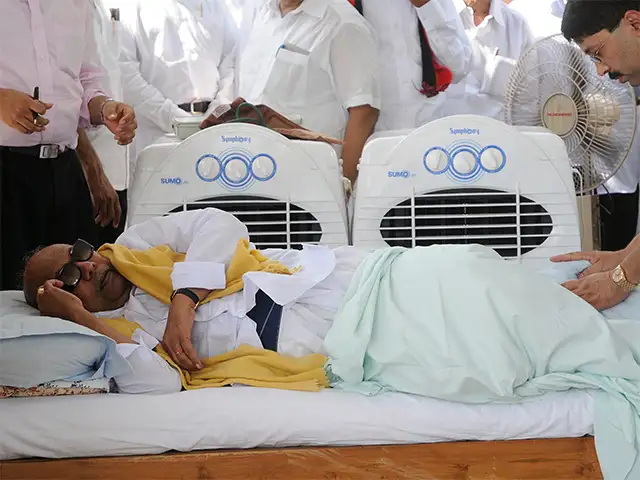
Unlike in the AIADMK, the transition of power has been largely smooth in the case of the DMK. Jayalalithaa had to assert her leadership in an acrimonious power struggle after the death of former chief minister MG Ramachandran in December 1987. In the case of Stalin, the DMK decided to pass on the throne to him about a month after Karunanidhi underwent a tracheostomy surgery in 2017 to clear his airways. The patriarch then stopped writing and speaking, a resounding silence that remains till now.
“Karunandhi has left this world leaving behind his party in safe hands, I mean in terms of stability. That he summarily expelled Alagiri and refused to take him back has cemented Stalin’s leadership,” says N Sathiya Moorthy, the Chennai Director of policy at the Observer Foundation.
The positives for Stalin’s political leadership are two-fold, according to Moorthy. He does not have to contend with a Jayalalithaa. His opponents in the AIADMK – Chief minister Edappadi K Palaniswami and deputy chief minister O Panneerselvam – are equal, if not lesser politicians. Secondly, the mess that Jayalalithaa has left her party in will work to Stalin’s advantage.
On the flip side, Stalin will find himself negotiating an unknown terrain in the immediate future. The Congress and “secular” regional parties are attempting to forge a national coalition against the BJP, and so far Stalin has given signs that he would join on their side. But his party seniors are reminding his of the United Front experience of the late 1990s and how it only helped the BJP come back to power stronger. The other imponderables are the political equities of super stars Rajinikanth and Kamal Haasan who have jumped into the fray.
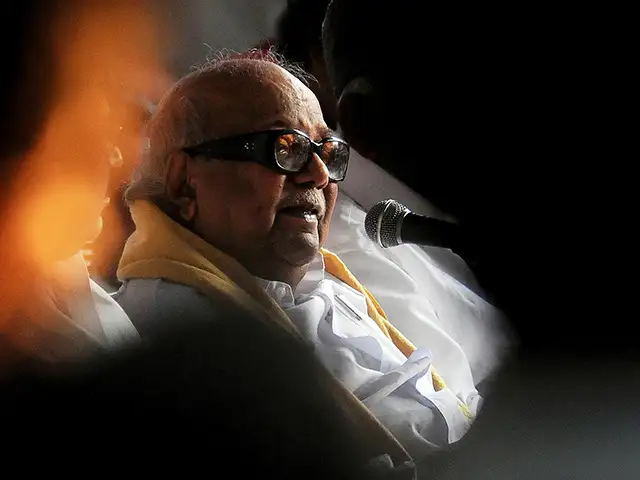
Karunanidhi was in a shining galaxy of DMK leaders - including founder CN Annadurai and current party general secretary K Anbazhagan - who steered the party through several political twists and turns in its long journey. The party rooted in rationalism, social reforms and secularism went to polls with the BJP without making it look like a contradiction. It also allied with parties in Tamil Nadu that openly espoused casteist causes. In both cases, the DMK won the mandate, with its image as an inclusive party intact. And without ever straying from the line of Dravidianism drawn by the party's founders.
The DMK was an ally of the BJP for two years before Karunanidhi pulled his party out of the National Democratic alliance in 2003. Just ahead of the parliamentary elections of 2004, he shook hands with Congress president Sonia Gandhi and announced an alliance that then went on to form the government at the Centre.
"Undoubtedly, Kalaignar's death will leave behind a dent in the psyche of the DMK voter, but I am sure he or she would not be at a loss to see where the party is going, because Stalin has consolidated power," says Perumal Mani, a political analyst. "That the party had been able to ally with both national parties in the past and still hold on its image of secularism and inclusiveness signifies the endurance of the DMK DNA."
Unlike in the AIADMK, the transition of power has been largely smooth in the case of the DMK. Jayalalithaa had to assert her leadership in an acrimonious power struggle after the death of former chief minister MG Ramachandran in December 1987. In the case of Stalin, the DMK decided to pass on the throne to him about a month after Karunanidhi underwent a tracheostomy surgery in 2017 to clear his airways. The patriarch then stopped writing and speaking, a resounding silence that remains till now.
ADVERTISEMENT
Stalin since then has shown signs of a different style of leadership: retaining typical Dravidian traits of social inclusiveness and anti-hegemonism, while drawing on the authority of his predecessors. But he is seen as drifting away from the grassroots, so much so that he had to launch a meet-the-cadre programme in February, after completing an year in office. Inside the party he has things going for him with elder brother MK Alagiri, who has been banished to the wilderness, remaining just a niggle. “Karunandhi has left this world leaving behind his party in safe hands, I mean in terms of stability. That he summarily expelled Alagiri and refused to take him back has cemented Stalin’s leadership,” says N Sathiya Moorthy, the Chennai Director of policy at the Observer Foundation.
The positives for Stalin’s political leadership are two-fold, according to Moorthy. He does not have to contend with a Jayalalithaa. His opponents in the AIADMK – Chief minister Edappadi K Palaniswami and deputy chief minister O Panneerselvam – are equal, if not lesser politicians. Secondly, the mess that Jayalalithaa has left her party in will work to Stalin’s advantage.
On the flip side, Stalin will find himself negotiating an unknown terrain in the immediate future. The Congress and “secular” regional parties are attempting to forge a national coalition against the BJP, and so far Stalin has given signs that he would join on their side. But his party seniors are reminding his of the United Front experience of the late 1990s and how it only helped the BJP come back to power stronger. The other imponderables are the political equities of super stars Rajinikanth and Kamal Haasan who have jumped into the fray.
ADVERTISEMENT
“Every step he takes now counts," says Moorthy. " And of course, he has no one on whom to shift the blame.” .
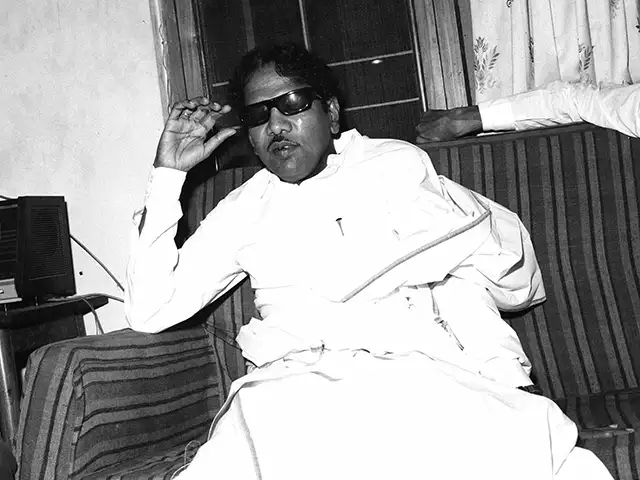
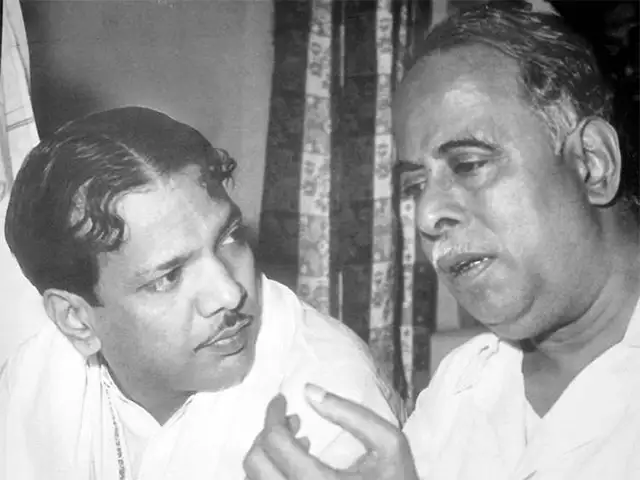
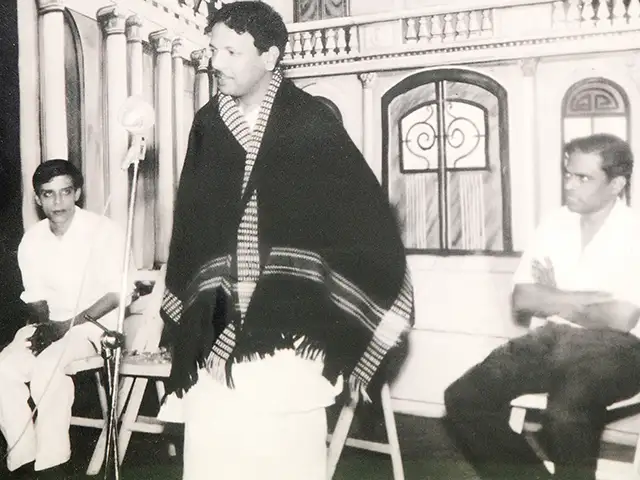
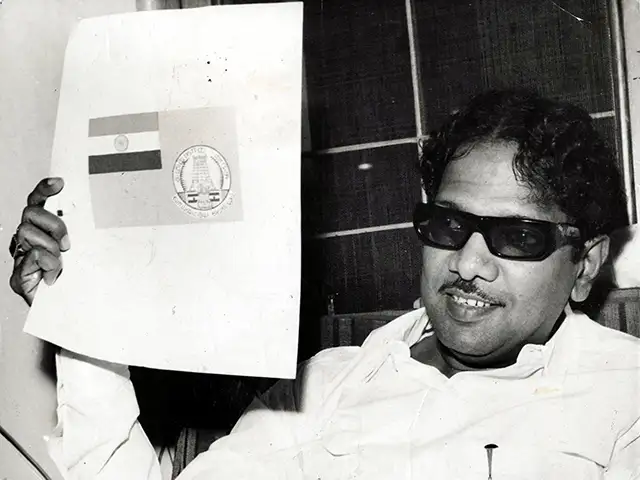
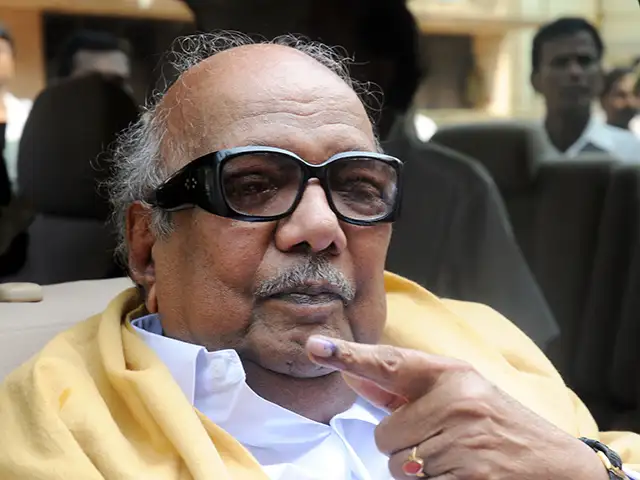
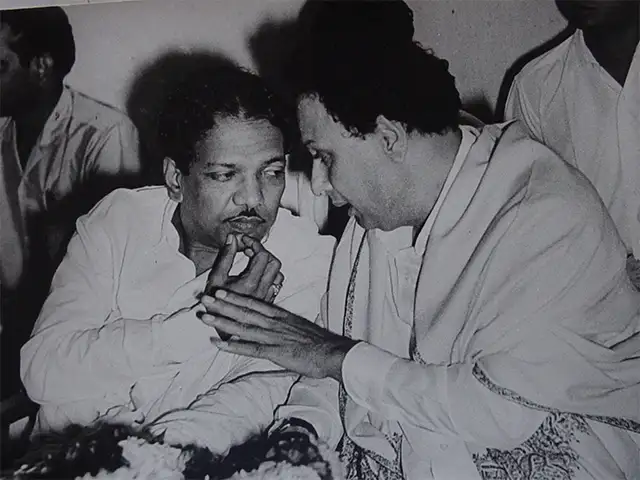
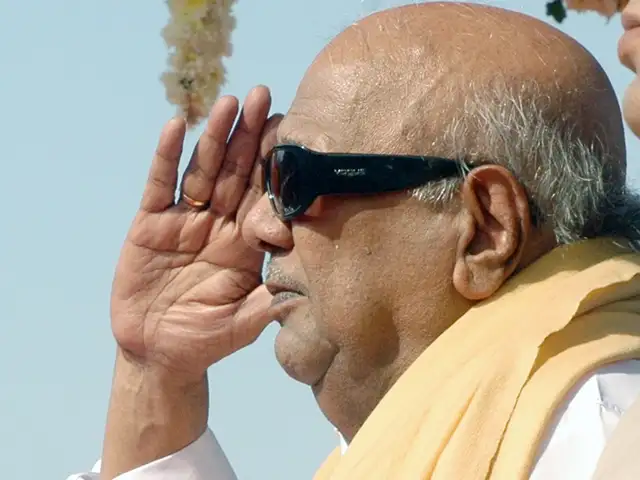
Karunanidhi, who was affectionately called 'Kalaignar' by his supporters, left an impregnable impression on the political map of Tamil Nadu. Karunanidhi was chief minister of Tamil Nadu five times and successfully contested 12 state elections, building legions of supporters on the way.
Here is a look at his political journey:

Download
The Economic Times Business News App for the Latest News in Business, Sensex, Stock Market Updates & More.
The Economic Times Business News App for the Latest News in Business, Sensex, Stock Market Updates & More.
Download
The Economic Times News App for Quarterly Results, Latest News in ITR, Business, Share Market, Live Sensex News & More.
The Economic Times News App for Quarterly Results, Latest News in ITR, Business, Share Market, Live Sensex News & More.
ADVERTISEMENT


