Karunanidhi's death leaves huge void in Dravidian movement
M Karunanidhi to the end remained a people’s politician, attuned to their hopes and aspirations.
By Bharani Vaitheesvaran, ET Bureau | Updated:

PTI
The death of DMK patriarch Muthuvel Karunanidhi leaves another void in the Dravidian tapestry, which has still not recovered from the death of former chief minister and AIADMK supremo J Jayalalithaa.
Karunanidhi to the end remained a people’s politician, attuned to their hopes and aspirations either in dealing with the Centre or while sparring with Jayalalithaa's AIADMK. In and out of power during the nearly five decades he captained DMK, Kalaignar, as he was respectfully called, mentored a league of political proteges and spawned powerful enemies.
Despite passing on the mantle to his son MK Stalin in his sunset years, Karunanidhi remained the leading light, evoking fervent slogans of “Dr. Kalaignar Vaazhga” whenever he visited the party HQ Anna Arivalayam.
Muthuvel Karunanidhi was born on June 3, 1924, in Thirukkuvalai, about 300 km from Chennai, into a family that had music in its veins. Although impoverished, and against the expectations of his folks, he as a young man embarked on a different journey.
He arrived in Madras to join EV Ramaswamy's Justice Party, where his abundant talent for writing scripts became useful at a time theatre and cinema were becoming vehicles of social change and political empowerment. He grew in stature with Parasakti - starring the eminent actor Sivaji Ganesan - whose long elegant dialogues questioned existing social hierarchies. It set the tone for the advancement of the Dravidian ideology with its incipient anti-Brahminism and anti-Hindi sentiments finding resonance with a large number of people.
During the time of his ascendancy arrived the good-looking actor Marudhur Gopalan Ramachandran, a Sri Lanka-born Malayali, who clicked with his 1950 film Manthiri Kumari (The Minister’s Daughter) . The success was hugely owed to screenwriter Karunanidhi - ironically - as the movie catapulted MGR to stardom, and subsequently political success.
Karunanidhi and MGR turned rivals after the actor was expelled from DMK, and over the years, even as the split widened , Karunanidhi kept referring to him as a "dear friend". That personal touch vanished after Jayalalithaa took charge of AIADMK after the death of MGR.
Over the next more than two decades Dravidian politics saw spells of revenge politics with both Karunanidhi and Jayalalithaa trying to incarcerate the other when in power. In 2001, Karunanidhi was dragged out of his house in the middle of the night and put in jail by Jayalalithaa. It evoked nation-wide sympathy for him.
Karunanidhi’s colourful career was not without its dark shades. The Sarkaria Commission indicated favouritism on his part in the Veeranam Project and his last tenure as chief minister was marred by increased allegations of land grabbing. Contrary to Jayalalithaa's style, he let his kith and kin thrive in politics - from Murasoli Maran to MK Stalin to Madurai strongman Alagiri to Rajya Sabha MP Kanimozhi, all were accommodated. It was only when elder son Alagiri attacked Stalin directly that he was expelled from the party.
He was quick to leverage political vacuums and opportunities. Even though he was displaced from power many times by AIADMK founder MG Ramachandran and his political protege Jayalalithaa, Karunanidhi would still off and on set the political narrative. A case in point was his 2016 electoral promise on prohibition which the Jayalalithaa government was forced to turn into a poll plank.
Failing health forced his withdrawal from politics over the last few years and the vacuum was immediately felt. The 2016 state poll was handled mostly by Stalin, and the son's decision then to ally with a failing Congress while Jayalalithaa was striking out on her own was criticised after the polls.
In January 2017, with his father's health worsening, a teary-eyed Stalin stepped on to the stage at a function in Chennai, signifying a change of era.
Karunanidhi was a great scholar and fiery orator, especially while speaking for the oppressed. He also floored followers and journalists with his wry humour, and the classical Tamil language found new horizons whenever he was in his elements.
His repartees were legendary. Once a senior journalist, RK Radhakrishnan, asked him about a DMK succession plan with Stalin as Seyal Thalaivar or Working President. After patiently hearing him out, Karunanidhi retorted: "What would I be then? A Seyyalattra Thalaivar( Jobless President)?
In the trying times that lie ahead, Tamil politics will badly miss his wit and wisdom.
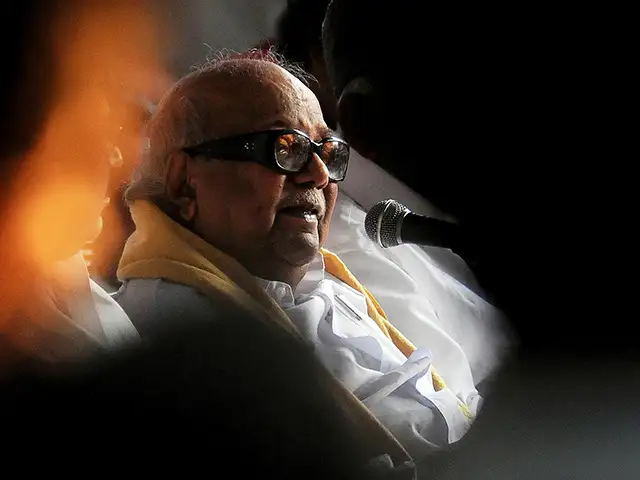
Karunanidhi to the end remained a people’s politician, attuned to their hopes and aspirations either in dealing with the Centre or while sparring with Jayalalithaa's AIADMK. In and out of power during the nearly five decades he captained DMK, Kalaignar, as he was respectfully called, mentored a league of political proteges and spawned powerful enemies.
Despite passing on the mantle to his son MK Stalin in his sunset years, Karunanidhi remained the leading light, evoking fervent slogans of “Dr. Kalaignar Vaazhga” whenever he visited the party HQ Anna Arivalayam.
Muthuvel Karunanidhi was born on June 3, 1924, in Thirukkuvalai, about 300 km from Chennai, into a family that had music in its veins. Although impoverished, and against the expectations of his folks, he as a young man embarked on a different journey.
He arrived in Madras to join EV Ramaswamy's Justice Party, where his abundant talent for writing scripts became useful at a time theatre and cinema were becoming vehicles of social change and political empowerment. He grew in stature with Parasakti - starring the eminent actor Sivaji Ganesan - whose long elegant dialogues questioned existing social hierarchies. It set the tone for the advancement of the Dravidian ideology with its incipient anti-Brahminism and anti-Hindi sentiments finding resonance with a large number of people.
ADVERTISEMENT
Karunanidhi cut his teeth in politics through the activist route, by agitating against the change of name of Kallakudy to Dalmiapuram after a big cement plant was set up there. His strong words and actions caught attention, and four years later he was elected to the state assembly from Kulithalai constituency.During the time of his ascendancy arrived the good-looking actor Marudhur Gopalan Ramachandran, a Sri Lanka-born Malayali, who clicked with his 1950 film Manthiri Kumari (The Minister’s Daughter) . The success was hugely owed to screenwriter Karunanidhi - ironically - as the movie catapulted MGR to stardom, and subsequently political success.
Karunanidhi and MGR turned rivals after the actor was expelled from DMK, and over the years, even as the split widened , Karunanidhi kept referring to him as a "dear friend". That personal touch vanished after Jayalalithaa took charge of AIADMK after the death of MGR.
Over the next more than two decades Dravidian politics saw spells of revenge politics with both Karunanidhi and Jayalalithaa trying to incarcerate the other when in power. In 2001, Karunanidhi was dragged out of his house in the middle of the night and put in jail by Jayalalithaa. It evoked nation-wide sympathy for him.
ADVERTISEMENT
“Animosity between Karunanidhi was Jayalalithaa was much more stronger, bitter and spiteful that what existed between him and MGR,” says political analyst Perumal Mani. “This hatred defined the personality-based politics of Tamil Nadu, faces a true test now, with both of them no more."Karunanidhi’s colourful career was not without its dark shades. The Sarkaria Commission indicated favouritism on his part in the Veeranam Project and his last tenure as chief minister was marred by increased allegations of land grabbing. Contrary to Jayalalithaa's style, he let his kith and kin thrive in politics - from Murasoli Maran to MK Stalin to Madurai strongman Alagiri to Rajya Sabha MP Kanimozhi, all were accommodated. It was only when elder son Alagiri attacked Stalin directly that he was expelled from the party.
ADVERTISEMENT
In 2006, Karunanidhi pioneered the Tamil Nadu formula of winning elections - free colour television sets or household utensils and rice at Re 1. It works like a charm even today. He was quick to leverage political vacuums and opportunities. Even though he was displaced from power many times by AIADMK founder MG Ramachandran and his political protege Jayalalithaa, Karunanidhi would still off and on set the political narrative. A case in point was his 2016 electoral promise on prohibition which the Jayalalithaa government was forced to turn into a poll plank.
Failing health forced his withdrawal from politics over the last few years and the vacuum was immediately felt. The 2016 state poll was handled mostly by Stalin, and the son's decision then to ally with a failing Congress while Jayalalithaa was striking out on her own was criticised after the polls.
In January 2017, with his father's health worsening, a teary-eyed Stalin stepped on to the stage at a function in Chennai, signifying a change of era.
Karunanidhi was a great scholar and fiery orator, especially while speaking for the oppressed. He also floored followers and journalists with his wry humour, and the classical Tamil language found new horizons whenever he was in his elements.
His repartees were legendary. Once a senior journalist, RK Radhakrishnan, asked him about a DMK succession plan with Stalin as Seyal Thalaivar or Working President. After patiently hearing him out, Karunanidhi retorted: "What would I be then? A Seyyalattra Thalaivar( Jobless President)?
In the trying times that lie ahead, Tamil politics will badly miss his wit and wisdom.
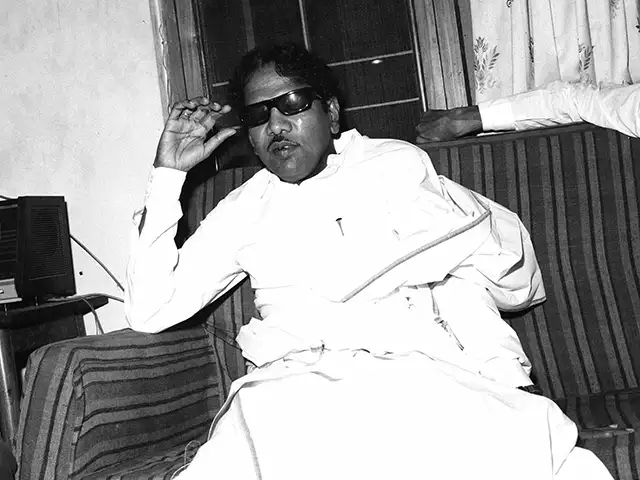
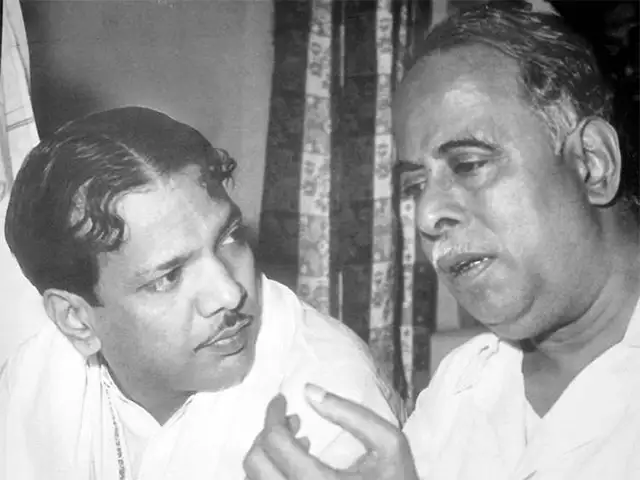
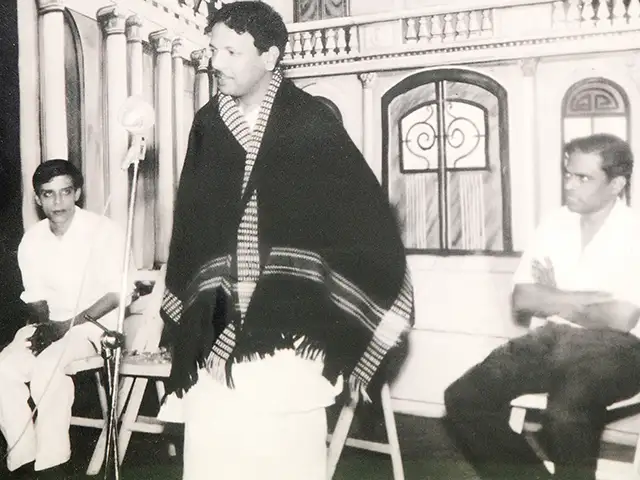
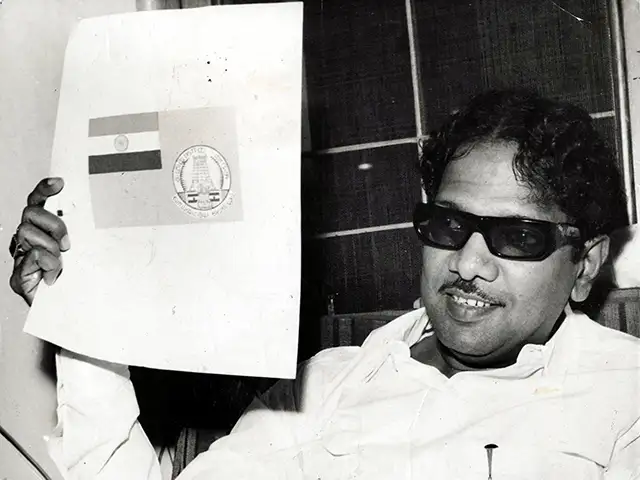
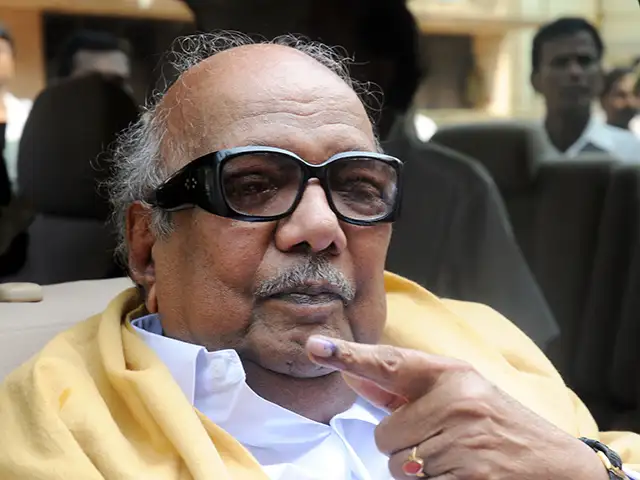
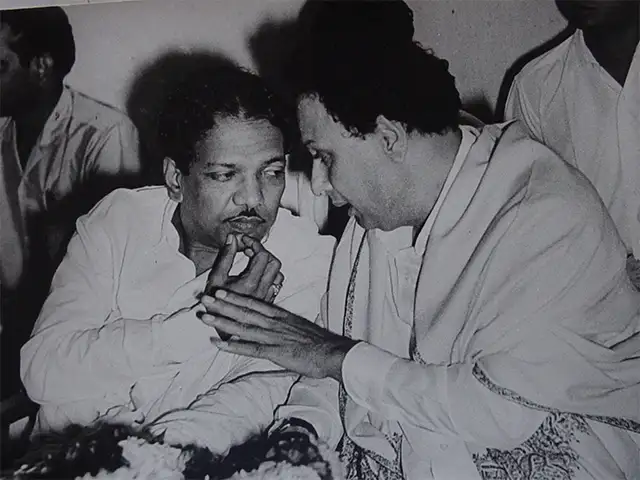
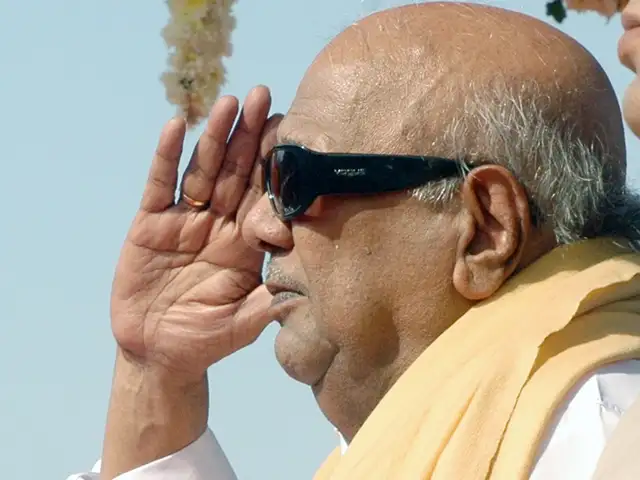
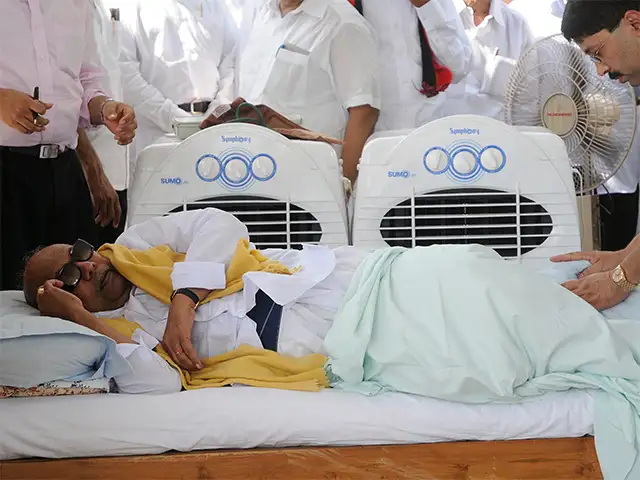
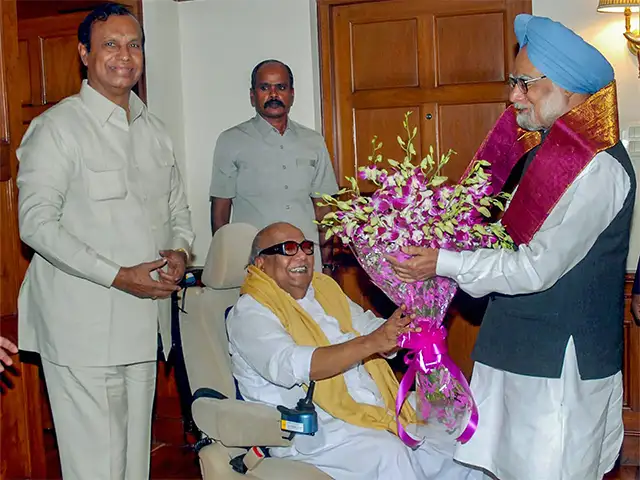
Karunanidhi, who was affectionately called 'Kalaignar' by his supporters, left an impregnable impression on the political map of Tamil Nadu. Karunanidhi was chief minister of Tamil Nadu five times and successfully contested 12 state elections, building legions of supporters on the way.
Here is a look at his political journey:

Download
The Economic Times Business News App for the Latest News in Business, Sensex, Stock Market Updates & More.
The Economic Times Business News App for the Latest News in Business, Sensex, Stock Market Updates & More.
Download
The Economic Times News App for Quarterly Results, Latest News in ITR, Business, Share Market, Live Sensex News & More.
The Economic Times News App for Quarterly Results, Latest News in ITR, Business, Share Market, Live Sensex News & More.
ADVERTISEMENT


