Cyrus Mistry and Tatas spar over DoCoMo case, Mistry says Ratan Tata was always kept in loop
The handling of the $1.17 bn compensation slapped by an arbitration panel over breach of agreement with DoCoMo was one of the triggers for Mistry's removal.
By ET Bureau | Updated:

MUMBAI: Former Tata Sons chairman Cyrus Mistry has said he had kept Ratan Tata abreast of all developments regarding the group's dispute with NTT Docomo, the Japanese telecom company, and termed as baseless 'insinuations' that he went against the 'Tata culture' and ethos in handling the matter.
"Insinuations that the Docomo issue was handled under the watch of Mr. Mistry in a manner inconsistent with Tata culture and values are baseless," said a statement issued by Mistry's office on Tuesday.
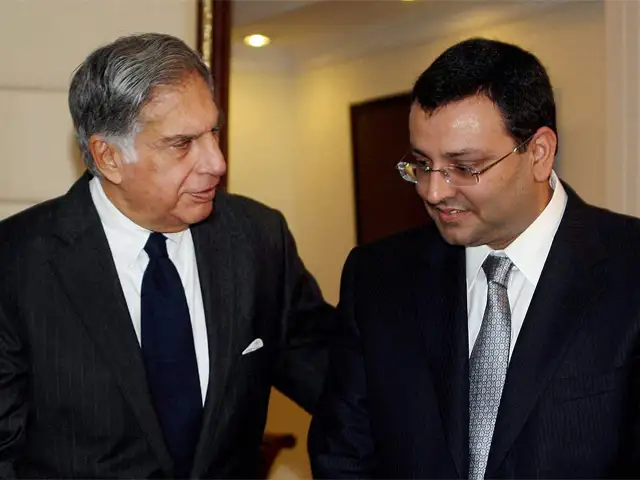
"The suggestion that Ratan Tata and the trustees would not have approved of the manner in which the litigation was conducted is contrary to what transpired," the statement said. It added that Ratan Tata and NA Soonawala, a trustee, were kept informed of the developments in the dispute involving the Japanese telco.
Also Read: Removal of Mistry was necessary for the future success of Tata Group, says Tata

Docomo's attempt to exit its telecom joint venture with the Indian group has since degenerated into an ugly public and court battle.
"They also participated in the meeting with the legal counsel (who also happened to be a trustee of the Dorabji Tata Trust) and who represented Tatas in the litigation (with Docomo). At all times Ratan Tata and Soonawala concurred and approved the course of action adopted by Tatas and as advised by legal counsel," the statement said.
'RESPONSE TO SPECULATIONS'
Lawyers on the Tata side said the group has never alleged or sought clarification on Mistry’s handling of the Tata-Docomo tussle, saying Mistry was reacting to speculation.
But Tata Sons in a statement last Thursday had said Mistry’s tenure was marked by repeated departures from the culture and ethos of the group.
Media reports have suggested that Tata was unhappy with the way Mistry had handled the Docomo dispute, as the group's inability to honour its commitment had impacted its image internationally. This is said to be one of the several flashpoints between the two men.
Abhishek Singhvi, who is representing Ratan Tata in the legal battle after Mistry's ouster, said, "The Tatas have never believed in engaging in tu tu main main (verbal blame game). Washing dirty linen in public in instalments is not going to provoke Tata's into a slanging match."
Mistry's Shapoorji & Palonji group owns 18.4% stake in Tata Sons, making it the single largest minority shareholder in India's oldest business house. Tata Trusts own two-thirds of the shareholding in the group.
'COLLECTIVE CALLS'
The statement from Mistry's office said the agreement with Docomo was inked before Mistry took over as Tata Group chairman in 2012. It added that all decisions regarding Docomo were taken with approval from the board and were collective calls.
Tata Teleservices' financial struggles had prompted the Japanese company to seek an exit. Under the agreement, the Tatas had offered to return half of Docomo's original amount at the end of five years if the partners wanted to part ways but later did not do so citing Reserve Bank of India (RBI) regulations. Docomo filed for international arbitration and won an award of $1.17 billion. Docomo has since moved a local court to implement the award, but the Tatas have said they can't pay, again citing the RBI rules.
In order to show their bonafides, the Tatas deposited a sum in excess of Rs 8,000 crore in court, said Mistry's statement. Tata and Soonawala had been kept in the loop for all the developments, the statement said.
"In light of the above facts, to suggest that Mr. Mistry acted on his own, or contrary to "Tata values", or without the knowledge and/or concurrence of Ratan Tata and Soonawala is as false as it is mischievous," the statement added.
KHAMBATA EXIT
The Mistry statement came a few hours after news of Darius Khambata, former Additional Solicitor General of India and Maharashtra Advocate General, quitting the Sir Dorabji Tata Trust became public. Khambata was the point person on the Tata-Docomo struggle through the arbitration and now the Delhi High Court drama as Docomo battles to get its investment back.
Khambata, who declined to comment, has been a junior under Iqbal Chagla, an eminent lawyer and a relative of Mistry.
This is the second time that Mistry has made a statement about Tata Docomo business after he was abruptly replaced as Tata Sons chairman last week. In his previous letter to the Tata Sons' Board and Tata Trustees, Mistry said the telecom business was "continuously haemorrhaging."
He said that if the group was to exit the business via a fire sale or closure, the cost would amount to $4-5 billion, apart from a payout of at least $1 billion to Docomo. He also questioned the deal with the Japanese company.
"Insinuations that the Docomo issue was handled under the watch of Mr. Mistry in a manner inconsistent with Tata culture and values are baseless," said a statement issued by Mistry's office on Tuesday.
"The suggestion that Ratan Tata and the trustees would not have approved of the manner in which the litigation was conducted is contrary to what transpired," the statement said. It added that Ratan Tata and NA Soonawala, a trustee, were kept informed of the developments in the dispute involving the Japanese telco.
Also Read: Removal of Mistry was necessary for the future success of Tata Group, says Tata
ADVERTISEMENT
Docomo's attempt to exit its telecom joint venture with the Indian group has since degenerated into an ugly public and court battle.
"They also participated in the meeting with the legal counsel (who also happened to be a trustee of the Dorabji Tata Trust) and who represented Tatas in the litigation (with Docomo). At all times Ratan Tata and Soonawala concurred and approved the course of action adopted by Tatas and as advised by legal counsel," the statement said.
ADVERTISEMENT
Also Read: New angle to Mistry-Tata spat - Tata Sons had lauded ex-chairmanADVERTISEMENT
Debasis Ray, spokesperson for Tata Sons, declined to comment on the statement, saying the Docomo matter is sub-judice, but added, "insinuations are being imagined."'RESPONSE TO SPECULATIONS'
Lawyers on the Tata side said the group has never alleged or sought clarification on Mistry’s handling of the Tata-Docomo tussle, saying Mistry was reacting to speculation.
But Tata Sons in a statement last Thursday had said Mistry’s tenure was marked by repeated departures from the culture and ethos of the group.
Media reports have suggested that Tata was unhappy with the way Mistry had handled the Docomo dispute, as the group's inability to honour its commitment had impacted its image internationally. This is said to be one of the several flashpoints between the two men.
Abhishek Singhvi, who is representing Ratan Tata in the legal battle after Mistry's ouster, said, "The Tatas have never believed in engaging in tu tu main main (verbal blame game). Washing dirty linen in public in instalments is not going to provoke Tata's into a slanging match."
Mistry's Shapoorji & Palonji group owns 18.4% stake in Tata Sons, making it the single largest minority shareholder in India's oldest business house. Tata Trusts own two-thirds of the shareholding in the group.
'COLLECTIVE CALLS'
The statement from Mistry's office said the agreement with Docomo was inked before Mistry took over as Tata Group chairman in 2012. It added that all decisions regarding Docomo were taken with approval from the board and were collective calls.
Tata Teleservices' financial struggles had prompted the Japanese company to seek an exit. Under the agreement, the Tatas had offered to return half of Docomo's original amount at the end of five years if the partners wanted to part ways but later did not do so citing Reserve Bank of India (RBI) regulations. Docomo filed for international arbitration and won an award of $1.17 billion. Docomo has since moved a local court to implement the award, but the Tatas have said they can't pay, again citing the RBI rules.
In order to show their bonafides, the Tatas deposited a sum in excess of Rs 8,000 crore in court, said Mistry's statement. Tata and Soonawala had been kept in the loop for all the developments, the statement said.
"In light of the above facts, to suggest that Mr. Mistry acted on his own, or contrary to "Tata values", or without the knowledge and/or concurrence of Ratan Tata and Soonawala is as false as it is mischievous," the statement added.
KHAMBATA EXIT
The Mistry statement came a few hours after news of Darius Khambata, former Additional Solicitor General of India and Maharashtra Advocate General, quitting the Sir Dorabji Tata Trust became public. Khambata was the point person on the Tata-Docomo struggle through the arbitration and now the Delhi High Court drama as Docomo battles to get its investment back.
Khambata, who declined to comment, has been a junior under Iqbal Chagla, an eminent lawyer and a relative of Mistry.
This is the second time that Mistry has made a statement about Tata Docomo business after he was abruptly replaced as Tata Sons chairman last week. In his previous letter to the Tata Sons' Board and Tata Trustees, Mistry said the telecom business was "continuously haemorrhaging."
He said that if the group was to exit the business via a fire sale or closure, the cost would amount to $4-5 billion, apart from a payout of at least $1 billion to Docomo. He also questioned the deal with the Japanese company.
Download
The Economic Times Business News App for the Latest News in Business, Sensex, Stock Market Updates & More.
The Economic Times Business News App for the Latest News in Business, Sensex, Stock Market Updates & More.
Download
The Economic Times News App for Quarterly Results, Latest News in ITR, Business, Share Market, Live Sensex News & More.
The Economic Times News App for Quarterly Results, Latest News in ITR, Business, Share Market, Live Sensex News & More.
Related Articles
 Tata Sons’ board huddle today: What Bombay House has been battling in post-Ratan Tata era2026-05-26T05:58:55Z
- Bombay HC refuses to stay Sir Ratan Tata Trust meeting; Tata Sons board representation on agenda2026-05-07T19:18:01Z
- Tata Sons takes Ratan Tata bungalow on lease in South Mumbai’s Colaba2026-03-11T11:53:07Z
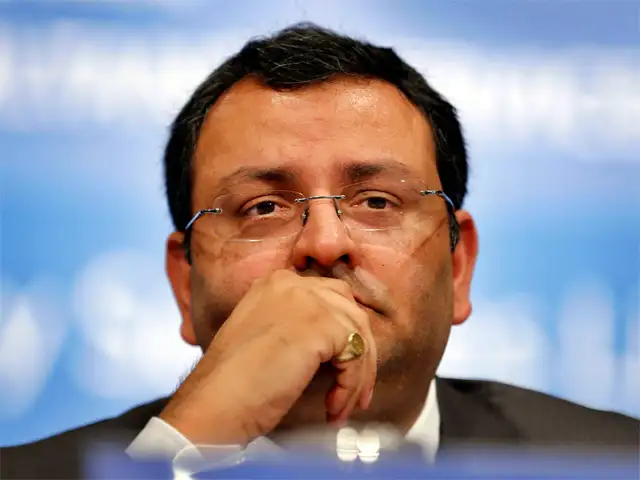
Cyrus Mistry’s term ended rather abruptly on Monday, earning him the dubious distinction of being the chairman of Tata Sons for the shortest time. Nowroji Saklatwala had a six-year run compared to Mistry’s four. Therefore, it’s a bit harsh to judge Mistry, given that he had a brief innings and perhaps needed more time to leave any kind of an imprint.
However, here are some possible reasons that might have made Tata felt Cyrus may not the best bet for long-term.

ADVERTISEMENT


