
8 Nifty stocks delivered negative returns over 5 years. Do you own any?

1/9
Taking stock
The Indian stock market has seen a sharp upturn but an equally sharp downturn over the past five years, pushing many of India’s most trusted bluechip stocks sharply lower as Trump’s tariff flipflops, Middle East war, falling rupee, surging bond yields and sharp FII outflows weighed. Here are 8 Nifty 50 stocks that have delivered negative returns over the past five years.

2/9
Infosys
Infosys has been the worst performer among the Nifty 50 stocks on a five-year basis, dropping around 37% even while the benchmark index soared more than 23%. The shares of the company have fallen over 33% in 2026 so far, as AI-related worries have pressured India’s much touted IT stocks. The stock has however gained around 10% in a week as global AI selloff and strong earnings boosted sentiment.
Also read | Rs 5 lakh crore worth FII outflows since 2024 capital gains tax hike wreak havoc on Dalal Street. Is a reversal on the cards?
Also read | Rs 5 lakh crore worth FII outflows since 2024 capital gains tax hike wreak havoc on Dalal Street. Is a reversal on the cards?
3/9
TCS
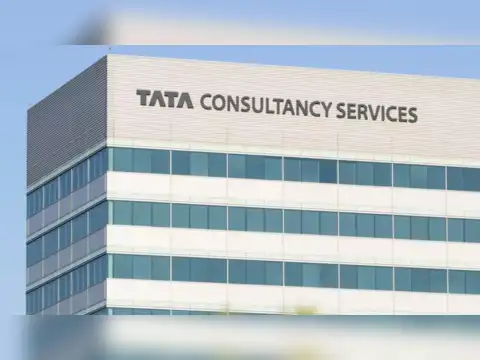
Tata Consultancy Services (TCS) accompanied its IT peer Infosys, with its stock falling more than 36% in the past five years. The shares of India's largest IT services company have fallen over 28% in 2026 so far. The stock has however gained around 11% in a week, but fell 22% in a year and 35% in three years.

4/9
Hindustan Unilever
FMCG major Hindustan Unilever (HUL) has delivered negative returns of more than 28% in the past five years. The shares of the company have fallen more than 18% in 2026 so far, 24% in one year and over 26% in three years.

5/9
Asian Paints
Asian Paints shares have dropped nearly 29% in the past five years, with the stock delivering negative returns of nearly 26% in the past three years and 15% in 2026 so far. The selloff in the stock was further fuelled by the sharp surge in crude oil prices, a key raw material needed by the paints industry, in 2026 as the Middle East conflict triggered supply concerns.
6/9
HDFC Life
HDFC Life Insurance Company shares have dropped around 22% in the past five years. The stock has overall fallen 27% in 2026 so far and 13% in three years. The company has a market capitalisation of more than Rs 1.18 lakh crore.

7/9
HDFC Bank
HDFC Bank shares have lost around 16% in the past five years, with the stock losing over 28% in 2026 so far as governance worries clouded investors’ optimism for the heavyweight shares of India’s largest private lender. The stock has fallen more than 27% in one year and over 7% in three years.
Also read | Which bank stock should you buy ahead of Q2 results - HDFC Bank, ICICI Bank, Yes Bank or Axis Bank?
Also read | Which bank stock should you buy ahead of Q2 results - HDFC Bank, ICICI Bank, Yes Bank or Axis Bank?

8/9
Reliance Industries
Reliance Industries, India’s most valuable company, has also delivered negative returns of more than 13% over the past five years, wiping off a significant portion of investors’ wealth. The stock has dropped more than 25% in 2026 so far and nearly 7% in a month.
9/9
Bajaj Finserv
Bajaj Finserv shares have dropped nearly 7% in the past five years, although the stock has delivered positive returns of nearly 5% in three years. The stock has however fallen 15% in one year and 10% in a month.
Disclaimer: This article has been written by Debaroti Adhikary, who is not a SEBI-registered Research Analyst or an Investment Adviser. Debaroti Adhikary and his/her ‘relative(s)’ (as defined under Section 2(77) of the Companies Act, 2013) do not hold any financial interest in the companies mentioned in this article as of the date of publication. The views/recommendations mentioned in this article, wherever applicable, are those of the respective SEBI-registered Research Analyst/brokerage and have been reproduced/reported with due attribution. They should not be construed as the views or recommendations of The Economic Times Digital or the journalist. Readers are advised to consider the original research report and make their investment decisions based on their own assessment. Brokerage disclaimers here.
Disclaimer: This article has been written by Debaroti Adhikary, who is not a SEBI-registered Research Analyst or an Investment Adviser. Debaroti Adhikary and his/her ‘relative(s)’ (as defined under Section 2(77) of the Companies Act, 2013) do not hold any financial interest in the companies mentioned in this article as of the date of publication. The views/recommendations mentioned in this article, wherever applicable, are those of the respective SEBI-registered Research Analyst/brokerage and have been reproduced/reported with due attribution. They should not be construed as the views or recommendations of The Economic Times Digital or the journalist. Readers are advised to consider the original research report and make their investment decisions based on their own assessment. Brokerage disclaimers here.