World Hand Hygiene Day: Phones & keys can be dirtier than you think; it's crucial to maintain hygiene
Washing hands can prevent diarrhoea, respiratory, skin and eye infections.
By ET CONTRIBUTORS | Updated:

Getty Images
Learning the proper technique to washing hands will help keep Covid-19 at bay during the pandemic. Washing hands offer fool proof protection against germs, viruses, and bacteria. Whether you are at home or travelling, it is essential to maintain good hand hygiene.
Skipping washing hands after you get back home or before your meal can take a turn for the worse. Hand washing may seem like a small and tedious step, but can have a major impact on your well-being. When one steps out to buy medicines or groceries, there is not way of knowing where those packaged items have been, and can things bring in germs and bacteria along.
Not maintaining proper hand hygiene can put you at the risk of suffering from various diseases, allergies and health conditions. The diseases range from gastrointestinal infections like salmonella, respiratory infections, and even influenza. Food poisoning, chickenpox, respiratory and skin infections can spread just via a handshake. Germs can transfer from unwashed hands to the food and drinks you are handling. Excreta of people or animals accidentally mixed in food or drinking water can cause salmonella, E.Coli bacteria and norovirus, leading to diarrhoea and spreading of infections such as adenovirus and hand-foot-mouth disease.
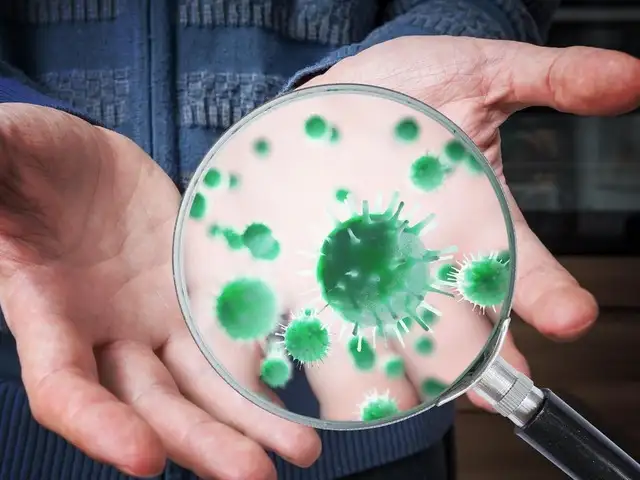
Make sure you clean telephone wires, door handles, wallets, keys, doorknobs, countertops, among other objects, as they contain germs and bacteria that can be transferred on touching. Germs tend to stick to your hands after visiting the restroom or changing the baby's diaper. Washing hands will prevent diarrhoea, respiratory, skin and eye infections.
Currently, during the pandemic, it is the need of the hour to wash the hands as it is one of the most effective ways to curb the spread of the virus. People tend to touch their eyes, mouth and nose, and the virus can enter your body from hands.
When is the ideal time to wash your hands?
Tips to maintain hand hygiene
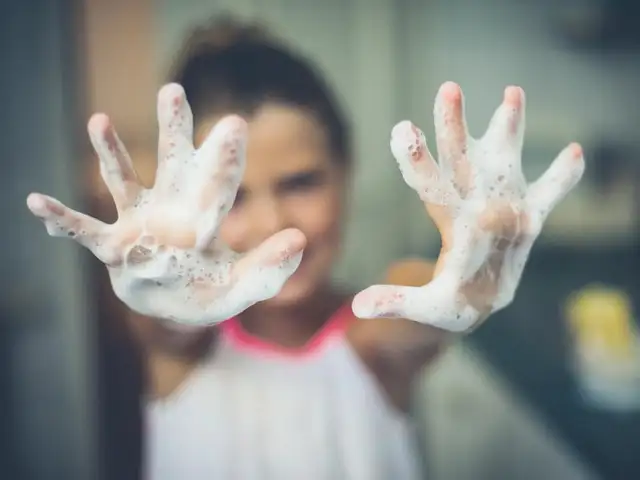
Skipping washing hands after you get back home or before your meal can take a turn for the worse. Hand washing may seem like a small and tedious step, but can have a major impact on your well-being. When one steps out to buy medicines or groceries, there is not way of knowing where those packaged items have been, and can things bring in germs and bacteria along.
Not maintaining proper hand hygiene can put you at the risk of suffering from various diseases, allergies and health conditions. The diseases range from gastrointestinal infections like salmonella, respiratory infections, and even influenza. Food poisoning, chickenpox, respiratory and skin infections can spread just via a handshake. Germs can transfer from unwashed hands to the food and drinks you are handling. Excreta of people or animals accidentally mixed in food or drinking water can cause salmonella, E.Coli bacteria and norovirus, leading to diarrhoea and spreading of infections such as adenovirus and hand-foot-mouth disease.
Make sure you clean telephone wires, door handles, wallets, keys, doorknobs, countertops, among other objects, as they contain germs and bacteria that can be transferred on touching. Germs tend to stick to your hands after visiting the restroom or changing the baby's diaper. Washing hands will prevent diarrhoea, respiratory, skin and eye infections.
Currently, during the pandemic, it is the need of the hour to wash the hands as it is one of the most effective ways to curb the spread of the virus. People tend to touch their eyes, mouth and nose, and the virus can enter your body from hands.
When is the ideal time to wash your hands?
- After accessing the washroom
- Before having the meal
- Before preparing food
- Before and after changing the nappies of the baby
- After using a handkerchief or tissue for coughing or sneezing
- Before taking medication
- After touching the doorknob, kitchen counter-top, wallets, keys, remote, and doors.
- After touching animals or handling the garbage
- Before and after attending sick members in the family.
ADVERTISEMENT
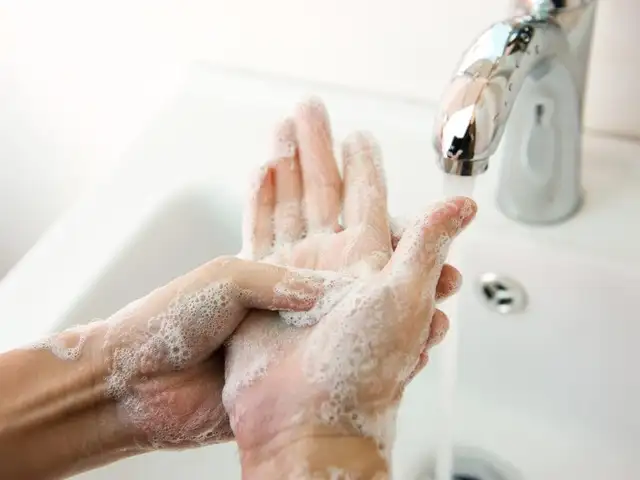
How to wash your hands properly?- Wash your hands with running clear water from the tap. Apply soap to your hands. And it need not be an antibacterial soap. Any soap recommended by your doctor will help you kill the germs, bacteria, and viruses present on the hands.
- Rub your hands properly and wash the back of the hands, wrists, between the fingers, and even under your nails. Lather for at least 20 seconds. Make sure that no traces of soap are left behind. If the soap is causing skin irritation when it comes to your hands then consult the doctor.
- Do not wear rings while washing your hands as they may contain bacteria.
- Dry your hands with a clean towel. Keep a separate towel for each family member for cleaning the hands.
- To make your children wash their hands, just sing along with them while doing so. Tell them stories about handwashing and killing the germs. Supervise how they wash their hands. Set handwashing reminders for them. Reward them when they wash their hands.
Tips to maintain hand hygiene
- Use gloves while washing utensils and protect your hands.
- Use gloves while you opt for gardening and handling the soil.
- Swear by a good hand cream recommended by the doctor.
- Use a hand sanitizer when required.
- If you are required to visit the hospital then wash your hands after coming home.
Keeping your hands clean menas staying healthy. As easy as it appears, washing hands come with a lot of dos and don'ts that people are not aware of.
On World Hand Hygiene Day, here's a list of facts that will ensure you always choose the right way to wash your hands.


(Disclaimer: The opinions expressed in this column are that of the writer. The facts and opinions expressed here do not reflect the views of www.economictimes.com.)
Download
The Economic Times Business News App for the Latest News in Business, Sensex, Stock Market Updates & More.
The Economic Times Business News App for the Latest News in Business, Sensex, Stock Market Updates & More.
ADVERTISEMENT


