New parents, please note: Newborns less likely to contract coronavirus from mothers
With masks and washed hands, skin-to-skin contact won't harm the babies.
By PTI |
iStock
The researchers believe it is particularly important that mothers with COVID-19 have the opportunity to directly breastfeed their newborns.
NEW YORK: Moms with COVID-19 who take basic precautions rarely pass the novel coronavirus to their newborns, even if breastfeeding, according to a new study which says more extensive measures like separating the infected mothers from their babies may not be warranted. The research, published in the journal JAMA Pediatrics, examined outcomes in the first 101 newborns born to COVID-19-positive mothers at the NewYork-Presbyterian Hospital in the US from March 13 to April 24, 2020.
"Our findings should reassure expectant mothers with COVID-19 that basic infection-control measures during and after childbirth -- such as wearing a mask and engaging in breast and hand hygiene when holding or breastfeeding a baby -- protected newborns from infection in this series," said Cynthia Gyamfi-Bannerman, a co-author of the study from Columbia University Irving Medical Center in the US.
To reduce the risk of transmitting the SARS-CoV-2 virus to newborns after delivery, the researchers said the hospital staff practised social distancing, wore masks, and placed COVID-positive moms in private rooms.
They said the hospitals also provided the mothers with educational materials about COVID-19 and shortened hospital stays for those without complications from delivery.
Most of the newborns roomed with their mothers, including during the first postpartum checkup, while some were admitted to the intensive care unit for non-COVID-related health reasons, the study noted.
The scientists said they placed the infants who roomed with their moms in protective cribs six feet away from the mothers' beds when resting.
ADVERTISEMENT
They encouraged direct breastfeeding and skin-to-skin contact with babies, provided the moms wore masks and washed hands and breasts with soap and water.
"During the pandemic, we continued to do what we normally do to promote bonding and development in healthy newborns, while taking a few extra precautions to minimise the risk of exposure to the virus," Gyamfi-Bannerman said.
According to the study, only two of the newborns tested positive for the coronavirus, but they had no clinical evidence of illness.
The researchers believe that breast milk is known to protect newborns against numerous pathogens, and it may help protect newborns against infection with SARS-CoV-2.
ADVERTISEMENT
However, the researchers were unable to pinpoint how the babies became infected.
When the physicians followed up with about half of the infants, including the two that tested positive for the virus, during the first two weeks of life, they found that all remained healthy.
ADVERTISEMENT
According to the researchers the interim guidelines released by pediatric and health organisations for pregnant women with the coronavirus, recommends the separation of mothers and newborns during their hospital stay, no direct breastfeeding, and bathing newborns as soon as possible.
However, they said these recommendations were made in the absence of data on rates of mother-to-newborn transmission of the virus.
The scientists said these guidelines are based on experience with mother-newborn transmission of other infectious diseases.
"But some of the recommendations conflict with what we know about the developmental benefits of early breastfeeding and skin-to-skin contact," said study lead author Dani Dumitriu from the Columbia University Vagelos College of Physicians and Surgeons in the US.
"Our study shows that these measures may not be necessary for healthy newborns with COVID-positive moms," Dumitriu said.
The researchers believe it is particularly important that mothers with COVID-19 have the opportunity to directly breastfeed their newborns.
"Breast milk is known to protect newborns against numerous pathogens, and it may help protect newborns against infection with SARS-CoV-2. Most studies have not found SARS-CoV-2 in breast milk, and breast milk has been found to contain antibodies against the virus," Gyamfi-Bannerman explained.
Coronavirus Can Get Children Worried: Here's How To Have The Talk
1/7
In the wake of coronavirus, several schools and colleges have been shut in many parts of the world to contain the spread of COVID-19. As public awareness and conversations around the novel virus increase, the situation can get the children anxious and worried for their family members and friends.
Parents, family members, teachers, healthcare professionals and trusted adults play a significant role in helping children make sense of what they hear in a way that is honest, accurate and minimise their fear or anxiety.
Dr Sreenath Manikanti, Senior Consultant Neonatologist & HOD Fortis La Femme Hospital, Richmond Road, Bangalore shares a few tips to help make the corona conversation easier around children.
In the wake of coronavirus, several schools and colleges have been shut in many parts of the world to contain the spread of COVID-19. As public awareness and conversations around the novel virus incr..
Read More
- Remember that children react to how and what things are said
- Children pick up cues from conversations you have with them and others
- Patiently listen to what they say, and allow them to ask questions
- Avoid using words that might blame others and lead to stigma
- Remember that the virus can make anyone sick. Avoid making assumptions about who might have COVID-19
- Pay attention to what children see, hear or read on television, radio or online
- Reduce the amount of screen time for children focused on COVID-19. Too much information on any one topic can lead to anxiety and worry
- Provide information to kids that is honest and accurate. Give information that is truthful and appropriate for the age and developmental level of the child
- Talk to children about how some stories on COVID-19 on the internet and social media may be based on rumours and inaccurate information
- Teach chilren everyday actions to reduce the spread of germs
- Stay calm and keep information simple
- Reassure children that health and school authorities are working very hard to keep everyone safe and healthy
- Teach dos and don'ts at home, schools and play areas
- Remember that children react to how and what things are said
- Children pick up cues from conversations you have with them and others
- Patiently listen to what they say, and allow them to ask qu..
Read More
- Stay 6 feet away from people who are coughing or sneezing or sick
- Cough or sneeze into a tissue or your elbow, and then throw the tissue into a closed bin
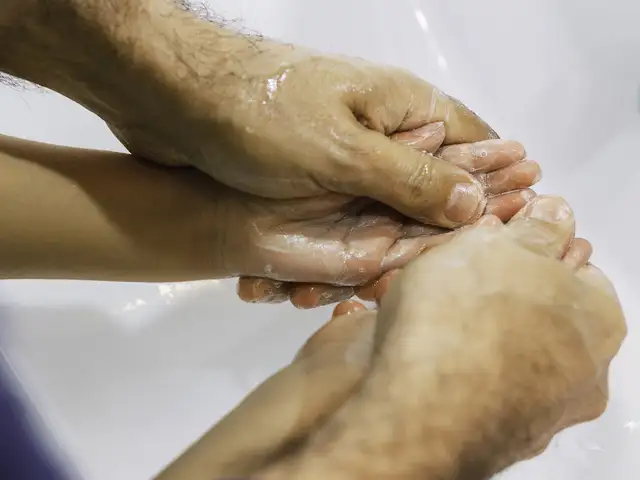
- Wash hands with soap and water for at least 20 seconds, especially after blowing nose, coughing or sneezing, after using restroom, and before eating or learning to prepare food
- If soap and water are not available, teach children to use hand sanitiser
- Stay 6 feet away from people who are coughing or sneezing or sick
- Cough or sneeze into a tissue or your elbow, and then throw the tissue into a closed bin
- Wash hands with soap and water for a..
Read More
- Avoid touching mouth, nose, eyes and face with unclean hands
- Avoid coughing or sneezing into hands
- Avoid crowded places
- Avoid touching surfaces in public places and play areas unnecessarily
- Avoid touching mouth, nose, eyes and face with unclean hands
- Avoid coughing or sneezing into hands
- Avoid crowded places
- Avoid touching surfaces in public places and play areas unnecessaril..
Read More
What is COVID-19?
- COVID-19 is the short name for 'coronavirus disease 2019'
- It is a new virus. Doctors are still learning more about it
- Recently, this virus has made a lot of people sick
- Doctors and scientists think that most people will be alright, especially kids, but some people might get very sick
- Doctors and experts are working hard to help people stay healthy
What is COVID-19?
- COVID-19 is the short name for 'coronavirus disease 2019'
- It is a new virus. Doctors are still learning more about it
- Recently, this virus has made a lot of people sick
- ..
Read More
- Practice healthy habits at home, school and play to help protect against the spread of COVID-19
- Cough or sneeze into a tissue or your elbow. If you sneeze or cough into a tissue, throw it in the dustbin right away
- Keep your hands out of your mouth, nose and eyes. This will help keep germs out of your body
- Wash your hands with soap and water for at least 20 seconds. If you don’t have soap and water, use hand sanitiser to clean the germs
- Keep things clean and hygienic
- If you have cough & fever, stay home. Just like you don’t want to get other people’s germs in your body, other people don’t want to get your germs either
- If you are old enough, you can help adults at home and school clean the things we touch the most like desks, doorknobs, light switches and remote controls
- Practice healthy habits at home, school and play to help protect against the spread of COVID-19
- Cough or sneeze into a tissue or your elbow. If you sneeze or cough into a tissue, throw it in the..
Read More
- COVID-19 can look different in different people. From what doctors have seen so far, most kids don’t seem to get very sick
- Being sick with COVID-19 would be a little bit like having the flu. Children may get a fever, cough or have a hard time taking deep breaths
- Most people who have contracted COVID-19 don't get very sick. Only a small group of people who get it have had more serious problems
- If you suspect your child may have COVID-19, call Government of India helpline +91-11-23978046 or contact nearest healthcare facility to let them know before you bring your child in to see them
- COVID-19 can look different in different people. From what doctors have seen so far, most kids don’t seem to get very sick
- Being sick with COVID-19 would be a little bit like having the flu. Chi..