Scientists believe coronavirus may increase risk of blood clots in pregnant women
The virus aggravates the risk of blood clots and strokes associated with oral contraceptive pills.
By PTI |

ThinkStock Photos
BOSTON: COVID-19 may increase the risk of blot cots in pregnant women, or in those taking estrogen with birth control or hormone replacement therapy, say scientists who call for the development of innovative animal experiment models to further study this association.
According to the researchers, including those from the Tufts University School of Medicine in the US, one of the many complications of COVID-19 is the formation of blood clots in previously healthy people.
They said the female hormone estrogen also increases the chance of blood clots during pregnancy, and in women taking birth control pills or hormone replacement therapy.
If infected with COVID-19, the risk of blood clotting could be even higher, and these women may need to undergo anticoagulation therapy, or discontinue their estrogen medicines, noted the research, published in the journal Endocrinology.
The scientists believe further research is needed to understand the effects of the novel coronavirus on coagulation, answering if the virus aggravates the risk of blood clots and strokes associated with oral contraceptive pills, other estrogen therapies, and pregnancy-associated risks.
"Research that helps us understand how the coronavirus causes blood clots may also provide us with new knowledge regarding how blood clots form in other settings and how to prevent them," Spratt said.
However, the scientists said understanding the cause of blood clotting in COVID-19, including the intersecting effects of estrogen therapy or pregnancy, has several hurdles and will require innovative animal and tissue models.
"The emergence of this pandemic and the curious impact of this virus on hypercoagulability emphasise the continuing need for additional research into coagulation pathology in women," they wrote in the study.
According to the researchers, including those from the Tufts University School of Medicine in the US, one of the many complications of COVID-19 is the formation of blood clots in previously healthy people.
They said the female hormone estrogen also increases the chance of blood clots during pregnancy, and in women taking birth control pills or hormone replacement therapy.
If infected with COVID-19, the risk of blood clotting could be even higher, and these women may need to undergo anticoagulation therapy, or discontinue their estrogen medicines, noted the research, published in the journal Endocrinology.
The scientists believe further research is needed to understand the effects of the novel coronavirus on coagulation, answering if the virus aggravates the risk of blood clots and strokes associated with oral contraceptive pills, other estrogen therapies, and pregnancy-associated risks.
ADVERTISEMENT
"During this pandemic, we need additional research to determine if women who become infected with the coronavirus during pregnancy should receive anticoagulation therapy, or if women taking birth control pills or hormone replacement therapy should discontinue them," said Daniel Spratt, the study's corresponding author from Tufts University School of Medicine in Boston, US."Research that helps us understand how the coronavirus causes blood clots may also provide us with new knowledge regarding how blood clots form in other settings and how to prevent them," Spratt said.
However, the scientists said understanding the cause of blood clotting in COVID-19, including the intersecting effects of estrogen therapy or pregnancy, has several hurdles and will require innovative animal and tissue models.
"The emergence of this pandemic and the curious impact of this virus on hypercoagulability emphasise the continuing need for additional research into coagulation pathology in women," they wrote in the study.
ADVERTISEMENT
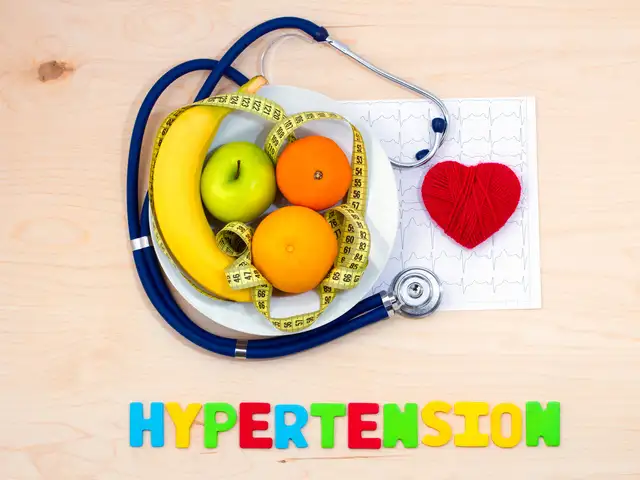
According to the researchers, collaborative efforts between clinicians and basic researchers, and between endocrinologists and hematologists are necessary to understand the interactions between the novel coronavirus and pregnancy or estrogen therapy that could guide clinical management.Hypertension is the most common and preventable risk factor for heart attacks, heart failure, stroke, kidney disease, and blockage of leg arteries causing pain and gangrene.
While it is important to follow a healthy lifestyle, one must educate oneself to control hypertension.
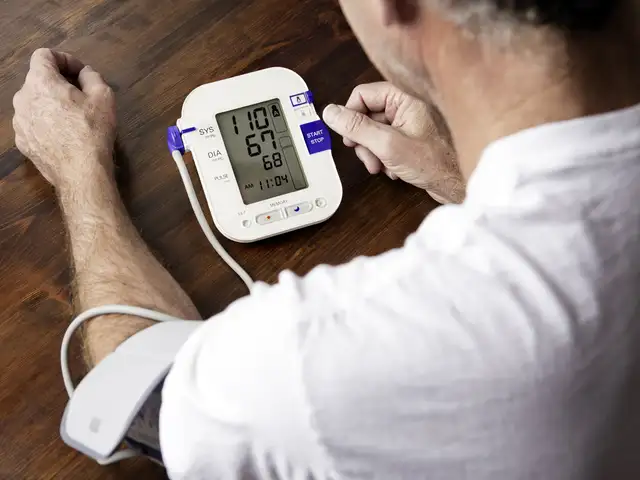
One can keep blood pressure (BP) under control with certain changes like eating a healthy diet (fruits/vegetables), working out daily, taking up a weight loss programme, quitting smoking, managing stress with yoga/meditation, and following up on medications and doctor's appointment regularly.
From lowering sodium intake to reducing alcohol intake, Dr Nikesh D Jain, Consultant Cardiologist at Jaslok Hospital and Research Centre, shares facts and myths about hypertension.






Download
The Economic Times Business News App for the Latest News in Business, Sensex, Stock Market Updates & More.
The Economic Times Business News App for the Latest News in Business, Sensex, Stock Market Updates & More.
ADVERTISEMENT


