World Diabetes Day: Diabetic shock can lead to seizures, coma: Never skip or delay a meal, eat enough
Visit a doctor if you feel irritable, anxious, and have disrupted sleep.
By ET CONTRIBUTORS |
Getty Images
Early treatment is essential because low blood sugar for longer time can lead to seizures or diabetic coma.
By Dr Ajay Agarwal
Diabetic shock occurs when blood sugar levels drop too low. While diabetic shock isn't a medical term, it is often used to describe a state of severe hypoglycemia that requires another person's help.
People with mild low blood sugar (mild hypoglycemia) are usually conscious and treat themselves. They often experience symptoms like headaches, dizziness, nervousness, sweating, shaking, irritability and a feeling of anxiety. Hypoglycemia can also disrupt a person's sleep due to nightmares, tiredness or confusion, and waking up with excessive sweating. When a person experiences diabetic shock, or severe hypoglycemia, s/he may experience symptoms like blurry or double vision, seizures, convulsions, drowsiness, losing consciousness, slurred speech, trouble speaking, confusion, jerky movements and clumsiness. Early treatment is essential because low blood sugar for longer time, can lead to seizures or diabetic coma.
Hypoglycemia can sometimes happen rapidly and may even occur when a person is following treatment plan. The patient with diabetes should know the symptoms, complications and possible treatment options. Hypoglycemia affects a person's movement and ability to think clearly, which can cause serious accidents, especially when driving or working near machines.
Insulin and some oral anti-diabetes medications, especially sulfonylurea class of drugs, which act by stimulating the pancreas to produce more insulin, can also lead to severe hypoglycemia. The examples of such drugs include Glimipride, Glibenclamide and Glipizide. Other risk factors for hypoglycemia include taking too much insulin at the time of meal or snack, skipping or delaying meal, alcohol consumption, not eating enough, not taking the proper dose of diabetes medication, increasing activity levels without adjusting food or medication intake, development of other medical problems, such as thyroid, kidney or adrenal disesase, longer duration of diabetes and older age.
If a patient with type-1 or type-2 diabetes starts having symptoms of low blood sugar, he can take few steps to help himself. As per the American Diabetes Association (ADA) guidelines, a person should check blood glucose levels first. If the levels are low, consume a sugary snack or drink containing 15 grams (g) of carbohydrate, then recheck blood sugar levels after about 15 minutes. If the levels are still low, repeat the process and consume another sugary food or drink. Once the levels have returned to normal, he or she can resume regular meal and snack schedule. A hormone called glucagon may help the patients at risk of diabetic shock. It comes in a pre-filled syringe and can be used in emergency to normalise the blood glucose levels. If a person becomes unconscious due to hypoglycemia, turn him or her on side and give gucagon injection. If not available, intravenous dextrose drip may help.
ADVERTISEMENT
Other risk factor for hypoglycemia include taking too much insulin at the time of meal or snack. The warning signs and symptoms of hypoglycemia should be taken seriously. When treating hypoglycemia, it is vital that a person does not take more glucose than required, as this can cause blood sugar levels to rebound too high. Some general lifestyle changes to avoid diabetic shock and hypoglycemia include regular monitoring of blood sugars, avoiding skipping meals or snacks, taking medication as prescribed, on time, and in precise doses, eating a meal or snack when drinking alcohol, adjusting medication and calorie intake when increasing physical activity levels, using continuous glucose monitors with alarm features for low blood sugars. People can prevent complications by carrying a medical alert bracelet or another form of identification to inform emergency personnel that they have diabetes. So, a patient can avoid diabetic shock by carefully monitoring their blood glucose levels, following their treatment plan, and by eating regular meals.
(The author is Principal Consultant of Diabetes, Endocrinology & Metabolic Disorder at Fortis Hospital, Shalimar Bagh)
Want To Keep Diabetes Away? Eat Walnuts, Apples, Carrots
1/10
While being active, staying hydrated, and checking blood glucose levels can work wonders, it is important to stick to a dietary plan that will ward off diabetes in the long run.
A recent study showed that antioxidant-rich walnuts can nearly halve the risk of developing Type-2 diabetes.
For patients, the ideal diabetic diet plan would be to have 1200-1600 calories per day. It is recommended that diabetics should eat good carbs, fats, and healthy proteins, but in small portions.
Doctors and dieticians share ultimate list of foods you must consume to stay healthy.
While being active, staying hydrated, and checking blood glucose levels can work wonders, it is important to stick to a dietary plan that will ward off diabetes in the long run.A recent study showed ..
Read More
After news of walnuts as you new superfood to keep diabetes away, it's time to look at the other superhero nuts and seeds. They have protective effects for people with diabetes. Flaxseeds/linseeds, almonds, peanuts, pumpkin seeds, macadamia nuts, pistachios, cashew nuts, chia seeds, etc are the best nuts and seeds for diabetics as they reduce and regulate the insulin levels in the body.
After news of walnuts as you new superfood to keep diabetes away, it's time to look at the other superhero nuts and seeds. They have protective effects for people with diabetes. Flaxseeds/linseeds, ..
Read More
They are a good source of high biological value protein. Eggs have good cholesterol, also called as High Density Lipoprotein (HDL), which is good for heart health. Studies have shown that it improves insulin sensitivity. They give satiety and improve blood sugar levels.
They are a good source of high biological value protein. Eggs have good cholesterol, also called as High Density Lipoprotein (HDL), which is good for heart health. Studies have shown that it improve..
Read More
It has an active compound called curcumin which has shown to improve sugar, promote cardiovascular health, and protect against kidney diseases.
It has an active compound called curcumin which has shown to improve sugar, promote cardiovascular health, and protect against kidney diseases.
Salmon have excellent amount of Omega-3 fatty acids (DHA and EPA) which is good for diabetics. The patients need good fat in their diet, and fish reduce inflammation and coronary risks which are common in diabetes.
Salmon have excellent amount of Omega-3 fatty acids (DHA and EPA) which is good for diabetics. The patients need good fat in their diet, and fish reduce inflammation and coronary risks which are com..
Read More
It improves blood sugars and blood pressure in diabetics. It's a herb with many great health benefits.
It improves blood sugars and blood pressure in diabetics. It's a herb with many great health benefits.
It's a potent antioxidant, and works like a hypoglycaemic drug. One should restrict consumption of cassia cinnamon which is poor variety and has coumarin. It is available in most grocery stores in India. If this variant is consumed in excess, it can have side effects. One should go for the Ceylon variant with less coumarin.
It's a potent antioxidant, and works like a hypoglycaemic drug. One should restrict consumption of cassia cinnamon which is poor variety and has coumarin. It is available in most grocery stores in I..
Read More
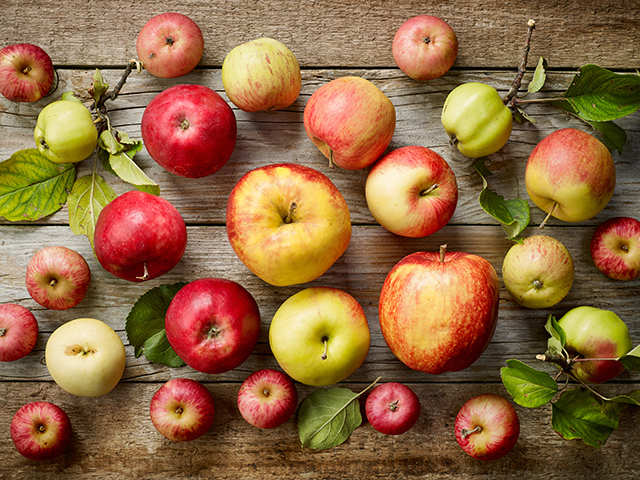
An apple a day keeps the doctor away! Apart from being great for your overall health, the natural-sugar in the fruit has a relatively low impact on the insulin and blood sugar levels in the body.
An apple a day keeps the doctor away! Apart from being great for your overall health, the natural-sugar in the fruit has a relatively low impact on the insulin and blood sugar levels in the body.
Diabetics can opt for carrots in their daily diet despite its sweet flavour as it can help manage blood glucose levels. Carrot juice may still contain sugar and carbohydrates, it won't spike the blood sugar levels.
Diabetics can opt for carrots in their daily diet despite its sweet flavour as it can help manage blood glucose levels. Carrot juice may still contain sugar and carbohydrates, it won't spike the bloo..
Read More
Whole tomatoes are low in carbohydrates. This fruit has minimal impact on blood sugars and is safe to consume for diabetics. Make sure you consume the fruit, and not the juice.
(Inputs from Dr Tejal Lathia, Consultant Endocrinologist, Hiranandani Hospital, Vashi - A Fortis Network Hospital; Dr Rohan Sequeira, Cardiometabolic Physician at Jaslok Hospital and Research Centre; Dr Mihir Raut, Consultant Physician & Diabetologist, Nanavati Super Speciality Hospital; Dietician Jasleen Kaur; and nutritionust Avni Kaul)
Whole tomatoes are low in carbohydrates. This fruit has minimal impact on blood sugars and is safe to consume for diabetics. Make sure you consume the fruit, and not the juice.
(Inputs from Dr Teja..
(Disclaimer: The opinions expressed in this column are that of the writer. The facts and opinions expressed here do not reflect the views of www.economictimes.com.)
Business News › Magazines › Panache › World Diabetes Day: Diabetic shock can lead to seizures, coma: Never skip or delay a meal, eat enoughText Size:AAA