World Blood Donor Day: 3 important reasons why donating blood is healthy
It is vital to raise awareness about the health benefits of blood donation.
By ET CONTRIBUTORS | Updated:
iStock
Donating blood releases happy hormones that elevates the mood.
By Dr Kishore Jha
The world needs more people who could donate blood, especially in these uncertain times.
Time and again, the Ministry Of Health and Family Welfare has been urging people to donate blood during the coronavirus outbreak. Various guidelines were designed for social distancing, masks, sanitisation processes so that people can come forward to donate blood even during the pandemic.
People suffering from various issues like obstetric hemorrhage, accidents, surgeries and other traumas require blood on an urgent basis, and the need for blood cannot be avoided. Patients with bone marrow disorders such as leukemia and thalassemia require blood and blood components for chemotherapy, regular transfusion and stem cell transplants.
Blood donation also helps in finding unknown health problems.
ADVERTISEMENT
Replenishes blood When blood is donated, the body is stimulated to produce new cells which further helps in enhancing overall health. To manage the balance, the body replaces the volume of blood lost within 48 hours of donation by producing new blood cells. This production helps in keeping the donor healthy, and makes his/her body function more efficient and productive.
Enhances heart health Blood donation helps in the reduction of iron level because of which the blood viscosity is significantly reduced that aids in protecting the body against cardiovascular diseases. It is believed that the chances of heart attacks are minimised.
Can work as a mini medical check-up India has four per cent, one per cent, and 0.26 per cent of its population infected with Hepatitis B (HBV), Hepatitis C (HCV) and HIV, respectively. In order to donate blood, one has to undergo a health screening test and a mini blood test before the process. It also includes blood pressure and hemoglobin level tests. The blood is scanned for major diseases like malaria, venereal diseases, hepatitis B, hepatitis C, HIV, among others, through which one can easily detect infection in donated blood at an early stage. This enhances blood safety. The entire process is helpful in finding unknown health problems.
ADVERTISEMENT
Donating blood releases happy hormones elevating the mood. Besides the health benefits of donating blood, the most satisfying and rewarding part is that you get to save lives and positively impact the connected lives. The Blood Donor Card is a badge of honour provided to every donor by the blood bank along with a certificate of recognition for the commitment shown towards helping a suffering fellow citizen.
(The author is Consultant - Transfusion Medicine at Suasth Hospital, Panvel, Navi Mumbai)
ADVERTISEMENT
World Blood Donor Day: Nuts, Dairy And Other Iron-Rich Foods For Good Blood Count
1/7
Unexplained fatigue, weakness, headaches, breathlessness, racing heart, dizziness and poor appetite could be signs of low haemoglobin.
Haemoglobin is an iron-rich protein present in red blood cells which determines the blood count and oxygen level in the body.
Mostly menstruating or pregnant women, growing children, and patients recovering from illnesses are susceptible to haemoglobin deficiency. A well-balanced diet with iron-rich food items can work wonders to increase the quality of blood.
Dr Kajal Yeptho Pandya, head of Department of Dietetics at Medanta - The Medicity explains how each meal with a variety of foods and portion sizes can up the haemoglobin level and moderate calorie intake.
Unexplained fatigue, weakness, headaches, breathlessness, racing heart, dizziness and poor appetite could be signs of low haemoglobin.
Haemoglobin is an iron-rich protein present in red blood cells ..
Read More
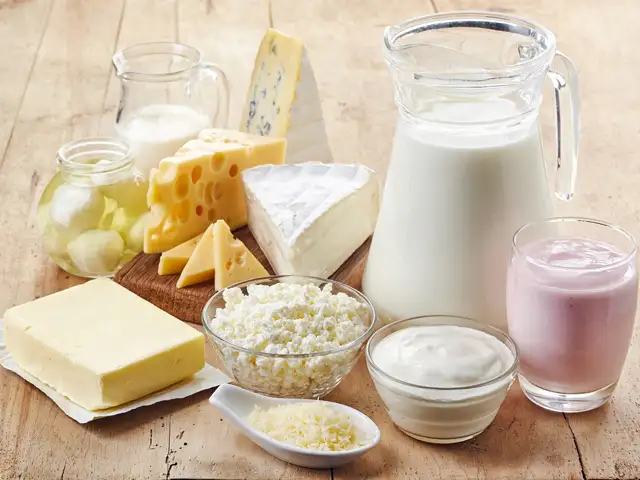
Dairy products provides proteins, vitamin D, and calcium for strong bones. Food items such as cheese, milk and yogurt are high in saturated fats. In order to moderate fat and calorie intake, it is best to choose low-fat or fat-free varieties of dairy foods.
Dairy products provides proteins, vitamin D, and calcium for strong bones. Food items such as cheese, milk and yogurt are high in saturated fats. In order to moderate fat and calorie intake, it is be..
Read More
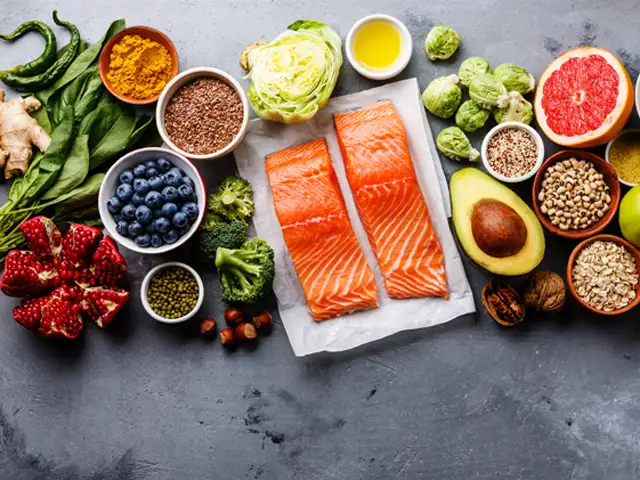
Protein-rich foods include beans, lentils, peas, eggs, nuts, seeds, soy proteins like tofu, skin-removed fish, and lean meat & poultry with visible fat. Eggs provide multiple vitamins and minerals, and meat & poultry are high in iron. Fish should be consumed regularly, particularly fish high in omega-3 fatty acids like salmon and sardines. Legumes are a rich source of fibres. Prefer grilling, poaching, dry frying or steaming over deep frying to minimise addition of fat content.
Protein-rich foods include beans, lentils, peas, eggs, nuts, seeds, soy proteins like tofu, skin-removed fish, and lean meat & poultry with visible fat. Eggs provide multiple vitamins and minerals, a..
Read More
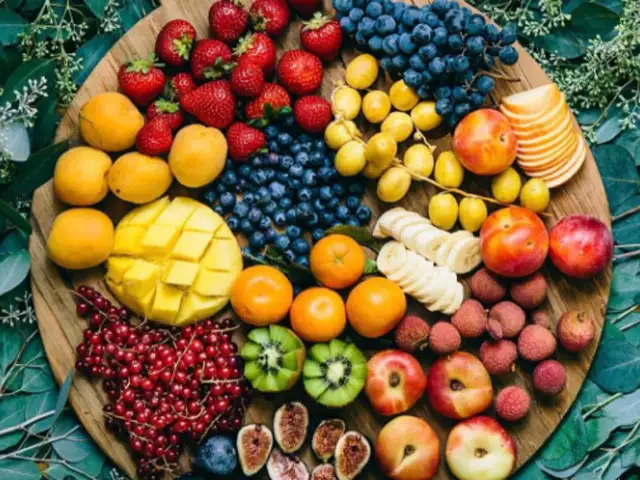
Fruits are fat-free, nutritious, low in calories and high in fibre. One must include 3-4 varieties of fruits such as beetroot, pomegranate, watermelon, apple, apricot, oranges, strawberries, papaya, grape fruit, banana, peach, mulberries, guava, litchis and kiwi to get a wide range of vitamins and minerals.
Fruits are fat-free, nutritious, low in calories and high in fibre. One must include 3-4 varieties of fruits such as beetroot, pomegranate, watermelon, apple, apricot, oranges, strawberries, papaya, ..
Read More
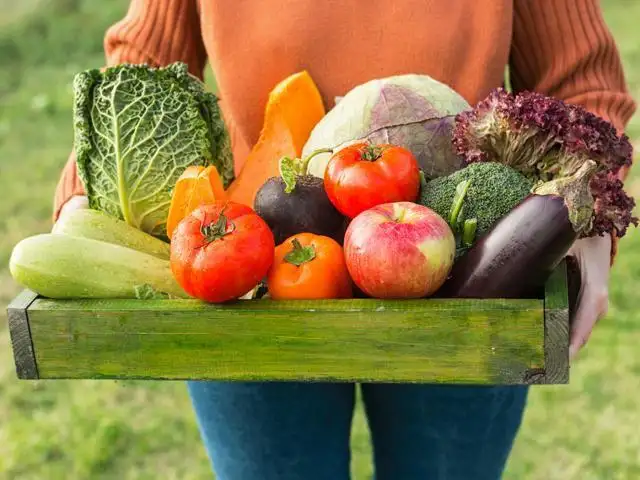
Veggies are low in calories, and high on vitamins and minerals. A wide variety of vegetables should be included in your meals (cooked or raw). Spinach, asparagus, broccoli, green peas, tomatoes, bell peppers, cauliflower, potatoes, fenugreek leaves and beans should be included in the diet daily.
Veggies are low in calories, and high on vitamins and minerals. A wide variety of vegetables should be included in your meals (cooked or raw). Spinach, asparagus, broccoli, green peas, tomatoes, bell..
Read More
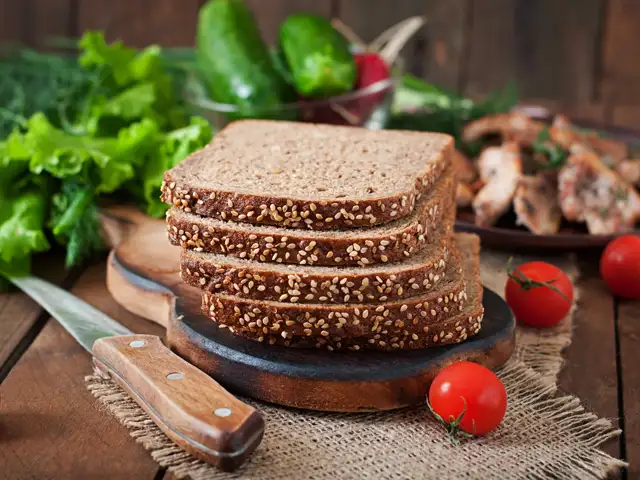
Opt for carbohydrate-rich foods like breads, cereals, pasta and rice. One should choose whole-grain varieties as those are high in fibre, and contain more vitamins than the refined-versions. Cereals and breads enriched with iron, calcium or omega-3 are recommended to make the diet more nutritious.
Opt for carbohydrate-rich foods like breads, cereals, pasta and rice. One should choose whole-grain varieties as those are high in fibre, and contain more vitamins than the refined-versions. Cereals ..
Read More
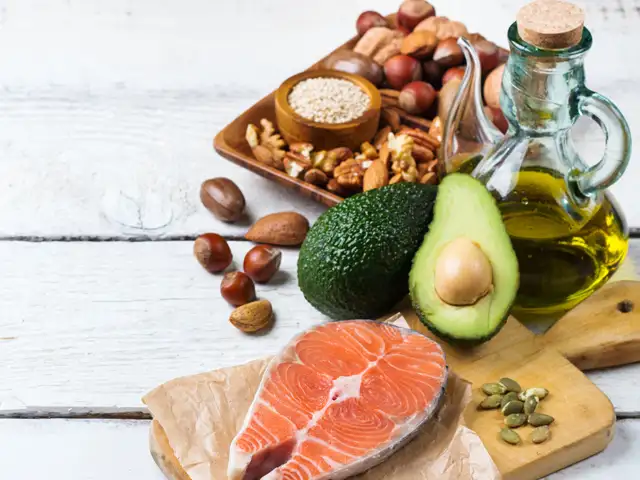
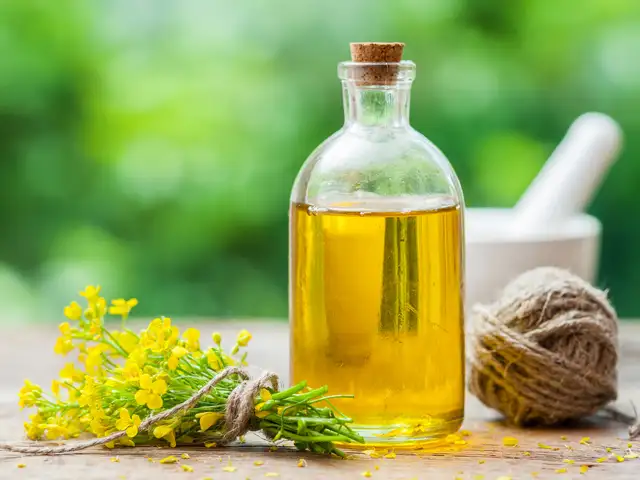
While some amount of fat is necessary in our diet, it is important to get the right kind of fats. Nuts, seeds, avocados, and oil from canola, olive, peanut contain healthy fats and oils. Saturated and trans fats, found in meat, chicken, fatty beef, lamb, pork, poultry with skin, cream, butter, cheese, etc, should be minimised as they can put your heart at risk.
While some amount of fat is necessary in our diet, it is important to get the right kind of fats. Nuts, seeds, avocados, and oil from canola, olive, peanut contain healthy fats and oils. Saturated an..
(Disclaimer: The opinions expressed in this column are that of the writer. The facts and opinions expressed here do not reflect the views of www.economictimes.com.)



 World Blood Donor Day: Stick to low-fat meal 4 hrs before donating; skip if you have consumed alcohol the previous day2023-06-13T12:57:06Z

