Want an easy way to manage blood sugar levels in diabetics? Leave it to AI
After 'insulin in a pill', new tech may help diabetics monitor their blood sugar without painful finger pricks every day.
By PTI |

TORONTO: Scientists have combined radar and artificial intelligence (AI) technologies to detect changes in glucose levels, an advance that may help diabetics monitor their blood sugar without painful finger pricks several times a day.
The research involves collaboration with Google and German hardware company Infineon, which jointly developed a small radar device and sought input from select teams around the world on potential applications.
Also read: ET's comprehensive diabetes page
"We want to sense blood inside the body without actually having to sample any fluid. Our hope is this can be realised as a smartwatch to monitor glucose continuously," said George Shaker, an engineering professor at the University of Waterloo in Canada.
The system at Waterloo uses the radar device to send high-frequency radio waves into liquids containing various levels of glucose and receive radio waves that are reflected back to it.
The software is capable of detecting glucose changes based on more than 500 wave features or characteristics, including how long it takes for them to bounce back to the device.
Initial tests with volunteers at the Research Institute for Aging in Waterloo achieved results that were 85 per cent as accurate as traditional, invasive blood analysis.
"The correlation was actually amazing. We have shown it is possible to use radar to look into the blood to detect changes," said Shaker.
Next steps include refining the system to precisely quantify glucose levels and obtain results through the skin, which complicates the process.
Researchers are also working with Infineon to shrink the radar device so that it is both low-cost and low-power.
The data analysed by AI algorithms is now sent wirelessly to computers, but the ultimate aim is self-contained technology similar to the smartwatches that monitor heart rate.
"I'm hoping we'll see a wearable device on the market within the next five years. There are challenges, but the research has been going at a really good rate," said Shaker.
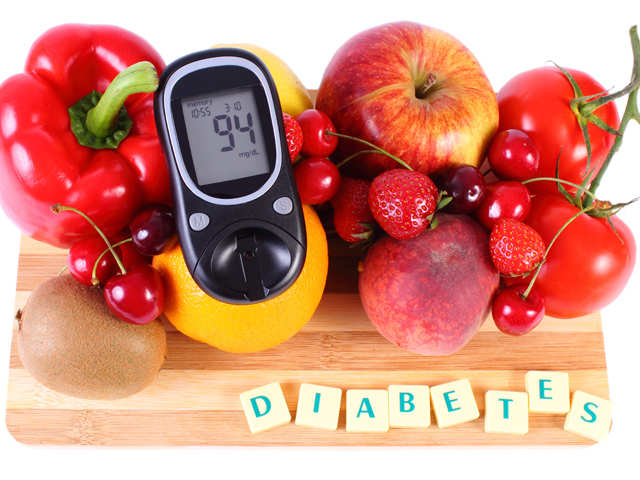
The life you lead and the food you eat are two important factors when it comes to diabetes. Both play a role for those who are already battling it and for those who remain vulnerable to it.
Whole foods that are not processed should always be on the menu. But also remember that some items have to be away from the dining table if you want to steer clear of diabetes.
Additionally, avoid special diets and stick to what you make at home. Just follow the basic rules like keeping a constant calorie count during meals.
The research involves collaboration with Google and German hardware company Infineon, which jointly developed a small radar device and sought input from select teams around the world on potential applications.
Also read: ET's comprehensive diabetes page
"We want to sense blood inside the body without actually having to sample any fluid. Our hope is this can be realised as a smartwatch to monitor glucose continuously," said George Shaker, an engineering professor at the University of Waterloo in Canada.
The system at Waterloo uses the radar device to send high-frequency radio waves into liquids containing various levels of glucose and receive radio waves that are reflected back to it.
ADVERTISEMENT
Information on the reflected waves is then converted into digital data for analysis by machine-learning AI algorithms developed by the researchers. The software is capable of detecting glucose changes based on more than 500 wave features or characteristics, including how long it takes for them to bounce back to the device.
Initial tests with volunteers at the Research Institute for Aging in Waterloo achieved results that were 85 per cent as accurate as traditional, invasive blood analysis.
"The correlation was actually amazing. We have shown it is possible to use radar to look into the blood to detect changes," said Shaker.
ADVERTISEMENT
Next steps include refining the system to precisely quantify glucose levels and obtain results through the skin, which complicates the process.
Researchers are also working with Infineon to shrink the radar device so that it is both low-cost and low-power.
ADVERTISEMENT
The data analysed by AI algorithms is now sent wirelessly to computers, but the ultimate aim is self-contained technology similar to the smartwatches that monitor heart rate.
"I'm hoping we'll see a wearable device on the market within the next five years. There are challenges, but the research has been going at a really good rate," said Shaker.
Whole foods that are not processed should always be on the menu. But also remember that some items have to be away from the dining table if you want to steer clear of diabetes.
Additionally, avoid special diets and stick to what you make at home. Just follow the basic rules like keeping a constant calorie count during meals.





Download
The Economic Times Business News App for the Latest News in Business, Sensex, Stock Market Updates & More.
The Economic Times Business News App for the Latest News in Business, Sensex, Stock Market Updates & More.
ADVERTISEMENT


