Stepping into Einstein's body via VR can help people with low self-esteem
VR can create the illusion of a virtual body to substitute your own, which is called virtual embodiment.
By PTI |

Agencies
LONDON: A virtual reality experience of being in Albert Einstein's body can help people with low self-esteem score better on cognitive tests, a study has found.
The perception of having Einstein's body may help unlock previously inaccessible mental resources, researchers said.
Following a virtual reality "Einstein" experience, participants were also less likely to unconsciously stereotype older people.
Published in Frontiers in Psychology, the study suggests the way our brain perceives our body is surprisingly flexible. The researchers hope the technique will be useful for education.
"Virtual reality can create the illusion of a virtual body to substitute your own, which is called virtual embodiment," said Mel Slater, a professor at the University of Barcelona in Spain.
"In an immersive virtual environment, participants can see this new body reflected in a mirror and it exactly matches their movements, helping to create a powerful illusion that the virtual body is their own," said Slater.
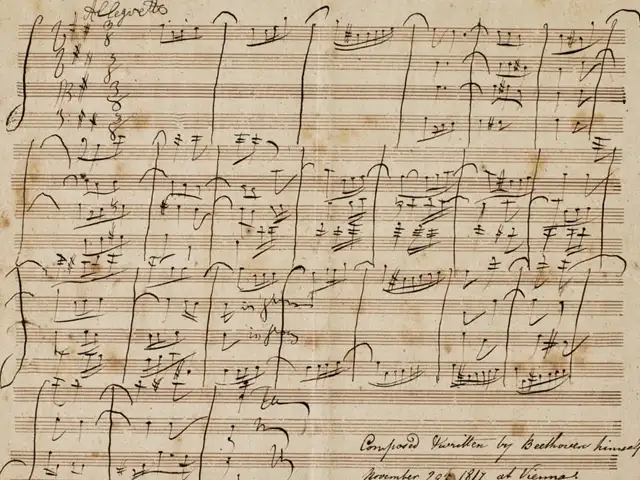
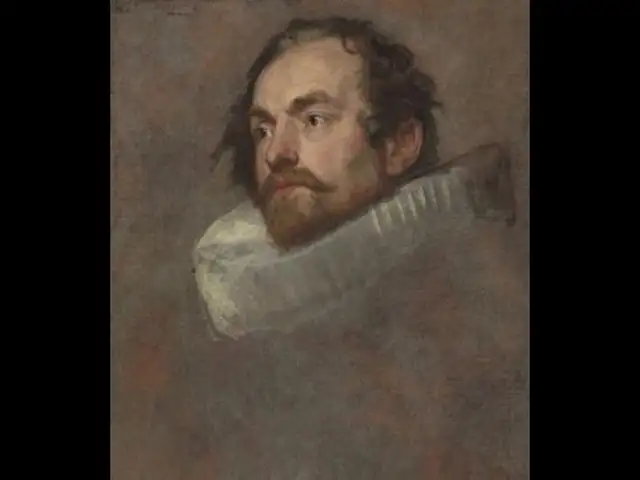
In 2016, Sotheby's had a manuscript by Ludwig van Beethoven up for auction. The single-page manuscript was described as the "Autograph manuscript of the 'Allegretto' in B minor for string quartet (WoO 210), composed for an English visitor to Vienna in 1817". It has the words "composed and written by Beethoven himself November 29, 1817 at Vienna" inscribed on it. The manuscript was expected to fetch about 200,000 pounds. The auction house made a statement that there were no takers because of a Beethoven scholar's claim that the manuscript was not authentic.
Image: Sotheby's
Previous research found that virtual embodiment can have striking effects on attitudes and behaviour. For example, white people who experienced a virtual black body showed less unconscious stereotyping (called implicit bias) of black people.
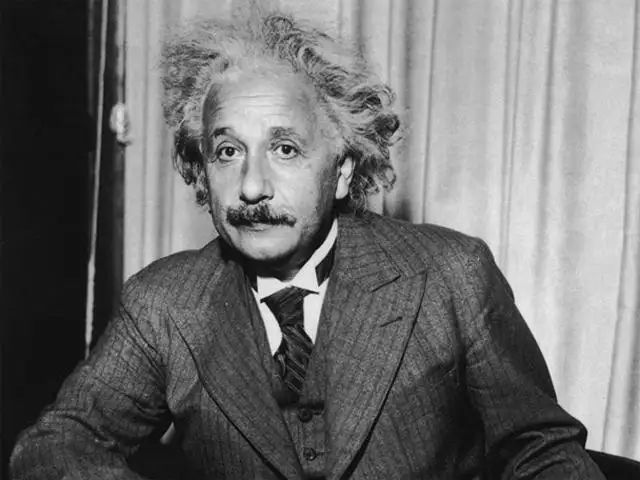
"We wondered whether virtual embodiment could affect cognition. If we gave someone a recognizable body that represents supreme intelligence, such as that of Albert Einstein, would they perform better on a cognitive task than people given a normal body?" said Slater.
To find out, the researchers recruited 30 young men to participate in a virtual embodiment experiment.
This final task was to investigate whether the experience of having an older appearance simulation could change attitudes to older people.
After completing some exercises in the virtual environment with their new body, they repeated the implicit bias and cognitive tests.
The researchers found that people with low self-esteem performed the cognitive task better following the virtual Einstein experience, compared with those who experienced a normal body of someone their own age.
Those exposed to the Einstein body also had a reduced implicit bias against older people.
Crucially, cognitive enhancements only occurred in people with low self-esteem. The researchers hypothesise that those with low self-esteem had the most to gain by changing how they thought about themselves.
Seeing themselves in the body of a respected and intelligent scientist may have enhanced their confidence during the cognitive test.
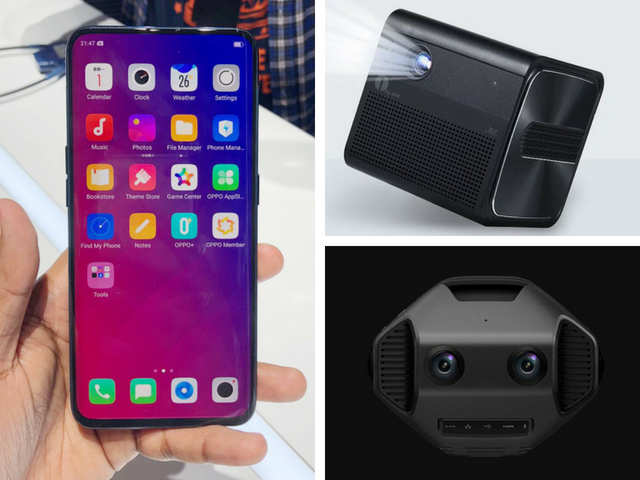
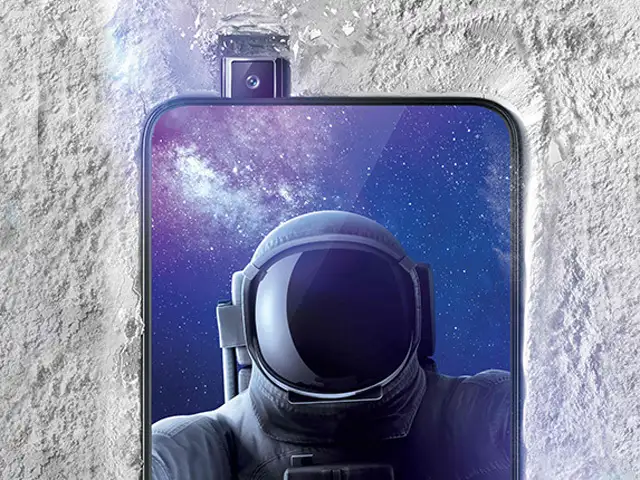
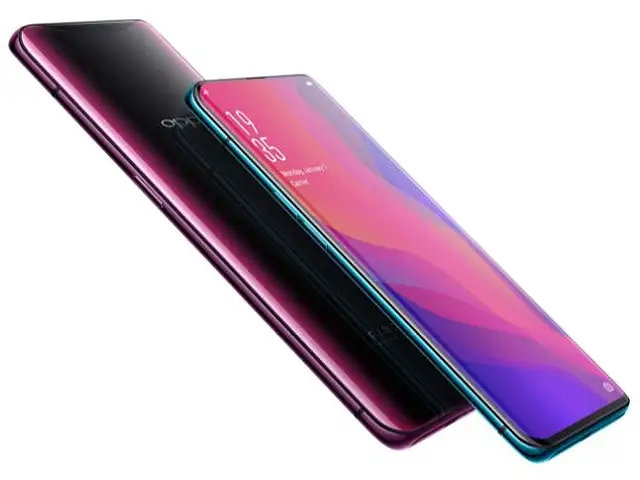
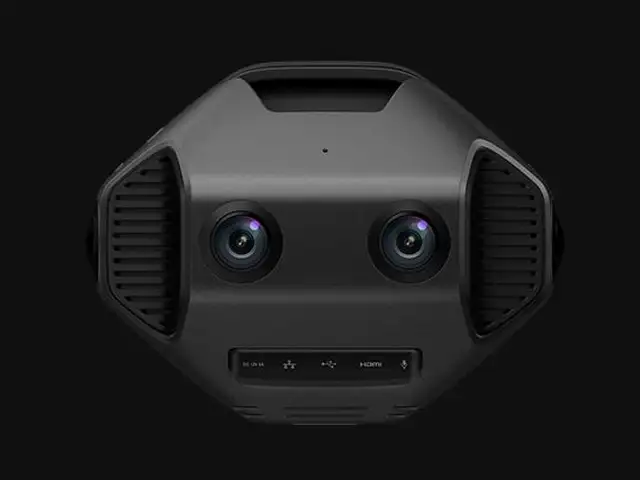
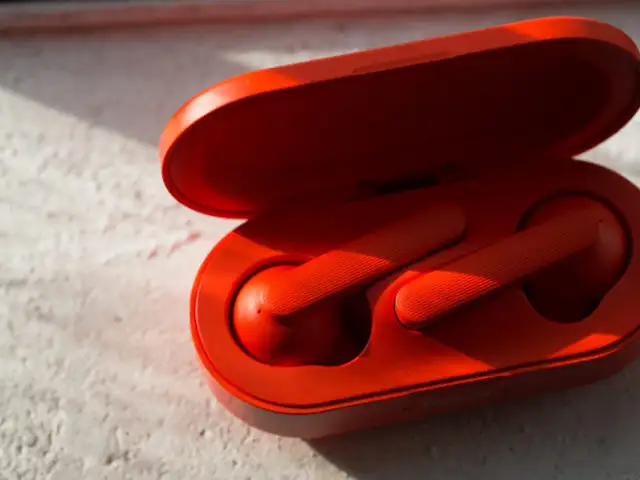
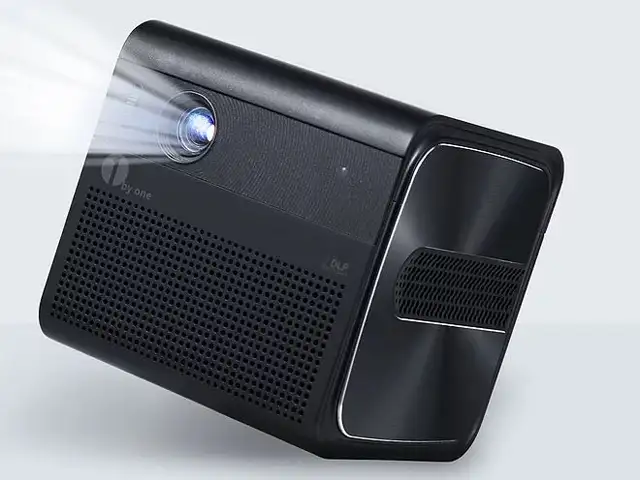
While we see many new launches at trade shows like CES and IFA, it’s the crowdfunding platforms and tech breakthroughs that actually keep innovation alive through the year.
Here's a round up some of the unique products we’re betting on.
(Text: Karan Bajaj)
The perception of having Einstein's body may help unlock previously inaccessible mental resources, researchers said.
Following a virtual reality "Einstein" experience, participants were also less likely to unconsciously stereotype older people.
Published in Frontiers in Psychology, the study suggests the way our brain perceives our body is surprisingly flexible. The researchers hope the technique will be useful for education.
"Virtual reality can create the illusion of a virtual body to substitute your own, which is called virtual embodiment," said Mel Slater, a professor at the University of Barcelona in Spain.
"In an immersive virtual environment, participants can see this new body reflected in a mirror and it exactly matches their movements, helping to create a powerful illusion that the virtual body is their own," said Slater.
ADVERTISEMENT
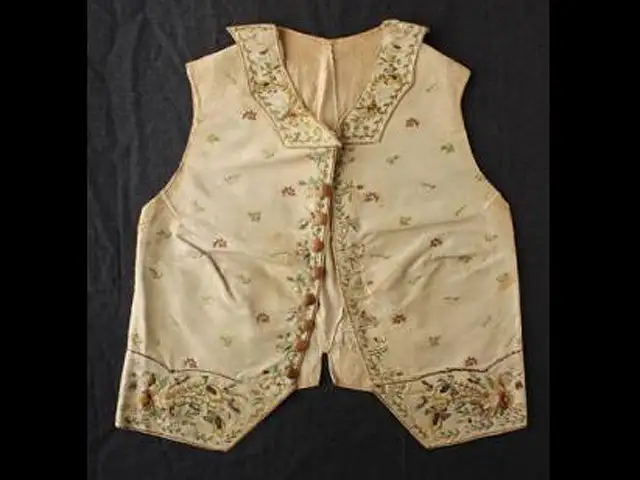
Image: Sotheby's


Previous research found that virtual embodiment can have striking effects on attitudes and behaviour. For example, white people who experienced a virtual black body showed less unconscious stereotyping (called implicit bias) of black people.
"We wondered whether virtual embodiment could affect cognition. If we gave someone a recognizable body that represents supreme intelligence, such as that of Albert Einstein, would they perform better on a cognitive task than people given a normal body?" said Slater.
To find out, the researchers recruited 30 young men to participate in a virtual embodiment experiment.
ADVERTISEMENT
Prior to the embodiment, the participants completed three tests: a cognitive task to reveal their planning and problem-solving skills; a task to quantify their self-esteem; and one to identify any implicit bias towards older people.This final task was to investigate whether the experience of having an older appearance simulation could change attitudes to older people.
ADVERTISEMENT
The study participants then donned a body-tracking suit and a virtual reality headset. Half experienced a virtual Einstein body and the other half a normal adult body.After completing some exercises in the virtual environment with their new body, they repeated the implicit bias and cognitive tests.
The researchers found that people with low self-esteem performed the cognitive task better following the virtual Einstein experience, compared with those who experienced a normal body of someone their own age.
Those exposed to the Einstein body also had a reduced implicit bias against older people.
Crucially, cognitive enhancements only occurred in people with low self-esteem. The researchers hypothesise that those with low self-esteem had the most to gain by changing how they thought about themselves.
Seeing themselves in the body of a respected and intelligent scientist may have enhanced their confidence during the cognitive test.
Here's a round up some of the unique products we’re betting on.
(Text: Karan Bajaj)
Download
The Economic Times Business News App for the Latest News in Business, Sensex, Stock Market Updates & More.
The Economic Times Business News App for the Latest News in Business, Sensex, Stock Market Updates & More.
ADVERTISEMENT


