Albert Einstein's travel diaries reveal scientist's racially-offensive views
The German scientist viewed Chinese people as being intellectually inferior.
By PTI |

Agencies
LONDON: Albert Einstein's diary reveals that the German scientist held racist views about Chinese people, and viewed them as being intellectually inferior.
In diaries that Einstein kept during his five month journey across countries including China, Singapore, Hong Kong, Japan, Palestine and Spain, the Nobel Prize winner called China a "peculiar herd-like nation" and said its citizens were "often more like automatons than people".
Later in his life Einstein called racism a "disease of white people" and became a champion of the civil rights movement in the US.
However, 'The Travel Diaries of Albert Einstein', translated from German to English for the first time, shows he did not think like that during earlier travels to the Far East and Middle East.
"Chinese don't sit on benches while eating but squat like Europeans do when they relieve themselves out in the leafy woods. All this occurs quietly and demurely. Even the children are spiritless and look obtuse," Einstein wrote.
Travelling in Ceylon, now Sri Lanka, Einstein wrote that people "live in great filth and considerable stench at ground level".
He added that they "do little, and need little. The simple economic cycle of life", 'The Telegraph' reported.
The scientist was kinder about the Japanese saying they were "unostentatious, decent, altogether very appealing".
According to the publishers the diaries "contain passages that reveal Einstein's stereotyping of members of various nations and raise questions about his attitudes on race".
Ze'ev Rosenkranz, the editor of the book, said Einstein had made comments that were "pretty unpleasant" and at odds with his humanitarian image.
He said Einstein's opinion that people in the Far East were intellectually inferior was "pretty prevalent" at the time.
The remarks were "still shocking, especially to a modern reader," he said.
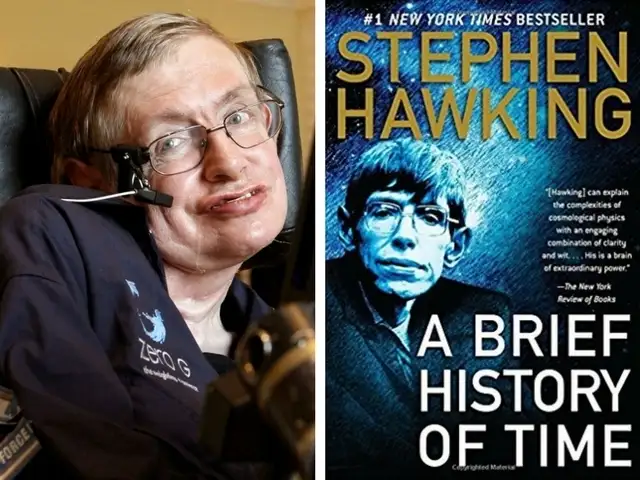
Stephen Hawking was a prolific author with a knack for making books on challenging scientific topics engaging to a wide spectrum of readers.
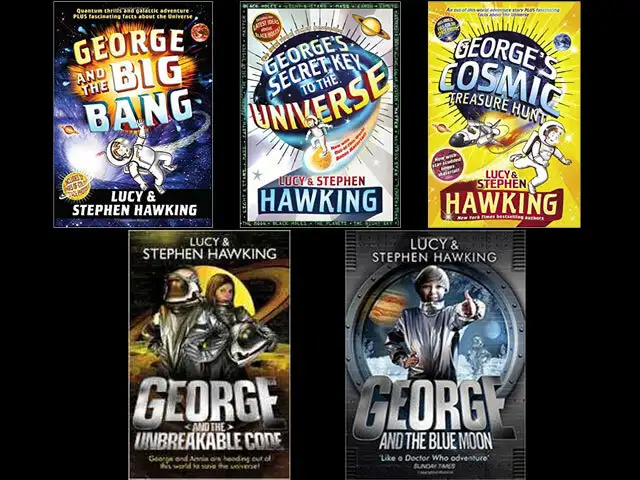
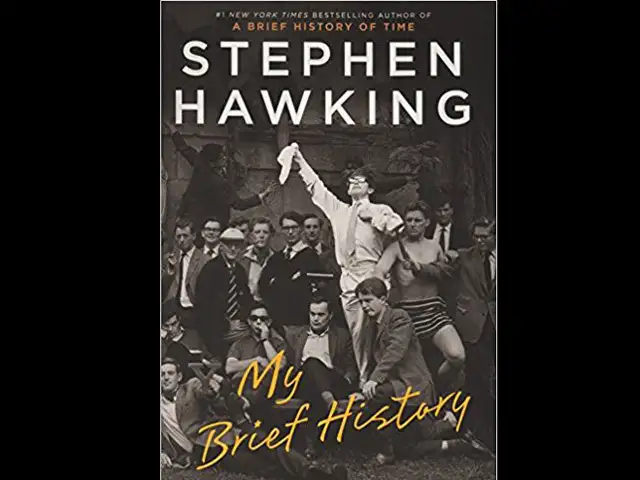
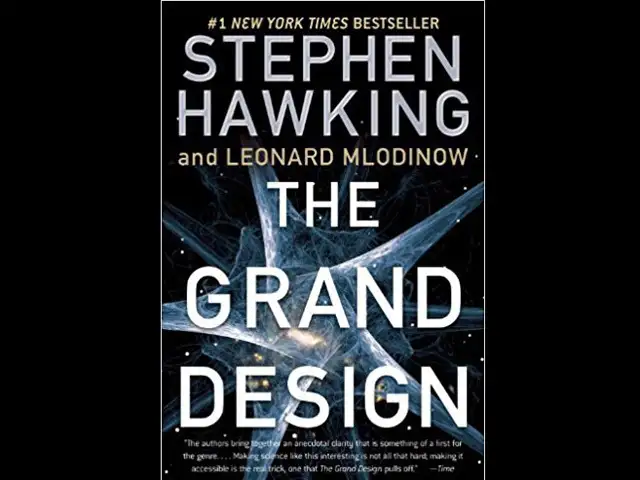
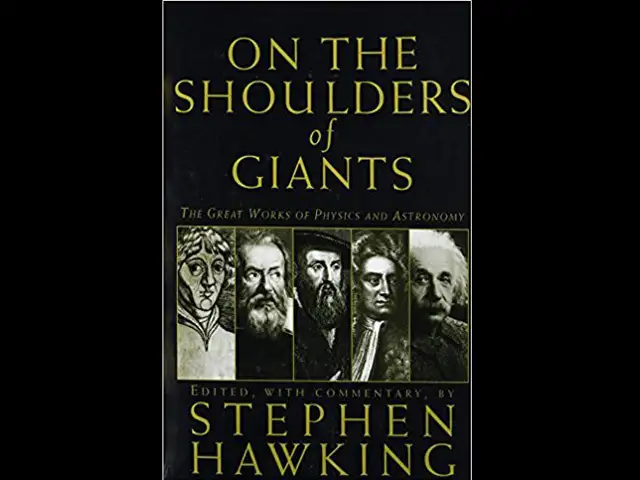
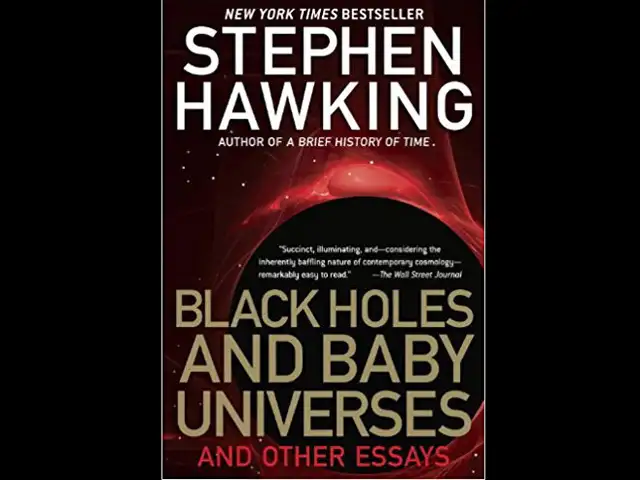
The physicist is best known for his best-selling 1988 classic 'A Brief History of Time: From the Big Bang to Black Holes,' which was intended to help people without a strong scientific background understand key questions of physics and human existence. In it, he discusses the origins of the universe and its future. Among his other books are:
(Image: Reuters & www.hawking.org.uk)
In diaries that Einstein kept during his five month journey across countries including China, Singapore, Hong Kong, Japan, Palestine and Spain, the Nobel Prize winner called China a "peculiar herd-like nation" and said its citizens were "often more like automatons than people".
Later in his life Einstein called racism a "disease of white people" and became a champion of the civil rights movement in the US.
However, 'The Travel Diaries of Albert Einstein', translated from German to English for the first time, shows he did not think like that during earlier travels to the Far East and Middle East.
"Chinese don't sit on benches while eating but squat like Europeans do when they relieve themselves out in the leafy woods. All this occurs quietly and demurely. Even the children are spiritless and look obtuse," Einstein wrote.
Travelling in Ceylon, now Sri Lanka, Einstein wrote that people "live in great filth and considerable stench at ground level".
ADVERTISEMENT
He added that they "do little, and need little. The simple economic cycle of life", 'The Telegraph' reported.
The scientist was kinder about the Japanese saying they were "unostentatious, decent, altogether very appealing".
According to the publishers the diaries "contain passages that reveal Einstein's stereotyping of members of various nations and raise questions about his attitudes on race".
Ze'ev Rosenkranz, the editor of the book, said Einstein had made comments that were "pretty unpleasant" and at odds with his humanitarian image.
ADVERTISEMENT
He said Einstein's opinion that people in the Far East were intellectually inferior was "pretty prevalent" at the time.
The remarks were "still shocking, especially to a modern reader," he said.
ADVERTISEMENT
The physicist is best known for his best-selling 1988 classic 'A Brief History of Time: From the Big Bang to Black Holes,' which was intended to help people without a strong scientific background understand key questions of physics and human existence. In it, he discusses the origins of the universe and its future. Among his other books are:
(Image: Reuters & www.hawking.org.uk)

Download
The Economic Times Business News App for the Latest News in Business, Sensex, Stock Market Updates & More.
The Economic Times Business News App for the Latest News in Business, Sensex, Stock Market Updates & More.
ADVERTISEMENT


