Sports leagues not the formula to make India win at world stage, says Group M's Vinit Karnik
According to the business head of ESP Properties at Group M, if you identify the purpose of a sport, the medals will follow.
By Shannon Tellis, ET Bureau |

BCCL
When it comes to building an ecosystem for sports apart from cricket, Group M’s Vinit Karnik is very clear – Find the purpose of the sport and the wins will follow.
“From a marketer’s point of view, if you compare emerging sports with cricket, there is a huge gap in terms of the monetisation. And that is because we have not defined the purpose of what we are doing,” he said at the recent ET Panache Dialogues.
It’s the lack of a defined purpose – whether it’s increasing India’s medal tally, monetizing the sport or increasing its popularity at the grassroots level - that hampers the growth of an emerging sport. “Whenever we talk about sports in India, eight out of ten times, we end up talking about leagues. Are (sports) leagues an answer to winning medals? I would question that.”
According to Karnik, while domestic sports leagues have to be credited with increasing the chatter and conversation around emerging sports, they cannot be the only route to India winning at the world stage.
“If we want to become champions, the formula is very, very different (from sports leagues). If the objective is to win medals at the Olympics, then the Sports Ministry will have to play a very active role.”

“It has to happen at a government level and also at the private-promoter level,” argued Karnik. “The ideal mix, to me, would a private-public partnership (PPP) model, which is happening today. Kabaddi is a great example of a PPP, so is ISL. If that is the starting point of an ecosystem being developed, I think a lot of structuring needs to be done at the level of the federations. The government and corporate sector have to come together in sketching their vision for that particular sport.”
“What cricket did in the 1970s – when they created the basic infrastructure and talent network through state associations – in enabling people to play competitively at different levels, be it local, district, or state, that kind of structuring will have to be stitched into the social fabric of every sport (especially those that haven’t reached that stage in their evolution in the country).”
“From a marketer’s point of view, if you compare emerging sports with cricket, there is a huge gap in terms of the monetisation. And that is because we have not defined the purpose of what we are doing,” he said at the recent ET Panache Dialogues.
It’s the lack of a defined purpose – whether it’s increasing India’s medal tally, monetizing the sport or increasing its popularity at the grassroots level - that hampers the growth of an emerging sport. “Whenever we talk about sports in India, eight out of ten times, we end up talking about leagues. Are (sports) leagues an answer to winning medals? I would question that.”
According to Karnik, while domestic sports leagues have to be credited with increasing the chatter and conversation around emerging sports, they cannot be the only route to India winning at the world stage.
“If we want to become champions, the formula is very, very different (from sports leagues). If the objective is to win medals at the Olympics, then the Sports Ministry will have to play a very active role.”
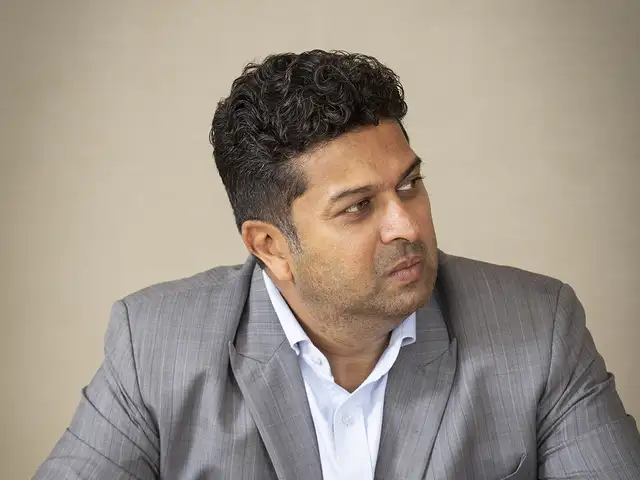
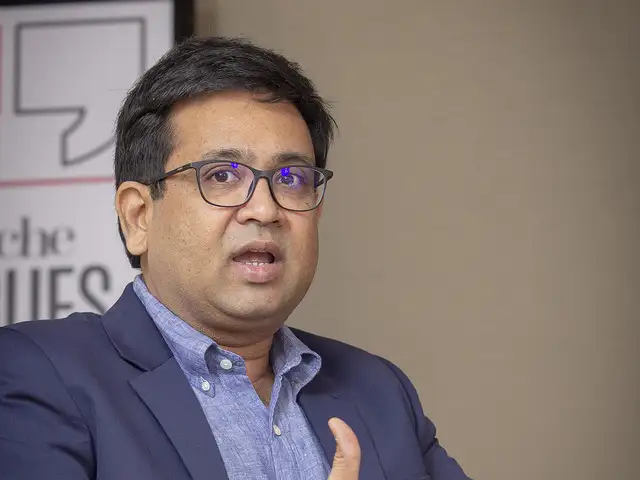
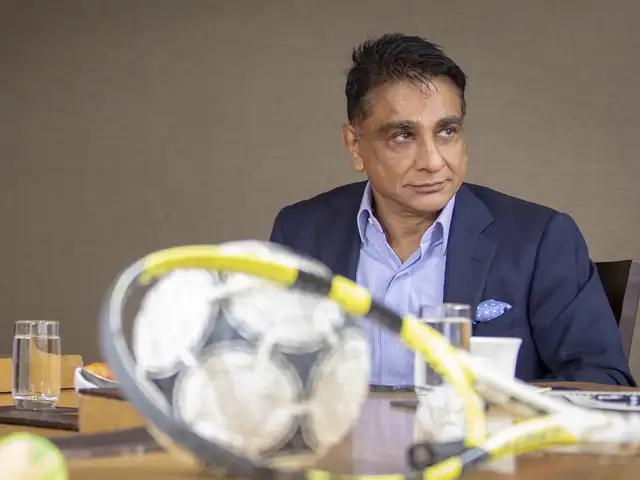
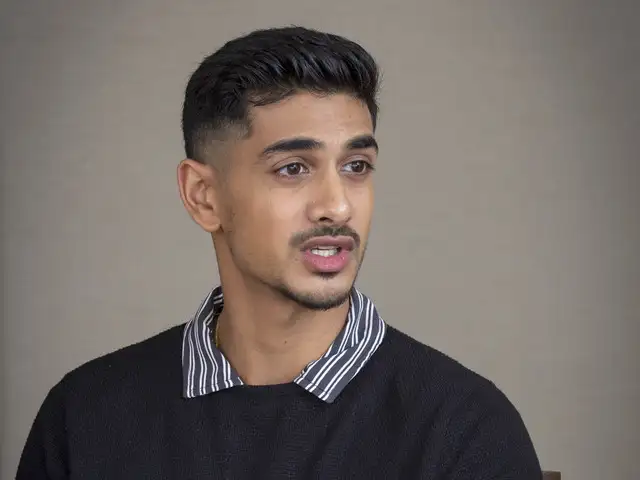
In the second of a series of panel discussions, ET Panache took up a subject close to every Indian’s heart - improving the health of various sports in India. Five esteemed guests weighed in on the conversation. Snapshots from the second edition of ET Panache Dialogues.
When: Friday, September 13, 2019
Location courtesy: Taj Lands End, Mumbai





ADVERTISEMENT
Building an Ecosystem at Every Level“It has to happen at a government level and also at the private-promoter level,” argued Karnik. “The ideal mix, to me, would a private-public partnership (PPP) model, which is happening today. Kabaddi is a great example of a PPP, so is ISL. If that is the starting point of an ecosystem being developed, I think a lot of structuring needs to be done at the level of the federations. The government and corporate sector have to come together in sketching their vision for that particular sport.”
“What cricket did in the 1970s – when they created the basic infrastructure and talent network through state associations – in enabling people to play competitively at different levels, be it local, district, or state, that kind of structuring will have to be stitched into the social fabric of every sport (especially those that haven’t reached that stage in their evolution in the country).”
Download
The Economic Times Business News App for the Latest News in Business, Sensex, Stock Market Updates & More.
The Economic Times Business News App for the Latest News in Business, Sensex, Stock Market Updates & More.
ADVERTISEMENT


