Scrumptious Poila Boishak recipes that will make the start to your new year even better
Whether you're in the mood for some steamed prawns or fried gourd, these recipes are sure to whet the appetite.
By ET Online | Updated:
Agencies
Potoler Dolma is best served with phulkas or hot rice.
Poila Baishakh, also known as Bangla Nabobarsho, marks the first day of the new year in the Bengali calendar. The day is celebrated with much fervour by people from the state.
As with most Indian festivals, processions, fairs, and food form a major part of the celebartions.
So this year, whether you're at home in Bengal or in any part of the world, here are two traditional recipes to add to your fresh start as you say 'Shubho Nabobarsho'.
White mustard seeds: 3 tbsp Poppy seeds: 3 tbsp Grated coconut: 1/2 cup Red chili powder: As per taste Green chilies: 5-6 Sugar: 1/2 tsp Mustard oil: 3-4 tbsp
ADVERTISEMENT
Method - Wash and clean the prawns. Keep aside - Marinate prawns with 1/2 tsp salt, turmeric powder, and set aside for 15 minutes - In the meantime, take a small spice grinder and make a smooth paste with mustard seeds, poppy seeds, 2-3 green chilies, some water and salt
ADVERTISEMENT
- Pour the paste in a bowl, add grated coconut, sugar, salt if necessary, red chili powder and green chilies. - Add the marinated prawns in the mixture and keep aside for another 15 minutes - Pre-heat oven to 175C - Apply some mustard oil to the inside of a baking bowl, and pour the prawn mixture into the bowl - Cover the bowl with an aluminum foil and bake for 20 minutes, or till the prawns are cooked and change colour to orange - Remove the bowl from the oven but do not open the foil - Take off the foil just before serving
Potoler Dorma
Ingredients Pointed gourd (Parwal): 6-7 Cashew nuts: 15 Turmeric powder: 1/4 tsp Red chilli powder: 1/2 tsp Garam masala powder: 1/4 tsp Cumin seeds: 1/2 tsp Mustard oil: 2 tbsp Salt: To taste For the filling Paneer (homemade cottage cheese)- grated or crumbled: 100 gms Dried figs (finely chopped): 2 Dates (finely chopped): 2 Badam (almond)- blanched, peeled and chopped: 5 Pistachios (finely chopped): 5 Raisins: 10 Sugar: 1 tsp Salt: A pinch
For the gravy Onions: 2 Tomatoes: 2 Green chilies: 2
Method - Heat 2 cups of water. Add peeled and de-seeded parwal when the water starts to boil - Let it boil for 3-4 minutes - Drain the water and pat dry the boiled parwal. Set aside - Grind all the ingredients for the gravy in a grinder to form a puree. Set aside - In a bowl add crumbled paneer, dry fruits, sugar, salt and mix well - Stuff the parwal with the mixture. Be careful not to break it - You can tie the stuffed parwal with a thread if you are going to deep fry them - Heat oil in a wide pan and shallow fry the stuffed parwal over low flame till they turn brown on all sides - Remove from heat and set aside - Heat the same pan with the remaining oil and temper with cumin seeds - Add the ground tomato-onion puree, salt, turmeric powder, chilli powder, all spice powder and cook over low flame till the oil separates on the sides of the pan - Stir in the cashew nut paste and mix well - Now add shallow fried stuffed parwal and cook covered for 2-3 minutes - Garnish with chopped cilantro leaves and serve hot
Potoler Dolma is best served with phulkas or hot rice (add a dollop of ghee to the rice).
Baisakhi, Bihu, Vishu, Poila Boishakh, Puthandu: What The New Years Of India Mean
1/6
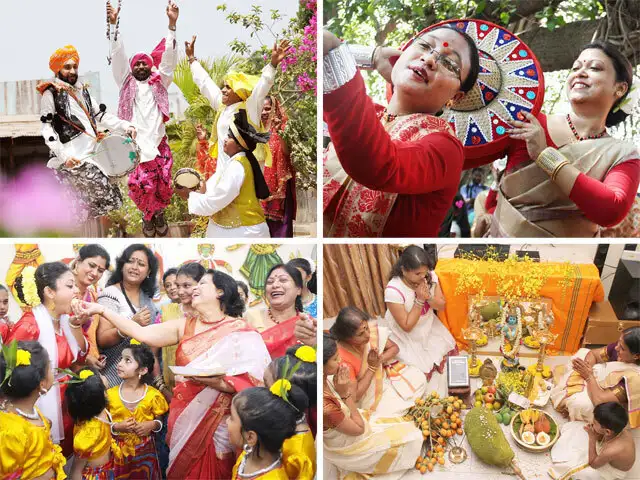
It's that time of the year again when people can catch a glimpse of India's diverse cultures. The Eastern, Northern & Southern parts of the country celebrate their first harvest festival of the year - Baisakhi, Bihu, Vishu, Poila Boishak & Puthandu - with vigour and fervour. Every year, the festivals fall on April 13 or April 14, based on the Hindu or Sikh Calendar.
Here's a look at how people celebrate their New Years...
It's that time of the year again when people can catch a glimpse of India's diverse cultures. The Eastern, Northern & Southern parts of the country celebrate their first harvest festival of the yea..
Read More
This year, Baisakhi falls on April 14.
On this day, Guru Gobind Singh, the tenth Guru of Sikhs, asked people to follow Sikhism in 1699, and the Khalsa community was formed.
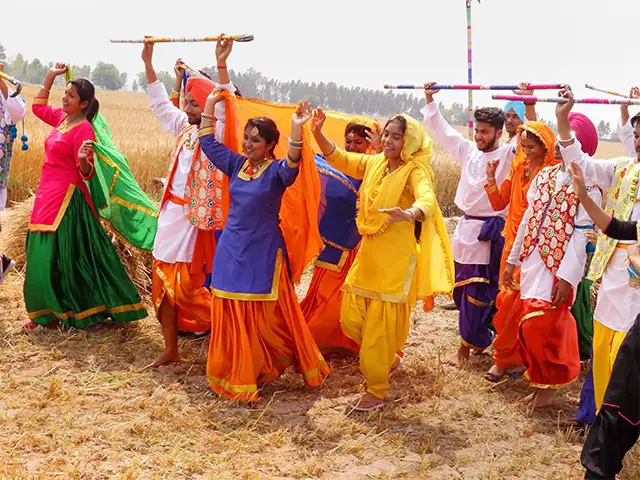
The northern states of Punjab, Haryana and parts of Delhi celebrate this day with much fanfare. People get together, and perform bhangda and gidda on traditional folk songs and dhol. Men show off their gatka skills (traditional form of martial-arts of the Sikh.)
The Sikh community also observes it as the day of thanksgiving for abundant harvest, and pray for future prosperity.
This year, Baisakhi falls on April 14.
On this day, Guru Gobind Singh, the tenth Guru of Sikhs, asked people to follow Sikhism in 1699, and the Khalsa community was formed.
The northern stat..
Read More
This year, Vishu will fall on April 14.
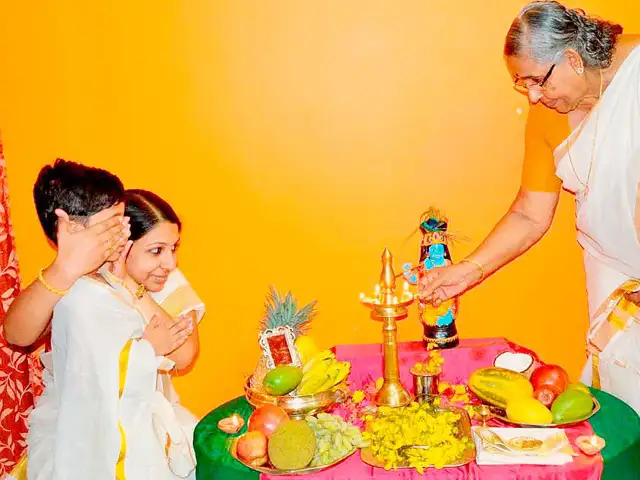
The festival of lights and fireworks is celebrated in Kerala, and parts of Karnataka. People decorate their houses with diyas and lights, and burst firecrackers (locally called Vishupadakkam). The traditions of Vishu include the first auspicious view of the festive day (called Vishukkani Kazhcha), buying of new clothes for the occasion (called Puthukodi), giving money which is the first gift of the year (called Vishukkaineetam) and the feast consisted of food items that taste salty, sweet, sour and bitter (called Sadya).
The ritual arrangement (called Vishukkani) made on this auspicious day in the prayer room of the house includes a list of items that bring prosperity - rice, fruits, vegetables, betel leaves, arecanut, metal mirror, yellow flowers (called konna), holy texts and coins. The items are arranged a night before Vishu and is the first sight of Lord Vishnu on Vishu.
Devotees throng the Sabarimala Ayyappan and the Guruvayur temples to see the 'Vishukkani Kazhcha' during the Brahma Muhurtha, around 3.30 am.
This year, Vishu will fall on April 14.
The festival of lights and fireworks is celebrated in Kerala, and parts of Karnataka. People decorate their houses with diyas and lights, and burst firec..
Read More
Observed on April 15, 2018, Bohag Bihu is the widely celebrated across Assam, and parts of Manipur and Bengal. The Assamese celebrate Bihu thrice a year, which signify the distinct cycles of farming - Bhogali/Magh Bihu (January), Bohag/Rongali Bihu (April), and Kongali Bihu (October).
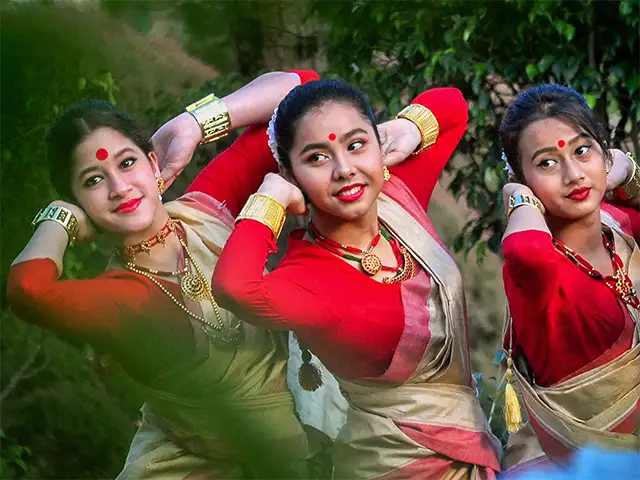
On the day of Bohag Bihu, various delicacies like Mangsho, Chira and Pitha are made. Women, men and children are seen singing, feasting, exchanging gifts, seeking blessings from elders, wearing new clothes, and performing the traditional Bihu dance on this day.
Observed on April 15, 2018, Bohag Bihu is the widely celebrated across Assam, and parts of Manipur and Bengal. The Assamese celebrate Bihu thrice a year, which signify the distinct cycles of farmi..
Read More
This year, Puthandu is being celebrated on April 14 in Tamil Nadu, and Tamil-dominated countries Sri Lanka and Mauritius. According to the Tamil Calendar Varusha Pirappu, Puthandu marks the first day of the first month (Chithirai).
The celebrations of Puthandu resonate to that of Vishu. The night before the auspicious day, a tray full of fruit, betel leaves, gold ornaments, silver jewellery, money/cash/coins and flowers are put together in the prayer room for the Lord to view as the first thing.
It is believed that the first view of these auspicious things brings happiness and prosperity for the rest of the year.
This year, Puthandu is being celebrated on April 14 in Tamil Nadu, and Tamil-dominated countries Sri Lanka and Mauritius. According to the Tamil Calendar Varusha Pirappu, Puthandu marks the first ..
Read More
This year, Poila Boishakh will be celebrated on April 15 in West Bengal, and parts of Tripura. According to the Bengali calendar, it is the first day of first month (called Baishakh), and people thank the divine forces for the harvest of the previous year and that to follow.
People decorate their houses with rangoli in their courtyards made with a paste of rice and water (called alpona).
Families get together on this auspicious day, and celebrate the new year with Bengali folk songs and dances in traditional attires. Small gatherings are held where children and adults take part in various activities like drawing/painting, dancing, poetry recitation, singing, etc.
This year, Poila Boishakh will be celebrated on April 15 in West Bengal, and parts of Tripura. According to the Bengali calendar, it is the first day of first month (called Baishakh), and people t..