Indulge in a unique combination of boiled raw banana and crumbled soft cottage cheese as dumplings (kofta) with some delicious gravies, and end the festivities on a sweet note with the crescent-shaped dumplings filled with coconut stuffing steamed in cardamom and cinnamon infused milk.
From grandmother's traditional recipes to some delicious experimental combinations, here's a list of the ultimate list of recipes for Shubho Noboborsho:
Daab Chingri (Prawn Curry Steamed In Young Coconut Shell)
Salt (to taste) Method: - For the coconut milk: Scrape the flesh from the tender coconut flesh properly and make a smooth paste using the coconut water
ADVERTISEMENT
- Create a flat base for the coconut by cutting off a part of it from its lower end. - Heat oil in a pan. Add panch phoron and allow it to crackle. - Add onion paste and garlic and fry. Add the shrimp and sauté. - In a large mixing bowl, add mustard paste, chilli paste, turmeric, salt and coconut milk. Mix well. - Add the sautéed shrimps to this paste and mix well. - Fill the coconut with the shrimps and seal the lid with wheat dough. - Cook for about 30 mins at 220 degrees in a pre-heated oven. - Serve hot with steamed rice
(The recipe is by chef Subrata Debnath of Taj City Centre, Gurugram)
Macher Paturi (Banana Leaf Wrapped Seabass)
Ingredients: Seabass (fillets): 200gm Coconut oil: 30ml Red chilli powder: 10gm Turmeric powder: 10gm Onion (chopped): 100gm Ginger (chopped): 10gm Garlic: 10gm Green chilli (chopped): 2 Fenugreek seeds: 3gm Mustard seeds: 3gm Coconut milk: 20ml Banana leaves: 2 Smoked kokum, water (as per taste) Salt (to taste) Method: - Heat coconut oil in a pan and temper with fenugreek seeds and mustard seeds. - Add chopped onion, ginger, garlic and green chilli, cook till golden brown. - Add turmeric powder, red chilli powder and cook further till it leaves the oil. - Finish the masala with coconut milk and smoked kokum water. - Marinate seabass fillet with salt, red chilli powder and turmeric. - Sear in coconut oil in pan on both the sides and take off. - Place the fish in banana leaf and top it with masala. - Roll the leaf to have the fish secured inside and further cook on the pan on a low heat for 5 minutes on both the sides. - Remove from pan and serve hot with banana chips.
(The recipe is by executive sous chef Tejas Sovani of Amaranta)
Dhakai Mangsho Kosha
Ingredients: Mutton: 500 gm Onion (chopped): 100 gm Tomato (chopped): 100 gm Ginger garlic paste: 3 tbsp Radhuni paste: 1 tsp Garam masala: 2 tsp Chilli powder: 2 tsp Coriander powder: 2 tsp Cumin powder: 2 tsp Mustard oil: 3 tbsp Bay leaf: 2 Green and black cardamom: 1 each Cinnamon: 1 Curd: 100 gm Method: - Marinate the mutton overnight with the curd, radhuni paste, mustard oil, dry spices and 1 tbsp of the ginger garlic paste. Set aside for at least an hour. - Heat the mustard oil in a heavy bottomed pan. Add the whole spices onion, tomato, ginger garlic paste and cook well. - Add the dry spices and the mutton and sauté well. Sprinkle hot water intermittently to avoid the mutton from sticking to the pan. - Add a cup of water and cover and cook for 15-20 mins until the meat softens and water evaporates. - Serve hot with slit green chillies
(The recipe is by chef Subrata Debnath of Taj City Centre, Gurugram)
Kanchkolar Kofta
Ingredients:
For the kofta Raw bananas: 4-5 Potatoes boiled: 2 Gram flour: 4 tbsp Cumin powder: 1 tsp Garam Masala: 1/2 tsp Salt (to taste) Oil: 1 cup
For the gravy Onions: 2 Garlic cloves: 1 tsp Ginger (chopped): 1 tsp Tomato (chopped): 2nos Mustard oil: 5 tbsp Bay leaf: 2 Cloves: 4 Cardamom: 4 Sugar: 1 tsp Lal Mirch: 2 tsp Turmeric Powder: 1 tsp Coriander seeds: 4 tbsp Dry red chilli: 2 Cumin seeds: 2 tbsp Fennel seeds: 1 tbsp Fenugreek seeds: 1 tsp Black cardamom: 2 Salt (to taste) Method: - Dry roast the dry whole spices. Then dry grind these spices in a mixer to a coarse powder. Set aside in a bowl. - Wash the raw bananas. Pressure cooks them along with potatoes , peel the skin of the bananas and the potatoes. Gently mash them together. - Add cumin powder and 2-3 tsp of masala powder prepared ,Add gram flour and combine everything together to make a smooth dough-like paste. - Now divide this mixture into small balls roll them. - Heat oil and deep-fry the koftas.
For the gravy - Make a paste of onion, ginger, garlic and a teaspoon of mustard oil. - Heat mustard oil in a heavy bottom pan. Add bay leaf and sugar, let the sugar melt and caramelize for about a minute. - Add cloves, crushed cardamom and the onion-ginger paste . Keep on stir frying. - Stir in Red Chilli Powder, Turmeric Powder, salt and the remaining masala powder. - Add finely chopped tomato and sprinkle some water stir for 4-5 mins. - If oil leaves the sides of the pan, the masala is ready, - Add 3-4 cups of water now. Cover and let it simmer for 8-10 mins. - Add the fried vegetable koftas and cover the pan with a lid. Let it cook for a minute or two. - Add about 1 tsp of ghee and 1/2 tsp Garam Masala, stir and let it rest for a minute or two. - Garnish with chopped coriander leaves and serve kanchkolar kofta curry hot with roti or rice.
(The recipe is by chef Prem K Pogakula, executive chef of The Imperial, New Delhi)
Pati Shaapta (Sweet Crepe With Coconut And Reduced Milk Filling)
Ingredients:
For the batter Refined flour: 1 cup Semolina: ½ cup Rice flour: ¼ cup Milk: 1 ½ to 2 cups Ghee/oil: As required
For the filling Grated coconut: 3 cups Grated khoya: ½ cup Sugar: 2 tbsp Jaggery: 1 tsp Green cardamoms: 3-4 Condensed milk: 1 cup Method:
For the filling - In a pan add grated coconut and cook over slow flame to remove the excess moisture. - Add sugar and cardamom powder and cook further. - Keep stirring until the mixture gets sticky. Add condensed milk, jaggery, grated khoya for added flavour and texture. - Keep aside to cool.
For the crepe - Combine the refined flour, semolina and rice flour in a bowl. - Add milk. Mix carefully whilst ensuring that no lumps are formed. Keep aside for half an hour. - Heat a non-stick pan with ½ tsp of oil/ghee. - Pour a thin layer of the liquid mixture and spread quickly with a ladle. - Place a spoonful of the filling lengthwise at the centre of the crepe and gently fold the crepe inwards. - Cook until the colour changes to light brown. - Serve hot or cold as desired.
(The recipe is by chef Subrata Debnath of Taj City Centre, Gurugram)
Dudh Puli
Ingredients: Coconut (desiccated, unsweetened): 2 cups Condensed milk: 3/4 cup Rice flour: 2 cups Water: 1 cup Salt: 1/8 tsp Milk: 5 cups Sugar: 1 cup small cardamom: 5-7 Cinnamon stick: 5-7 (one inch each) Method:
For coconut filling - Mix coconut, condensed milk and regular milk on a non-stick pan. - The mixture should be semi sticky but not runny. Add cardamom and cinnamon. - Turn on stove and stir constantly until the mixture becomes slightly sticky.
Preparing the dumplings - Boil water. - Add salt. - Turn off stove and add rice flour to boiling water to form a firm but soft and not sticky dough. The dough should bounce back if you press with a finger. - Adjust flour accordingly. Knead well for about 5 minutes. Take part of the dough and roll it out. Cut out circles with a cookie cutter. - Place a small amount of coconut filling on each circle. - Brush the edges of with water and seal tightly to form a crescent (semi-circular) shape.
To cook the dumplings - Boil 4 cups milk, cinnamon and cardamom together in a non stick pan. - Add sugar and dissolve in the boiling milk. - Add the dumplings and cook about 10-15 minute in medium-low heat or until dumplings are cooked. - It can be served hot or cold, garnish with brown coconut and chopped pistachio.
(The recipe is by chef Prem K Pogakula, executive chef of The Imperial, New Delhi)
Baisakhi, Bihu, Vishu, Poila Boishakh, Puthandu: What The New Years Of India Mean
1/6
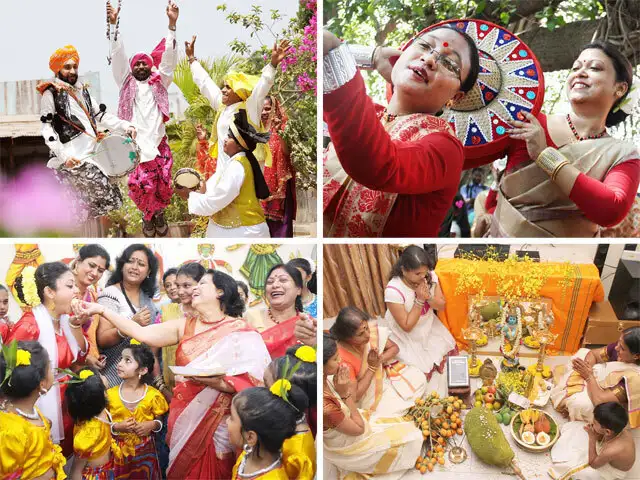
It's that time of the year again when people can catch a glimpse of India's diverse cultures. The Eastern, Northern & Southern parts of the country celebrate their first harvest festival of the year - Baisakhi, Bihu, Vishu, Poila Boishak & Puthandu - with vigour and fervour. Every year, the festivals fall on April 13 or April 14, based on the Hindu or Sikh Calendar.
Here's a look at how people celebrate their New Years...
It's that time of the year again when people can catch a glimpse of India's diverse cultures. The Eastern, Northern & Southern parts of the country celebrate their first harvest festival of the yea..
Read More
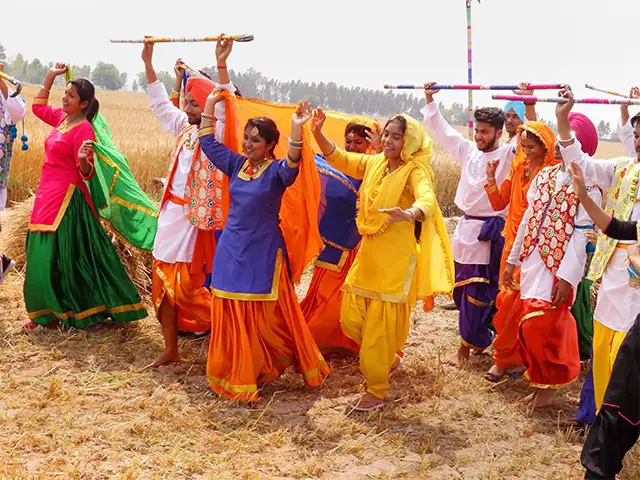
This year, Baisakhi falls on April 14.
On this day, Guru Gobind Singh, the tenth Guru of Sikhs, asked people to follow Sikhism in 1699, and the Khalsa community was formed.
The northern states of Punjab, Haryana and parts of Delhi celebrate this day with much fanfare. People get together, and perform bhangda and gidda on traditional folk songs and dhol. Men show off their gatka skills (traditional form of martial-arts of the Sikh.)
The Sikh community also observes it as the day of thanksgiving for abundant harvest, and pray for future prosperity.
This year, Baisakhi falls on April 14.
On this day, Guru Gobind Singh, the tenth Guru of Sikhs, asked people to follow Sikhism in 1699, and the Khalsa community was formed.
The northern stat..
Read More
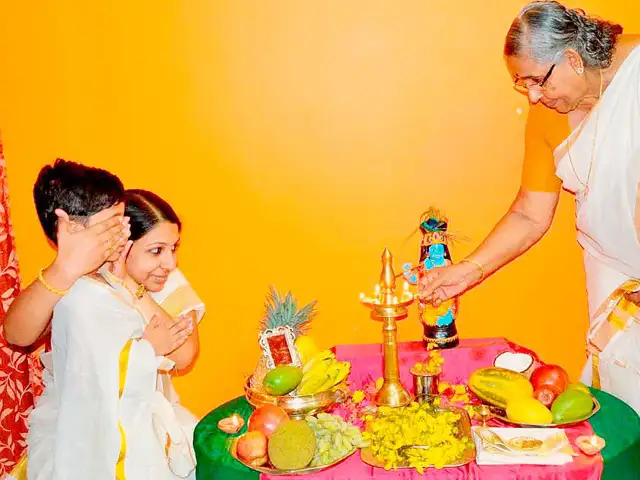
This year, Vishu will fall on April 14.
The festival of lights and fireworks is celebrated in Kerala, and parts of Karnataka. People decorate their houses with diyas and lights, and burst firecrackers (locally called Vishupadakkam). The traditions of Vishu include the first auspicious view of the festive day (called Vishukkani Kazhcha), buying of new clothes for the occasion (called Puthukodi), giving money which is the first gift of the year (called Vishukkaineetam) and the feast consisted of food items that taste salty, sweet, sour and bitter (called Sadya).
The ritual arrangement (called Vishukkani) made on this auspicious day in the prayer room of the house includes a list of items that bring prosperity - rice, fruits, vegetables, betel leaves, arecanut, metal mirror, yellow flowers (called konna), holy texts and coins. The items are arranged a night before Vishu and is the first sight of Lord Vishnu on Vishu.
Devotees throng the Sabarimala Ayyappan and the Guruvayur temples to see the 'Vishukkani Kazhcha' during the Brahma Muhurtha, around 3.30 am.
This year, Vishu will fall on April 14.
The festival of lights and fireworks is celebrated in Kerala, and parts of Karnataka. People decorate their houses with diyas and lights, and burst firec..
Read More
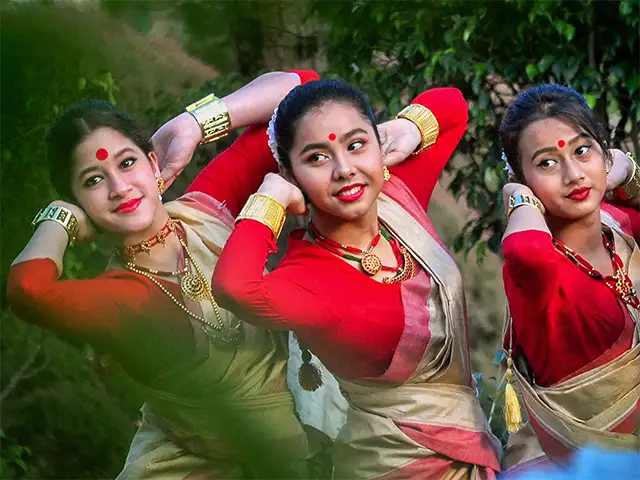
Observed on April 15, 2018, Bohag Bihu is the widely celebrated across Assam, and parts of Manipur and Bengal. The Assamese celebrate Bihu thrice a year, which signify the distinct cycles of farming - Bhogali/Magh Bihu (January), Bohag/Rongali Bihu (April), and Kongali Bihu (October).
On the day of Bohag Bihu, various delicacies like Mangsho, Chira and Pitha are made. Women, men and children are seen singing, feasting, exchanging gifts, seeking blessings from elders, wearing new clothes, and performing the traditional Bihu dance on this day.
Observed on April 15, 2018, Bohag Bihu is the widely celebrated across Assam, and parts of Manipur and Bengal. The Assamese celebrate Bihu thrice a year, which signify the distinct cycles of farmi..
Read More
This year, Puthandu is being celebrated on April 14 in Tamil Nadu, and Tamil-dominated countries Sri Lanka and Mauritius. According to the Tamil Calendar Varusha Pirappu, Puthandu marks the first day of the first month (Chithirai).
The celebrations of Puthandu resonate to that of Vishu. The night before the auspicious day, a tray full of fruit, betel leaves, gold ornaments, silver jewellery, money/cash/coins and flowers are put together in the prayer room for the Lord to view as the first thing.
It is believed that the first view of these auspicious things brings happiness and prosperity for the rest of the year.
This year, Puthandu is being celebrated on April 14 in Tamil Nadu, and Tamil-dominated countries Sri Lanka and Mauritius. According to the Tamil Calendar Varusha Pirappu, Puthandu marks the first ..
Read More
This year, Poila Boishakh will be celebrated on April 15 in West Bengal, and parts of Tripura. According to the Bengali calendar, it is the first day of first month (called Baishakh), and people thank the divine forces for the harvest of the previous year and that to follow.
People decorate their houses with rangoli in their courtyards made with a paste of rice and water (called alpona).
Families get together on this auspicious day, and celebrate the new year with Bengali folk songs and dances in traditional attires. Small gatherings are held where children and adults take part in various activities like drawing/painting, dancing, poetry recitation, singing, etc.
This year, Poila Boishakh will be celebrated on April 15 in West Bengal, and parts of Tripura. According to the Bengali calendar, it is the first day of first month (called Baishakh), and people t..


 Scrumptious Poila Boishak recipes that will make the start to your new year even better