Scientists believe trained dogs will start sniffing out coronavirus patients by July
The programme is training dogs to detect Covid in saliva and urine samples.
By PTI |
iStock
With up to 300 million smell receptors, dogs are uniquely positioned to aid in disease detection.
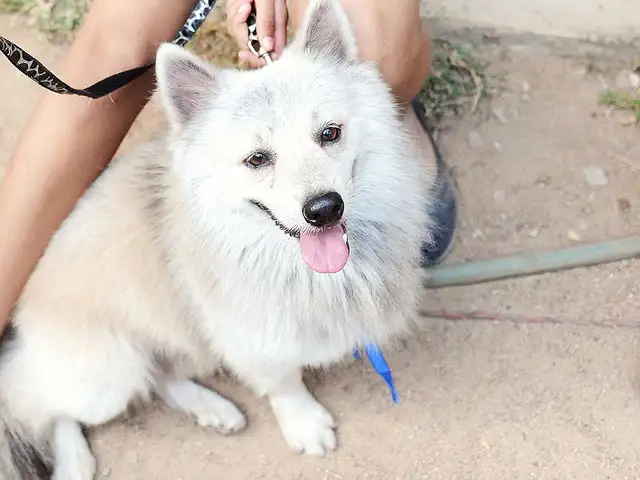
WASHINGTON: Scientists in the US say they are training dogs to identify COVID-19 in humans by sniffing out the disease in saliva and urine samples.
According to the researchers at the University of Pennsylvania's School of Veterinary Medicine (Penn Vet) in the US, the training programme will utilise scent detection dogs to discriminate between samples from COVID-19 positive and COVID-19 negative patients.
With up to 300 million smell receptors - compared to six million in humans - dogs are uniquely positioned to aid in disease detection, they said in a statement.
The study - that will explore the sensitivity and specificity of scent - sets the stage for dogs to be a force multiplier in the mission to detect COVID-19, particularly among asymptomatic patients, or hospital or business environments where testing is most challenging, according to the researchers.
Preliminary screening of live humans by trained dogs could begin as early as July, they said.
Once the dogs learn the odour, the researchers will document that canines can discriminate between COVID-19 positive and COVID-19 negative samples in a laboratory setting.
ADVERTISEMENT
"Scent detection dogs can accurately detect low concentrations of volatile organic compounds, otherwise known as VOCs, associated with various diseases such as ovarian cancer, bacterial infections, and nasal tumours. These VOCs are present in human blood, saliva, urine or breath," said Cynthia Otto, a professor at Penn Vet.
"The potential impact of these dogs and their capacity to detect COVID-19 could be substantial," Otto said in a statement.
The researchers will initially begin the study with eight dogs to perform this precise detection work.
Over the course of three weeks through a process called odour imprinting, the dogs will be exposed to COVID-19 positive saliva and urine samples in a laboratory setting, they said.
ADVERTISEMENT
Once the dogs learn the odour, the researchers will document that the dogs can discriminate between COVID-19 positive and COVID-19 negative samples in a laboratory setting, establishing the platform for testing to determine if the dogs can identify COVID-19 infected people.
The World Health Organization (WHO) for the longest time believed that coronavirus cannot infect pets like dogs or cats.
In less than a month, several reports of various animals contracting the diseases made the WHO pause and think about their stance. The reports suggest that this deadly virus can break the species barrier and move around.
WHO's intergovernmental animal health body - World Organisation for Animal Health (OIE) - confirmed that there is a possibility that some animals can get infected through close contact with infected humans.
OIE said that studies are under way to understand the issue better and that it is still too early to say whether pets could be the intermediate host in the transmission of the COVID-19.
While they are urging anyone who has become sick to limit contact with pets, we look at all the animals who contracted the disease from humans.
(Representative Image)
The World Health Organization (WHO) for the longest time believed that coronavirus cannot infect pets like dogs or cats.In less than a month, several reports of various animals contracting the diseas..
Read More
Warning! This might upset all dog lovers out there.
The first animal in the world to test positive for coronavirus was a 17-year-old dog which had to be kept under mandatory quarantine in Hong Kong since February 26. The news got grim when the owner revealed that the canine passed away on March 16 - less than a week after he was declared Covid-19-free and released from the government facility.
He was sent home after testing negative, but it was not clear if the virus was the reason for the animal's death. The 60-year-old owner, who also recovered from her Covid journey after being in quarantine, had refused an autopsy of his pet to determine cause of death.
The Pomeranian had been through five tests and all returned 'weak positive' for the new virus.
The last two tests - carried out on March 12 and 13 - 'proved the dog's samples were negative'.
(Representative Image)
Warning! This might upset all dog lovers out there.The first animal in the world to test positive for coronavirus was a 17-year-old dog which had to be kept under mandatory quarantine in Hong Kong si..
Read More
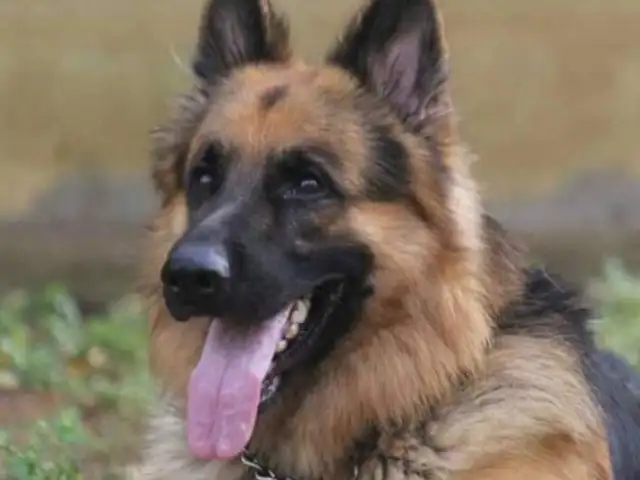
Days after the death of the world's first animal detected with Covid-19, another case emerged in Hong Kong, again, where a German Shepherd living in the Pok Fu Lam area had tested positive for coronavirus during a screening campaign.
While the dog was asymptomatic, his mixed-breed sibling who was living in the same house had tested negative. Both canines were put under quarantine along with their owner who had tested positive as well.
(Representative Image)
Days after the death of the world's first animal detected with Covid-19, another case emerged in Hong Kong, again, where a German Shepherd living in the Pok Fu Lam area had tested positive for corona..
Read More
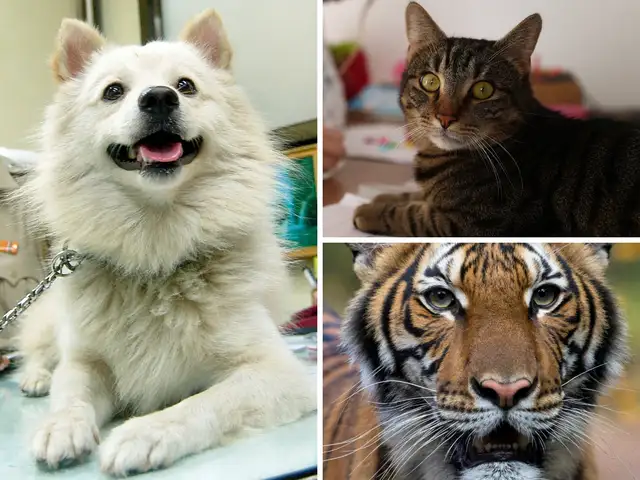
During a screening campaign carried out on 17 dogs and eight cats living in contact with people carrying the virus, where two canines tested positive, other pets animals like a cat and three dogs were also placed at the animal keeping facility in Hong Kong.
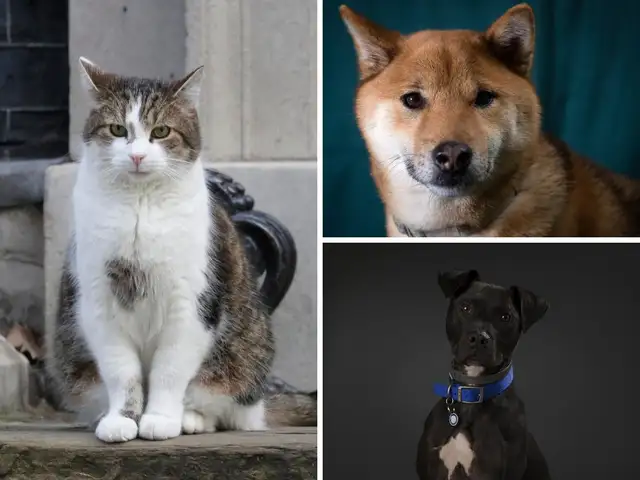
Apart from the Pomeranian which died, the other three animals - an exotic shorthair cat, a Shiba Inu and a mongrel - were also tested negative for the deadly virus, according to reports.
(Representative Image)
During a screening campaign carried out on 17 dogs and eight cats living in contact with people carrying the virus, where two canines tested positive, other pets animals like a cat and three dogs wer..
Read More
Coronavirus didn't spare the felines. In late March, a pet cat was found infected with Covid-19 in Belgium, and it was believed that it contracted the virus from the people it was living with. The corona cat suffered from transitory respiratory and digestive problems after contracting the infection.
To shock you further, the Chinese researchers from Harbin Veterinary Research Institute revealed in a study that cats are not only susceptible to contracting the deadly virus, but could also pass it on to other cats.
However, the study said that other animals such as dogs (despite two known positive cases worldwide), chicken and pigs weren't susceptible like ferrets and cats.
Back home, in an interesting development, authorities have even warmed up to feline lovers. In Kerala, the High Court on April 6 allowed a permit to a cat owner to drive around town in his car amid lockdown to buy food (seven kg biscuits) for his pets.
(Representative Image)
Coronavirus didn't spare the felines. In late March, a pet cat was found infected with Covid-19 in Belgium, and it was believed that it contracted the virus from the people it was living with. The co..
Read More
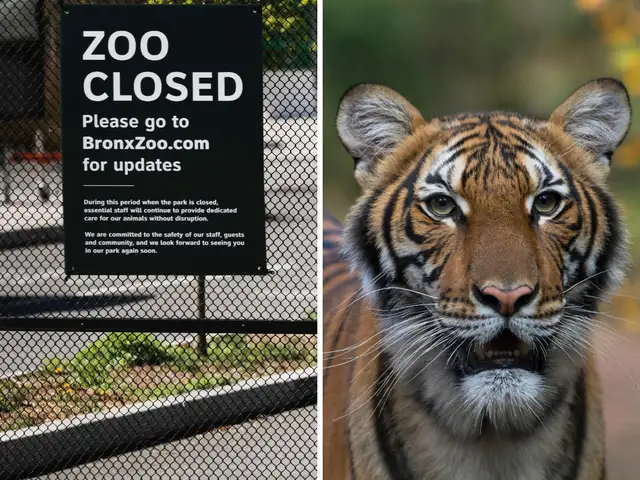
Another resident of the cat family, a 4-year-old female Malayan tiger, Nadia, tested positive for the novel coronavirus on April 6. The tigress, who lives at the Bronx Zoo in New York with six other big cats, is said to have contracted the deadly virus by an asymptomatic zoo keeper.
Nadia's sister, Azul, and two Amur tigers had also developed a dry cough and loss of appetite.
This case came as a shocker as this was believed to be the first known case of an animal infected with COVID-19 in the US, raising questions about human-to-animal transmission of the virus.
Another resident of the cat family, a 4-year-old female Malayan tiger, Nadia, tested positive for the novel coronavirus on April 6. The tigress, who lives at the Bronx Zoo in New York with six other ..
Read More
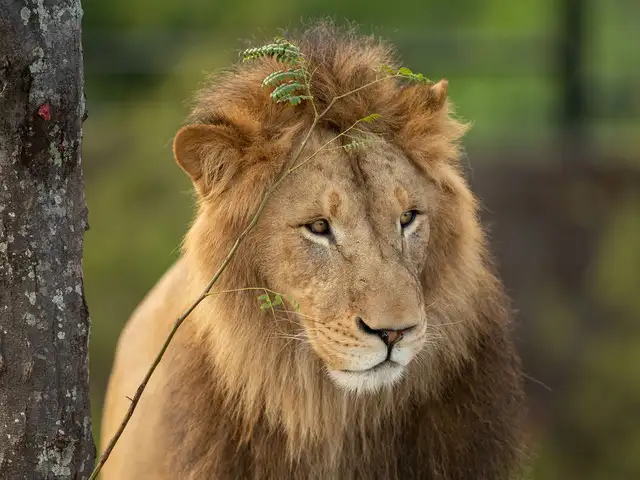
Along with the 4-year-old Nadia, three African lions had also developed a dry cough and decrease in appetite. While they did not contract the virus, it was reported that they were expected to recover soon.
The deep-chested cats were put under veterinary care, and were seen bright, alert and interactive with the zookeepers at the Bronx Zoo in New York.
(Representative Image)
Along with the 4-year-old Nadia, three African lions had also developed a dry cough and decrease in appetite. While they did not contract the virus, it was reported that they were expected to recover..