CAI’s new exhibition will show you how life was back in post-Independence India .
To know our present, we need to understand our past. Not from a macro level, but at a micro level too. And, that’s what the Citizens’ Archive of India (CAI) are doing with their first exhibition titled ‘Life as They Knew It: Stories from India’s first citizens’.
CAI, founded by Rohan Parikh in 2016, aims to showcase stories that go beyond the political climate of the time. With over 350 hours of interviews, the stories that are shared by the first citizens include everything from childhood memories to culture and community and how times have changed.
“I bought this Mercedes second-hand from a foreigner who was moving away, so I got it really cheap. I used to drive it to work. The policeman at the corner would salute me and stop traffic to let me through. After I sold the car, he never even recognized me!” – Suman Desai, Bombay, 1960s
Malvika Bhatia, a representative from CAI, tells ET Panache, “The idea came to us in August and we wanted to build a sort of history of India from people’s point of view.”
The exhibition takes you through the experiences of ordinary people’s lives as India transitioned from the British Raj to a young, independent nation. Starting with stories from their early years, it goes on to portray memories associated with their life during school, college, marriage, and their career. Each section is populated with stories and anecdotes from across multiple interviews conducted by CAI over its two years. It is interesting how different each life was despite a similar political backdrop.
“This picture of my mother and I was taken at my thread ceremony. I was growing up. This ritual signifies the last time a son eats from his mother’s plate.” – Col. Deodutta Rajwade, Nagpur, 1930s The stories are not only diverse in terms of geography, but also socio-economic backgrounds and emotional tonality. In sync with the nature of the archive, the exhibition is peppered with video clips from interviews conducted by CAI, while its main thread has been curated through individual stories supported by photographs capturing special moments in the lives of these citizens. In one section, you will also see a montage of video clips explaining the archive and its work.
ADVERTISEMENT
A photograph of Doongursee Shyamji Joshi with the Governor of Sind, as they inspect the Karachi Panjrapole. Karachi, undated. The Citizens’ Archive of India is holding its first exhibition, ‘Life As They Knew It: Stories from India’s first citizens’, on 14th and 15th November, 2019, at Chemould Prescott Road.
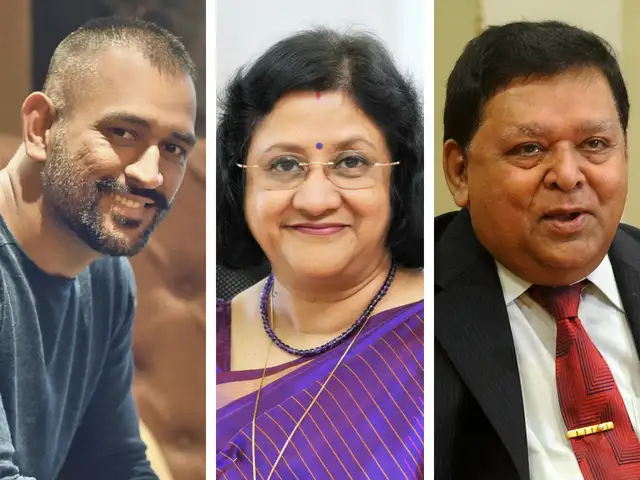
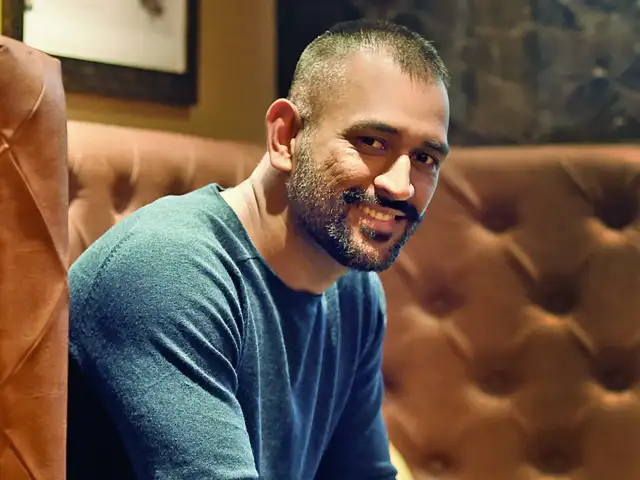
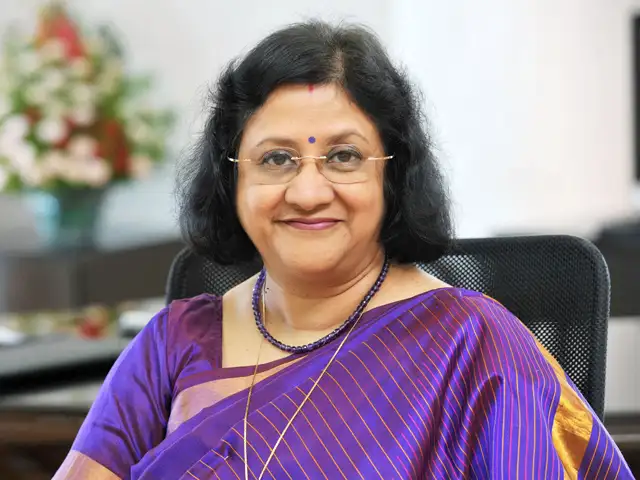
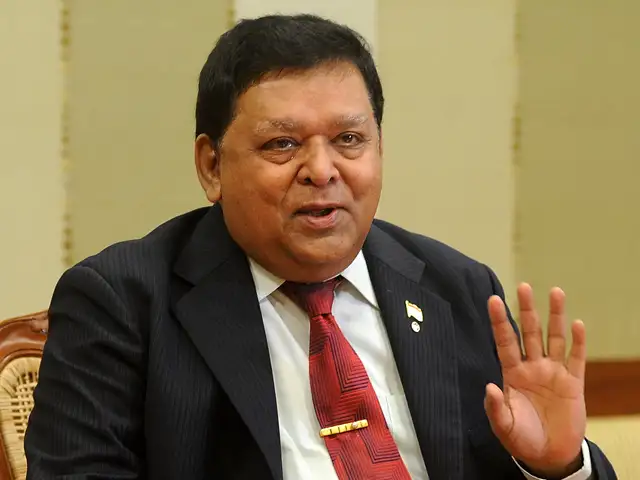
Independence Day: What Freedom Means To MS Dhoni, AM Naik & Arundhati Bhattacharya
1/7
They have the last word and their actions have a significant impact. That is why these corporate and sports standouts know that freedom comes with great responsibility.
They have the last word and their actions have a significant impact. That is why these corporate and sports standouts know that freedom comes with great responsibility.
“Being able to take decisions when it comes to team selection, batting orders and bowlers is what having a free hand as captain means to me. A good captain always has a good team behind him. It is about having faith in your players and encouraging them to play to their potential.”
“Being able to take decisions when it comes to team selection, batting orders and bowlers is what having a free hand as captain means to me. A good captain always has a good team behind him. It is a..
Read More
“When you are running a company and can take decisions that benefit the stakeholders, that indicates that you have freedom. At any point of time, no matter what position you are in, you must ensure your decisions are in the best interests of the stakeholders. Obviously, you are not a free agent. You are subject to the board and various other regulations. You can’t have freedom without responsibilities. There must be bounds to freedom. Freedom without bounds is anarchy.”
“When you are running a company and can take decisions that benefit the stakeholders, that indicates that you have freedom. At any point of time, no matter what position you are in, you must ensure ..
Read More
“A boss automatically gets a free hand when he assumes the responsibilities given to him. We are all answerable to someone — to department heads, board of directors, and even yourself. Once you assume the responsibility, people are happy to let you take decisions, devise strategies, and basically execute in a way you think is right. When given a free hand, one can channel the entire organisation to achieve a vision. And since it is his vision, the boss looks for the required resources, opportunities and manages the risks associated with it.”
“A boss automatically gets a free hand when he assumes the responsibilities given to him. We are all answerable to someone — to department heads, board of directors, and even yourself. Once you assum..
Read More
“The culture in our company has always been one driven by a sense of empowerment. If initiative, do something, and if you end up making a mistake, the company won’t mind. This is how you become a self-made man. You have the freedom to do what you think is the right thing. And even if there are some small errors, it’s okay. You will learn from them.”
“The culture in our company has always been one driven by a sense of empowerment. If initiative, do something, and if you end up making a mistake, the company won’t mind. This is how you become a sel..
Read More
“Small steps keep you going: This is the mantra I follow. As a boss, I have always asked my employees to follow their passion right up to execution. Having an idea is one thing but backing it up involves taking risks, and that is something I constantly tell my team.”
“Small steps keep you going: This is the mantra I follow. As a boss, I have always asked my employees to follow their passion right up to execution. Having an idea is one thing but backing it up inv..
Read More
“To build a great organisation, a boss needs to create an environment that empowers the team to make decisions, and [he should] recognise the efforts irrespective of the outcome. Effectively, freedom to express ideas, take decisions and make mistakes are the key to building a great culture.”
“To build a great organisation, a boss needs to create an environment that empowers the team to make decisions, and [he should] recognise the efforts irrespective of the outcome. Effectively, freedo..