Put broccoli, cheese & meat on your plate: Foods rich in Vitamin A may cut skin cancer risk
Vitamin A is a fat soluble vitamin.
By PTI |
Agencies
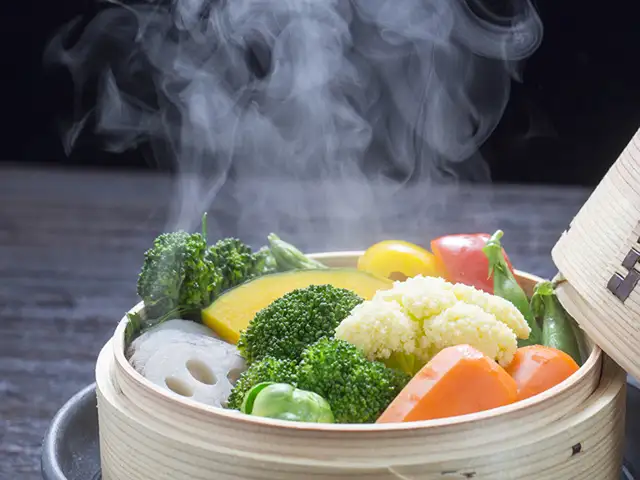
Healthy food sources of vitamin A include sweet potato, cantaloupe, carrots, black-eyed peas, sweet red peppers, broccoli, spinach, dairy foods, fish and meat, especially liver.
WASHINGTON DC: Intake of vitamin A may be associated with a lower risk of a common type of skin cancer, a study claims.
The study of about 125,000 Americans found that people with the highest intake of vitamin A lowered their risk of squamous cell skin cancer by around 15 per cent.
Most of the vitamin A they consumed came from foods, according to the study published in the journal JAMA Dermatology.
"These findings just add another reason to have a healthy diet with fruits and vegetables. Vitamin A from plant sources is safe," said Eunyoung Cho, an associate professor at Brown University in the US.
Healthy food sources of vitamin A include sweet potato, cantaloupe, carrots, black-eyed peas, sweet red peppers, broccoli, spinach, dairy foods, fish and meat, especially liver, according to the US National Institutes of Health (NIH).
Vitamin A is a fat soluble vitamin. That means it can collect in the fat cells.
ADVERTISEMENT
Vitamin A seemed to be even more protective for people with numerous moles and those who had a blistering sunburn in childhood or adolescence.
However, when taken in large amounts -- like those in supplements -- people can potentially reach an unsafe level of vitamin A, according to the NIH.
Adults shouldn't consume more than 10,000 international units (IU) of preformed vitamin A daily, the NIH said.
Cho said too much preformed vitamin A -- typically from supplements and some animal foods -- increases the risk of osteoporosis and hip fractures.
ADVERTISEMENT
Squamous cell carcinoma is a common type of skin cancer. Over a lifetime, as many as 11 per cent of Americans will have squamous cell skin cancer, the researchers said.
It tends to occur in areas exposed to a lot of sunlight, such as the face and head.
ADVERTISEMENT
The study included data from more than 75,000 women who took part in the Nurses' Health Study and almost 50,000 men in the Health Professionals Follow-up Study.
Participants' average age was in the early 50s.
Study volunteers provided information on their average diet and supplement use.
Nearly 4,000 people ended up with squamous cell skin cancer during more than 25 years of follow-up, the findings showed.
Average daily vitamin A intake was around 7,000 IU daily for the lowest group in both studies.
The highest group in both studies had more than 21,000 IU daily. Most of this came from dietary sources, the researchers said.
They noted that increasing use of vitamin A supplements didn't appear to lower the risk of squamous cell skin cancer.
Vitamin A seemed to be even more protective for people with numerous moles and those who had a blistering sunburn in childhood or adolescence.
The study wasn't designed to prove a cause-and-effect link, but Cho said that vitamin A works to keep skin cells healthy, and that may be why it's linked to a lower risk of squamous cell cancers.
A study by the National Institute of Cancer Prevention and Research on Cancer shows that 11,57,294 lakh new cases are registered in India every year, and 7,84,821 people succumbed to the disease in 2018.
Here are certain lifestyle changes that can keep cancer away.
A study by the National Institute of Cancer Prevention and Research on Cancer shows that 11,57,294 lakh new cases are registered in India every year, and 7,84,821 people succumbed to the disease in 2..
Read More
Being overweight and obese raise risk for breast, colorectal, oesophageal, uterine, pancreatic and kidney cancers.
It is important to manage your weight. Be as lean as possible without becoming underweight.
It is essential to be physically active. Workout for at least 30 minutes every day to stay fit.
Being overweight and obese raise risk for breast, colorectal, oesophageal, uterine, pancreatic and kidney cancers.
It is important to manage your weight. Be as lean as possible without becoming unde..
Read More
Avoid sugary drinks as much as possible. Limit consumption of high-calorie and salty foods. Also stay away from food items processed with salt.
Avoid sugary drinks as much as possible. Limit consumption of high-calorie and salty foods. Also stay away from food items processed with salt.
Smoking remains the largest preventable cause of throat and lung cancers in the world. Avoid smoking and second-hand smoking.
Smoking remains the largest preventable cause of throat and lung cancers in the world. Avoid smoking and second-hand smoking.
Alcohol consumption plays an important role in getting various cancer types. Risk of breast cancer is also increased by alcohol — the more you drink, the more likely you get the disease. It is also strongly linked to mouth and upper throat cancers. If you drink alcohol, limit your daily intake.
Alcohol consumption plays an important role in getting various cancer types. Risk of breast cancer is also increased by alcohol — the more you drink, the more likely you get the disease. It is also s..
Read More
Eat a variety of vegetables, fruits, whole grains and legumes.
Don’t use supplements unless prescribed
Eat a variety of vegetables, fruits, whole grains and legumes.
Don’t use supplements unless prescribed
Diet high in red and processed meats contribute to bowel cancers. Limit consumption of red meat and avoid processed meats.
Diet high in red and processed meats contribute to bowel cancers. Limit consumption of red meat and avoid processed meats.
It’s necessary for mothers to exclusively breastfeed their babies up to six months.
It’s necessary for mothers to exclusively breastfeed their babies up to six months.
After treatment, cancer survivors should follow professional recommendation to prevent secondary cancer.
After treatment, cancer survivors should follow professional recommendation to prevent secondary cancer.