One man’s meat can be another’s poison

Now, for that do-or-diet solution to losing weight.

Getty Images
The weight of all flesh seems to differ from person to person, and any given nutritional regimen that works for one individual need not necessarily work for another, even if the two happen to be identical twins.
The trouble with living off the fat of the land is that one ends up living in the land of the fat. With growing obesity worldwide, dieticians and nutritionists are increasingly in demand by those seeking the cause of their corpulence. The conclusion seems to be that the problem of portliness is not so much that one has too much on one’s plate, literally and metaphorically, but what one has on one’s plate.

The recent findings of a joint team of epidemiologists from King’s College London and the Harvard Medical School suggest that there is no such thing as a one-size-fit-all diet. The weight of all flesh seems to differ from person to person, and any given nutritional regimen that works for one individual need not necessarily work for another, even if the two happen to be identical twins.

The scientists have discovered that while genes can account for about 70% of one’s propensity to gain or lose weight, the balance 30% depends on one’s specific constitutional makeup. When Hamlet wished in vain that his ‘too, too solid flesh would melt’, the melancholic prince might have done well to consult a nutritionist who could have devised a designer diet for him, which presumably avoided Danish pastry. That all is grist that comes to the meal is suggested by the story of the stout chap who, declaring that no diet worked on him, was eventually forced to eat his words, and nothing else.


World Nutrition Day: Proteins, Vitamins, Calcium And Other Nutrients You Need For A Balanced Diet
1/8
Too busy to prioritise what you eat? It just needs a conscious thought before eating any meal and basic understanding of different kinds of food and nutrients like Vitamin C, Vitamin A, iron, calcium, protein, energy and folic acid.

It is important to consume food that can provide good nutrition for a healthy lifestyle.

The Indian dietary guidelines recommend that a balanced diet should provide around 50-60% of total calories from carbohydrates, preferably complex carbohydrates, about 10-15% from proteins, and 20-30% from both visible and invisible fats. A balance diet should also provide vitamins and minerals along with dietary fibres and antioxidants.

Dr Rajan Sankar, Senior Advisor - Nutrition at Tata Trusts, shares what one needs to eat to get started.
Too busy to prioritise what you eat? It just needs a conscious thought before eating any meal and basic understanding of different kinds of food and nutrients like Vitamin C, Vitamin A, iron, calcium..
Read More
Carbohydrates are either simple or complex and are a major source of energy. Simple carbohydrates are found in fruits, vegetables, etc. while complex carbohydrates abound in cereals, roots, tubers, grains, etc. In the Indian diet, 70-80% of total dietary calories are derived from carbohydrates present in plant foods such as cereals, millets and pulses.

Also, fats - often termed 'bad' - are essential like other macronutrients. They are needed for energy, absorbing vitamin, and protecting the heart and brain health. Bad fats such as trans-fats and saturated fats, generally found in vegetable shortenings, butter, fried foods, hydrogenated oils are rightly blamed for weight gain and clogged arteries. But 'good' fats, such as unsaturated fats and omega 3, present in nuts and oil seeds, play a major role in managing mood, fighting fatigue, and even controlling weight.

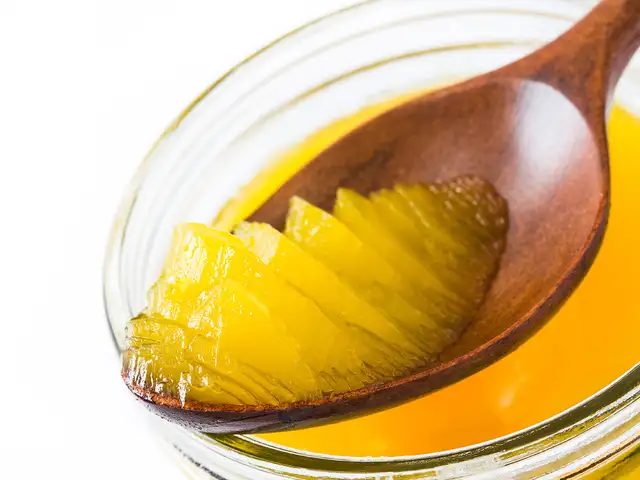
Eat a lot of cereals, tubers, rice, wheat, potatoes, almonds, walnuts, coconut, groundnuts, oil seeds, vegetables oil, ghee, etc.
Carbohydrates are either simple or complex and are a major source of energy. Simple carbohydrates are found in fruits, vegetables, etc. while complex carbohydrates abound in cereals, roots, tubers, g..
Read More
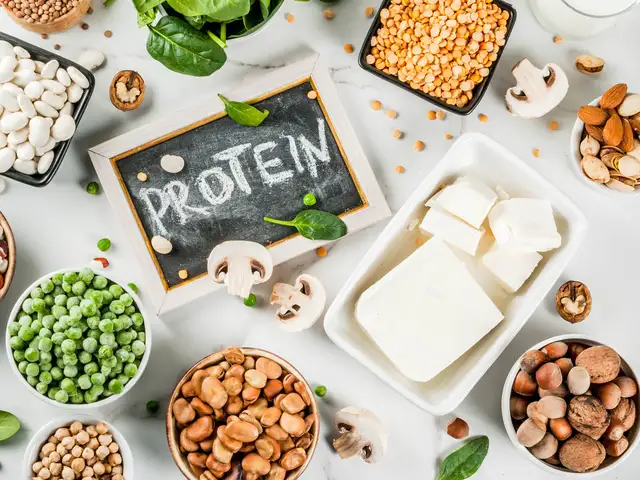
Proteins, the 'body-building foods', are primary structural and functional components of every living cell. Milk, meat, fish and eggs and plant foods such as pulses and legumes are rich in protein. A typical Indian diet is mainly vegetarian. Therefore, a combination of cereals, millets and pulses must be eaten as it provides most of the amino-acids, which complement each other to provide better quality proteins.

One should also eat Bengal gram, green gram, lentils, red gram, cheese, khoya, milk powder, and nuts and oilseeds like groundnuts, cashew nuts, almond.
Proteins, the 'body-building foods', are primary structural and functional components of every living cell. Milk, meat, fish and eggs and plant foods such as pulses and legumes are rich in protein. ..
Read More
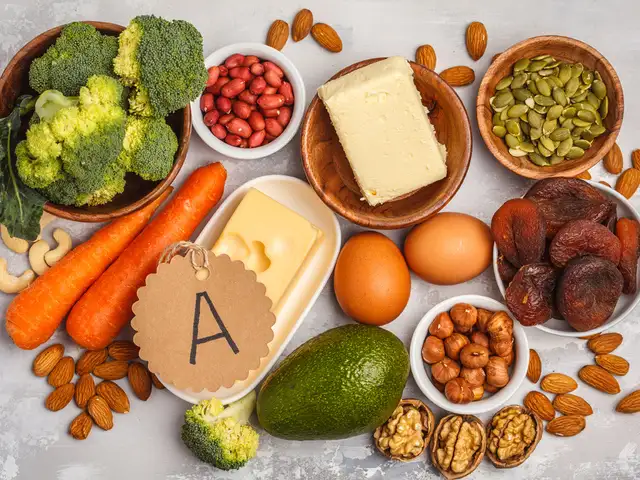
Vitamins and minerals, and essential micronutrients, are required by the body in small amounts. They are essential for maintenance of the structure of skin, bones, nerves, eyes, brain and organs, as well as battling infections. Deficiencies, however, can lead to severe problems. The best way to ensure healthy growth and development is to consume a wide variety of fresh foods like leafy vegetables like ambat chukka, coriander, spinach, mint, amaranth, fenugreek, radish leaves and curry leaves, pumpkin, green chilies, carrots, fruits like mangoes and papaya, eggs, meats, dairy products, pulses and cereals.
Vitamins and minerals, and essential micronutrients, are required by the body in small amounts. They are essential for maintenance of the structure of skin, bones, nerves, eyes, brain and organs, as ..
Read More
It's important to limit use of butter, refined flour, sugars, ready-to-eat fast food, and processed food. Cut down salt, soft drinks and fatty foods. Preferably, fill your plate with seasonal and locally available fruits and vegetables.

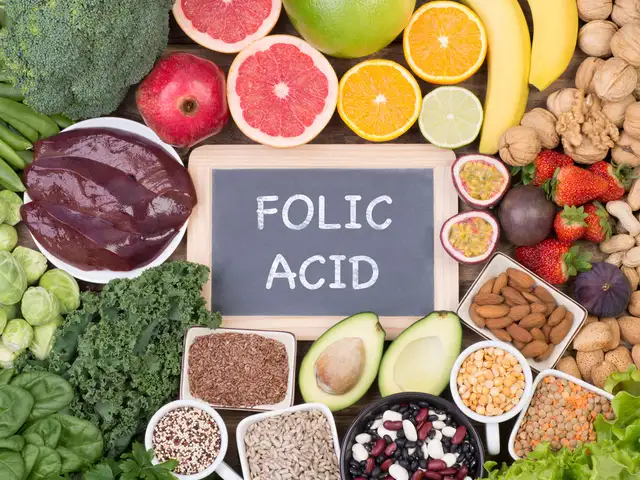
To have a good intake of folic acid, green leafy vegetables like amaranth, ambat chukka, mint and spinach, and pulses like Bengalgram, blackgram, greengram and redgram.
It's important to limit use of butter, refined flour, sugars, ready-to-eat fast food, and processed food. Cut down salt, soft drinks and fatty foods. Preferably, fill your plate with seasonal and lo..
Read More
Make sure half of your plate consists of fruits and vegetables. Also, don't forget to include whole grains and cereals.

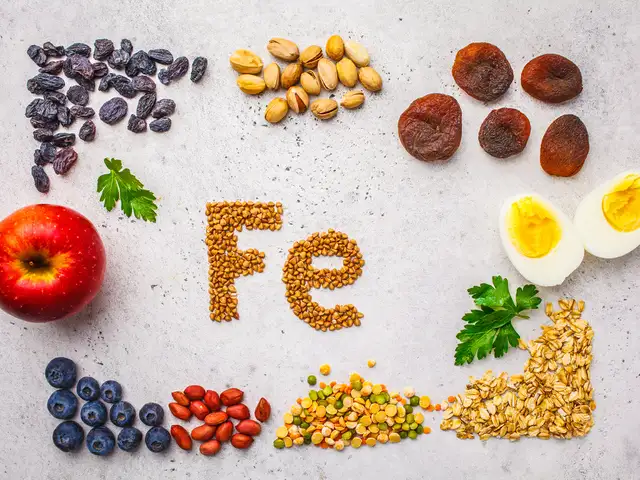
Iron deficiency can lead to extreme fatigue. To keep the haemoglobin level in desired levels, include iron-rich foods like amaranth, bengalgram, leaves, cauliflower, greens, radish leaves
Make sure half of your plate consists of fruits and vegetables. Also, don't forget to include whole grains and cereals. Iron deficiency can lead to extreme fatigue. To keep the haemoglobin level in ..
Read More
While it is important to eat macronutrients (carbohydrate, proteins and fats) in relatively large quantities, it is sufficient to consume micronutrients (vitamins and minerals) in rather small quantities.

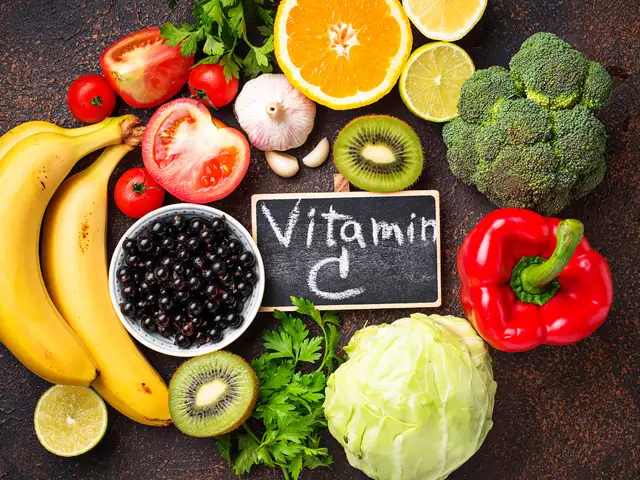
In order to get Vitamin C, eat more of citrus fruits, amla, guava, lemon, tomatoes, etc.
While it is important to eat macronutrients (carbohydrate, proteins and fats) in relatively large quantities, it is sufficient to consume micronutrients (vitamins and minerals) in rather small quant..
Read More
Always choose healthier options when eating out, and read the nutrition labels and ingredient list when buying food.

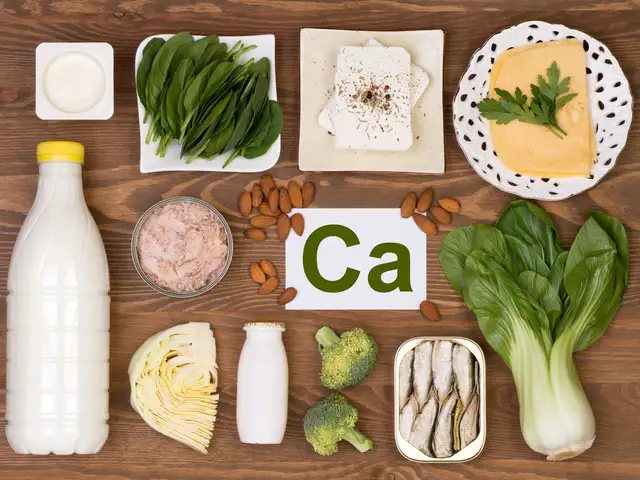
For a calcium-rich diet, eat cereals and legumes, ragi, kidney beans, soyabean, milk and milk products, nuts and oilseeds like coconut dry, almond, gingelly seeds, sunflower seeds.
Always choose healthier options when eating out, and read the nutrition labels and ingredient list when buying food. For a calcium-rich diet, eat cereals and legumes, ragi, kidney beans, soyabean, ..
Read More

Download
The Economic Times Business News App
for the Latest News in Business, Sensex, Stock Market Updates & More.
READ MORE
ADVERTISEMENT

READ MORE:

LOGIN & CLAIM

50 TIMESPOINTS

More from our Partners

Loading next story
Business News › Magazines › Panache › One man’s meat can be another’s poison
Text Size:AAA
Success
This article has been saved

*

+