No time to watch credits? Netflix's unexplored feature on Android app lets users pace through videos
The concept of letting users toggle through from at a faster pace is not new.
By Rohan Abraham, ET Bureau |

Martin Scorsese’s 'The Irishman' is making waves on the festival circuit, and Netflix will be hoping that the three-and-a-half hour film is a hit when it debuts on the streaming platform. Scorsese’s latest is not the inordinately long movie on Netflix’s global catalogue, with extended cuts of iconic movies like 'The Lord of The Rings' and 'Lagaan', giving fans new footage to binge on, and for the uninitiated, an opportunity to catch up on yesteryear hits.
While Netflix has been cautious about revealing viewership metrics, the company will be hoping that users do not exit video playback before the end credits roll. It can be argued that the preponderance of videos with longer runtimes has nothing to do with Netflix’s latest move, but the streaming service is allegedly testing a new variable playback speed feature in its mobile app.
The technology website Android Police reported that some users of Netflix’s Android app noticed a new feature whereby a TV series or film can be played at variable speed, ranging from 0.5x to 1.5x the regular speed. While altering the playback speed might not be to the liking of directors, streaming platforms are better placed to judge viewing patterns. And it seems like people have less time on their hands to watch a story at the pace intended by directors.
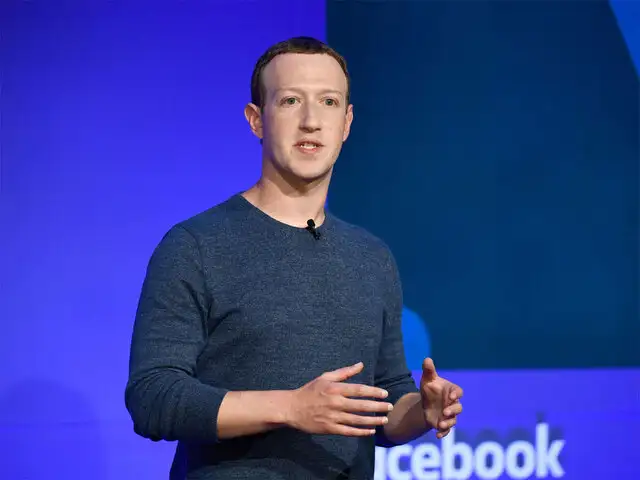
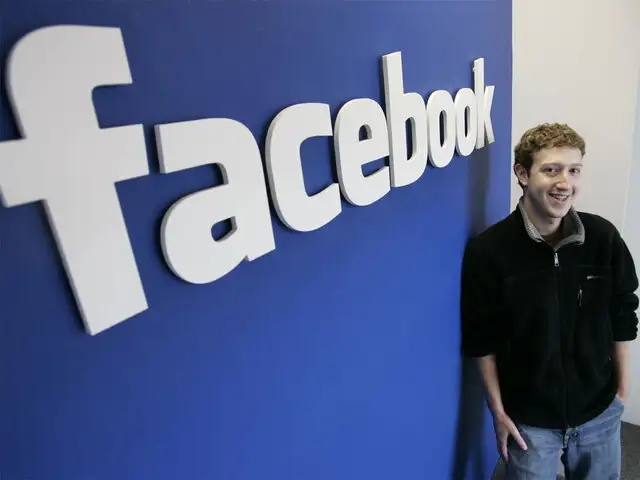
Social media giant Facebook turned 15 on Monday, at a time when the network has been facing flak for issues like fake news, manipulation, data leaks, privacy abuse, among others.
But despite the battles, co-founder and CEO Mark Zuckerberg, said he sees the network as a largely "positive" force for society.
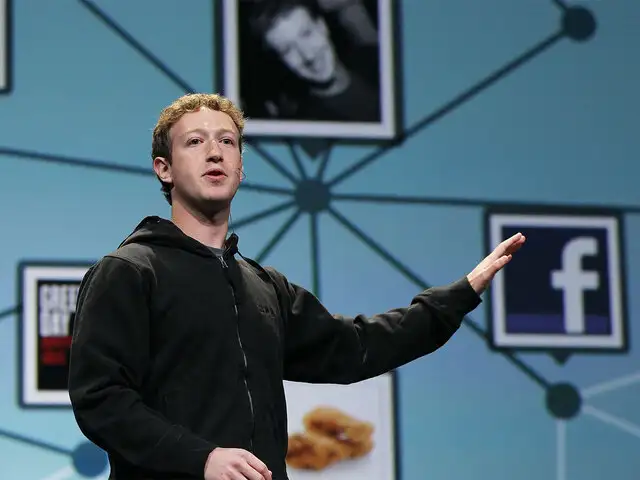
In a post on the Facebook's 15th birthday, Zuckerberg shared the journey from his college dorm to present day. "It took about four years for 100 million people to connect, and less than a decade for 1 billion people to connect. Today, about 2.7 billion people are connected using the service," he elaborated.
Here's a look at the journey of what has now become the world's biggest social network.
The concept of letting users toggle through from at a faster pace is not new. Audiobooks have had this functionality for years. Users have been able to adjust speed to strike a balance between comprehensibility and convenience when listening to audio books. However, applying this feature to videos could pose more challenges.
Most people have different reading speeds, and it can be argued that the pacing of the narrative is not affected even if it is read faster. In the case of motion picture, altering the playback speed could create an altogether different experience – faster dialogue delivery, action sequences, and change in scenes.
Netflix confirmed the report, saying, “"We’re always experimenting with new ways to help members use Netflix. This test makes it possible to vary the speed at which people watch shows on their mobiles. As with any test, it may not become a permanent feature on Netflix."
Users not taken in by the move can still watch content of their choice at normal speed, while those looking to catch longer movies - say the crime thriller “The Irishman” - during their commutes, will have the liberty of killing time (and a few characters) faster than otherwise intended.
While Netflix has been cautious about revealing viewership metrics, the company will be hoping that users do not exit video playback before the end credits roll. It can be argued that the preponderance of videos with longer runtimes has nothing to do with Netflix’s latest move, but the streaming service is allegedly testing a new variable playback speed feature in its mobile app.
The technology website Android Police reported that some users of Netflix’s Android app noticed a new feature whereby a TV series or film can be played at variable speed, ranging from 0.5x to 1.5x the regular speed. While altering the playback speed might not be to the liking of directors, streaming platforms are better placed to judge viewing patterns. And it seems like people have less time on their hands to watch a story at the pace intended by directors.
But despite the battles, co-founder and CEO Mark Zuckerberg, said he sees the network as a largely "positive" force for society.
In a post on the Facebook's 15th birthday, Zuckerberg shared the journey from his college dorm to present day. "It took about four years for 100 million people to connect, and less than a decade for 1 billion people to connect. Today, about 2.7 billion people are connected using the service," he elaborated.
Here's a look at the journey of what has now become the world's biggest social network.


The concept of letting users toggle through from at a faster pace is not new. Audiobooks have had this functionality for years. Users have been able to adjust speed to strike a balance between comprehensibility and convenience when listening to audio books. However, applying this feature to videos could pose more challenges.
Most people have different reading speeds, and it can be argued that the pacing of the narrative is not affected even if it is read faster. In the case of motion picture, altering the playback speed could create an altogether different experience – faster dialogue delivery, action sequences, and change in scenes.
ADVERTISEMENT
Film connoisseurs might chafe at the move, but for a cohort of the media-consuming population, the freedom to stream content at speeds of their choice could be well received, as there is a larger section that prefers information to be disseminated faster, rather than partaking the experience of watching a movie as envisioned by producers. Netflix confirmed the report, saying, “"We’re always experimenting with new ways to help members use Netflix. This test makes it possible to vary the speed at which people watch shows on their mobiles. As with any test, it may not become a permanent feature on Netflix."
Users not taken in by the move can still watch content of their choice at normal speed, while those looking to catch longer movies - say the crime thriller “The Irishman” - during their commutes, will have the liberty of killing time (and a few characters) faster than otherwise intended.
Download
The Economic Times Business News App for the Latest News in Business, Sensex, Stock Market Updates & More.
The Economic Times Business News App for the Latest News in Business, Sensex, Stock Market Updates & More.
ADVERTISEMENT


