NASA wants answers: Space agency announces 'Dragonfly' mission to explore Saturn's moom Titan
The spacecraft will be launched in 2026 and will land on Titan in 2034.

Agencies
WASHINGTON DC: The US space agency NASA announced on Thursday that it will launch a spacecraft in 2026 to explore the richly organic world of Titan, an analog to the very early Earth.
A rotorcraft called 'Dragonfly' will arrive at the Saturn's moon in 2034, looking for prebiotic chemical processes common on both Titan and Earth, which may lend clues to how life may have arisen on Earth, the Xinhua news agency reported quoting NASA.
Titan, the second largest moon in the solar system, is an icy world whose surface is completely obscured by a nitrogen-based golden atmosphere, four times denser than Earth's.
Dragonfly, a drone-like spacecraft with eight rotors, will explore Titan's diverse environments from organic dunes to the floor of an impact crater where liquid water and complex organic materials key to life once existed together for possibly tens of thousands of years.
The instruments on the spacecraft will search for chemical evidence of past or extant life, according to NASA.
"Dragonfly will visit a world filled with a wide variety of organic compounds, which are the building blocks of life and could teach us about the origin of life itself," said Thomas Zurbuchen, NASA's associate administrator for science.
The rotorcraft will hop on the moon's surface in a series of leapfrog flights of up to eight km in order to take samples in diversified locations. It will eventually fly more than 175 km and become the first vehicle ever to fly its entire science payload to new places for repeatable and targeted access to surface materials.
"It's remarkable to think of this rotorcraft flying miles and miles across the organic sand dunes of Saturn's largest moon, exploring the processes that shape this extraordinary environment," said Zurbuchen.
A rotorcraft called 'Dragonfly' will arrive at the Saturn's moon in 2034, looking for prebiotic chemical processes common on both Titan and Earth, which may lend clues to how life may have arisen on Earth, the Xinhua news agency reported quoting NASA.
Titan, the second largest moon in the solar system, is an icy world whose surface is completely obscured by a nitrogen-based golden atmosphere, four times denser than Earth's.
Dragonfly, a drone-like spacecraft with eight rotors, will explore Titan's diverse environments from organic dunes to the floor of an impact crater where liquid water and complex organic materials key to life once existed together for possibly tens of thousands of years.
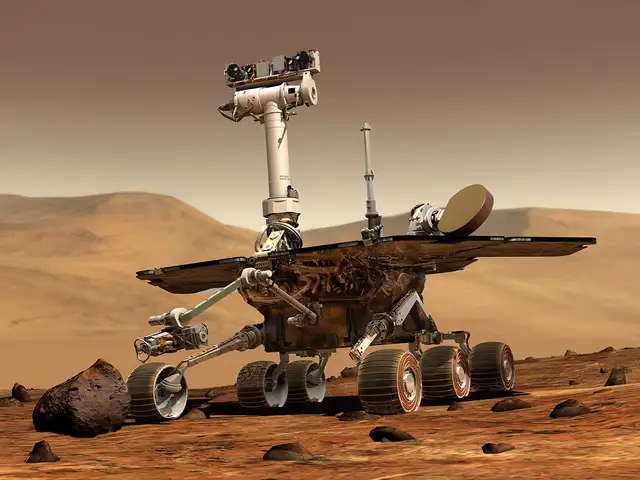
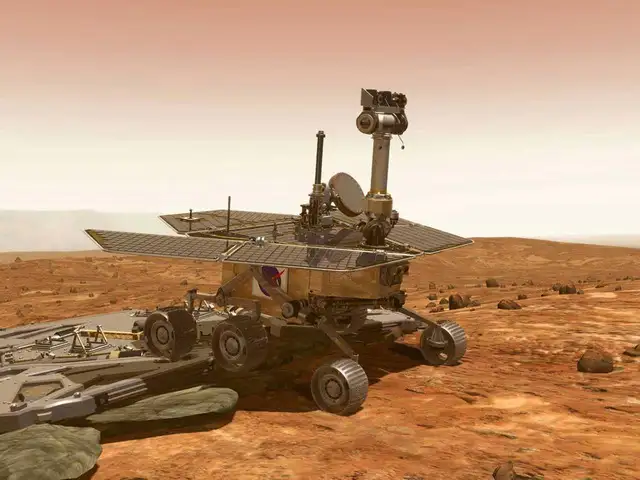
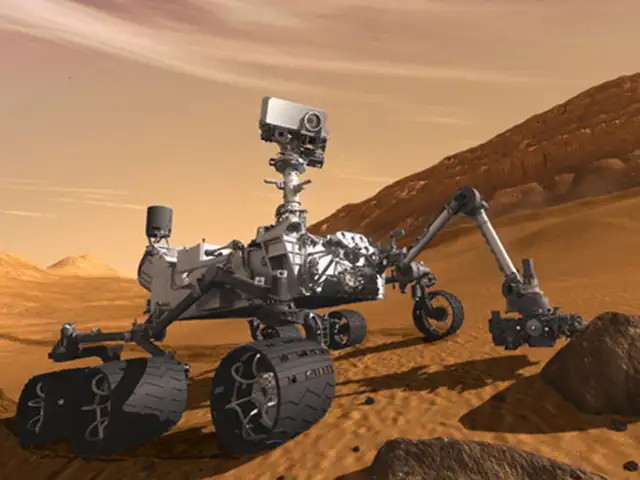
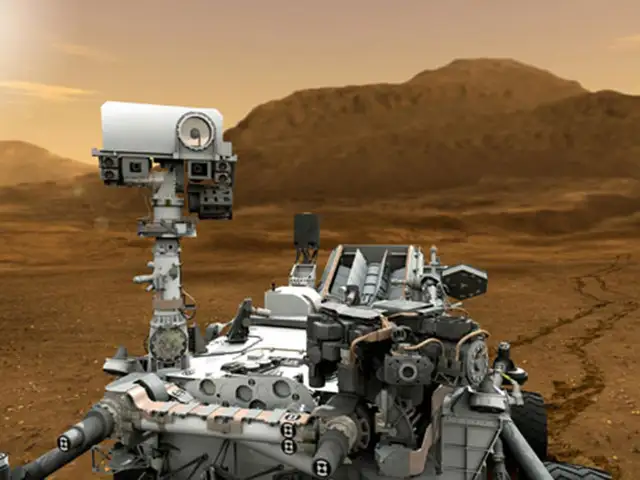
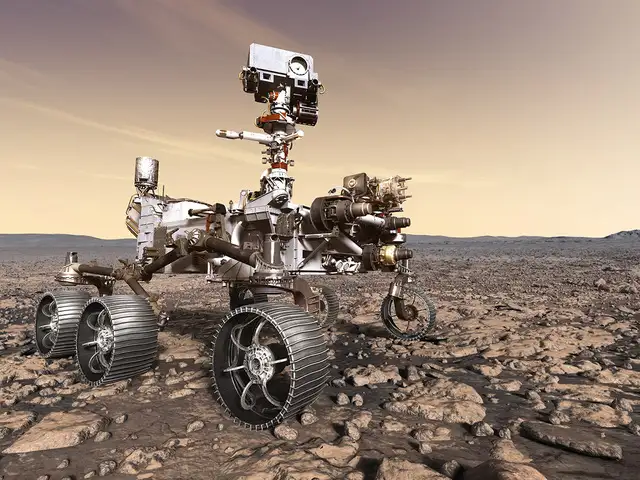
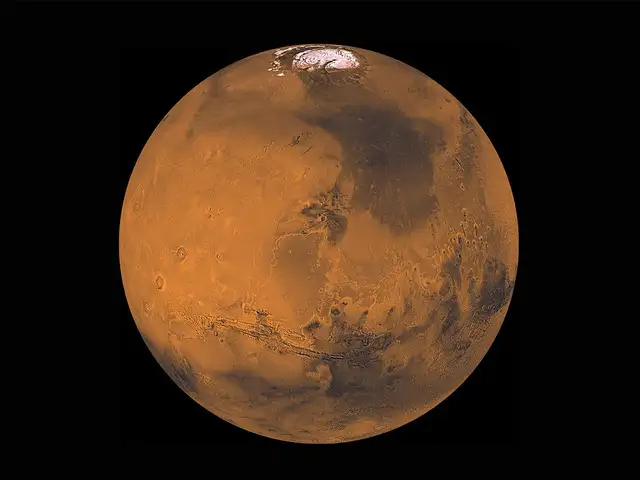
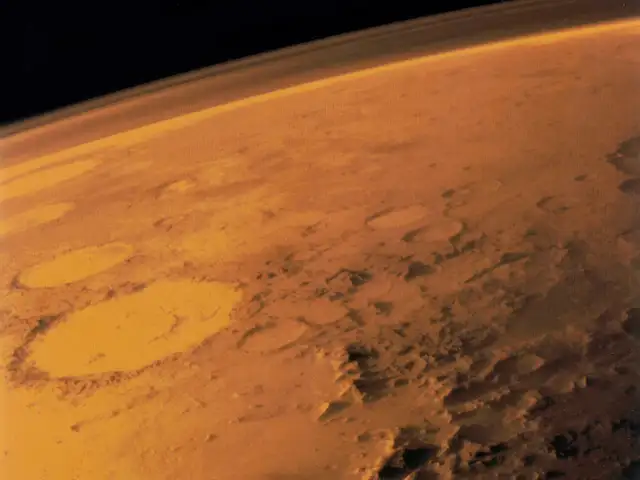
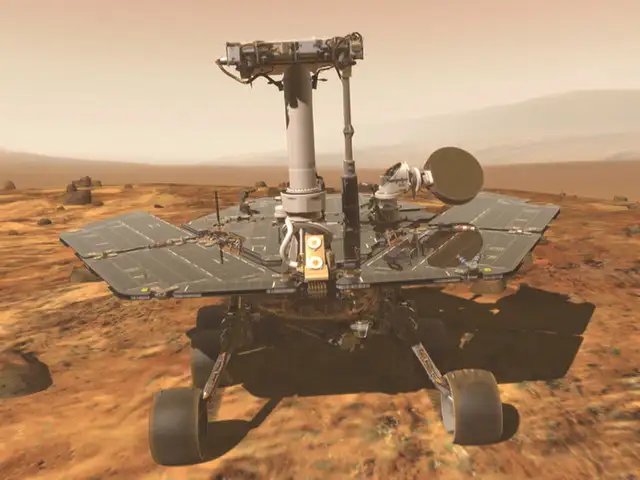
NASA recently said goodbye to robot geologist Opportunity after a Marswide dust storm put an end to its successful and enduring feats of interplanetary exploration. Check out a few glimpses of its extraterrestrial travel that’s more than the distance of a marathon on the Red Planet.

The instruments on the spacecraft will search for chemical evidence of past or extant life, according to NASA.
ADVERTISEMENT
"Dragonfly will visit a world filled with a wide variety of organic compounds, which are the building blocks of life and could teach us about the origin of life itself," said Thomas Zurbuchen, NASA's associate administrator for science.
The rotorcraft will hop on the moon's surface in a series of leapfrog flights of up to eight km in order to take samples in diversified locations. It will eventually fly more than 175 km and become the first vehicle ever to fly its entire science payload to new places for repeatable and targeted access to surface materials.
"It's remarkable to think of this rotorcraft flying miles and miles across the organic sand dunes of Saturn's largest moon, exploring the processes that shape this extraordinary environment," said Zurbuchen.
Download
The Economic Times Business News App for the Latest News in Business, Sensex, Stock Market Updates & More.
The Economic Times Business News App for the Latest News in Business, Sensex, Stock Market Updates & More.
Related Articles
 NASA’s Dragonfly Will Land on Titan… Then Do Something No Spacecraft Has Done Before2026-03-07T08:53:48Z
- Tech View: Nifty forms Dragonfly Doji candle on charts. What traders should do on Thursday2023-10-04T12:12:47Z
- HP’s new Dragonfly G4 Laptops are the perfect blend of technology & elegance2023-09-25T13:50:10Z
ADVERTISEMENT


