More reasons to love cheese: Feta can boost immunity, improve gut health and reduce diabetes risk
Feta cheese is low in calories and fat compared to the other variants.
By ET CONTRIBUTORS |
Getty Images
By Deepak Jain
Cheese is fattening! Cheese is for thin people! Common myths we have when it comes to cheese.
While there are several variants of cheese, one of the healthiest avatars called feta enriches your nourishment quotient. 'Feta' is derived from the Greek word for slice. Available in a soft texture, this white brined cheese which crumbles on touch is one the "healthiest cheeses in the world".
Cheese is a very delicious complement to any kind of meal but sadly people avoid this calcium-rich food when sticking to a healthy diet. While most people love cheese, there seems to be a mental block. Here comes feta a cheese with great taste which is packed with good health. Let's unveil this "packed with good health" cheese :
Energy and lower fat content Feta is low in calories and fat than most other cheeses.
ADVERTISEMENT
According to Chef Priya Dikshit, "Due to it's strong flavor, just one ounce as part of your meals is enough. This one-ounce serving contains 69 calories and only 5.9 grams of fat, of which 4.23 grams are saturated, while Cheddar has 9 gms of fat in a similar serving size". Feta cheese contains up to 1.9 per cent conjugated linoleic acid (CLA) a fatty acid known to help improve body composition, decrease fat mass and increase lean body mass.
Protein: In addition to good fats and calcium, feta has a high protein content sitting at 4.8 grams of protein per 28-gram serving. Researchers have found that the protein in these products has a positive effect on insulin secretions and that the combination of calcium, magnesium, potassium, specific fatty acids and low glycemic index sugars have beneficial effects on glucose control, insulin sensitivity, and insulin secretion. This, in turn, lowers your risk of developing type-2 diabetes.
A rich source of calcium: A 28 gms serving of feta cheese contains nearly 140 mg of calcium, making it one of the best dietary sources of calcium. Calcium is an essential component to the development and health of your body bones and tooth enamel. This calcium, in combination with magnesium and vitamin D, is a potent anti-cancer mixture, according to research. The protein alpha-lactalbumin can be found in feta that binds to calcium and zinc ions, has been suggested to have antibacterial and anti-tumor properties. Feta is also high in phosphorus, iron, manganese, selenium, zinc and potassium.
ADVERTISEMENT
Vitamins: Feta cheese packs in vitamin B6, Vitamin A and phosphorous. It also has 0.6 micrograms of vitamin B12. Another protein found in feta cheese nutrition is called histidine. When histidine is combined with vitamin B6, it undergoes a molecular process to become histamine, a compound that provides anti-inflammatory benefits. Probiotics: Feta cheese also contains probiotics, which also help the immune system fight infection and disease. It has been shown to contain lactobacillus plantarum, which accounts for about 48 per cent of its bacteria. These bacteria can help promote immune system and gut health by protecting the intestinal tract from disease-causing bacteria like E. coli and Salmonella.
ADVERTISEMENT
Red Alert Sodium: Sodium is the only ingredient that one has to be careful about. Feta is high in sodium and contains 266 mg of sodium in a one-ounce serving, which can account for up to 11 per cent of your RDI. A simple way to reduce the salt content of this cheese is to rinse it with water before eating it.
So, what are you waiting for? Go ahead and create your own concoction of feta cheese with anything you like. Your salad to your fruits to your roti, Feta can do wonders to your palate and your health.
(The author is Managing Director, D'Lecta Foods. The views expressed are personal via IANS)
World Milk Day: Know Nutritional Value Of Your Drink
1/7
There is a never-ending discussion about which milk is better and more nutritious than the other.
While animal milk (cow, buffalo, goat) contains more protein, fat and calcium, the absorption of plant milk is low in our body, and contains no cholesterol or lactose. Expert says that a person should alternate between different types of milk to get the most of the nutritional value.
On World Milk Day, Dr Seema Khanna, consultant nutritionist, shares the much-needed facts about the various milks available in the market.
There is a never-ending discussion about which milk is better and more nutritious than the other.While animal milk (cow, buffalo, goat) contains more protein, fat and calcium, the absorption of plant..
Read More
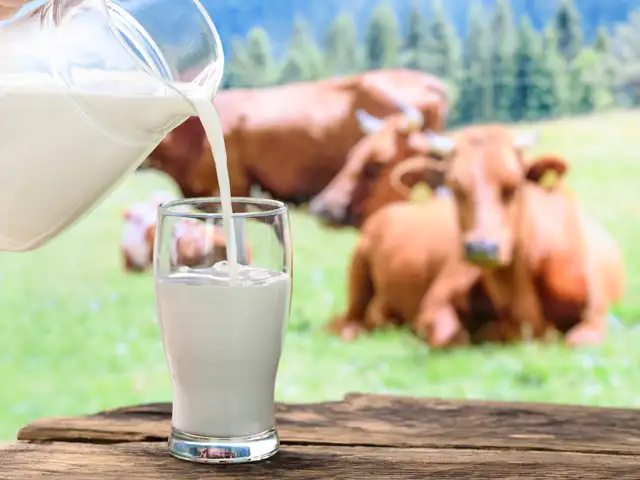
Cow's milk is the primary source of nutrition for children. Milk from early lactating cows contains antibiotics which helps in boosting immunity for cancer patients, and other life threatening diseases like HIV. Throughout the world, more than 6 billion people consume cow's milk and its milk products.
Cow's milk is the primary source of nutrition for children. Milk from early lactating cows contains antibiotics which helps in boosting immunity for cancer patients, and other life threatening diseas..
Read More
Glycemic index of rice milk is very high (86). Hence, it should be restricted by diabetic and polycystic ovarian syndrome patients.
Rice milk does not contain calcium, cholesterol and lactose. Rice milk is slightly foamy and appears similar to other forms of milk.
Rice milk is lighter (calorie-wise) than cow's milk, but less nutritious. It is the perfect option for people looking to reduce weight. It is easy to make at home, and inexpensive to prepare. The only drawback is that it may not contain many nutrients and has a short shelf life.
Method: Mix hot rice (preferably brown rice), raw cashews, hot water, salt and vanilla (optional) in a blender for 2 minutes. Strain the mixture in a cheesecloth. the creamy milk can last for at least 48 hours.
Glycemic index of rice milk is very high (86). Hence, it should be restricted by diabetic and polycystic ovarian syndrome patients.
Rice milk does not contain calcium, cholesterol and lactose. Rice ..
Read More
Goat milk is easy to digest as the fat molecules in the good milk are much smaller than the fat molecules in cow's milk. This milk is cheaper to process because it does not require homogenisation.
Goat milk is being used in treatment of dengue. It has fewer allergenic proteins, and causes less inflammation. It is high in calcium, fatty acids and low in cholesterol. It has good amount of protein, fat iron vitamin C and vitamin D with less of lactose content. It is good for patient having stomach ulcers.
Goat milk is easy to digest as the fat molecules in the good milk are much smaller than the fat molecules in cow's milk. This milk is cheaper to process because it does not require homogenisation.
G..
Read More
Almond milk contains neither lactose nor cholesterol. It is often consumed by lactose intolerants.
Unfortified almond milk has less nutrients, especially vitamin D. It is low in protein as compared to cow's milk.
Method: Soak almonds overnight. Blend almonds with the water (add dates if you want your milk to be sweet). Strain to remove the granules. Can be stored in the refrigerator for 3-4 days.
Almond milk contains neither lactose nor cholesterol. It is often consumed by lactose intolerants.
Unfortified almond milk has less nutrients, especially vitamin D. It is low in protein as compared ..
Read More
Buffalo milk contains more fats and solids. The emulsifying capacity of buffalo milk fat is better due to its higher proportion of butyric acid containing trglycerides compared to only 37% in cow's milk.
Buffalo milk contains more of saturated fats compared to cow's milk hence not recommended for heart disease patients and obese patients.
Buffalo milk contains more fats and solids. The emulsifying capacity of buffalo milk fat is better due to its higher proportion of butyric acid containing trglycerides compared to only 37% in cow's m..
Read More
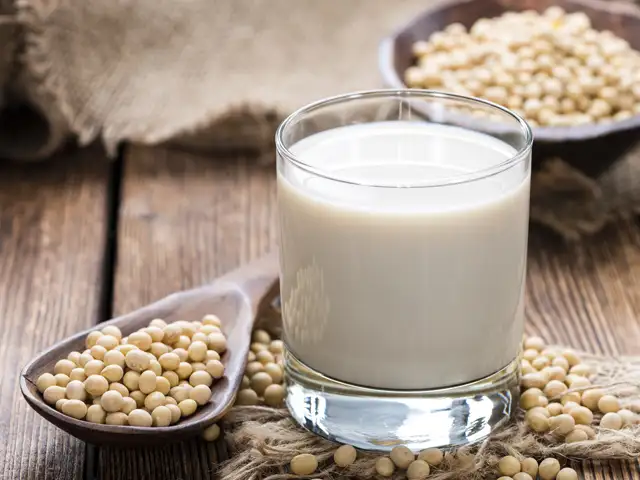
This plant-based drink is a stable emulsion of oil, water and protein. It is commonly used as a substitute for lactose intolerant patient and vegans.
Soy milk has a low glycemic index and can be consumed by diabetics and obese patients. However, it is not advisable during pregnancy.
It is good for people suffering with hypercholesteremia and hyperlipidemia as it contains omega-3 fatty acids. It has high content of isoflavons, proteins, vitamins and minerals with minimal amount of saturated fat. It can treat some of the leading health conditions like infertility.
Method: Add boiling water to split soybeans. Let it cool for 6-12 hours. Drain the beans, add cold water and mix in a blender for 3 minutes. Strain the mixture using a cheesecloth. Boil the soy milk for 10 minutes. Cool and store it for up to 3 days.
This plant-based drink is a stable emulsion of oil, water and protein. It is commonly used as a substitute for lactose intolerant patient and vegans.
Soy milk has a low glycemic index and can be con..
(Disclaimer: The opinions expressed in this column are that of the writer. The facts and opinions expressed here do not reflect the views of www.economictimes.com.)