Making oral care simple: New small protein coating may help prevent tooth decay
The coating can help prevent new cavities along with healing existing ones.
By PTI |

iStock
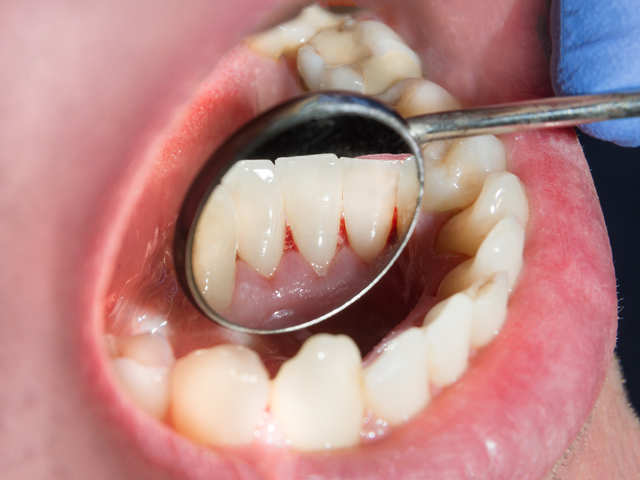
BEIJING: Researchers have developed a small protein that coats tooth surfaces, helping prevent new cavities and heal existing ones, an advance that may lead to oral gels that can be applied safely to prevent dental caries.
According to the researchers, including those from The University of Hong Kong, cavities, or dental caries, are the most widespread non-communicable disease globally.
They said getting a cavity drilled and filled at the dentist's office can be painful, but untreated caries may lead to worse pain, tooth loss, infection, illness, and sometimes even death.
While conventional treatment for cavities involves removing decayed tissue, and filling the hole with materials like amalgam, or composite resin, the study, published in the journal ACS Applied Materials & Interfaces, said this procedure can damage healthy tissue, and cause severe discomfort for patients.
In the study, the researchers aimed to prevent colonisation of the tooth surface by plaque-forming bacteria which cause cavities, and reduce demineralisation, or the dissolving of tooth enamel while natural repair processes take shape.

According to the study, H5 can adsorb onto tooth enamel, and destroy a broad range of bacteria and fungi.
The researchers then modified H5 to include an additional chemical group called phosphoserine to attract more calcium ions to repair the enamel than natural H5.
Comparing the tweaked protein with natural H5, they found that the modified one adsorbed more strongly to the tooth surface, killed more bacteria, and inhibited their adhesion, and protected teeth from demineralisation.
People could someday apply the modified peptide to their teeth after brushing as a varnish or gel to protect against tooth decay, the researchers added.
According to the researchers, including those from The University of Hong Kong, cavities, or dental caries, are the most widespread non-communicable disease globally.
They said getting a cavity drilled and filled at the dentist's office can be painful, but untreated caries may lead to worse pain, tooth loss, infection, illness, and sometimes even death.
While conventional treatment for cavities involves removing decayed tissue, and filling the hole with materials like amalgam, or composite resin, the study, published in the journal ACS Applied Materials & Interfaces, said this procedure can damage healthy tissue, and cause severe discomfort for patients.
In the study, the researchers aimed to prevent colonisation of the tooth surface by plaque-forming bacteria which cause cavities, and reduce demineralisation, or the dissolving of tooth enamel while natural repair processes take shape.
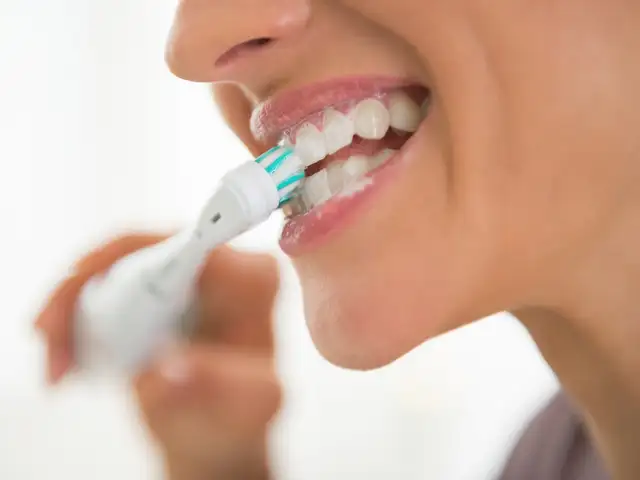
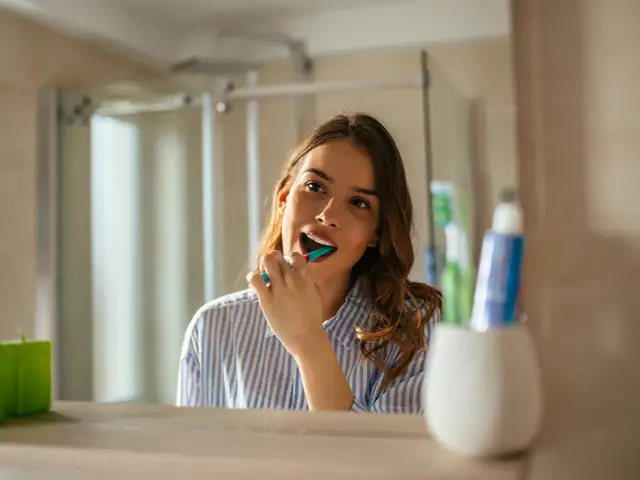
We often miss out on taking the best care of our pearly whites, making them vulnerable to plaque, cavity, etc. One must ensure incorporating good oral habits in daily routine for healthy and sparkling teeth.
On World Oral Health Day, Dr A Kumarswamy, MDS, Periodontist & Implantologist, and Dr Mahesh Verma, Director - Principal Maulana Azad Institute of Dental Sciences & former President of Indian Dental Association share tips to keep your teeth healthy.




ADVERTISEMENT
They developed an anti-cavity coating based on a natural antimicrobial small protein called H5 which is produced by the human salivary glands.According to the study, H5 can adsorb onto tooth enamel, and destroy a broad range of bacteria and fungi.
The researchers then modified H5 to include an additional chemical group called phosphoserine to attract more calcium ions to repair the enamel than natural H5.
Comparing the tweaked protein with natural H5, they found that the modified one adsorbed more strongly to the tooth surface, killed more bacteria, and inhibited their adhesion, and protected teeth from demineralisation.
ADVERTISEMENT
However, both peptides promoted remineralisation to a similar degree, the scientists said.People could someday apply the modified peptide to their teeth after brushing as a varnish or gel to protect against tooth decay, the researchers added.
Download
The Economic Times Business News App for the Latest News in Business, Sensex, Stock Market Updates & More.
The Economic Times Business News App for the Latest News in Business, Sensex, Stock Market Updates & More.
ADVERTISEMENT


