Keep your BP in control: Warm room temperatures may help manage hypertension
New research found that lower indoor temperatures were associated with higher blood pressure.
By PTI |

LONDON: Turning up the thermostat may help manage hypertension, according to a study that has found a link between indoor temperatures and blood pressure. Comparing blood pressure readings of people in their own homes with temperature readings, the researchers found that lower indoor temperatures were associated with higher blood pressure.
"Our research has helped to explain the higher rates of hypertension, as well as potential increases in deaths from stroke and heart disease, in the winter months, suggesting indoor temperatures should be taken more seriously in diagnosis and treatment decisions, and in public health messages," said Stephen Jivraj, from University College London in the UK.
"Among other diet and lifestyle changes people can make to reduce high blood pressure, our findings suggest that keeping homes a bit warmer could also be beneficial," said Jivraj.
The researchers found that every one degree Celsius decrease in indoor temperature was associated with rises of 0.48 mmHg in systolic blood pressure and 0.45 mmHg in diastolic blood pressure.
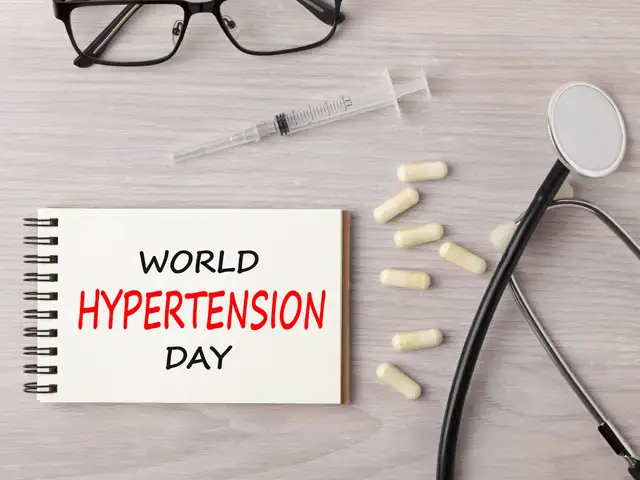
Hypertension is an increasingly important medical and public health issue. As one ages, hypertension becomes almost inevitable. Its prevalence increases with advancing age to the point of being 50 per cent in people 60–69 years of age and approximately 75 percent in those 70 years of age and older. In fact the lifetime risk of developing hypertension is approximately 90 per cent for men and women who were non-hypertensive at 55 or 65 years, respectively.
Here are expert tips from Dr Santosh Kumar Dora, Senior Cardiologist, Asian Heart Institutes to deal with hypertension effectively:
Ideal blood pressure is considered to be between 90/60 mmHg and 120/80 mmHg.
The researchers accounted for potential confounding factors such as social deprivation and outdoor temperature to identify an independent association with indoor temperature.
They found that average systolic and diastolic blood pressure were 126.64 mmHg and 74.52 mmHg, respectively, for people in the coolest homes in the study, compared with 121.12 mmHg and 70.51 mmHg, respectively, in the warmest homes.

Consuming food based on your 'Blood Type' helps in better digestion, increases the energy levels, and prevents diseases and illnesses. Moreover, it also helps you lose weight.
Deepika Dua Arora, Dietitian Mutation Diet Clinic talks about the relationship between the blood group and nutritional aspect of food consumed.
Here are the food items you should consume and avoid, according to your blood group - A, B, O and AB.
(Image: ThinkStock)
The research team found the effect of indoor temperature on blood pressure was stronger among people who do not exercise regularly, suggesting that physical activity could mitigate the risk of living in a cool environment, and that people who do not exercise need to keep warmer to manage their blood pressure.
"We would suggest that clinicians take indoor temperature into consideration, as it could affect a diagnosis if someone has borderline hypertension, and people with cooler homes may also need higher doses of medications," said Hongde Zhao of UCL.
The findings suggest that adequately heating homes during the winter months could help reduce the winter increases in hypertension and associated cardiovascular risks, particularly among those at heightened risk of high blood pressure such as older adults or people with a family history of hypertension.
While the study did not identify a threshold for a warm enough home, the researchers suggest that keeping living rooms to at least 21 degree Celsius could be advisable for general health.
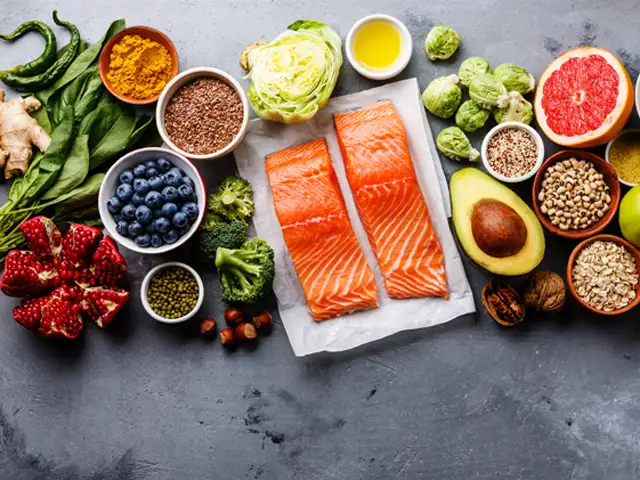
Unexplained fatigue, weakness, headaches, breathlessness, racing heart, dizziness and poor appetite could be signs of low haemoglobin.
Haemoglobin is an iron-rich protein present in red blood cells which determines the blood count and oxygen level in the body.
Mostly menstruating or pregnant women, growing children, and patients recovering from illnesses are susceptible to haemoglobin deficiency. A well-balanced diet with iron-rich food items can work wonders to increase the quality of blood.
Dr Kajal Yeptho Pandya, head of Department of Dietetics at Medanta - The Medicity explains how each meal with a variety of foods and portion sizes can up the haemoglobin level and moderate calorie intake.
"Our research has helped to explain the higher rates of hypertension, as well as potential increases in deaths from stroke and heart disease, in the winter months, suggesting indoor temperatures should be taken more seriously in diagnosis and treatment decisions, and in public health messages," said Stephen Jivraj, from University College London in the UK.
"Among other diet and lifestyle changes people can make to reduce high blood pressure, our findings suggest that keeping homes a bit warmer could also be beneficial," said Jivraj.
The researchers found that every one degree Celsius decrease in indoor temperature was associated with rises of 0.48 mmHg in systolic blood pressure and 0.45 mmHg in diastolic blood pressure.
Here are expert tips from Dr Santosh Kumar Dora, Senior Cardiologist, Asian Heart Institutes to deal with hypertension effectively:






Ideal blood pressure is considered to be between 90/60 mmHg and 120/80 mmHg.
ADVERTISEMENT
The research team interviewed subjects with a questionnaire covering general health and lifestyle factors. Afterwards, nurses followed up by visiting 4,659 participants in their homes, to measure their blood pressure and to take an indoor temperature reading in their living room. The researchers accounted for potential confounding factors such as social deprivation and outdoor temperature to identify an independent association with indoor temperature.
They found that average systolic and diastolic blood pressure were 126.64 mmHg and 74.52 mmHg, respectively, for people in the coolest homes in the study, compared with 121.12 mmHg and 70.51 mmHg, respectively, in the warmest homes.
Deepika Dua Arora, Dietitian Mutation Diet Clinic talks about the relationship between the blood group and nutritional aspect of food consumed.
Here are the food items you should consume and avoid, according to your blood group - A, B, O and AB.
(Image: ThinkStock)



The research team found the effect of indoor temperature on blood pressure was stronger among people who do not exercise regularly, suggesting that physical activity could mitigate the risk of living in a cool environment, and that people who do not exercise need to keep warmer to manage their blood pressure.
ADVERTISEMENT
"We would suggest that clinicians take indoor temperature into consideration, as it could affect a diagnosis if someone has borderline hypertension, and people with cooler homes may also need higher doses of medications," said Hongde Zhao of UCL.
The findings suggest that adequately heating homes during the winter months could help reduce the winter increases in hypertension and associated cardiovascular risks, particularly among those at heightened risk of high blood pressure such as older adults or people with a family history of hypertension.
ADVERTISEMENT
While the study did not identify a threshold for a warm enough home, the researchers suggest that keeping living rooms to at least 21 degree Celsius could be advisable for general health.
Haemoglobin is an iron-rich protein present in red blood cells which determines the blood count and oxygen level in the body.
Mostly menstruating or pregnant women, growing children, and patients recovering from illnesses are susceptible to haemoglobin deficiency. A well-balanced diet with iron-rich food items can work wonders to increase the quality of blood.
Dr Kajal Yeptho Pandya, head of Department of Dietetics at Medanta - The Medicity explains how each meal with a variety of foods and portion sizes can up the haemoglobin level and moderate calorie intake.






Download
The Economic Times Business News App for the Latest News in Business, Sensex, Stock Market Updates & More.
The Economic Times Business News App for the Latest News in Business, Sensex, Stock Market Updates & More.
ADVERTISEMENT


