Is it a gender-blind tech world? Companies founded by men hardly hire women
Tech companies founded by men rarely achieve gender parity in their workforce, according to a new analysis.
By Bloomberg | Updated:
Getty Images
By Jeff Green
When is the right time to make diversity a priority for your company? For men who start tech companies, the answer is, apparently, never.
Tech companies founded by men rarely achieve gender parity in their workforce and don’t get anywhere close in leadership, according to a new analysis of 13,000 firms by recruiter Stellares. Among the small number of firms started by women, a balanced workforce is the norm.
“It’s very typical in Silicon Valley to say something like, ‘When you’re very small, there’s so many things to deal with, you can’t really take care of diversity, you can do it later,’” said Roi Chobadi, founder and CEO of San Francisco-based Stellares. “What we saw is that it doesn’t come later.”
At companies with all-male founding teams, about 14 percent of leadership positions are held by women. At those started by all-female teams, the split is about even. The pattern cuts across companies regardless of size, Chobadi says.
Divas Of Tech: Women Who Broke Barriers & Made It Big
1/10
Women are going places - and there is no denying that.
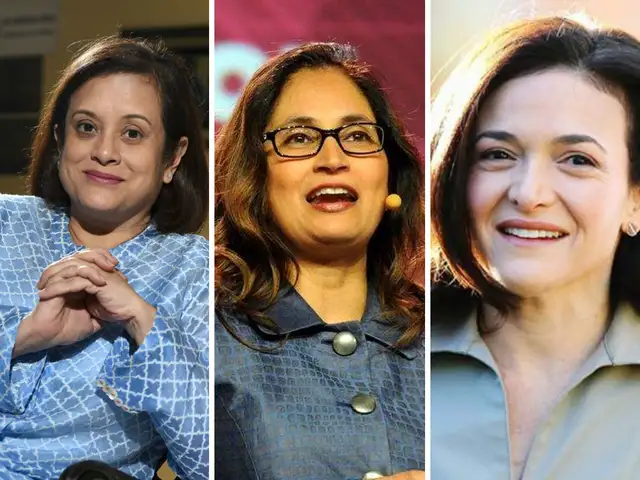
From classrooms to boardrooms, many women in the world of technology have proved their merit. Famous names like Debjani Ghosh, Padmasree Warrior and Sheryl Sandberg made it big, and have been an inspiration to the womankind.
On International Women's Day, here's a list of women who have managed to break the stereotype and carve a niche for themselves.
(In Pic: From left: Debjani Ghosh, Padmasree Warrior, Sheryl Sandberg)
Women are going places - and there is no denying that.From classrooms to boardrooms, many women in the world of technology have proved their merit. Famous names like Debjani Ghosh, Padmasree Warrior ..
Read More
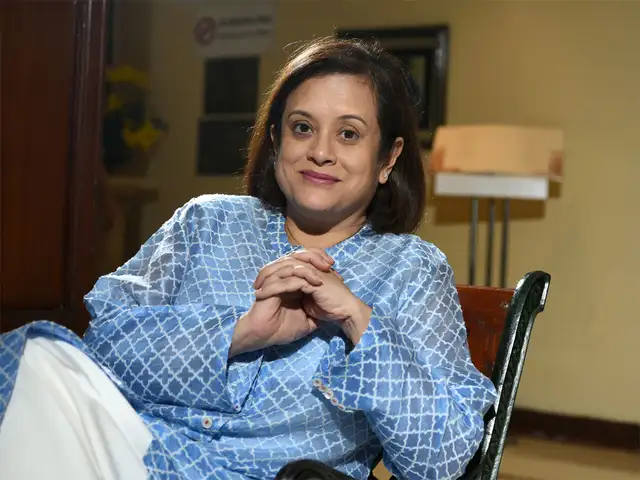
For the first time in three decades, NASSCOM appointed their first ever women President, Debjani Ghosh, in April 2018. She has been a strong advocate of gender diversity in the workplace. Before taking up the NASSCOM responsibility, she had worked with Intel Corporation for nearly two decades. A veteran in the field of technology, her endeavour is to make the domain of technology a level playing field. She plans to stress on innovation and skill development to enable individuals and enterprises to make the most of AI and Machine Learning. Her appointment to this position is a huge step in the direction of including women in the higher rungs of technology, which is otherwise male dominated.
For the first time in three decades, NASSCOM appointed their first ever women President, Debjani Ghosh, in April 2018. She has been a strong advocate of gender diversity in the workplace. Before taki..
Read More
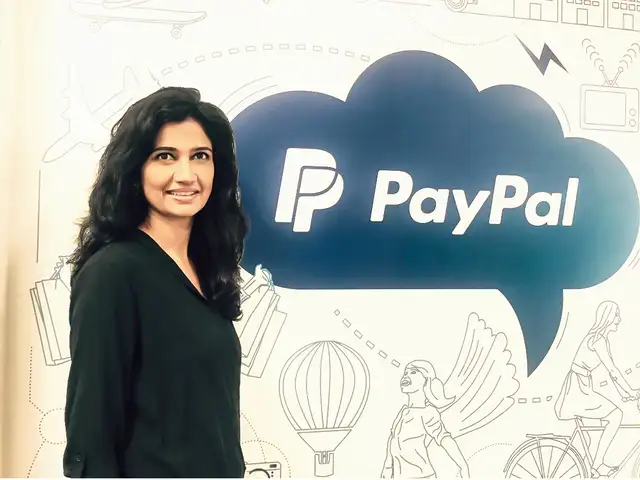
With the tech industry experiencing rapid growth, Deepa Madhavan believes that it's the right time for women to join forces to ensure a fair say in decision making. Before joining PayPal, Madhavan worked with Deloitte, and took a break to raise her three children. Deepa Madhavan, who has a Bachelors in Economics and a Masters in Computer Science, is also the force behind causes like 'Girls In Tech' and 'Unity'.
With the tech industry experiencing rapid growth, Deepa Madhavan believes that it's the right time for women to join forces to ensure a fair say in decision making. Before joining PayPal, Madhavan wo..
Read More
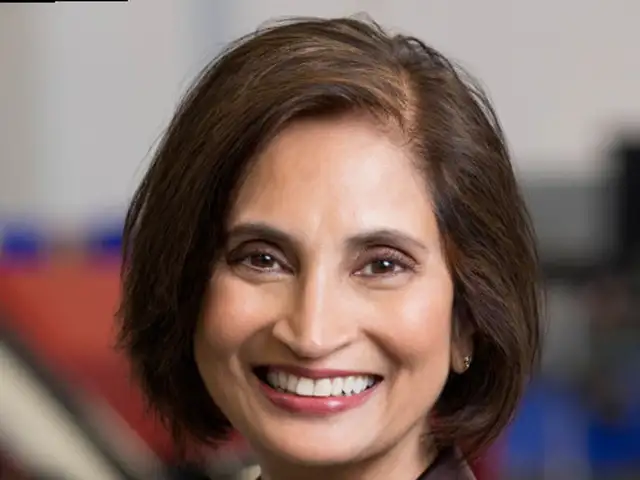
As her name suggests, Padmasree is a true warrior. A role model for girls, she is the former CEO of NIO U.S., a Chinese electric car company which is considered Tesla's biggest rival. She is currently a member of the Board of Directors at Microsoft and Spotify. In the past, Warrior has also worked with Cisco and Motorola. Motorola Inc received a National Medal of Technology in 2004 when she was the CEO of the company. With 1.46 million followers on Twitter, she continues to mentor scores of women who dream of building a career in the field of technology.
As her name suggests, Padmasree is a true warrior. A role model for girls, she is the former CEO of NIO U.S., a Chinese electric car company which is considered Tesla's biggest rival. She is currentl..
Read More
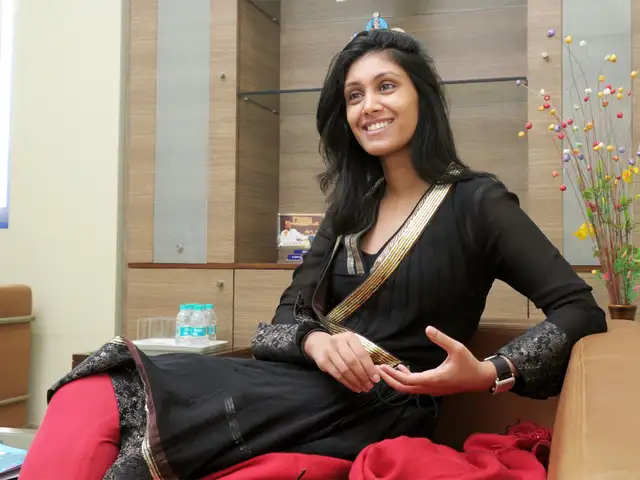
Roshni Nadar Malhotra is the HCL heiress and an IT stalwart. Born to Shiv Nadar and Kiran Nadar, Roshni was always sure of being a part of the empire that her parents created. She provides strategic guidance to HCL and is also closely associated with the philanthropic arm of the IT conglomerate. She manages to strike the perfect balance between her work, personal life and philanthropic activities with ease and efficiency. She became the CEO of the organisation at 28, and took a break when she became a mom to two doting sons. Promoting diversity in HCL is one of her biggest goals, and she hopes to see more women in the domain of technology.
Roshni Nadar Malhotra is the HCL heiress and an IT stalwart. Born to Shiv Nadar and Kiran Nadar, Roshni was always sure of being a part of the empire that her parents created. She provides strategic ..
Read More
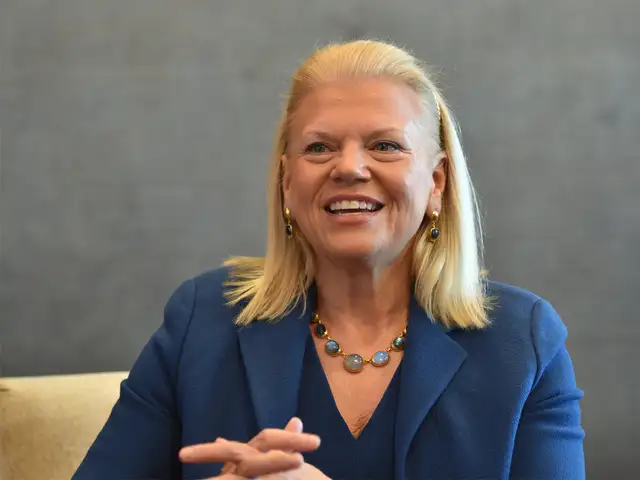
Rubbing shoulders with the men from the big, bad world of tech, Ginni Rometty has managed to carve a niche for herself in the technology industry. In a men-dominated industry, Rometty has been heading the computer giant since 2012. She has successfully featured in lists like, '50 Most Influential People in the World' and '50 Most Powerful Women in Business'. Ever since her leadership in IBM, she has managed to lead the company on the path of success. It was reported that the company was in the pits when she took over in 2012. Her commitment to diversity and inclusion has resulted in a sea change in IBM's work culture. The company offers extended parental leave to women, makes it easier for them return to the workforce, and encourages them to learn new skills to advance their careers. Thanks to their path-breaking work, last year, the company was recognised by the prestigious Catalyst Award for advancing diversity and women’s initiatives. In the past 20 years, it is the only tech company to have been recognised in this category, and the only company that was honoured four times.
Rubbing shoulders with the men from the big, bad world of tech, Ginni Rometty has managed to carve a niche for herself in the technology industry. In a men-dominated industry, Rometty has been headin..
Read More
A best-selling author and an inspiration to girls all over, Sheryl Sandberg has remained strong even in the face of adversity. While Facebook, Mark Zuckerberg have been struggling with the perils of Cambridge Analytics, Sandberg has been the Rock of Gibraltar for the social media giant. She made it to the 11th position on Forbes Power Women list 2018 and 12th spot on America's Self-Made Women 2018. She recently faced flak for Facebook's involvement in a privacy battle and election hacking, but that hasn't stopped the Facebook COO from aggressively promoting corporate feminism, and advocating #MeToo at work.
A best-selling author and an inspiration to girls all over, Sheryl Sandberg has remained strong even in the face of adversity. While Facebook, Mark Zuckerberg have been struggling with the perils of ..
Read More
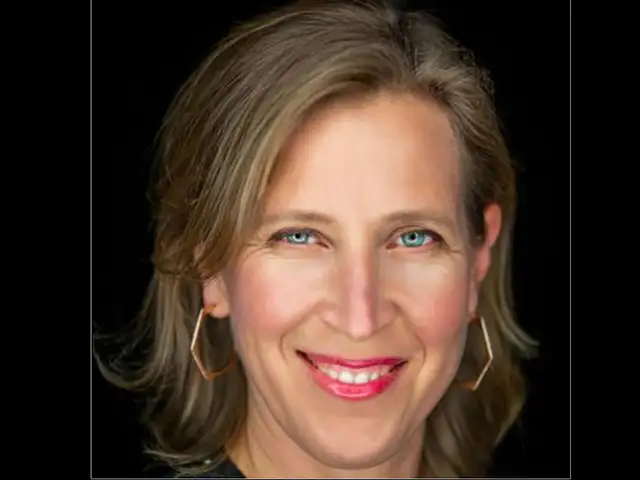
With an estimated net worth of $300 million, she began her career with a startup that co-founders Larry Page and Sergey Brin established in her Menlo Park garage. Since then, Wojcicki has been an integral part of Google. She was the first Google employee to get pregnant. After that, she took the opportunity to change the parental leave policy at the company. Maternity leave was increased from 18 to 12 weeks in 2007, which reduced the attrition rate of new moms. She hires more women, both at beginning and senior levels to create a continuous cycle of female employees, which in turn helps in improving the work-culture, and reduces attrition in the company.
With an estimated net worth of $300 million, she began her career with a startup that co-founders Larry Page and Sergey Brin established in her Menlo Park garage. Since then, Wojcicki has been an int..
Read More
Whitney Wolfe Herd's dating idea struck gold, and now she has a fortune of nearly $230 million. The app is valued at $1 billion. Herd was also the co-founder of Tinder which she left after claiming sexual harassment by her ex-boyfriend and Tinder co-founder, Justin Mateen. She completely changed how dating apps work with Bumble. In a world of dating apps, she empowered women to reach out to their matches first. Although, she was told that the idea didn't have much steam, nothing could stop her. And, the company's net worth speaks for itself.
Whitney Wolfe Herd's dating idea struck gold, and now she has a fortune of nearly $230 million. The app is valued at $1 billion. Herd was also the co-founder of Tinder which she left after claiming s..
Read More
Renee James began her career as a R&D engineer, and left the company as the President in 2015. She spent 28 years in the company, and now has her own start-up Ampere which she spearheads as the CEO.
Renee James began her career as a R&D engineer, and left the company as the President in 2015. She spent 28 years in the company, and now has her own start-up Ampere which she spearheads as the CEO.
The imbalance is partly a function of the talent pool: Women earn only about 18 percent of engineering and computer science degrees. But it’s also because, in an industry often pilloried for bias and hostility toward women, creating a more diverse workplace takes conscious effort, and few founders make it a priority.
So what’s a committed male founder to do? One way to counter the trend, Chobadi found, is to put women in charge of the HR department. When women make up at least half of the human resources positions, a higher proportion of the company leadership -- about 20 percent -- will also be women, the analysis found. The same improvements were found in HR departments with increased levels of minority staff.
Pay Gap, Gender Bias: When Silicon Valley Messed Up Its Template
1/7
Think you don't need to care about the super-inflammatory Google diversity manifesto that dropped this weekend?
Think again.
The tech community has been abuzz since Saturday about what the leaked document — which is full of all kinds of sexist commentary.
Silicon Valley seems to be in the midst of an ethical crisis. A series of scandals in recent years - from Theranos to Zenefits to Uber and the systemic problem of gender bias and sexual harassment - have slowly eroded public perception of the tech industry.
(Image: Wikipedia)
Think you don't need to care about the super-inflammatory Google diversity manifesto that dropped this weekend?
Think again.
The tech community has been abuzz since Saturday about what the leaked d..
Read More
A software engineer’s 10-page screed against Google’s diversity initiatives went viral within the search giant. The memo, which is the personal opinion of a male Google employee, was titled “Google’s Ideological Echo Chamber”. The author of the memo, who has now been fired, argued that women are under-represented in tech not because they face bias and discrimination in the workplace, but because of inherent psychological differences between men and women.
This gender googly comes even as Google battles a wage discrimination probe by the US Department of Labor, which has found that Google routinely pays women less than men in comparable roles.
(Image: Instagram/google)
A software engineer’s 10-page screed against Google’s diversity initiatives went viral within the search giant. The memo, which is the personal opinion of a male Google employee, was titled “Google’s..
Read More
Uber CEO Travis Kalanick resigned earlier this year under pressure from investors seeking to clean up the company's allegedly toxic corporate culture. His departure capped a rocky period for the global ride-sharing giant, which has been roiled by disturbing reports of cut-throat workplace conditions, harassment and discrimination.
Uber CEO Travis Kalanick resigned earlier this year under pressure from investors seeking to clean up the company's allegedly toxic corporate culture. His departure capped a rocky period for the glob..
Read More
In September 2016, Melinda Gates announced her desire to work on the lack of women in technology.
"We’re graduating fewer women technologists. That is not good for society. We have to change it,” Gates, who is the Co-Chair, Operator of Bill & Melinda Gates Foundation, said.
She explained that for the next two years she would be in "learning mode" after which she would begin addressing the problem.
"It hasn't been welcoming to women now for more than a decade. So it's something that's actually been going on for a long time and I don't think you see it being worked on in a systemic way and I think it needs to be worked on in a systemic way. If that doesn't get reversed, you're not going to have young women wanting to go into the field. If you don't have a diverse workforce programming artificial intelligence and thinking about the data sets to feed in, and how to look at a particular program, you're going to have so much bias in the system, you're going to have a hard time rolling it back later or taking it out," she had said.
In September 2016, Melinda Gates announced her desire to work on the lack of women in technology.
"We’re graduating fewer women technologists. That is not good for society. We have to change it,” Ga..
Read More
Tinder, the L.A.-based dating start-up, was torn apart by a sexual harassment lawsuit brought against the company by its female co-founder Whitney Wolfe. In the complaint, Wolfe alleged that her Tinder co-founders, Sean Rad and Justin Mateen, “subjected [her] to a barrage of horrendously sexist, racist, and otherwise inappropriate comments, emails and text messages".
But Wolfe didn't get disheartened, and in fact, went on to found dating app Bumble that has gone on to compete with Tinder!
(Image: Instagram/whitwolfe)
Tinder, the L.A.-based dating start-up, was torn apart by a sexual harassment lawsuit brought against the company by its female co-founder Whitney Wolfe. In the complaint, Wolfe alleged that her Tind..
Read More
Ellen Pao is an Investment Partner at Kapor Capital. Four months ago, she took the witness stand, accusing venture-capital firm Kleiner Perkins Caufield & Byers of pervasive sexism. During her stint she was accused of being a bad employee. Later, she went on to become the top executive at Reddit, the influential social-media website that is infamous for its trolls. The site’s former contributors – Pao now among them – describe it as a kind of misogynist fire swamp where “harassment swarms”, even and especially for an accidental feminist champion.
Ellen Pao is an Investment Partner at Kapor Capital. Four months ago, she took the witness stand, accusing venture-capital firm Kleiner Perkins Caufield & Byers of pervasive sexism. During her stint ..
Read More
The story of Justin Caldbeck, Co-Founder and Managing Partner at Binary Capital, and Binary Capital has rocked the venture capital and start-up world. Six women accused Caldbeck of making unwanted sexual advances while they were pitching him for a potential investment. His initial response was to strongly deny the attacks on his character, adding that he has always enjoyed respectful relationships with female founders, business partners, and investors. Amidst mounting criticism, he took a temporary leave of absence issuing an apology “to those women who I've made feel uncomfortable in any way, at any time.” Not everyone liked the apology.
The story of Justin Caldbeck, Co-Founder and Managing Partner at Binary Capital, and Binary Capital has rocked the venture capital and start-up world. Six women accused Caldbeck of making unwanted ..