Intermittent fasting while commuting
An eating-drinking ban on public transport can be sold as a new weight-loss measure.
By ET Bureau |

Getty Images
Cases have been made for quite a while to ban eating on public transportation — buses and underground trains — for reasons ranging from safety (passengers can slip on fallen food) and health (rats flourish on carelessly disposed scraps) to cost (labour has to be hired to clean).
But Britain’s about-toretire chief medical officer has come up with what is surely the best reason yet to proscribe snacking while commuting: to combat obesity. She avers — unlike the now-trimmer British Prime Minister Boris Johnson — that excess weight is the result of too much nibbling on the trot, not too little exercise.
And putting her weight behind a no-food-on-the-move rule, calorie caps on all meals from restaurants and takeaways, ‘cigarette-style’ uninviting packaging for chocolates and other sugary treats and banning junk food advertising in public spaces is only to be expected from an official who has designated herself as ‘nanny in chief ’.
Health policy framers could, of course, promote her prescription as another variant of the dieting trend called ‘intermittent fasting’, given that transport networks in several cities around the world do not allow consumption of food or beverages on board anyway and passengers have lived to tell the tale. Whether this abstinence has helped commuters lose or maintain weight, however, remains to be verified.

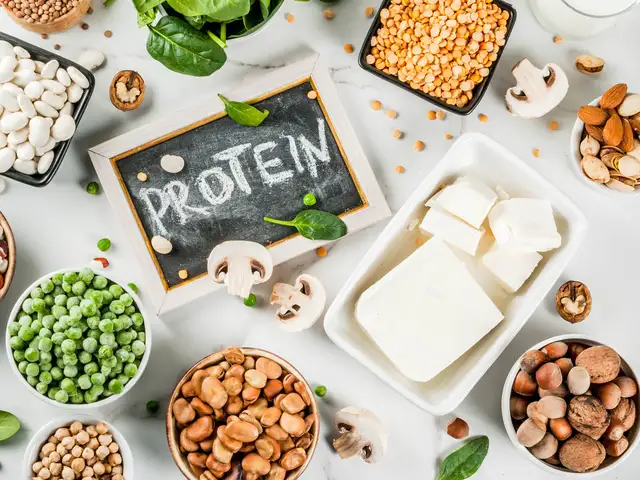
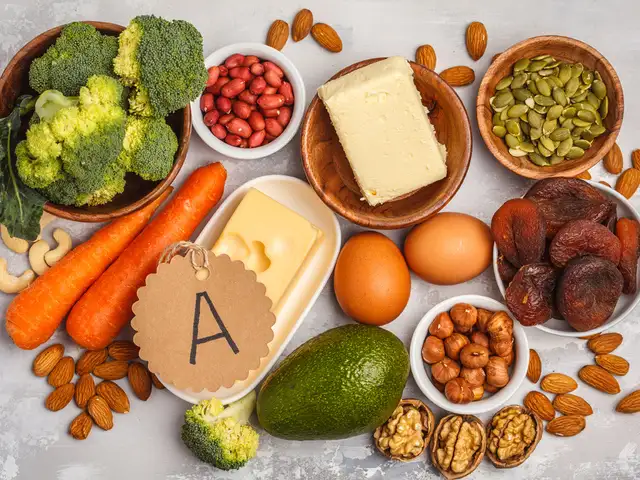
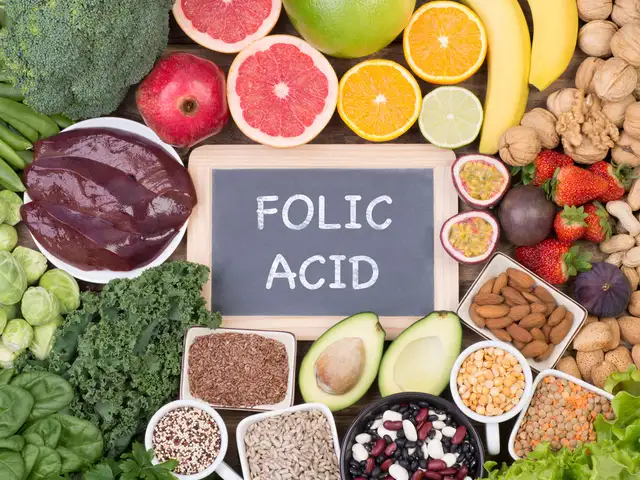
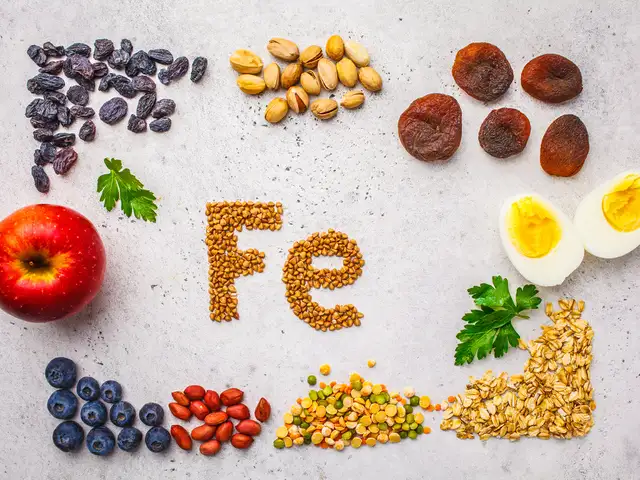
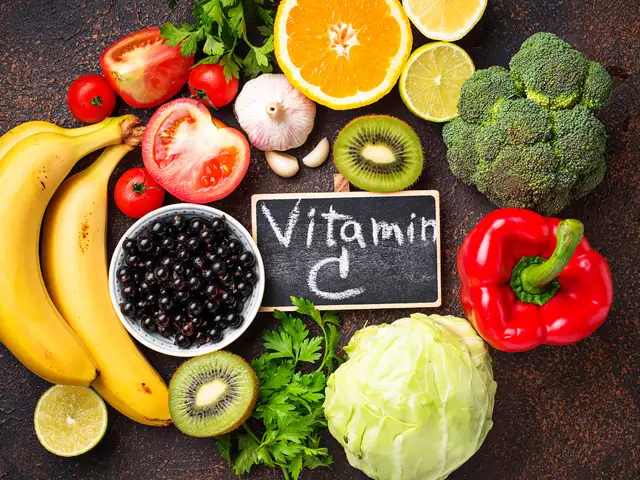
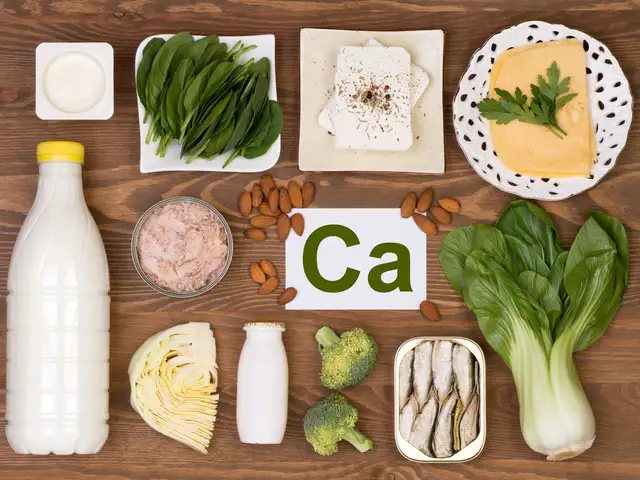
Too busy to prioritise what you eat? It just needs a conscious thought before eating any meal and basic understanding of different kinds of food and nutrients like Vitamin C, Vitamin A, iron, calcium, protein, energy and folic acid.
It is important to consume food that can provide good nutrition for a healthy lifestyle.
The Indian dietary guidelines recommend that a balanced diet should provide around 50-60% of total calories from carbohydrates, preferably complex carbohydrates, about 10-15% from proteins, and 20-30% from both visible and invisible fats. A balance diet should also provide vitamins and minerals along with dietary fibres and antioxidants.
Dr Rajan Sankar, Senior Advisor - Nutrition at Tata Trusts, shares what one needs to eat to get started.
But Britain’s about-toretire chief medical officer has come up with what is surely the best reason yet to proscribe snacking while commuting: to combat obesity. She avers — unlike the now-trimmer British Prime Minister Boris Johnson — that excess weight is the result of too much nibbling on the trot, not too little exercise.
And putting her weight behind a no-food-on-the-move rule, calorie caps on all meals from restaurants and takeaways, ‘cigarette-style’ uninviting packaging for chocolates and other sugary treats and banning junk food advertising in public spaces is only to be expected from an official who has designated herself as ‘nanny in chief ’.
Health policy framers could, of course, promote her prescription as another variant of the dieting trend called ‘intermittent fasting’, given that transport networks in several cities around the world do not allow consumption of food or beverages on board anyway and passengers have lived to tell the tale. Whether this abstinence has helped commuters lose or maintain weight, however, remains to be verified.
It is important to consume food that can provide good nutrition for a healthy lifestyle.
The Indian dietary guidelines recommend that a balanced diet should provide around 50-60% of total calories from carbohydrates, preferably complex carbohydrates, about 10-15% from proteins, and 20-30% from both visible and invisible fats. A balance diet should also provide vitamins and minerals along with dietary fibres and antioxidants.
Dr Rajan Sankar, Senior Advisor - Nutrition at Tata Trusts, shares what one needs to eat to get started.


Download
The Economic Times Business News App for the Latest News in Business, Sensex, Stock Market Updates & More.
The Economic Times Business News App for the Latest News in Business, Sensex, Stock Market Updates & More.
ADVERTISEMENT


