Imbalances in gut bacteria can increase the severity of Covid, hurt immune system
The symptoms of 'long Covid' last for weeks or months beyond the initial illness.
By PTI |

Getty Images
NEW DELHI: Imbalances in the type and volume of bacteria found in the gut may be associated with the risk of 'long COVID', the symptoms of which last for weeks or months beyond the initial illness, according to an observational study. The research, published in the journal Gut, found that the variety of bacteria in the gut, known as the microbiome, may influence the severity of COVID-19 as well as the level of the immune system response to the infection.
The researchers from the Chinese University of Hong Kong also found that imbalances in the make-up of this microbiome may be implicated in persisting inflammatory symptoms, known as 'long COVID'.
They noted that COVID-19 is primarily a respiratory illness, but the evidence suggests that the gut may also play a role.
"In light of reports that a subset of recovered patients with COVID-19 experience persistent symptoms such as fatigue, breathlessness and joint pains, some over 80 days after onset of symptoms, we posit that the dysbiotic gut microbiome could contribute to immune-related health problems post-COVID-19," the researchers said.
"Bolstering of beneficial gut species depleted in COVID-19 could serve as a novel avenue to mitigate severe disease, underscoring the importance of managing patients' gut microbiota during and after COVID-19," they noted.
The researchers noted that the gut is the largest immunological organ in the body and its resident microbes are known to influence immune responses.
The team, therefore, wanted to find out if the bacteria might also affect the immune system response to COVID-19 infection.

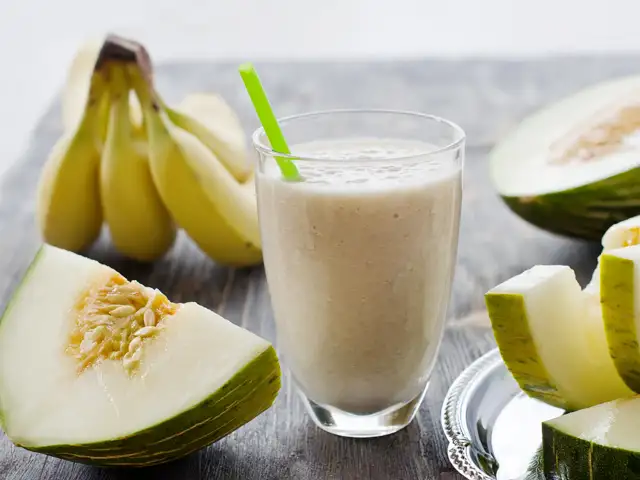
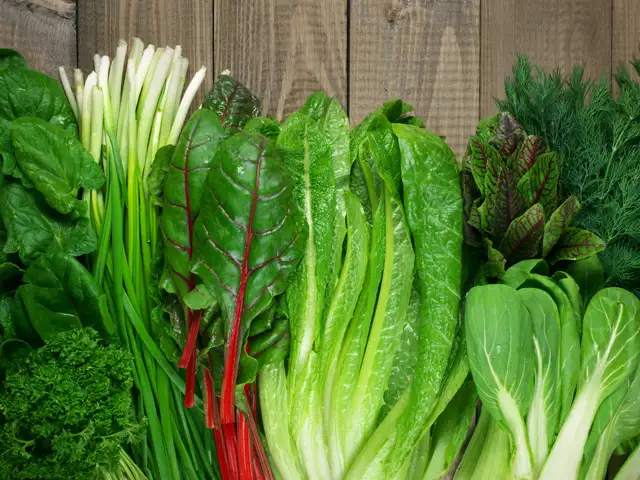
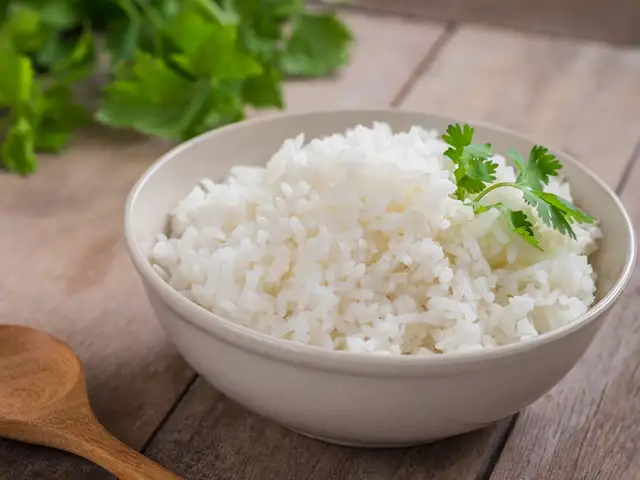
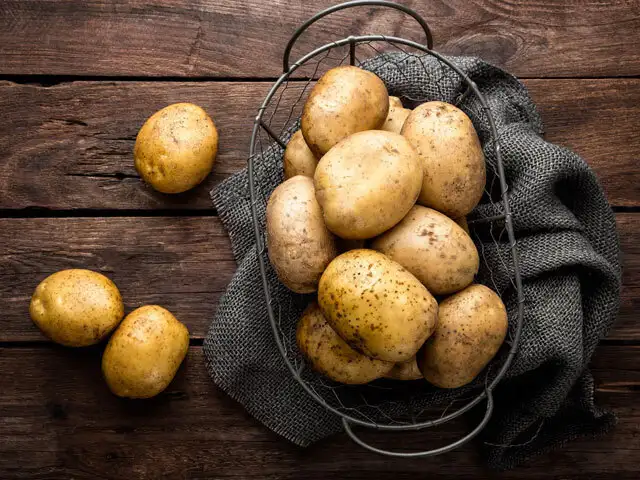
Heartburn can strike anyone, but it usually happens to those who are obese and eat big and untimely meals.
From coffee to chocolate, everything you eat may make heartburn worse. But there are also foods that can ease your heartburn.
Here are some of them for you by Ayush Rekha:
They obtained blood and stool samples and medical records from 100 hospital inpatients with laboratory-confirmed COVID-19 infection between February and May 2020, and from 78 people without COVID-19 who were taking part in a microbiome study before the pandemic.
The severity of COVID-19 was classified as mild in the absence of x-ray evidence of pneumonia and moderate if pneumonia with fever and respiratory tract symptoms were detected.
The disease was considered severe if patients found it difficult to breathe normally, and critical if they needed mechanical ventilation or experienced organ failure requiring intensive care.
To characterise the gut microbiome, 41 of the COVID patients provided multiple stool samples while in hospital, 27 of whom provided serial stool samples up to 30 days after clearance of SARS-CoV-2, the virus responsible for COVID-19.
Analysis of all 274 stool samples showed that the make-up of the gut microbiome differed significantly between patients with and without COVID-19, irrespective of whether they had been treated with drugs, including antibiotics.
The researchers found that COVID patients had higher numbers of Ruminococcus gnavus, Ruminococcus torques and Bacteroides dorei species than people without the infection.
They also had far less microbiome species that can influence immune system response, such as Bifidobacterium adolescentis, Faecalibacterium prausnitzii and Eubacterium rectale.
Fewer numbers of F. prausnitzii and Bifidobacterium bifidum were particularly linked with infection severity after taking into account the antibiotic use and patient age, according to the researchers.
The numbers of these bacteria remained low in the samples collected up to 30 days after infected patients had cleared the virus from their bodies, they said.
COVID-19 infection prompts the immune system to produce inflammatory cytokines in response.

In some cases, this response can be excessive and lead to a 'cytokine storm' which causes widespread tissue damage, and multiorgan failure.
Analysis of the blood samples showed that the microbial imbalance found in the COVID patients was also associated with increased levels of inflammatory cytokines and blood markers of tissue damage.
This suggests that the gut microbiome might influence the immune system response to COVID-19 infection and potentially affect disease severity and outcome, the researchers said.
The team noted that the study is observational, and as such, cannot establish cause, adding the gut microbiome varies widely among different populations.
Therefore, the changes observed in the research may not be applicable to other COVID patients elsewhere, they said.
The researchers from the Chinese University of Hong Kong also found that imbalances in the make-up of this microbiome may be implicated in persisting inflammatory symptoms, known as 'long COVID'.
They noted that COVID-19 is primarily a respiratory illness, but the evidence suggests that the gut may also play a role.
"In light of reports that a subset of recovered patients with COVID-19 experience persistent symptoms such as fatigue, breathlessness and joint pains, some over 80 days after onset of symptoms, we posit that the dysbiotic gut microbiome could contribute to immune-related health problems post-COVID-19," the researchers said.
"Bolstering of beneficial gut species depleted in COVID-19 could serve as a novel avenue to mitigate severe disease, underscoring the importance of managing patients' gut microbiota during and after COVID-19," they noted.
The researchers noted that the gut is the largest immunological organ in the body and its resident microbes are known to influence immune responses.
ADVERTISEMENT
The team, therefore, wanted to find out if the bacteria might also affect the immune system response to COVID-19 infection.
From coffee to chocolate, everything you eat may make heartburn worse. But there are also foods that can ease your heartburn.
Here are some of them for you by Ayush Rekha:




They obtained blood and stool samples and medical records from 100 hospital inpatients with laboratory-confirmed COVID-19 infection between February and May 2020, and from 78 people without COVID-19 who were taking part in a microbiome study before the pandemic.
The severity of COVID-19 was classified as mild in the absence of x-ray evidence of pneumonia and moderate if pneumonia with fever and respiratory tract symptoms were detected.
The disease was considered severe if patients found it difficult to breathe normally, and critical if they needed mechanical ventilation or experienced organ failure requiring intensive care.
ADVERTISEMENT
To characterise the gut microbiome, 41 of the COVID patients provided multiple stool samples while in hospital, 27 of whom provided serial stool samples up to 30 days after clearance of SARS-CoV-2, the virus responsible for COVID-19.
Analysis of all 274 stool samples showed that the make-up of the gut microbiome differed significantly between patients with and without COVID-19, irrespective of whether they had been treated with drugs, including antibiotics.
ADVERTISEMENT
The researchers found that COVID patients had higher numbers of Ruminococcus gnavus, Ruminococcus torques and Bacteroides dorei species than people without the infection.
They also had far less microbiome species that can influence immune system response, such as Bifidobacterium adolescentis, Faecalibacterium prausnitzii and Eubacterium rectale.
Fewer numbers of F. prausnitzii and Bifidobacterium bifidum were particularly linked with infection severity after taking into account the antibiotic use and patient age, according to the researchers.
The numbers of these bacteria remained low in the samples collected up to 30 days after infected patients had cleared the virus from their bodies, they said.
COVID-19 infection prompts the immune system to produce inflammatory cytokines in response.
Cardiovascular diseases (CVD) are the leading cause of mortality in India. An individual experiencing various lifestyle conditions like diabetes, hypertension, obesity due to physical inactivity, dyslipidemia, or even indulging in smoking can be one of the CVD risk factors.
In 2016, the prevalence of CVDs in India was estimated to be around 55 million. An alarming proportion of these cases remain undiagnosed until they get serious.
While shooting pain in the chest or the left arm are obvious signs that have been pointed out by doctors for years, there are plenty of others symptoms one should watch out for.
On World Heart Day, Dr HP Bharathi, Deputy Chief Medical Officer at Jindal Naturecure Institute lists out the hidden risk factors.







In some cases, this response can be excessive and lead to a 'cytokine storm' which causes widespread tissue damage, and multiorgan failure.
Analysis of the blood samples showed that the microbial imbalance found in the COVID patients was also associated with increased levels of inflammatory cytokines and blood markers of tissue damage.
This suggests that the gut microbiome might influence the immune system response to COVID-19 infection and potentially affect disease severity and outcome, the researchers said.
The team noted that the study is observational, and as such, cannot establish cause, adding the gut microbiome varies widely among different populations.
Therefore, the changes observed in the research may not be applicable to other COVID patients elsewhere, they said.
Download
The Economic Times Business News App for the Latest News in Business, Sensex, Stock Market Updates & More.
The Economic Times Business News App for the Latest News in Business, Sensex, Stock Market Updates & More.
ADVERTISEMENT


