How America became the craft beer capital
Craft beer is expected to have character, unlike the homogenous ones that big companies often produce.
By ET CONTRIBUTORS | Updated:

BCCL
Manu Remakant
Water. Malted barley. Hops. Yeast. And time to ferment. That’s the recipe for beer. Any beer. But man is not satisfied by any beer. Ever since that night the accidentally left out bread seethed into alcohol, giving our forefathers the first taste of liquid mirth, mankind has been on the path of perfecting the drink. There were intermittent periods of lulls and leaps.
Like in the 1970s, when America had still not fully recovered from Prohibition. Beer industry was at its most sluggish state. The few major companies producing beer had amicably divided the consumers among themselves, they saw no threat to the kingdom that they shared. The beer on the shelf, mostly low-calorie, light lagers, was bland. Industry experts predicted that the number of brewing companies, 44 during the period, would further come down to a meagre five with big mergers and acquisitions. That spelt doom for even the little variety that existed among the beer.
But America had one advantage that other beer-drinking nations didn’t. People poured into America from different lands, bearing many traditions and customs — and often insisting on drinking the beer they once had in their homelands. If they couldn’t find it in the new country, they would make it. The lack of a long, distinct brewing tradition also helped the US. While England and Belgium insisted on old beer-brewing traditions and Germany stuck to its purity law, forbidding anyone from adding new ingredients to the beer, America’s conscience was light and clear. It had no moth-eaten parchments from grandfather’s shelves that dictated how to make beer.
America’s imagination ran wild with the yeast and the malt. No wonder the country was soon the capital of the craft beer movement. So, what is craft beer? The Brewers Association of America says that a craft brewer should be small and independent — anyone who produces less than 6 billion barrels of beer annually. Craft beer is expected to have character, unlike the homogenous ones that big companies often produce. It is bohemian in temperament and has fascinating backstories and ingredients.
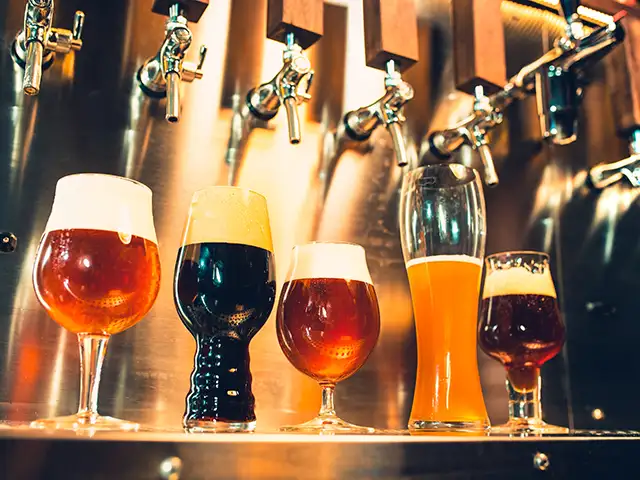
Beer can be called the drink for all seasons, and reasons. Whether you're chilling at a sports bar with friends or out for a brunch, the many varieties of beer make it possible to pair the drink with any food.
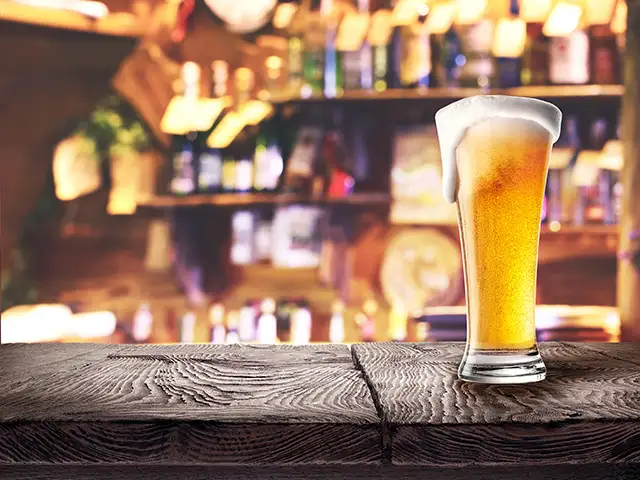
From lagers to India Pale Ale (IPAs), beer lists continue to grow on menus.
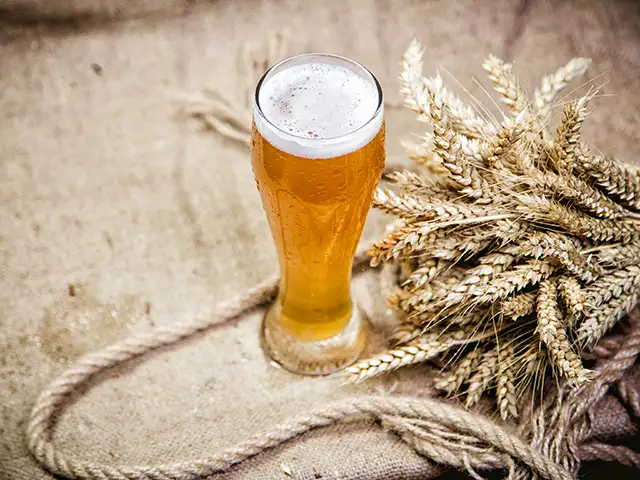
Beer can be broadly classified as an ale or a lager; then depending on their flavours and styles they can be India Pale Ales (IPA), pilsners, porters, stouts, and wheat and Belgian beers, among others.
While the major difference between various beers is the yeast and the temperature they are fermented at, here's a list to help you show-off your beer knowledge the next time you head out.
Many home brewers went back to the traditional methods of production which the big companies had left behind with the advancement of technology. But they also added new ingredients to their brew which created new tastes and flavours. Beer soon became a canvas on which brewers could create wonders.
Craft beer was suddenly more than malted barley, hops, water and a blanket invitation to the yeast to do its thing. It became a statement. Being counter-cultural and revolutionary in spirit, many even saw it as a rebellion against big business. The ripple that craft beer created was not insignificant. The Goliaths couldn’t afford to dismiss the puny little rebellions on the edges of their kingdom.
Anheuser-Busch, the major American brewing company, bought Goose Island, one of the preeminent craft beers. It was only the beginning. Many craft beers marched like lemmings into the corporate sea. But for every craft beer that the big companies bought off, two dozen emerged in the country. In India, more than 90% of the market is flooded with lager produced by big companies. It wasn’t easy for craft beers but about a decade ago brewpubs began to come up in major cities.
Draught beer, fresh beer from taps and brew by microdistilleries were at first a curiosity, but as its popularity grew, the handicap was also evident. You could only drink their beer in their premises. Maharashtra government was the first to give permission to brewpubs to start kegging — sell in casks to other restaurants and bars. Craft beer began to spread to new towns in the country.
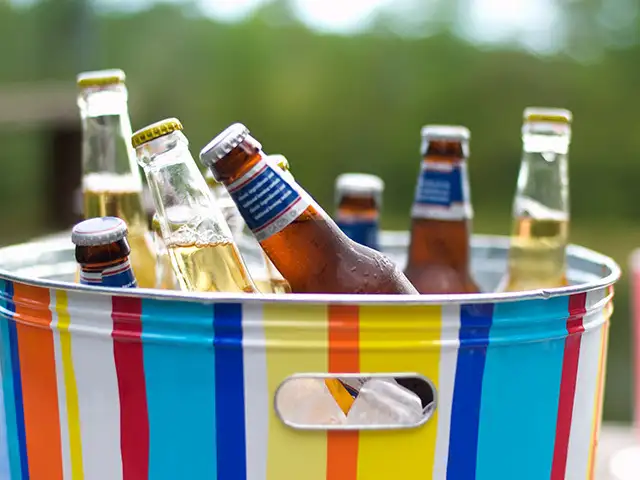
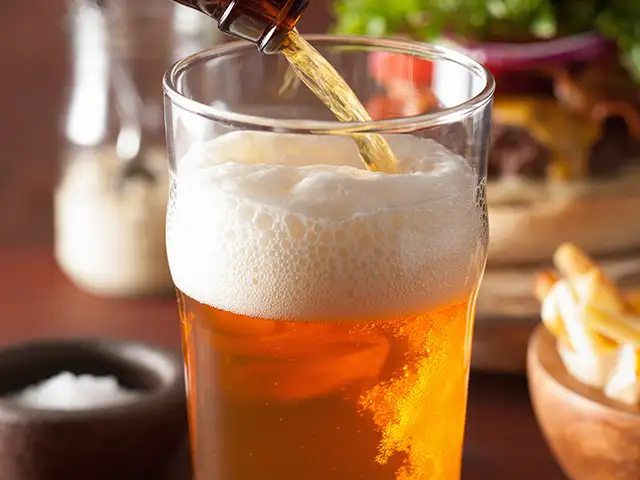
Light, bubbly and refreshing, there's nothing a mug of beer can't solve! Whether you plan to spend a lazy Sunday in front of the TV or its brunch day with friends, it's truly the drink for all reasons.
Though there are many craft beers in India, most of them rely heavily on imported ingredients and technology. As hops and good malt are difficult to come by, local sourcing without compromising on quality is almost impossible for most of the brewers. Still many craft beer makers are so ingenious that every now and then, they come up with a surprise that suits the Indian palate. If you sip Windmills’ Coconut Porter, your taste buds will tease apart the roasted coconut embedded deep in the beer. Gateway too provides its customers new beer experiences with Kaapi Stout, Guava Ale and, most recently, Nimbu Pani Ale. Windmills Craftworks, White Rhino, Brewbot and Gateway are only a few of the companies in the country producing craft beer. With more than 120 microbreweries, the community is growing.
But craft business still remains small, claiming only 1% of the Indian beer market, which was pegged at 4.7 billion litres by Business Monitor International in 2017. Even in the US, where it all began, craft beer crossed only 5% of beer sales in 2011. That means for every 20 beers sold, only one is a craft beer. Still, the graph is pointing up. You needn’t wait too long for the day you will find the poison they have crafted for your temperament and constitution. And that is what craft beer is meant to be. Each woman to her beer.
(The writer is based in Kerala)
Water. Malted barley. Hops. Yeast. And time to ferment. That’s the recipe for beer. Any beer. But man is not satisfied by any beer. Ever since that night the accidentally left out bread seethed into alcohol, giving our forefathers the first taste of liquid mirth, mankind has been on the path of perfecting the drink. There were intermittent periods of lulls and leaps.
Like in the 1970s, when America had still not fully recovered from Prohibition. Beer industry was at its most sluggish state. The few major companies producing beer had amicably divided the consumers among themselves, they saw no threat to the kingdom that they shared. The beer on the shelf, mostly low-calorie, light lagers, was bland. Industry experts predicted that the number of brewing companies, 44 during the period, would further come down to a meagre five with big mergers and acquisitions. That spelt doom for even the little variety that existed among the beer.
But America had one advantage that other beer-drinking nations didn’t. People poured into America from different lands, bearing many traditions and customs — and often insisting on drinking the beer they once had in their homelands. If they couldn’t find it in the new country, they would make it. The lack of a long, distinct brewing tradition also helped the US. While England and Belgium insisted on old beer-brewing traditions and Germany stuck to its purity law, forbidding anyone from adding new ingredients to the beer, America’s conscience was light and clear. It had no moth-eaten parchments from grandfather’s shelves that dictated how to make beer.
America’s imagination ran wild with the yeast and the malt. No wonder the country was soon the capital of the craft beer movement. So, what is craft beer? The Brewers Association of America says that a craft brewer should be small and independent — anyone who produces less than 6 billion barrels of beer annually. Craft beer is expected to have character, unlike the homogenous ones that big companies often produce. It is bohemian in temperament and has fascinating backstories and ingredients.
From lagers to India Pale Ale (IPAs), beer lists continue to grow on menus.
Beer can be broadly classified as an ale or a lager; then depending on their flavours and styles they can be India Pale Ales (IPA), pilsners, porters, stouts, and wheat and Belgian beers, among others.
While the major difference between various beers is the yeast and the temperature they are fermented at, here's a list to help you show-off your beer knowledge the next time you head out.

ADVERTISEMENT
Many home brewers went back to the traditional methods of production which the big companies had left behind with the advancement of technology. But they also added new ingredients to their brew which created new tastes and flavours. Beer soon became a canvas on which brewers could create wonders.
Craft beer was suddenly more than malted barley, hops, water and a blanket invitation to the yeast to do its thing. It became a statement. Being counter-cultural and revolutionary in spirit, many even saw it as a rebellion against big business. The ripple that craft beer created was not insignificant. The Goliaths couldn’t afford to dismiss the puny little rebellions on the edges of their kingdom.
Anheuser-Busch, the major American brewing company, bought Goose Island, one of the preeminent craft beers. It was only the beginning. Many craft beers marched like lemmings into the corporate sea. But for every craft beer that the big companies bought off, two dozen emerged in the country. In India, more than 90% of the market is flooded with lager produced by big companies. It wasn’t easy for craft beers but about a decade ago brewpubs began to come up in major cities.
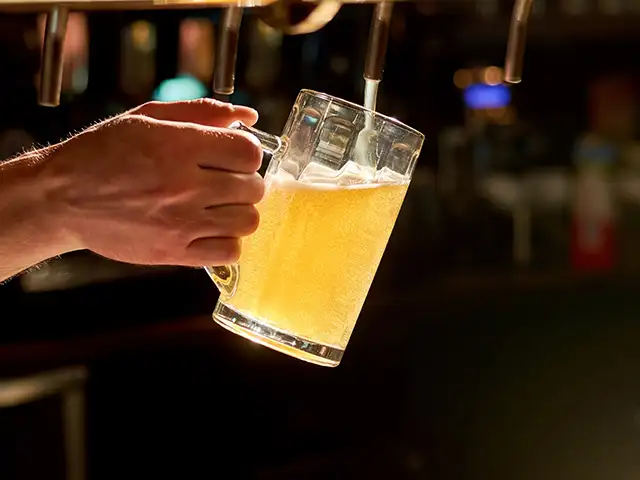
Draught beer, fresh beer from taps and brew by microdistilleries were at first a curiosity, but as its popularity grew, the handicap was also evident. You could only drink their beer in their premises. Maharashtra government was the first to give permission to brewpubs to start kegging — sell in casks to other restaurants and bars. Craft beer began to spread to new towns in the country.
ADVERTISEMENT


Though there are many craft beers in India, most of them rely heavily on imported ingredients and technology. As hops and good malt are difficult to come by, local sourcing without compromising on quality is almost impossible for most of the brewers. Still many craft beer makers are so ingenious that every now and then, they come up with a surprise that suits the Indian palate. If you sip Windmills’ Coconut Porter, your taste buds will tease apart the roasted coconut embedded deep in the beer. Gateway too provides its customers new beer experiences with Kaapi Stout, Guava Ale and, most recently, Nimbu Pani Ale. Windmills Craftworks, White Rhino, Brewbot and Gateway are only a few of the companies in the country producing craft beer. With more than 120 microbreweries, the community is growing.
ADVERTISEMENT
But craft business still remains small, claiming only 1% of the Indian beer market, which was pegged at 4.7 billion litres by Business Monitor International in 2017. Even in the US, where it all began, craft beer crossed only 5% of beer sales in 2011. That means for every 20 beers sold, only one is a craft beer. Still, the graph is pointing up. You needn’t wait too long for the day you will find the poison they have crafted for your temperament and constitution. And that is what craft beer is meant to be. Each woman to her beer.
(The writer is based in Kerala)
(Disclaimer: The opinions expressed in this column are that of the writer. The facts and opinions expressed here do not reflect the views of www.economictimes.com.)
Download
The Economic Times Business News App for the Latest News in Business, Sensex, Stock Market Updates & More.
The Economic Times Business News App for the Latest News in Business, Sensex, Stock Market Updates & More.
ADVERTISEMENT


