BENGALURU: Nilufer N Dhondy’s hand-ground Parsi dhana jeeru masala and sambhar masala reach the SodaBottleOpenerWala chain of restaurants all the way from her home in Gurugram. “It’s my husband’s great-grandmother’s recipe. I don’t want assistants. I know how to maintain the consistency,” says Dhondy.
Home-sourced ingredients are making their way into restaurant kitchens, what with back-to-theroots becoming the catch phrase. Many Bengaluru eateries are outsourcing base ingredients and semifinished food items from home vendors instead of commercial ones.
Maia multi-cuisine diner in Bellandur, for instance, outsources jams for desserts from a home vendor in Mysuru. Its Indian masalas like turmeric and chilli powder come from Vadodara. Owner Ishan Shah’s aunt, who lives there, works with the local women to get the perfect flavour. “Bengaluru has a huge population of migrants who miss home food. Using home-made masalas ensures authentic and unadulterated flavour,” says Shah.
Plan B serves about 65 kg of its bestselling dish, pandi curry, across its three outlets each week. This takes five kg of a special masala, made with 15 ingredients, which the owner Thashvin Muckatira’s mother personally hand-pounds every fortnight at her home in Kodagu. Apparently, she tried to train his staff to make the masala but none could get it right.
Muckatira says, “Home-made masalas ensure consistency in the endproduct. It does not have preservatives. Home vendors are not here to make a quick buck but pay attention to quality and perfection.” The kachampuli vinegar used in the dish is outsourced from a home in a little village in Kodagu, he pointed out.
ADVERTISEMENT
Café Felix too sources these ingredients from a house in Kodagu. Restaurateurs say that no commercial vendor can match the flavour and quality of the home-made batches from Kodagu.
The next time you indulge in idlis with chutney-podi at Royal Orchid hotel for breakfast, feel at home since they too outsource this ‘gunpowder’ from a home in Malleswaram.
Restaurants seem to be opting for home-made masalas to meet the diner’s ever-evolving expectations. Food blogger Soham Shoney says, “People are well-versed with original flavours. Masalas sourced not only from the town of origin but from their homes enhance authenticity of dishes served.”
Rich Fruits: From $50K For 12 Mangoes To $4,395 For A Single Strawberry
1/6
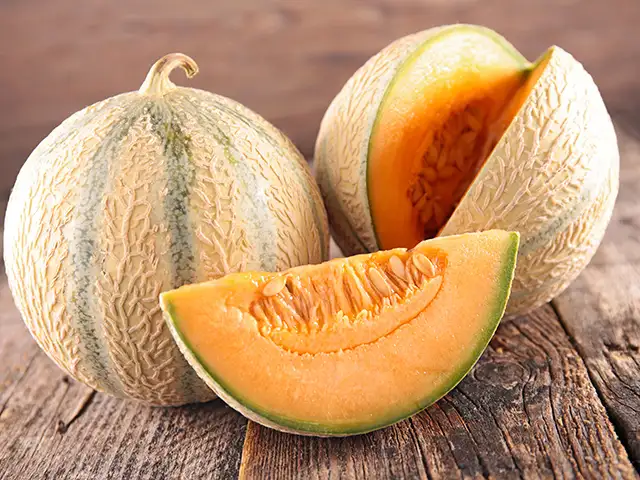
A pair of Yubari King Melons sold for $29,300 at an auction in Japan recently. Here’s a taste of some other expensive fruits.
A pair of Yubari King Melons sold for $29,300 at an auction in Japan recently. Here’s a taste of some other expensive fruits.
$6,000
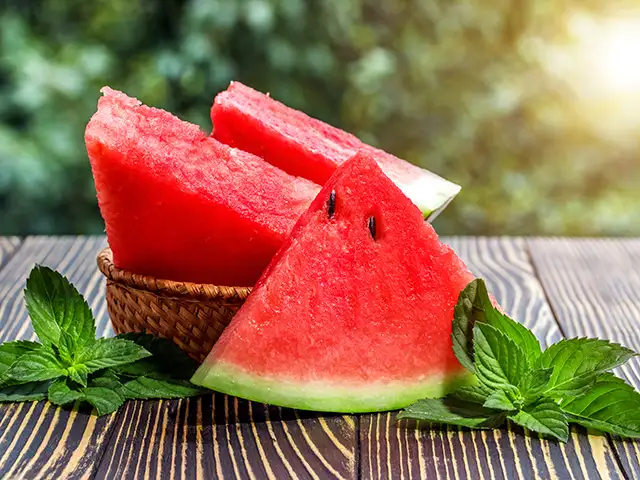
Densuke Watermelons sell at auctions in Japan for exorbitant prices, typically anywhere from $2000-5000, per melon. Those big prices are only paid for the first few lots of the annual crop yield. A 2014 crop, however, broke all records, selling for a cool $6,000 per fruit. The extremely rare fruit is sweeter than regular watermelons, a little rounder and are a shade of pink, instead of the usual red on the inside. They are also known for their black and shiny skin as well as for their crunchy texture.
$6,000
Densuke Watermelons sell at auctions in Japan for exorbitant prices, typically anywhere from $2000-5000, per melon. Those big prices are only paid for the first few lots of the annual crop yi..
Read More
$50,000
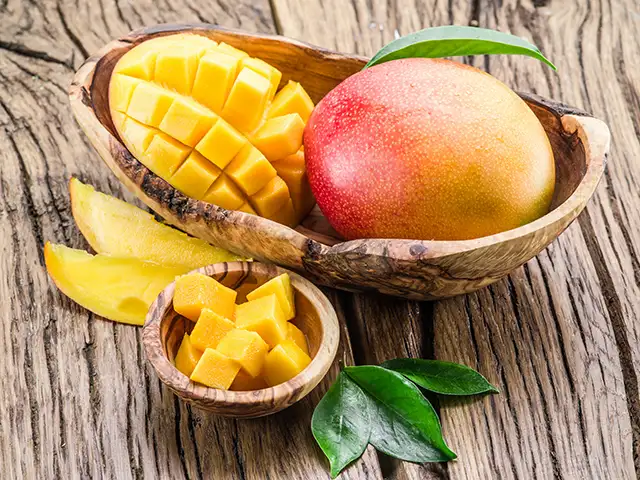
One might be forgiven for thinking that the world’s most expensive mango would come from India or some other tropical country. However, this record is held by Australia, where a tray of 12 mangoes were sold for a cool $50,000 in 2010. That made each mango worth about $4,000. The mangoes were purchased by Carlo Lorenti, owner of Clayfield Markets Fresh, one of Australia’s largest green grocery firms at an auction in Brisbane. Australia has been holding mango auctions since 1998 in celebration of the summer harvest season. Japan also attempts to claim they have the most valuable mangoes with a pair of mangoes called Ears of Sun sold for $2,000 each in April 2008.
$50,000
One might be forgiven for thinking that the world’s most expensive mango would come from India or some other tropical country. However, this record is held by Australia, where a tray of 12 m..
Read More
$4,395
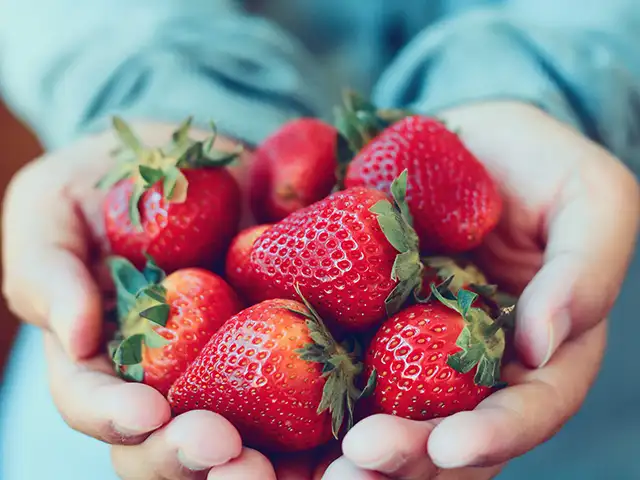
There’s no Wimbledon without some traditional strawberries and cream. Taking the tryst of these berries and tennis forward, scientists in the UK engineered a giant breed of the fruit that can grow to the size of tennis balls. The new strawberry plant— Gigantella Maxim in Latin — produces strawberries that can fill the palm of a hand. At an auction in 2017, one of these giant strawberries was sold for $4,395. Obviously, some of these are shipped to Wimbledon for the elegant few who can afford to indulge in them.
$4,395
There’s no Wimbledon without some traditional strawberries and cream. Taking the tryst of these berries and tennis forward, scientists in the UK engineered a giant breed of the fruit that can..
Read More
$14,600
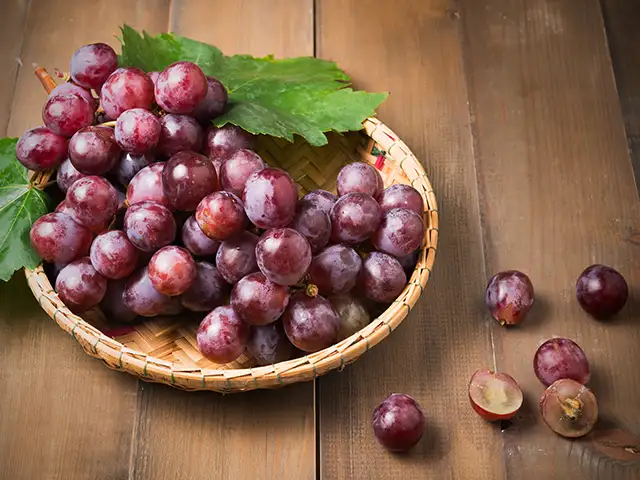
About the size of a ping pong ball, this variety of luscious red grapes grow in Japan. They were sold for $14,600 a bunch in 2016. With 30 grapes in the bunch, the cost of each fruit was approximately $480.
In 2008, the Ruby Roman grape debuted as a new variety of premium grapes in Japan and was so named via a public referendum. For a grape variety to be counted as a Ruby Roman, it must be over 20 gm and should have over 18 per cent of sugar.
$14,600
About the size of a ping pong ball, this variety of luscious red grapes grow in Japan. They were sold for $14,600 a bunch in 2016. With 30 grapes in the bunch, the cost of each fruit was app..
Read More
$13,000
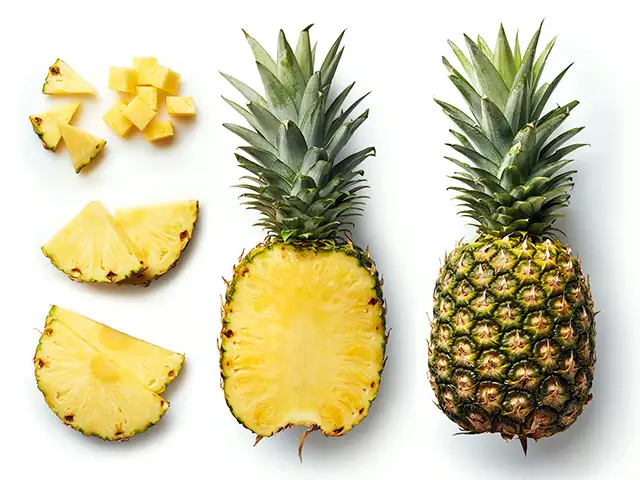
Rare, exotic and hard to grow, pineapples were a symbol of great status and wealth in Victorian times. This rings true even today, that is if your pineapples come from Cornwall. Cultivated at the Lost Gardens of Heligan, each of these carefully tended pineapples are worth a fortune. In 2012, each fruit was auctioned for $13,000. Traditional techniques are used to grow the fruit, complete with Victorian-style greenhouses and frequent changes of fresh horse manure. The resulting fruit is always “sweet, delicious and not stringy with an explosive flavour”, according to a Lost Garden spokesperson.
(All representative images)
$13,000
Rare, exotic and hard to grow, pineapples were a symbol of great status and wealth in Victorian times. This rings true even today, that is if your pineapples come from Cornwall. Cultivated a..