Give me some sunshine: Most Indians have vitamin D deficiency
Vitamin D deficiency can put people at risk of having hypertension and diabetes.
By PTI |

Getty Images
MUMBAI: Almost 70-90 per cent people in the country are vitamin D deficient putting them at risk of having hypertension and diabetes, according to a study.
A 2019 pan-India study found that 70-90 per cent of Indians are deficient of the sunshine vitamin, and the deficiency can have adverse consequences for skeletal development in babies and children, and bone health in adults.
The study was authored by diabetologist PG Talwalkar, and Vaishali Deshmukh, MC Deepak and Dinesh Agrawal.
It noted that the deficiency is linked to chronic disease, including diabetes, hypertension and cardiovascular disease.
The study found that 84.2 per cent of Type II diabetes patients were Vitamin D deficient, as were 82.6 per cent of hypertension patients.
It noted that there is no significant variation in deficiency levels across North, South, East or West regions, with each reporting deficiency prevalence of 88 per cent, 90 per cent, 93 per cent and 91 per cent respectively.
Drug firm Abbott facilitated awareness around the study.
"Pregnant women in India have up to 84 per cent prevalence of Vitamin D deficiency, which also correlates with the level of Vitamin D deficiency in their newborns. 16 children of mothers with suboptimal Vitamin D are at risk of reduced prenatal and postnatal skeletal development, which affects both height and bone-health," Abbott Medical Director Srirupa Das said.

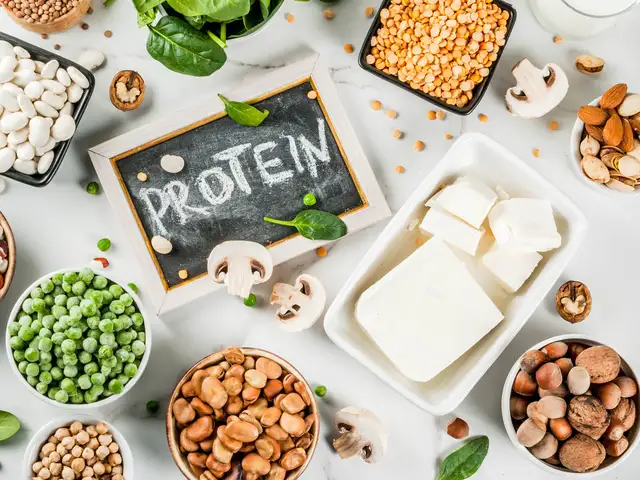
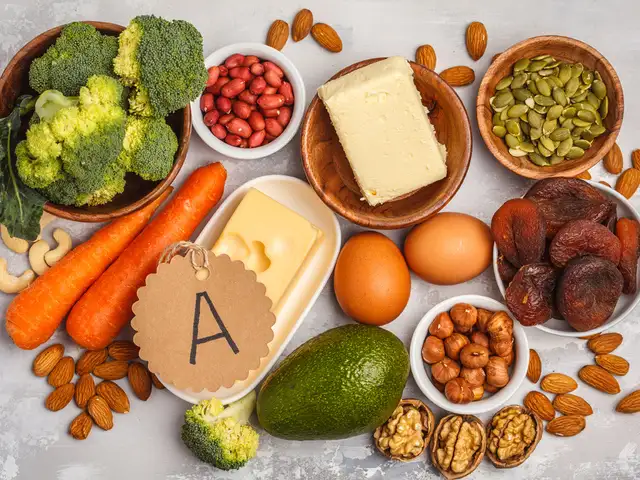
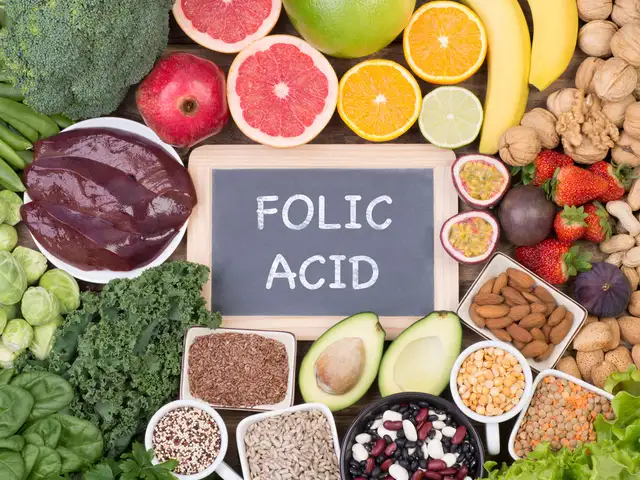
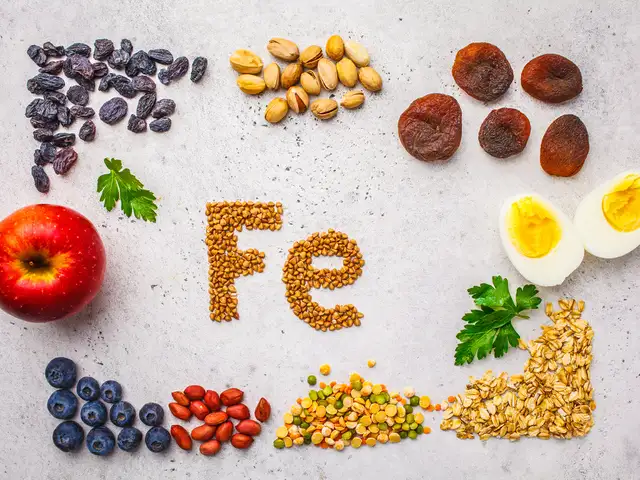
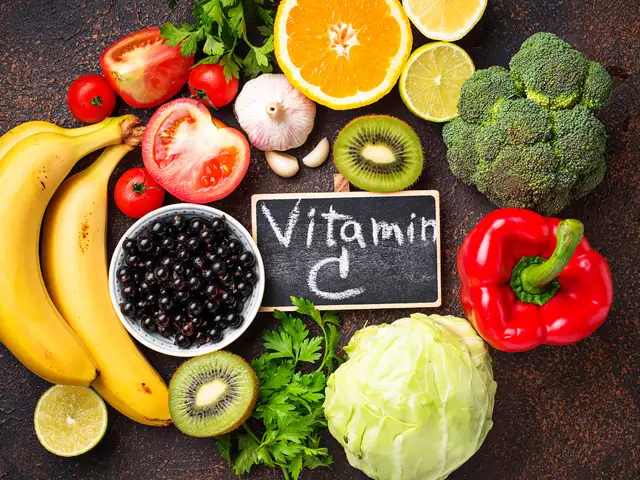
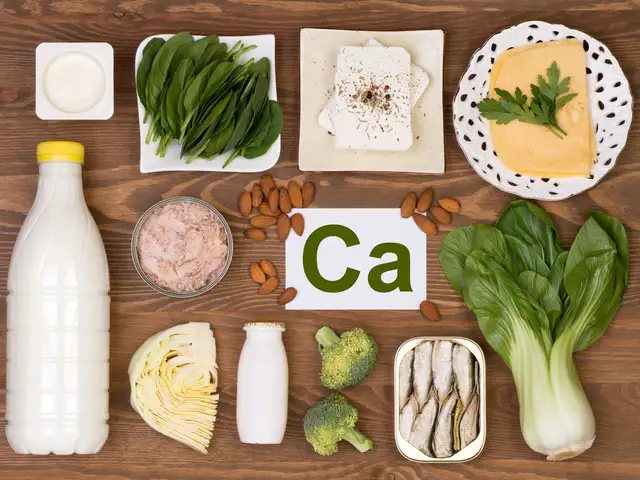
Too busy to prioritise what you eat? It just needs a conscious thought before eating any meal and basic understanding of different kinds of food and nutrients like Vitamin C, Vitamin A, iron, calcium, protein, energy and folic acid.
It is important to consume food that can provide good nutrition for a healthy lifestyle.
The Indian dietary guidelines recommend that a balanced diet should provide around 50-60% of total calories from carbohydrates, preferably complex carbohydrates, about 10-15% from proteins, and 20-30% from both visible and invisible fats. A balance diet should also provide vitamins and minerals along with dietary fibres and antioxidants.
Dr Rajan Sankar, Senior Advisor - Nutrition at Tata Trusts, shares what one needs to eat to get started.
A 2019 pan-India study found that 70-90 per cent of Indians are deficient of the sunshine vitamin, and the deficiency can have adverse consequences for skeletal development in babies and children, and bone health in adults.
The study was authored by diabetologist PG Talwalkar, and Vaishali Deshmukh, MC Deepak and Dinesh Agrawal.
It noted that the deficiency is linked to chronic disease, including diabetes, hypertension and cardiovascular disease.
The study found that 84.2 per cent of Type II diabetes patients were Vitamin D deficient, as were 82.6 per cent of hypertension patients.
It noted that there is no significant variation in deficiency levels across North, South, East or West regions, with each reporting deficiency prevalence of 88 per cent, 90 per cent, 93 per cent and 91 per cent respectively.
ADVERTISEMENT
Drug firm Abbott facilitated awareness around the study.
"Pregnant women in India have up to 84 per cent prevalence of Vitamin D deficiency, which also correlates with the level of Vitamin D deficiency in their newborns. 16 children of mothers with suboptimal Vitamin D are at risk of reduced prenatal and postnatal skeletal development, which affects both height and bone-health," Abbott Medical Director Srirupa Das said.
It is important to consume food that can provide good nutrition for a healthy lifestyle.
The Indian dietary guidelines recommend that a balanced diet should provide around 50-60% of total calories from carbohydrates, preferably complex carbohydrates, about 10-15% from proteins, and 20-30% from both visible and invisible fats. A balance diet should also provide vitamins and minerals along with dietary fibres and antioxidants.
Dr Rajan Sankar, Senior Advisor - Nutrition at Tata Trusts, shares what one needs to eat to get started.


Download
The Economic Times Business News App for the Latest News in Business, Sensex, Stock Market Updates & More.
The Economic Times Business News App for the Latest News in Business, Sensex, Stock Market Updates & More.
ADVERTISEMENT


