Experiencing sleep issues, muscle pain & fatigue? It could mean your kidneys are in danger
On World Kidney Day, here are the warning signs you must watch out for and tips to reverse them.
By ET CONTRIBUTORS |
Getty Images
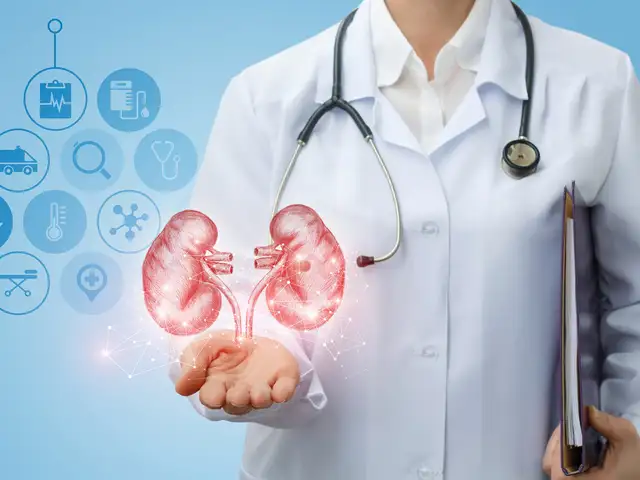
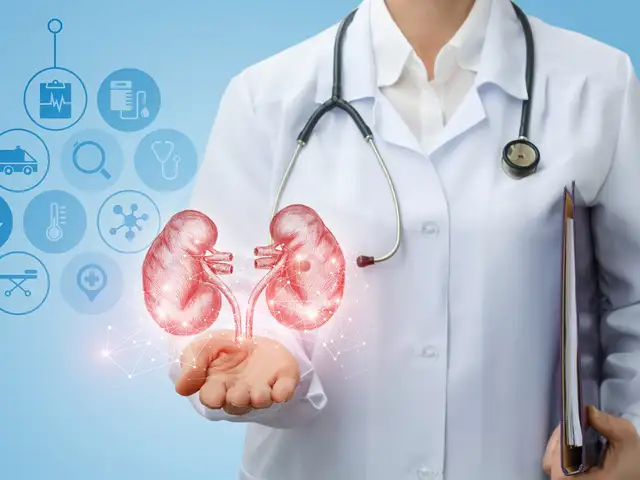
Kidney disease can affect the body’s ability to clean blood, filter out extra water out of the blood, and help control the blood pressure.
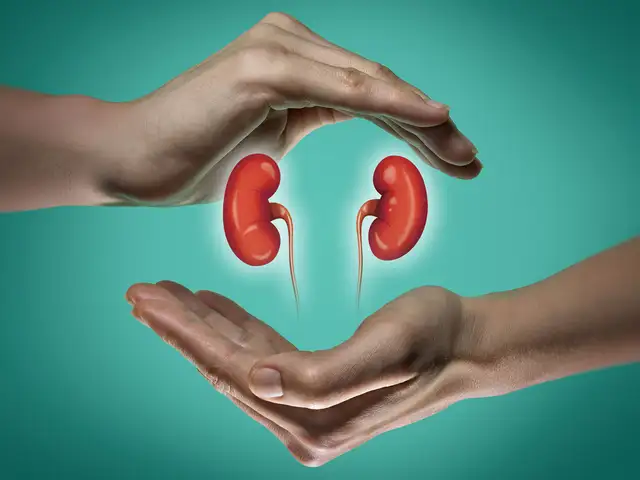
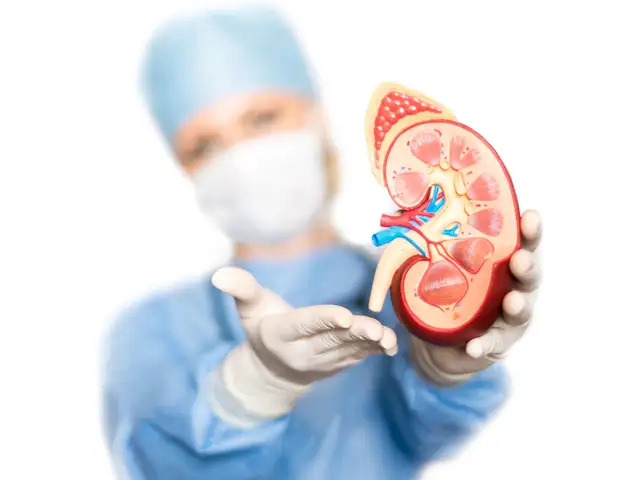
Kidneys are one of the crucial organs in the body, and it can be life threating if they don’t work properly. They not only balances the volume of water and eliminates the waste products from the body, but also produces hormones that regulate some important functions like controlling blood pressure, making of red blood cells, and strengthening bones.
Chronic kidney disease (CKD) is the presence of kidney damage or a decreased level of kidney function for a period of 3 months or more. It usually affects both kidneys and is harmful, but often treatable in early stages. Prevalence of CKD is around 8-12 per cent of the adult population with an annual increase in the incidence of 10-12 per cent. A person once diagnosed with CKD needs to take care of their kidney function for the rest of their lives.
CKD can cause other health issues like cardiovascular diseases that can lead to premature fatality or disability. If not detected early, it may progress to kidney failure which requires renal replacement therapy (RRT) in form of dialysis or a kidney transplant to survive.
Who is at risk? Although there are many causes of CKD, the key causes are diabetes and high blood pressure. The other risk factors for developing kidney disease are family history, obesity, prolonged use of pain killer, drug abuse, existing severe cardiovascular disease, and ageing.
Kidney disease can affect the body’s ability to clean blood, filter out extra water out of the blood, and help control the blood pressure. When kidneys are damaged, waste products and fluid can build up in the body. Without treatment, the damage can get worse and the kidney might eventually stop working.
Causes of kidney disease
ADVERTISEMENT
If the kidneys suddenly stop working, it is known as acute kidney injury or acute renal failure (kidney failure or kidney disease). The main causes are:
Inadequate blood flow to the kidneys
Direct damage to the kidneys
Obstruction to urine outflow
World Kidney Day: Don't Let Hypertension, Diabetes Ruin Your Kidneys; Lifestyle Choices To Follow
1/6
Chronic kidney disease is a hidden epidemic affecting millions of people, globally. In India, it has been ranked as the eighth leading cause of death.
The prevalence of this disease has almost doubled over the past decade, and is expected to increase further due to rise in risk factors such as hypertension, diabetes, obesity, stress, and unhealthy eating habits.
Dr Vijay Kher, Chairman of Kidney and Urology Institute at Medanta – The Medicity, Gurugram, share how a well-rounded-diet and adequate water intake are key to combating kidney disease.
Chronic kidney disease is a hidden epidemic affecting millions of people, globally. In India, it has been ranked as the eighth leading cause of death.
The prevalence of this disease has almost doubl..
Read More
It’s important to drink 1.5 to 2 litres of water a day so that the body is well hydrated. This allows the waste products to be excreted in adequate urine volume.
It’s important to drink 1.5 to 2 litres of water a day so that the body is well hydrated. This allows the waste products to be excreted in adequate urine volume.
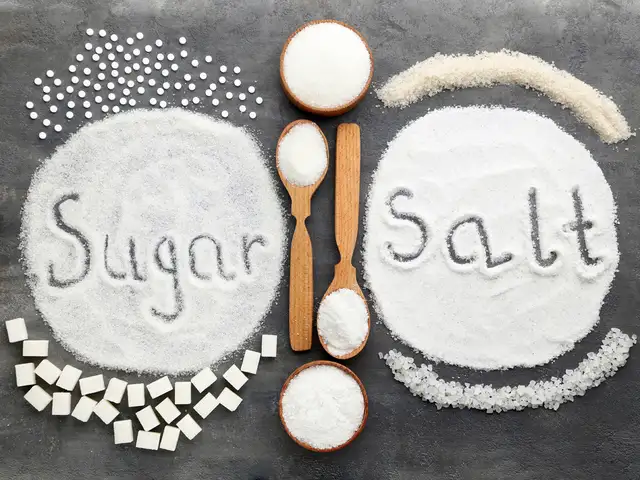
The recommended sodium intake for an individual is 5-6 grams of salt per day (a teaspoon). Regulated consumption of salt helps keep blood pressure under control. Intake of sugar and carbohydrate-rich foods should be moderated.
The recommended sodium intake for an individual is 5-6 grams of salt per day (a teaspoon). Regulated consumption of salt helps keep blood pressure under control. Intake of sugar and carbohydrate-ric..
Read More
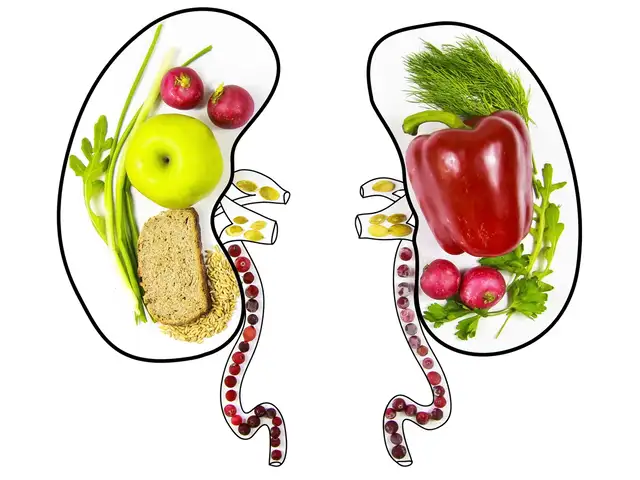
A wholesome healthy meal, fruits and vegetables are required for kidney as well as overall health. One must moderate consumption of sugar and fat as well. It is important to have appropriate quantities of proteins (1gm/kg of ideal body weight) based on the individual choices, taste and liking. Home-cooked meals with fresh ingredients should be preferred.
A wholesome healthy meal, fruits and vegetables are required for kidney as well as overall health. One must moderate consumption of sugar and fat as well. It is important to have appropriate quantiti..
Read More
Along with consuming a healthy diet, one must always watch their weight and engage in adequate physical exercise or yoga. Staying active helps in lowering high blood pressure and diabetes, both of which can cause damage to the kidney.
Along with consuming a healthy diet, one must always watch their weight and engage in adequate physical exercise or yoga. Staying active helps in lowering high blood pressure and diabetes, both of wh..
Read More
One must also refrain from smoking as it slows the flow of blood to the kidney, impairing their ability to function properly. Smoking also increases the risk of kidney cancer by about 50 per cent.
One must also refrain from smoking as it slows the flow of blood to the kidney, impairing their ability to function properly. Smoking also increases the risk of kidney cancer by about 50 per cent.
Warning signs of kidney disease While the only definitive way to diagnose a kidney disease is to get confirmatory tests done, here are some early warning signs:
High blood pressure
Nausea and vomiting
Loss of appetite
Fatigue
Weakness
Sleep issues
Muscle pain and cramps
Swelling in the feet and ankles
Itching
Chest pain if fluid builds up around the lining of the heart
Shortness of breath if fluid builds up in the lungs
Dietary measures to protect the kidneys:
Phosphate restriction (starting early in CKD) - Avoid meat, seafood, nuts, and milk or milk product more than 500 mg/day
Potassium restriction - Avoid potassium-rich foods like banana, avocado, citrus fruits, potato, beans, spinach, and fish
Water restriction, especially in the higher stage, as it is needed to avoid volume overload
Lifestyle changes to slow the progression of chronic kidney diseases:
Smoking should be strictly avoided as it increases the risk of further progression of kidney disease
Patients with CKD should also undertake regular exercise, as compatible with cardiovascular health, ideally for at least 30 minutes 5 times per week
High blood pressure is a common cause of CKD. It is imperative to make changes in the diet if one has high blood pressure
High blood glucose levels make CKD worse. It is suggested to keep the blood glucose in a safe range
Adopting these measures can surely prevent the progression of a chronic kidney disease, thus avoid the early need for renal replacement therapy.
- The author is from Department of Nephrology & Dialysis at the CK Birla Hospital, Gurgaon
World Kidney Day: Drinking 8 Glasses Of Water Flushes Toxins And Other Myths About Renal Health
1/9
Kidneys are one of the most vital organs in the body which excrete the toxic waste products formed as a result of metabolism in the body. Kidneys also maintain the fluids and salt balance of the body, and make hormones that help produce red blood cells, promote bone health and regulate blood pressure.
Chronic Kidney Disease is the most common kidney-related ailment, and involves the gradual irreversible loss of kidney function over a period of years.
Diabetes, and hypertension are major risk factors for chronic kidney disorder which is growing rapidly amongst Indians. Other risk factors for kidney diseases include obesity, family history of kidney disease, and excessive use of pain killers, active smoking, heart disease and older age.
On World Kidney Day, Dr Vijay Kher, Chairman, Kidney and Urology Institute of Medanta Hospital, Gurugram debunked the popular myths surrounding kidney disease and renal health, and shared better prevention and management tips of the condition.
Kidneys are one of the most vital organs in the body which excrete the toxic waste products formed as a result of metabolism in the body. Kidneys also maintain the fluids and salt balance of the body..
Read More
FACT: Chronic kidney disease is usually a progressive disease. However, there are treatments that can help preserve or delay the deterioration of remaining kidney function. Incorporating healthy lifestyle changes can help improve the quality of life of patients. These include, but are not limited to, changes such as quitting smoking, consuming a well-balanced diet, engaging in regular physical activity and keeping ones blood pressure and diabetes under control.
FACT: Chronic kidney disease is usually a progressive disease. However, there are treatments that can help preserve or delay the deterioration of remaining kidney function. Incorporating healthy life..
Read More
FACT: Most of us are born with two normally functioning kidneys, but most people with one healthy kidney lead a normal life. In some cases, people may have one kidney on ground of donation or removal of one kidney due to cancer or severe infection with or without stones. A single healthy kidney can perform the essential functions of both.
FACT: Most of us are born with two normally functioning kidneys, but most people with one healthy kidney lead a normal life. In some cases, people may have one kidney on ground of donation or removal..
Read More
FACT: Common symptoms of kidney disease include swelling of the eyes and feet, frothy urine or blood in the urine. However, most kidney diseases do not show symptoms in the early stages. Thus, detecting kidney disease in early stages can only be done through screening individuals who are at high risk. These include people who are elderly and/or obese, and/or have a family history of diabetes, kidney disease or heart disease.
FACT: Common symptoms of kidney disease include swelling of the eyes and feet, frothy urine or blood in the urine. However, most kidney diseases do not show symptoms in the early stages. Thus, detect..
Read More
FACT: There is no medical evidence to support this statement. Drinking large amounts of water do not protect from kidney disease. Thirst controls the desire to drink water and should determine the amount of fluid intake. Patients who are undergoing treatment for kidney disease are often advised to drink less salt and fluids as fluid retention can cause shortness of breath, swollen ankles and increase in weight gain.
FACT: There is no medical evidence to support this statement. Drinking large amounts of water do not protect from kidney disease. Thirst controls the desire to drink water and should determine the am..
Read More
FACT: Chronic kidney disease is one of the leading causes of death, globally. According to the World Health Organization, the estimated prevalence of chronic kidney disease worldwide is 8-16 per cent in adults above 30 years of age. Stressful lifestyles and unhealthy eating habits contribute to increased incidence of diabetes, hypertension and obesity thus increasing the kidney disease risk.
FACT: Chronic kidney disease is one of the leading causes of death, globally. According to the World Health Organization, the estimated prevalence of chronic kidney disease worldwide is 8-16 per cent..
Read More
FACT: Foods with high salt and high potassium need to be restricted in patients with moderately severe kidney disease. Protein malnutrition is common in patients and one of the reasons for poor outcome of chronic kidney diseases. 50 per cent of proteins must be consumed through milk and milk products and non-vegetarian foods (high quality proteins). Regular intake of green leafy vegetables, normal spices, low salt and low potassium is recommended.
FACT: Foods with high salt and high potassium need to be restricted in patients with moderately severe kidney disease. Protein malnutrition is common in patients and one of the reasons for poor outco..
Read More
FACT: Diabetes and hypertension are two common causes of kidney disease. If these are effectively controlled, then kidney disease can be prevented. Apart from this, timely screening and early detection can also play a significant role in prevention of kidney disease, especially the ones in advanced stages. If detected early, the need for dialysis or transplant can be omitted or delayed.
FACT: Diabetes and hypertension are two common causes of kidney disease. If these are effectively controlled, then kidney disease can be prevented. Apart from this, timely screening and early detecti..
Read More
FACT: Dialysis is a method of purification of blood of waste products which are not removed because of kidney failure. Dialysis in fact does not do anything for kidney disease. Dialysis is only required when kidney function decreases to less than 15 ml/min (stage V chronic kidney disease or kidney failure) and patients cannot sustain life meaningfully. In earlier stages of chronic kidney disease, one slows down the rate of progression of kidney disease to delay or avoid the need for dialysis or kidney transplantation.
FACT: Dialysis is a method of purification of blood of waste products which are not removed because of kidney failure. Dialysis in fact does not do anything for kidney disease. Dialysis is only requi..
(Disclaimer: The opinions expressed in this column are that of the writer. The facts and opinions expressed here do not reflect the views of www.economictimes.com.)