Forgiving someone can be difficult, but it is a must if you want to lead a guilt-free life ahead.
When Steve Smith and David Warner broke down in front of the media, many of their fellow cricketers and even the often punishing users of social media suggested that perhaps it was time to forgive them and the team for the ball tampering scandal that rocked the cricket world a few days ago.
Steve Smith addressing a press conference. (Image: AFP)
David Warner had to face the wrath of the media after the ball-tampering scandal. (Image: Agencies)
ADVERTISEMENT
The workplace is as competitive as the playing field and the stakes are equally high; mistakes (big or small, deliberate or unintentional) will happen. But knowing when and why to forgive is a must. Here’s why:
Move on Holding on to a problem means that the issue ultimately becomes your baby and tags along with you everywhere. You’re thinking about it all the time, how you were wronged, what negative effect it had on the company, what you should have said and so on.
But once you decide to forgive and let it go, your time and mental space is freed up. Not wasting time dwelling on something you cannot change is one of the best reasons to forgive someone.
ADVERTISEMENT
A better worker The best part of someone making a mistake (apart from making you look competent in comparison) is that it will make you more alert and improve your skill set. Learning from the mistakes of others is the best way to improve your own game. So, the least you can do is offer the other party forgiveness in return for the work lesson they have taught you.
Better together
ADVERTISEMENT
When someone makes a mistake, especially a big one, they feel alienated from the rest of the team. And that is never a good thing. Teamwork is one of the reasons why big companies succeed and ostracising someone from the team because of a mistake will only drive a wedge in the system, which translates into poor results and overall lower productivity. Letting go of an error, including the person responsible and keeping communication channels open will ensure that work doesn’t suffer.
Add some perspective All mistakes are not equal and so you need to exercise perspective when it comes to doling out the tolerance. Forgive too much and too quickly and you’ll be seen as a doormat. Hold on to resentment and constantly bring up mistakes, you will be seen as a rigid tyrant. So, weigh the intensity of the issue, whether it was intentional and for how long you and the organisation will feel the repercussions before deciding when and how you will forgive someone.
Steve Smith Wasn't The First! Here's A Look At Other Team Heads Who Were Banished
1/4
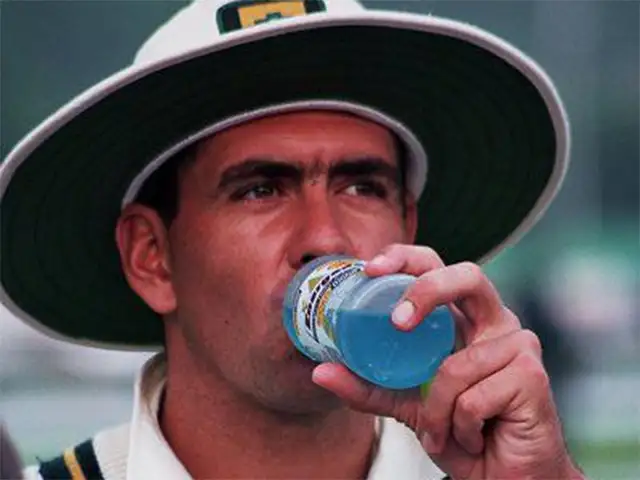
In 2000, the South African cricket captain was at the centre of a match-fixing racket. He was banned for life from the game after that. The conversation between the batsman and Sanjay Chawla, who was a part of a betting syndicate, was what landed Cronje in trouble.
The comeback: The 32-year-old died in a plane crash in 2002 when he was travelling from Johannesburg to George. A year before his death, Cronje had tried to get his ban reversed, but his appeal was dismissed.
(Image: Facebook/Hansie.Cronje)
In 2000, the South African cricket captain was at the centre of a match-fixing racket. He was banned for life from the game after that. The conversation between the batsman and Sanjay Chawla, who was..
Read More
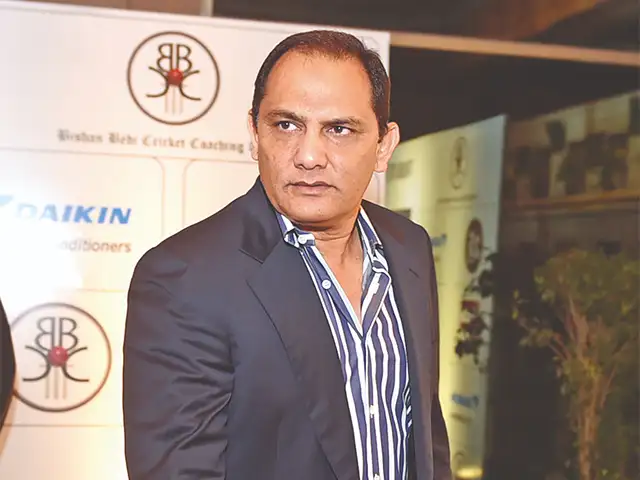
The former Indian cricket captain was named by Cronje in the same match-fixing scandal. The South African had alleged that Mohammad Azharuddin introduced him to bookies.
Azharuddin was also banned for life and his career came to an end amidst this controversy. In 2012, the ban imposed by the BCCI was lifted by the Andhra Pradesh High Court, which called it “unsustainable”.
The comeback: The middle-order batsman did not make a comeback, as he was 37 when the allegations were levied. Instead, he joined politics and became an MP from Moradabad constituency in 2009.
The former Indian cricket captain was named by Cronje in the same match-fixing scandal. The South African had alleged that Mohammad Azharuddin introduced him to bookies.
Azharuddin was also banned f..
Read More
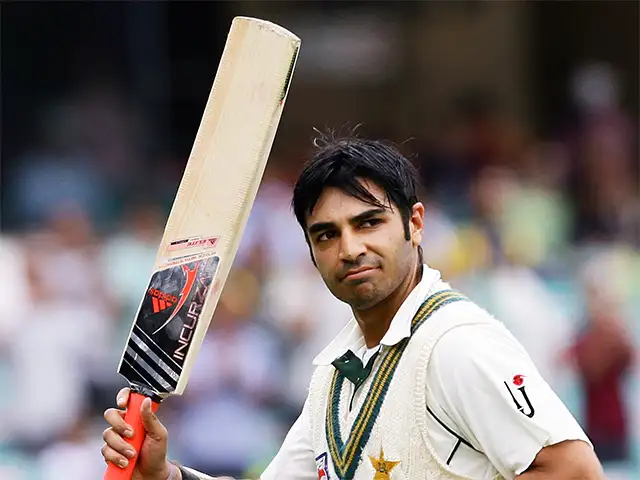
In 2010, the former Pakistani cricket captain was named as one of the three players involved in spot-fixing in England during a Test series.
Salman Butt was convicted for taking bribes from bookie Mazhar Majeed to underperform as well as have his bowlers bowl deliberate no-balls. Banned for 10 years, Butt was sentenced to 30 months in jail.
The comeback: In 2015, Butt, along with Mohammad Amir and Mohammad Asif, had his ban lifted and was allowed to return to all forms of cricket. In 2016, the 33-yearold played in the National One Day Cup where he was one of the top scorers. In the last National T20 Cup 2017-18, Butt and Kamran Akmal set a world-record opening partnership in T20 history, with an unbeaten 209 run stand. He has, however, not returned to international cricket or been selected to play for the national team yet.
In 2010, the former Pakistani cricket captain was named as one of the three players involved in spot-fixing in England during a Test series.
Salman Butt was convicted for taking bribes from bookie M..
Read More
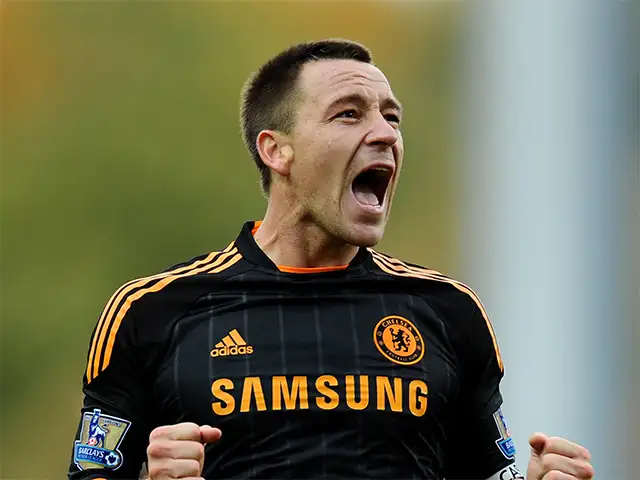
The former England football captain was, in 2010, stripped of the captaincy amidst accusations of an affair with teammate Wayne Bridge’s girlfriend, Vanessa Perroncel. This caused a strain between the two players, which showed in their on-field performance. Perroncel claimed the a f fai r never happened.
The comeback: Terry was allowed to be part of the team and play. In 2011, he was reinstated as captain after a gap of 13 months. He was again stripped of the captaincy after he was accused of racially abusing Anton Ferdinand. He retired on the eve of his Football Association (FA) hearing saying his position was “untenable” in the wake of the disciplinary action.
The former England football captain was, in 2010, stripped of the captaincy amidst accusations of an affair with teammate Wayne Bridge’s girlfriend, Vanessa Perroncel. This caused a strain between th..