Eaten raw, the blooms are too bitter, and their outer petal, the calyx, too tough to swallow.
A banana flower is an extraordinary looking thing. Burgundy red, the colour of a bad bruise, it hangs from the plant in a weirdly suggestive way. Peel back the red bracts, the protective layers, and you are confronted with neat rows of delicate blooms, pinkish white bodies curving up to bright yellow tips.
These will become the bananas, but are also good to eat now, if prepared properly. Eaten raw, the blooms are too bitter, and their outer petal, the calyx, too tough to swallow. From each tiny bloom, the calyx must be removed as also the bitterest part: A long slender pod called the stigma.
After this, the blooms are dunked in water and lime juice to prevent them from discolouring and perhaps remove more bitterness, but not all. A little should remain, giving the flowers an agreeable edge, a bit like the herby bitterness of artichokes. The cleaned flowers are chopped fine, usually along with the innermost bracts, which are not red and stiff, but pale, tender and lightly bitter.
These are extensively used in one of the oldest Indian texts devoted to food, the Soopa-shastra, which was written in Kannada in the early 16th century.
These are extensively used in one of the oldest Indian texts devoted to food, the Soopa-shastra, which was written in Kannada in the early 16th century. The standard translated version lists 16 ways of cooking banana flowers, in soups and porridges and stuffed in a dosa, with brinjals and jackfruits, in curd and milk, sweet and savoury, and the oddly named “milky bloom on the sling”.
Bengal is particularly fond of mochar, as banana flower is called there. It is mentioned in the life of Chaitanya Mahaprabhu, the 15th century Bengali mystic, including one time when he visited Pandharpur on the other side of India and met a fellow mystic who recalled visiting Chaitanya’s home and eating delicious mashed mochar made by his mother. Swami Vivekananda liked eating mochar with the bitter dish called shukto, which shows how Bengali food plays with levels of bitterness. There are banana flower dishes from across India, yet they are all prepared less and less, and the reason is simple: The preparation process is really tedious, especially the stripping of each tiny banana bloom.
ADVERTISEMENT
Some varieties are easier to clean, but most require substantial labour. The end result is something that tastes much like red cabbage, after it’s simply sliced and cooked well. Banana flowers do have a special flavour, but those who miss it are generally not the ones doing the preparation. Who can blame a busy cook for wanting to skip such generally unappreciated labour? Perhaps the answer to preserving such traditional foods is to value them properly, and their vanishing from routine menus can help with that.
Rich Fruits: From $50K For 12 Mangoes To $4,395 For A Single Strawberry
1/6
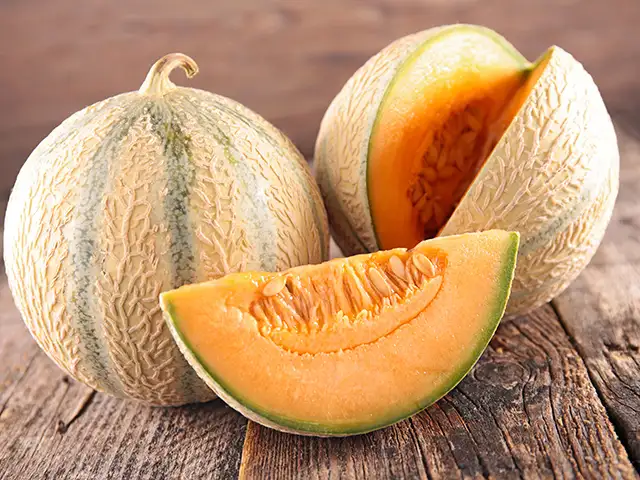
A pair of Yubari King Melons sold for $29,300 at an auction in Japan recently. Here’s a taste of some other expensive fruits.
A pair of Yubari King Melons sold for $29,300 at an auction in Japan recently. Here’s a taste of some other expensive fruits.
$6,000
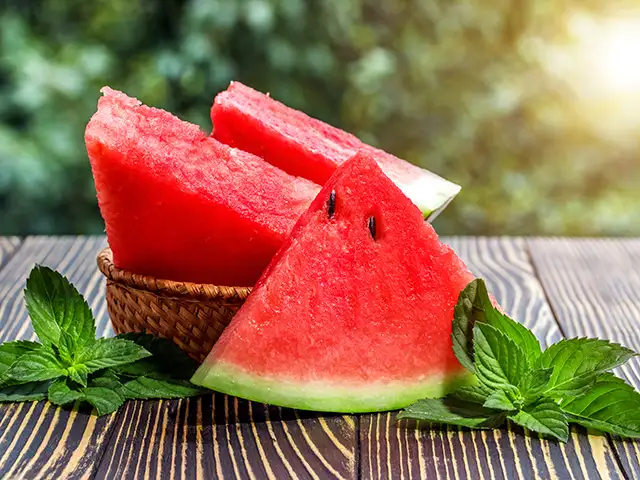
Densuke Watermelons sell at auctions in Japan for exorbitant prices, typically anywhere from $2000-5000, per melon. Those big prices are only paid for the first few lots of the annual crop yield. A 2014 crop, however, broke all records, selling for a cool $6,000 per fruit. The extremely rare fruit is sweeter than regular watermelons, a little rounder and are a shade of pink, instead of the usual red on the inside. They are also known for their black and shiny skin as well as for their crunchy texture.
$6,000
Densuke Watermelons sell at auctions in Japan for exorbitant prices, typically anywhere from $2000-5000, per melon. Those big prices are only paid for the first few lots of the annual crop yi..
Read More
$50,000
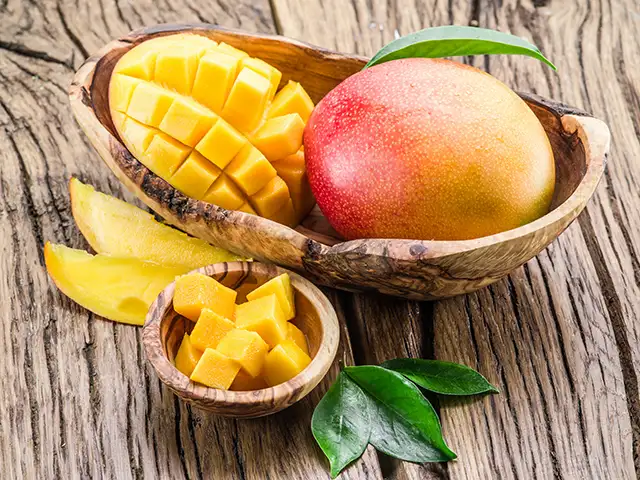
One might be forgiven for thinking that the world’s most expensive mango would come from India or some other tropical country. However, this record is held by Australia, where a tray of 12 mangoes were sold for a cool $50,000 in 2010. That made each mango worth about $4,000. The mangoes were purchased by Carlo Lorenti, owner of Clayfield Markets Fresh, one of Australia’s largest green grocery firms at an auction in Brisbane. Australia has been holding mango auctions since 1998 in celebration of the summer harvest season. Japan also attempts to claim they have the most valuable mangoes with a pair of mangoes called Ears of Sun sold for $2,000 each in April 2008.
$50,000
One might be forgiven for thinking that the world’s most expensive mango would come from India or some other tropical country. However, this record is held by Australia, where a tray of 12 m..
Read More
$4,395
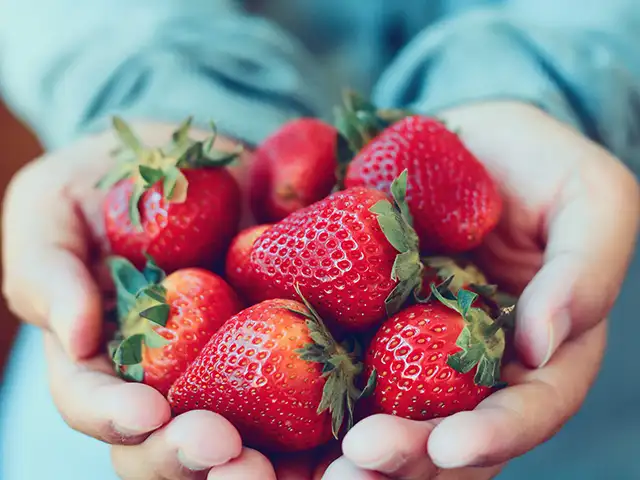
There’s no Wimbledon without some traditional strawberries and cream. Taking the tryst of these berries and tennis forward, scientists in the UK engineered a giant breed of the fruit that can grow to the size of tennis balls. The new strawberry plant— Gigantella Maxim in Latin — produces strawberries that can fill the palm of a hand. At an auction in 2017, one of these giant strawberries was sold for $4,395. Obviously, some of these are shipped to Wimbledon for the elegant few who can afford to indulge in them.
$4,395
There’s no Wimbledon without some traditional strawberries and cream. Taking the tryst of these berries and tennis forward, scientists in the UK engineered a giant breed of the fruit that can..
Read More
$14,600
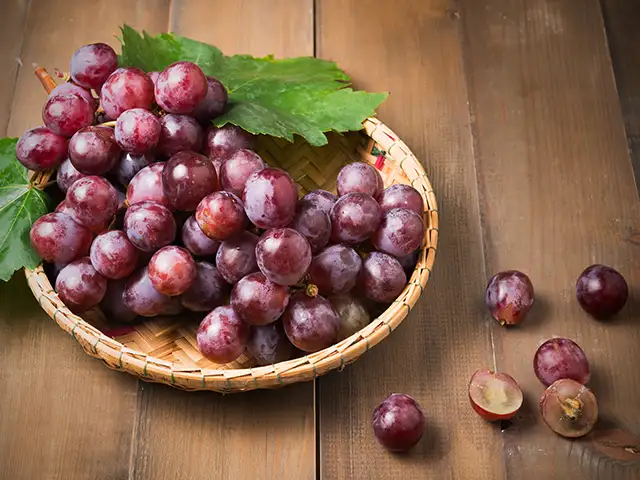
About the size of a ping pong ball, this variety of luscious red grapes grow in Japan. They were sold for $14,600 a bunch in 2016. With 30 grapes in the bunch, the cost of each fruit was approximately $480.
In 2008, the Ruby Roman grape debuted as a new variety of premium grapes in Japan and was so named via a public referendum. For a grape variety to be counted as a Ruby Roman, it must be over 20 gm and should have over 18 per cent of sugar.
$14,600
About the size of a ping pong ball, this variety of luscious red grapes grow in Japan. They were sold for $14,600 a bunch in 2016. With 30 grapes in the bunch, the cost of each fruit was app..
Read More
$13,000
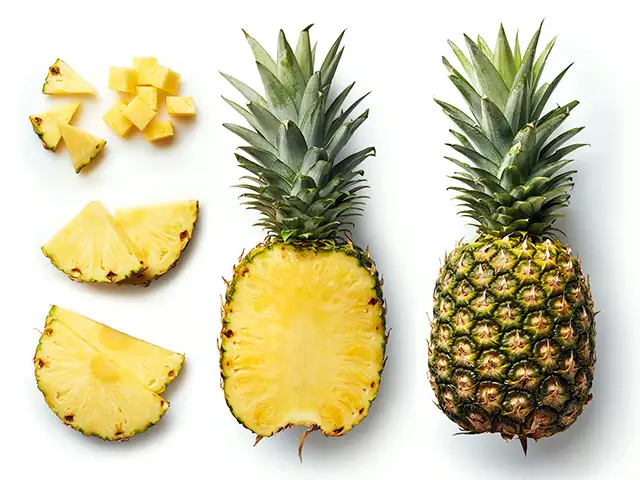
Rare, exotic and hard to grow, pineapples were a symbol of great status and wealth in Victorian times. This rings true even today, that is if your pineapples come from Cornwall. Cultivated at the Lost Gardens of Heligan, each of these carefully tended pineapples are worth a fortune. In 2012, each fruit was auctioned for $13,000. Traditional techniques are used to grow the fruit, complete with Victorian-style greenhouses and frequent changes of fresh horse manure. The resulting fruit is always “sweet, delicious and not stringy with an explosive flavour”, according to a Lost Garden spokesperson.
(All representative images)
$13,000
Rare, exotic and hard to grow, pineapples were a symbol of great status and wealth in Victorian times. This rings true even today, that is if your pineapples come from Cornwall. Cultivated a..
Recently during Chennai’s annual festival season of Carnatic music, during which the snacks eaten in the breaks are as anticipated as the performances, there was a craze for vazhaipoo vadas, deep-fried banana flower fritters. Because few people made them at home now, the caterers could present them as a special delicacy, a traditional banana flower dish that was finally getting its due.
Business News › Magazines › Panache › Did you know that ‘shukto’ - a Bengali banana flower dish - was one of Swami Vivekananda's favourites?Text Size:AAA