Covid-19 patients with hypoxaemia & rising cases: Why is India facing a deadly oxygen crunch?

The country is hit despite producing oxygen over 7,000 tonnes a day.

AP
Social media platforms have been filled with posts by desperate families hunting for cylinders and refills.
NEW DELHI: A devastating surge in coronavirus infections has exposed India's dilapidated health infrastructure and a deep shortage of oxygen - a key treatment for seriously ill Covid-19 patients.

AFP looks at the reasons behind the shortage:

Why is medical oxygen vital?

Oxygen therapy is crucial for severe Covid-19 patients with hypoxaemia - when oxygen levels in the blood are too low.

"Some clinical studies show that up to a quarter of hospitalised (Covid-19) patients require oxygen therapy and upwards to two-thirds of those in intensive care units," community health specialist Rajib Dasgupta told AFP.

"This is why it is imperative to fix oxygen supply systems in hospital settings as this is a disease that affects lungs primarily."

ADVERTISEMENT
Experts have long raised the alarm about shortages of medical oxygen in India and other poor countries to treat pneumonia, the world's biggest preventable infectious killer of children under five.

But the government has for years failed to invest enough money into such infrastructure, experts say.

Does India produce enough oxygen?
The short answer: yes.

Experts say the vast nation of 1.3 billion people is producing enough oxygen -- just over 7,000 tonnes a day. Most is for industrial use, but can be diverted for medical purposes.
ADVERTISEMENT

The bottlenecks are in transport and storage.

Liquid oxygen at very low temperatures has to be transported in cryogenic tankers to distributors, which then convert it into gas for filling cylinders.
ADVERTISEMENT

But India is short of cryogenic tankers.

And such special tankers, when filled, have to be transported by road and not by air for safety reasons.

The shortages have sparked outrage and frustration in Delhi.

Most oxygen producers are in India's east, while the soaring demand has been in cities including financial hub Mumbai in the west and the capital Delhi in the north.

"The supply chain has to be tweaked to move medical oxygen from certain regions which have excess supply to regions which need more supply," the head of one of India's biggest medical oxygen suppliers Inox Air Products, Siddharth Jain, told AFP.

Meanwhile, many hospitals do not have on-site oxygen plants, often because of poor infrastructure, a lack of expertise and high costs.

Late last year, India issued tenders for on-site oxygen plants for hospitals. But the plans were never actioned, local media report.

What's being done?
The government is importing mobile oxygen generation plants and tankers, building more than 500 new plants and buying portable oxygen concentrators.

Industries have been ordered by the government not to use liquid oxygen.

Oxygen supplies are being brought to hard-hit regions using special train services.

The military has also been mobilised to transport tankers and other supplies domestically and from international sources.

Emergency medical supplies - including liquid oxygen, cryogenic tankers, concentrators and ventilators - are being flown in from other countries in a huge aid effort.

What's happening on the ground?
Oxygen shortages are still affecting badly hit regions despite the measures to boost supply, transport and storage.

Reports have emerged of hospitals asking patients to arrange for their own cylinders and of people dying even after being admitted due to low oxygen supplies.

Social media platforms have been filled with posts by desperate families hunting for cylinders and refills.

Meanwhile, there is a growing black market for cylinders and concentrators sold far above their usual retail prices.

The shortages have sparked outrage and frustration in Delhi.

"The government did not plan in time," sales executive Prabhat Kumar told AFP.

"Had it been prepared, we would not have to suffer like this for beds and oxygen."

Stay Fit! Apple Watch Series 6 Wins Over Health Freaks With Oxygen Monitor, ECG & Fitness Tracker
1/5

At its much-awaited September event, Apple unveiled the Apple Watch Series 6, sequel to Watch Series 5, which keeps a track of all your fitness parameters at one place. It comes with various features such as ECG, fitness tracker and can also monitor the blood oxygen levels of the users.

What’s more? Given the Covid outbreak, the company has also partnered with various health organisations to see how blood oxygen level and heart rate can help users stay healthy.

The ability of the Apple Watch to monitor blood oxygen seeks to beat a similar feature already available on watches from rival Fitbit Inc, which Alphabet Inc's Google is buying for $2.1 billion.

With all the health metrics available at one place, here’s why Apple Watch Series 6 can give a tough competition to Fitbit and emerge as the go-to gadget for all fitness enthusiasts.

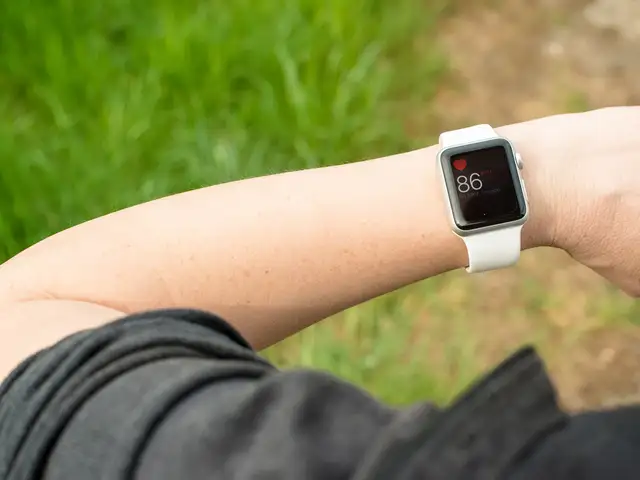
At its much-awaited September event, Apple unveiled the Apple Watch Series 6, sequel to Watch Series 5, which keeps a track of all your fitness parameters at one place. It comes with various features..
Read More

Going trekking comes with its own set of challenges, especially because the oxygen levels tend to nosedive as the altitude increases. However, with the new Apple Watch Series 6, you can monitor your real time oxygen level as the height increases.

What’s more? The watch will also show the changes in the elevation in real time along with the variations in the oxygen level. With Apple Watch Series 6, you can keep a constant check on your blood oxygen levels as you travel to higher altitudes.

Going trekking comes with its own set of challenges, especially because the oxygen levels tend to nosedive as the altitude increases. However, with the new Apple Watch Series 6, you can monitor your ..
Read More

Apple, at its event, also launched a virtual fitness service called Fitness+. With Fitness+, Apple Watch Series 6 will give you personalised fitness and health tips, suggest workouts from fitness trainers and offer programmes designed for beginners and experienced health enthusiasts.

The Apple watch also offers flexibility to workout from anywhere and keeps the users motivated. Using a custom recommendation engine, Fitness+ considers previously completed workouts and intelligently suggests new options that match the workouts users select most often, or something fresh to balance their current routine.

When a workout is selected and started on iPhone, iPad, or Apple TV, the correct workout type will automatically start on Apple Watch. During the session, the metrics from Apple Watch are shown on the screen.

Each week, the team of Fitness+ trainers will deliver fresh workouts from the studio across a range of lengths, disciplines, and music genres so there are always new workouts to explore.

Sounds like bang for the buck!

Apple, at its event, also launched a virtual fitness service called Fitness+. With Fitness+, Apple Watch Series 6 will give you personalised fitness and health tips, suggest workouts from fitness tra..
Read More

The Apple Watch Series 6 comes with a new feature that is much-needed given the times we are living in. The watch can automatically detect when the users are washing their hands.

As soon as the washing detective recognises the motion and sound, it recommends the user to continue washing their hands for at least 20 seconds.

A life-saving feature? You bet!

The Apple Watch Series 6 comes with a new feature that is much-needed given the times we are living in. The watch can automatically detect when the users are washing their hands.As soon as the washin..
Read More

Apple Watch Series 6 will cost customers Rs 40,900 for the GPS model and Rs 49,900 for the GPS + Cellular model in India. If you wish to add a dash of luxe to your Diwali gifts this year, you can go for Apple Watch Series 6.

If you are wary of shelling out Rs 40,000, fret not! The good folks at Apple have also launched a lower-cost watch, being called the Apple Watch SE, being touted by the company as the perfect watch for new customers.

The Apple Watch SE (GPS) starts at Rs 29,900 and Apple Watch SE (GPS + Cellular) starts at Rs 33,900. It will be available soon through Apple Authorised Resellers.

Sounds like the perfect Diwali gift, doesn’t it?

Apple Watch Series 6 will cost customers Rs 40,900 for the GPS model and Rs 49,900 for the GPS + Cellular model in India. If you wish to add a dash of luxe to your Diwali gifts this year, you can go ..
Read More

Download
The Economic Times Business News App
for the Latest News in Business, Sensex, Stock Market Updates & More.
READ MORE
ADVERTISEMENT

READ MORE:

LOGIN & CLAIM

50 TIMESPOINTS

More from our Partners

Loading next story
Business News › Magazines › Panache › Covid-19 patients with hypoxaemia & rising cases: Why is India facing a deadly oxygen crunch?
Text Size:AAA
Success
This article has been saved

*

+