Coronavirus scare: Netflix calls off 'The Witcher' production, informs crew via e-mail
The coronavirus has raised challenging issues for everyone working on set on productions for Netflix.
By PTI |
Agencies
There are currently no Netflix feature films in production in the UK.
LOS ANGELES: Streaming platform Netflix has halted production on the second season of fantasy drama "The Witcher" due to coronavirus outbreak. According to Deadline, the Henry Cavill-starrer, which is shot at London's Arborfield Studios, is the first major scripted series to be put on hold in the UK.
The crew was informed about the decision via email on Sunday.
"The coronavirus has raised challenging issues for everyone working on set on productions for Netflix. We are very grateful for all the work everyone has done to keep cast and crew safe during this pandemic.
"Cast and crew health is our primary concern. We are dealing with an unprecedented global pandemic that is beyond our control, and in many instances with mandates or restrictions imposed by governments (including travel restrictions in many countries)," the mail read.
There are currently no Netflix feature films in production in the UK.
Netflix has also halted production on action heist thriller "Red Notice", starring Dwayne Johnson, Gal Gadot and Ryan Reynolds.
A lot of what you hear or read about the coronavirus may be myths. WHO data busts a few common misconceptions.
A lot of what you hear or read about the coronavirus may be myths. WHO data busts a few common misconceptions.
Myth: Pneumonia vaccines will protect you against coronavirus.
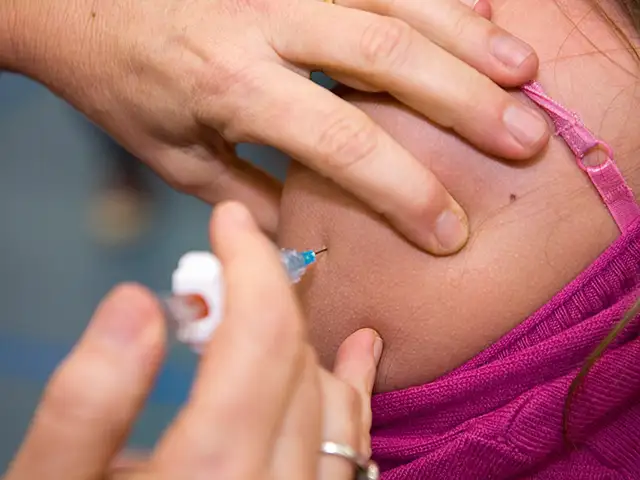
Reality: Vaccines against pneumonia, such as pneumococcal vaccine and Haemophilus influenza type B (Hib) vaccine, do not provide protection against coronavirus. The virus is so new and different that it needs its own vaccine. Researchers are trying to develop a vaccine against 2019-nCoV, and WHO is supporting their efforts. However, while they are not effective against 2019-nCoV, vaccination against respiratory illnesses is highly recommended to protect your health.
Myth: Pneumonia vaccines will protect you against coronavirus.
Reality: Vaccines against pneumonia, such as pneumococcal vaccine and Haemophilus influenza type B (Hib) vaccine, do not provide protec..
Read More
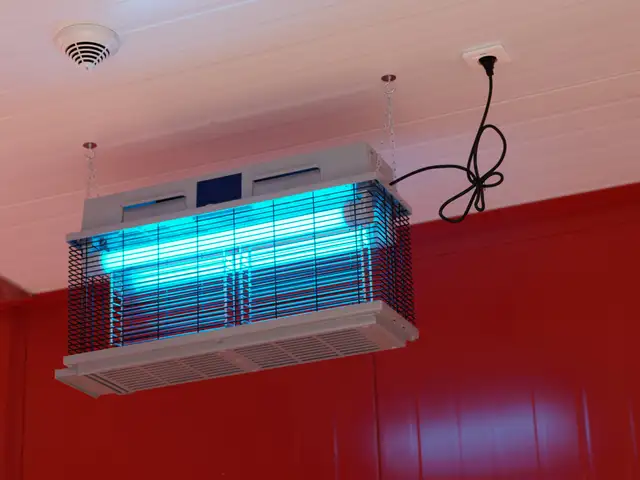
Myth: Ultraviolet disinfection lamp can kill the coronavirus.
Reality: UV lamps should not be used to sterilise hands or other areas of skin. Far from killing the virus, the UV radiation can actually cause skin irritation.
Myth: Ultraviolet disinfection lamp can kill the coronavirus.
Reality: UV lamps should not be used to sterilise hands or other areas of skin. Far from killing the virus, the UV radiation can actuall..
Read More
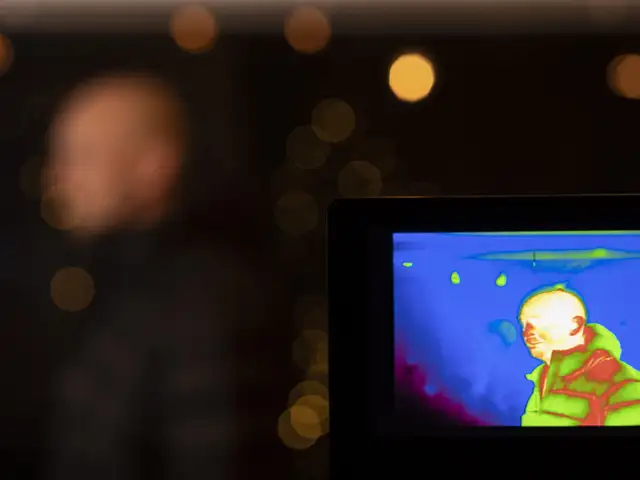
Myth: Thermal scanners can help detect infected people.
Reality: Thermal scanners are effective in detecting people who have developed a fever due to the coronavirus infection. However, they cannot detect people who are infected but are not yet sick with the fever. This is because it takes between two and 10 days before people who are infected become sick and develop a fever.
Myth: Thermal scanners can help detect infected people.
Reality: Thermal scanners are effective in detecting people who have developed a fever due to the coronavirus infection. However, they cannot ..
Read More
Myth: Spraying alcohol or chlorine all over the body kill the coronavirus.
Reality: Spraying alcohol or chlorine all over your body will not kill viruses that have already entered your body. In fact, spraying such substances can be harmful to clothes or mucous membranes (ie eyes, mouth). Be aware that both alcohol and chlorine can be used to disinfect surfaces, but they need to be used under appropriate recommendations.
Myth: Spraying alcohol or chlorine all over the body kill the coronavirus.
Reality: Spraying alcohol or chlorine all over your body will not kill viruses that have already entered your body. In fact..
Read More
Myth: Putting on sesame oil will block the coronavirus from entering the body.
Reality: Sesame oil does not kill coronavirus. There are some chemical disinfectants that can kill the 2019-nCoV on surfaces. These include bleach or chlorine-based disinfectants, solvents, 75 per cent ethanol, peracetic acid and chloroform. However, they have little or no impact on the virus if you put them on the skin or under your nose. It can even be dangerous to put these chemicals on your skin.
Myth: Putting on sesame oil will block the coronavirus from entering the body.
Reality: Sesame oil does not kill coronavirus. There are some chemical disinfectants that can kill the 2019-nCoV on sur..
Read More
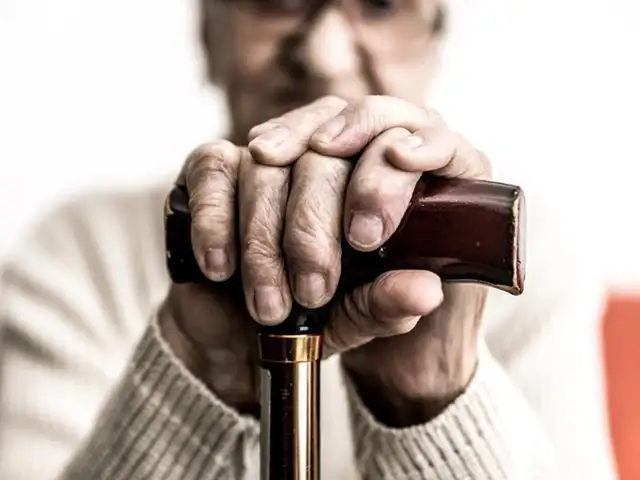
Myth: Coronavirus mainly affects older people.
Reality: People of all ages can be infected by the 2019-nCoV. Older people, and people with preexisting medical conditions [such as asthma, diabetes, heart disease] appear to be more vulnerable. But WHO has advised people of all ages to take steps to protect themselves from the virus.
Myth: Coronavirus mainly affects older people.
Reality: People of all ages can be infected by the 2019-nCoV. Older people, and people with preexisting medical conditions [such as asthma, diabetes, h..
Read More
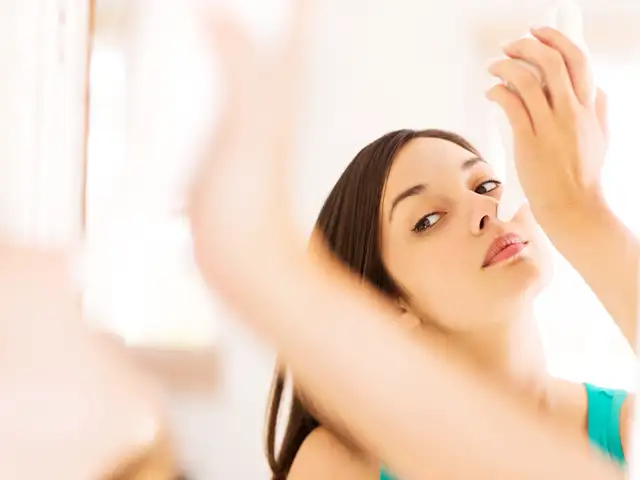
Myth: Rinsing your nose with saline will help prevent coronavirus infection.
Reality: There is no evidence that regularly rinsing the nose with saline has protected people from a coronavirus infection. But there is some limited evidence that regularly rinsing nose with saline can help people recover more quickly from a common cold. However, regularly rinsing the nose has not been shown to prevent respiratory infections.
Myth: Rinsing your nose with saline will help prevent coronavirus infection.
Reality: There is no evidence that regularly rinsing the nose with saline has protected people from a coronavirus infecti..
Read More
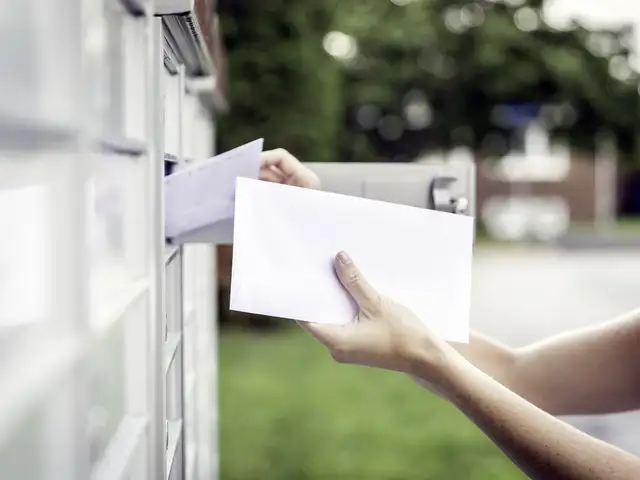
Myth: It’s not safe to receive letters or packages from China.
Reality: It is safe to receive letters and packages from China. People receiving packages from China are not at risk of contracting the coronavirus. From previous analysis, we know that coronaviruses do not survive long on objects such as letters or packages.
Myth: It’s not safe to receive letters or packages from China.
Reality: It is safe to receive letters and packages from China. People receiving packages from China are not at risk of contracting the..
Read More
Myth: Pets at home can spread the coronavirus
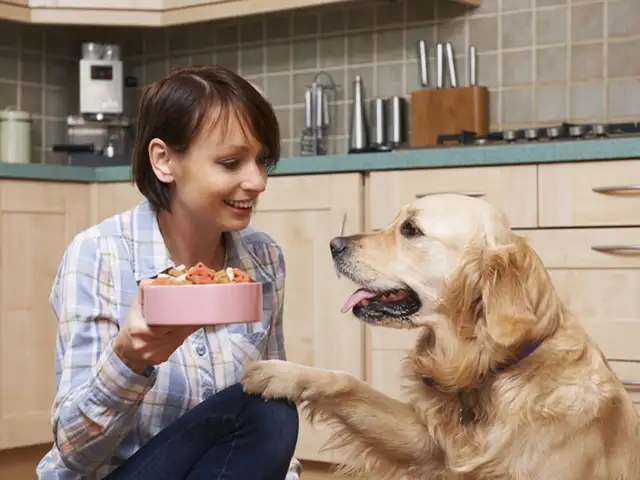
Reality: At present, there is no evidence that companion animals or pets such as dogs or cats can be infected with the coronavirus. However, it is always a good idea to wash your hands with soap and water after contact with these pets. This will protect you against various common bacteria such as E.coli and Salmonella that can pass between pets and humans.
Myth: Pets at home can spread the coronavirus
Reality: At present, there is no evidence that companion animals or pets such as dogs or cats can be infected with the coronavirus. However, it is alway..
On Monday,"Grey's Anatomy" suspended the production of the show for "at least two weeks".
The news follows a series of big postponements and cancellations across the globe including the Coachella desert music festival, Beverly Hills Film Festival, India Film Festival of Los Angeles (IFFLA).
Across the US, events including the Las Vegas CinemaCon movie theatre summit, SXSW and the Tribeca Film Festival in New York have been called off or postponed.
ADVERTISEMENT
New York's Broadway theatre district last week cancelled performances for a month to avoid large public gatherings.
American rock band Pearl Jam postponed the first leg of their North American tour, while pop star Mariah Carey has shifted a planned concert in Hawaii.
ADVERTISEMENT
J Cole's Dreamville Festival, Thomas Yorke's North American tour and Celine Dion's have also been cancelled.
The novel COVID-19, which originated in China's Wuhan city, has claimed over 6,500 lives and infected more than 169,000 people over 135 countries and territories.
Keeping Your Phone Clean, And Safe, In The Time Of Coronavirus
1/5
Holding hands, an affectionate gesture with romantic undertones, has become taboo in the time of the coronavirus. Handshakes, too, have been outlawed in the boardroom as well as stadiums - and after closing a deal, folks now pick up their phones and send each other formal emails.
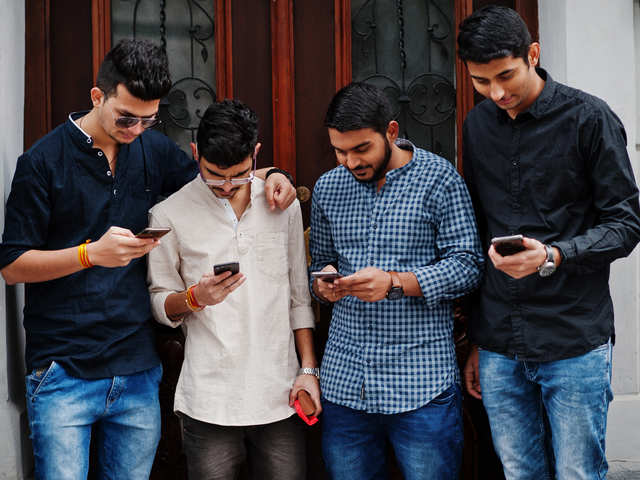
Lovers in parks sit on benches, their hands skidding across smartphone screens, sending emoji-laced messages. However, exercising one’s primary tactile organs to communicate through gestures might not be as dangerous as using a mobile phone.
Holding hands, an affectionate gesture with romantic undertones, has become taboo in the time of the coronavirus. Handshakes, too, have been outlawed in the boardroom as well as stadiums - and after ..
Read More
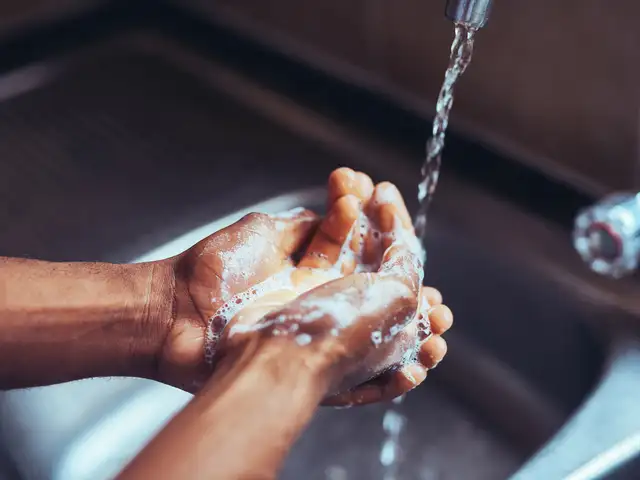
The World Health Organization has explained how people should wash their hands to safeguard against infection and to prevent the spread of the coronavirus. However, the benefits of smearing hands with sanitizers is an exercise in futility if people then pick up their phones and expose themselves to germs all over again.
The World Health Organization has explained how people should wash their hands to safeguard against infection and to prevent the spread of the coronavirus. However, the benefits of smearing hands wit..
Read More
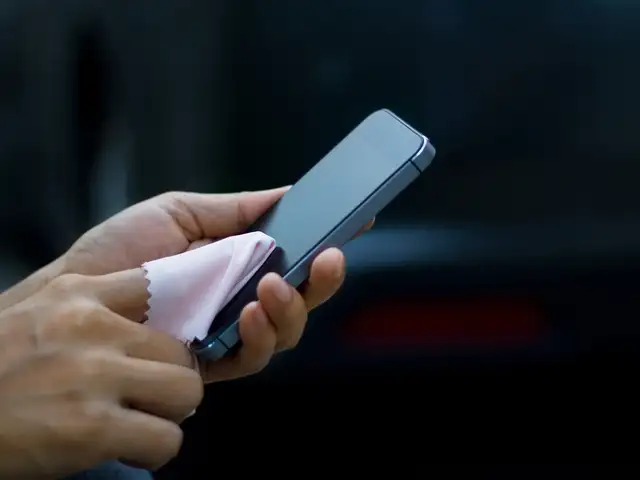
Phone screens are a hotbed of different types of germs. Phone hygiene, therefore, becomes an imperative to ward off contagious germs. Apple recommends using felt cloth, the type used to clean spectacles.
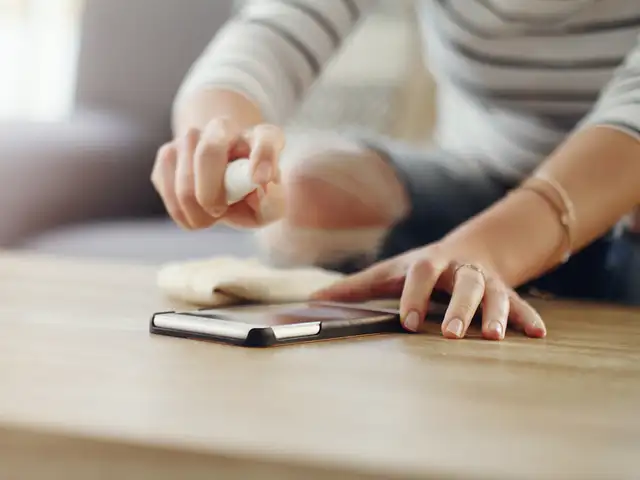
The iPhone 7 and upwards, which are water-resistant, can be cleaned using a cloth dabbed with soapy water, as long as the different orifices of the devices are covered. Other manufacturers do not specify water-tolerance, but most new models are partially resistant to fluids, meaning that cleaning your phone display with a wet cloth is the least you could do.
Phone screens are a hotbed of different types of germs. Phone hygiene, therefore, becomes an imperative to ward off contagious germs. Apple recommends using felt cloth, the type used to clean spectac..
Read More
Samsung and Apple advise against using cleaning fluids as they could potentially damage fingerprint-resistant coatings on their screens. Some new phones have in-display fingerprint sensors which make the task of cleaning your phone more complex. However, this could be remedied by using a screen protector, which in turn, could be wiped clean using diluted alcohol.
The back and sides of the phone should also be cleaned thoroughly. Germs will invariably accumulate on phone screens. The best possible remedy seems to be washing one’s hands before and after touching one’s phone, especially when in public spaces or commuting to work.
Samsung and Apple advise against using cleaning fluids as they could potentially damage fingerprint-resistant coatings on their screens. Some new phones have in-display fingerprint sensors which make..
Read More
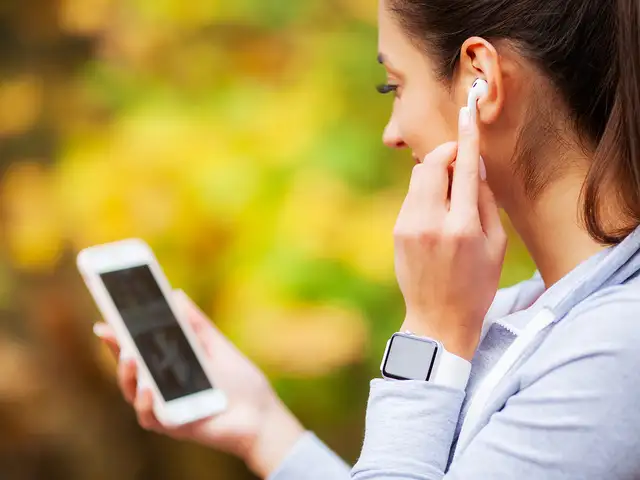
Users given to making a lot of phone calls are advised to use headphones or Bluetooth earphones to prevent the germs on phone screens from coming in contact with their faces. Bluetooth earphones aren’t germ-proof either, but their exteriors can be cleaned with cotton swabs dipped in antiseptic fluids or isopropyl alcohol.
Be careful to not get any inside your audio device as it could damage the circuitry. Boozy headphones can make one grin from ear to ear.
Users given to making a lot of phone calls are advised to use headphones or Bluetooth earphones to prevent the germs on phone screens from coming in contact with their faces. Bluetooth earphones aren..