Children may not be at serious risk, but study terms them 'silent spreaders' of coronavirus
Children play a larger role in the community spread of COVID-19 than previously thought.
By PTI |

iStock
WASHINGTON: Children play a larger role in the community spread of COVID-19 than previously thought, according to a study which found that the younger people may not be as likely to become seriously ill as adults, but they can spread infection and bring the virus into their homes. The study, published in the Journal of Pediatrics, also challenges the current hypothesis that because children have lower numbers of immune receptors for SARS-CoV2, the virus that causes COVID-19, this makes them less likely to become infected or seriously ill.
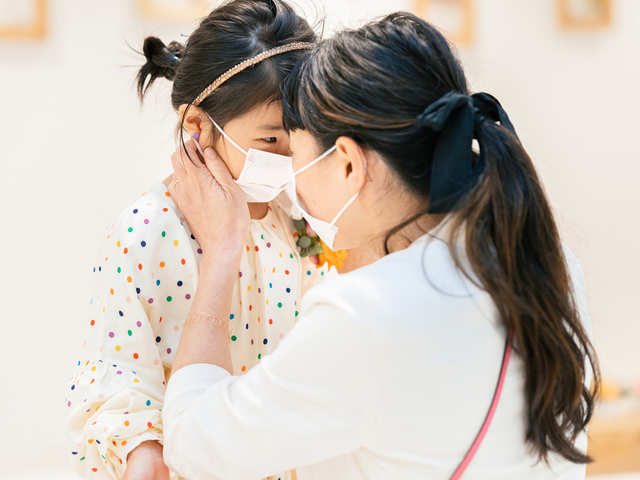
In the study of 192 children ages 0-22, 49 children tested positive for SARS-CoV-2, and an additional 18 children had late-onset, COVID-19-related illness, according to the researchers from Massachusetts General Hospital (MGH) in the US.
The infected children were shown to have a significantly higher level of virus in their airways than hospitalised adults in ICUs for COVID-19 treatment, they said.
"I was surprised by the high levels of virus we found in children of all ages, especially in the first two days of infection," said Lael Yonker, from MGH, and lead author of the study.
"I was not expecting the viral load to be so high. You think of a hospital, and of all of the precautions taken to treat severely ill adults, but the viral loads of these hospitalised patients are significantly lower than a 'healthy child' who is walking around with a high SARS-CoV-2 viral load," Yonker said.
The findings from nose and throat swabs and blood samples carry implications for the reopening of schools, day care centres and other locations with a high density of children and close interaction with teachers and staff members.
"Kids are not immune from this infection, and their symptoms don't correlate with exposure and infection," said Alessio Fasano, director of the Mucosal Immunology and Biology Research Center at MGH.
"During this COVID-19 pandemic, we have mainly screened symptomatic subjects, so we have reached the erroneous conclusion that the vast majority of people infected are adults.
However, our results show that kids are not protected against this virus. We should not discount children as potential spreaders for this virus," Fasano said.
In the study of 192 children ages 0-22, 49 children tested positive for SARS-CoV-2, and an additional 18 children had late-onset, COVID-19-related illness, according to the researchers from Massachusetts General Hospital (MGH) in the US.
The infected children were shown to have a significantly higher level of virus in their airways than hospitalised adults in ICUs for COVID-19 treatment, they said.
"I was surprised by the high levels of virus we found in children of all ages, especially in the first two days of infection," said Lael Yonker, from MGH, and lead author of the study.
"I was not expecting the viral load to be so high. You think of a hospital, and of all of the precautions taken to treat severely ill adults, but the viral loads of these hospitalised patients are significantly lower than a 'healthy child' who is walking around with a high SARS-CoV-2 viral load," Yonker said.
The findings from nose and throat swabs and blood samples carry implications for the reopening of schools, day care centres and other locations with a high density of children and close interaction with teachers and staff members.
ADVERTISEMENT
"Kids are not immune from this infection, and their symptoms don't correlate with exposure and infection," said Alessio Fasano, director of the Mucosal Immunology and Biology Research Center at MGH.
"During this COVID-19 pandemic, we have mainly screened symptomatic subjects, so we have reached the erroneous conclusion that the vast majority of people infected are adults.
However, our results show that kids are not protected against this virus. We should not discount children as potential spreaders for this virus," Fasano said.
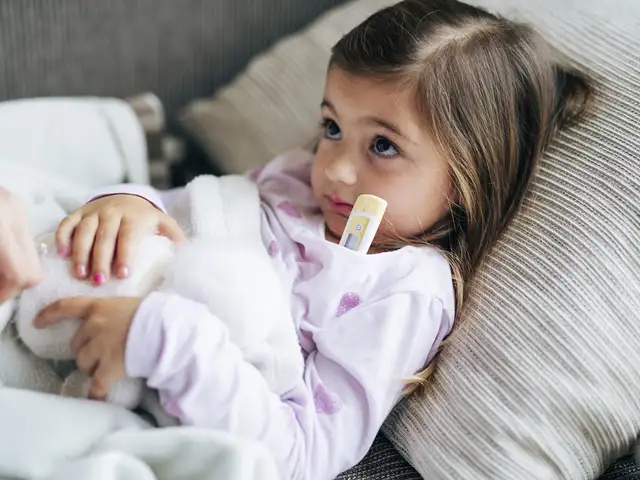
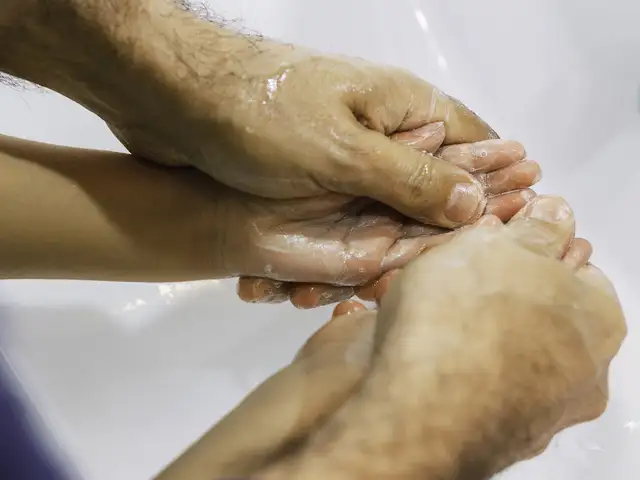
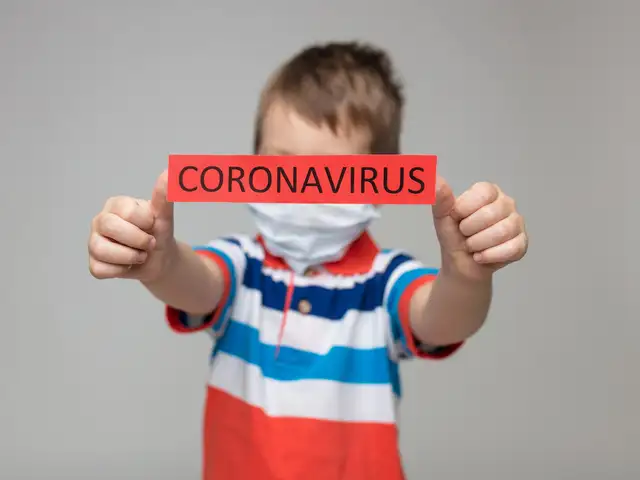
In the wake of coronavirus, several schools and colleges have been shut in many parts of the world to contain the spread of COVID-19. As public awareness and conversations around the novel virus increase, the situation can get the children anxious and worried for their family members and friends.
Parents, family members, teachers, healthcare professionals and trusted adults play a significant role in helping children make sense of what they hear in a way that is honest, accurate and minimise their fear or anxiety.
Dr Sreenath Manikanti, Senior Consultant Neonatologist & HOD Fortis La Femme Hospital, Richmond Road, Bangalore shares a few tips to help make the corona conversation easier around children.

ADVERTISEMENT
Download
The Economic Times Business News App for the Latest News in Business, Sensex, Stock Market Updates & More.
The Economic Times Business News App for the Latest News in Business, Sensex, Stock Market Updates & More.
ADVERTISEMENT


