Burned out with endless video calls? Smart tips to beat 'Zoom fatigue'
Video calls require more attention than a regular face-to-face chat, making them tiring.
By Shannon Tellis, ET Bureau |

iStock
Since the Covid-19 pandemic hit, people are on more video calls than ever before – and many are finding it exhausting.
Last year, GOQii CEO Vishal Gondalstarted going back to the office once a week just to escape ‘Zoom fatigue’. “With WFH, switching between work mode and life mode has become challenging. We are working longer hours. The concept of weekends is blurring,” he had told ET Panache at the time. “Even video calls require a lot of cognitive load because, as humans, we’re not used to staring at a two-dimensional screen. Initially, WFH was great but I think we’re becoming fatigued.”
Why are video calls so tiring?
For starters, they require more attention than a regular face-to-face chat. On a video call, people need to work harder than they normally would to process non-verbal cues like facial expressions, the tone and pitch of the voice and body language. Paying more attention to these cues consumes a lot of mental energy.
Additionally, knowing you’re on camera can be very nerve-wracking because everybody’s looking at you. There is a certain social pressure that comes with video calls, a need to perform for “your audience” or in this case, your coworkers, which makes it more stressful. Also, it’s very hard for people not to look at their own face if they can see it on screen, or not to be conscious of how they behave in front of the camera.
Beating ‘Zoom fatigue’
So how can you alleviate Zoom fatigue? Some tips:
Is video really necessary?
Limit video calls to only those that are necessary. If shared files with clear notes or audio calls are a more efficient option, do that instead. It’ll avoid information overload (fewer cues to keep track of) and reduce mental strain.
Opt for a side camera
Placing your camera to the side instead of in the middle could help your concentration, particularly in group meetings.
Create water cooler conversations
One of the pitfalls of video meetings with everybody logging in from different places is that you often jump straight into business which can be mentally taxing when you have back-to-back meetings. One way to alleviate this is to take time out to actually check people's wellbeing before diving into business. Spending time on “water-cooler topics” like family, weekend plans or personal projects allows you to reconnect and reduces fatigue. It also boosts camaraderie between the team.
Last year, GOQii CEO Vishal Gondalstarted going back to the office once a week just to escape ‘Zoom fatigue’. “With WFH, switching between work mode and life mode has become challenging. We are working longer hours. The concept of weekends is blurring,” he had told ET Panache at the time. “Even video calls require a lot of cognitive load because, as humans, we’re not used to staring at a two-dimensional screen. Initially, WFH was great but I think we’re becoming fatigued.”
Why are video calls so tiring?
For starters, they require more attention than a regular face-to-face chat. On a video call, people need to work harder than they normally would to process non-verbal cues like facial expressions, the tone and pitch of the voice and body language. Paying more attention to these cues consumes a lot of mental energy.
Additionally, knowing you’re on camera can be very nerve-wracking because everybody’s looking at you. There is a certain social pressure that comes with video calls, a need to perform for “your audience” or in this case, your coworkers, which makes it more stressful. Also, it’s very hard for people not to look at their own face if they can see it on screen, or not to be conscious of how they behave in front of the camera.
Beating ‘Zoom fatigue’
So how can you alleviate Zoom fatigue? Some tips:
Is video really necessary?
Limit video calls to only those that are necessary. If shared files with clear notes or audio calls are a more efficient option, do that instead. It’ll avoid information overload (fewer cues to keep track of) and reduce mental strain.
ADVERTISEMENT
Opt for a side camera
Placing your camera to the side instead of in the middle could help your concentration, particularly in group meetings.
Create water cooler conversations
One of the pitfalls of video meetings with everybody logging in from different places is that you often jump straight into business which can be mentally taxing when you have back-to-back meetings. One way to alleviate this is to take time out to actually check people's wellbeing before diving into business. Spending time on “water-cooler topics” like family, weekend plans or personal projects allows you to reconnect and reduces fatigue. It also boosts camaraderie between the team.
Working from home has become the new normal as companies try to minimise disruptions and keep operations running as close to normal as possible. But with most of us working from home, the lines between "work" and "home" could become quickly blurred.
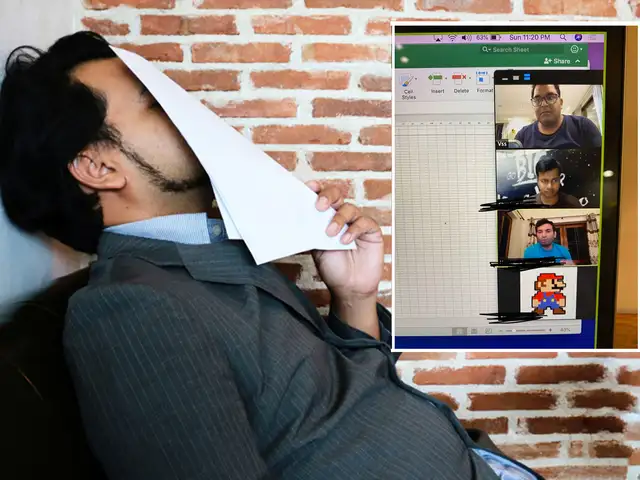
A few weeks ago, Paytm founder Vijay Shekhar Sharma took to Twitter to announce that he had been so wrapped up in Zoom meetings (inset from Sharma's Twitter account) that he forgot it was Sunday. And that seems to be the case with most entrepreneurs who are dealing with investor pressure and the stress of a looming economic slowdown.






Download
The Economic Times Business News App for the Latest News in Business, Sensex, Stock Market Updates & More.
The Economic Times Business News App for the Latest News in Business, Sensex, Stock Market Updates & More.
ADVERTISEMENT


