Scheduling time away from work helped this founding partner stay productive, maintain work-life balance
In the first few months, Arjun Rao said not having a set schedule of WFH was challenging.
By Maleeva Rebello, ET Bureau |

Agencies
After the initial few months of being uncomfortable with WFH, Arjun Rao, Founding Partner of Speciale Invest, now has a routine that is working out fairly well.
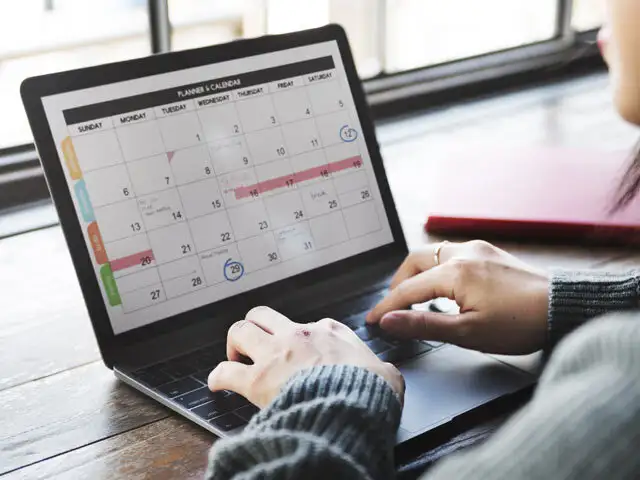
"I think productivity is back to being at pre-Covid levels and in some cases is also improved, as I don't have to deal with the Bangalore traffic anymore. The online calendar, Zoom or Google Meet have become absolute necessities and I use them heavily on a daily basis to manage my time slots and do meetings. Actually I've started using the online calendar to mark personal work and appointments also, which was not the case earlier," he says.
Work zone
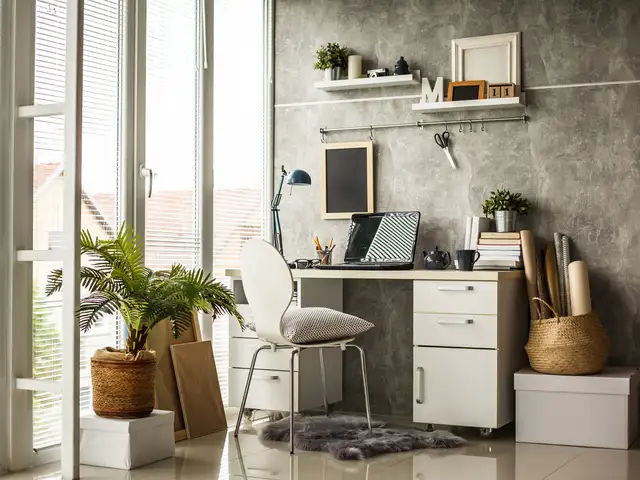
"I do have one room at home with a workspace or desk that I use on a regular basis, but given the flexibility sometimes also work from different parts of the home - the balcony being my favourite alternative to the work desk. I do not dress up for work regularly. Shorts and t-shirts have become normal attire when I'm at my work space. I do dress up in formals on occasions like meetings with investors or conferences that I'm speaking at," he adds.
Challenge
"In the first few months, the challenge was not having a set schedule of WFH, which led to taking meetings at odd hours or scheduling too many meetings without any breaks in the middle, easy to do with online meetings. Also there were no boundaries between personal life for a while, having lunch or dinner while on a call, not keeping time aside for hobbies or other interests, had become normal for sometime," he shares.
"Making time for one self and family outside of work and scheduling it on the calendar was the biggest change I made that helped improve my work-life balance. Productivity improved and allowed for a healthier approach to WFH. It took some time to get used to, but has been very helpful. Another challenge was to maintain relationships with the professional network, very important in venture capital, given f2f meetings were not happening. I needed to slowly adapt to doing purely online meetings and formal and semi-formal conversations to keep networking smooth. Setting up recurring calendar meetings with colleagues and friends helped me do this better," he says.
"I start my day late, around 9 am, with breakfast and catching up with the news and updates, in general and about my industry. I avoid having calls before lunch time and use the time to go through email and to do items at work. I usually have multiple meetings set up in the second half that can go up to 6-7pm. There's a short snack and chat break once before that. Post 7 pm is family time and dinner time till 10 pm. Post that I spend three to four hours catching up on work related reading, podcasts, international calls, and email, before bed time," he says.
Fitness
"Two simple things to stay active - walking with my wife daily for 45 minutes to an hour in our apartment complex. Badminton three to four times a week for an hour in the evenings. Playing badminton is something I've picked up only recently, thanks to my neighbour who pushed me to join him. I'm enjoying that it helps me forget about work for an hour, sweat it out and gets my competitive juices going in a sporting sense," says the 41-year-old.
"I think productivity is back to being at pre-Covid levels and in some cases is also improved, as I don't have to deal with the Bangalore traffic anymore. The online calendar, Zoom or Google Meet have become absolute necessities and I use them heavily on a daily basis to manage my time slots and do meetings. Actually I've started using the online calendar to mark personal work and appointments also, which was not the case earlier," he says.
Work zone
"I do have one room at home with a workspace or desk that I use on a regular basis, but given the flexibility sometimes also work from different parts of the home - the balcony being my favourite alternative to the work desk. I do not dress up for work regularly. Shorts and t-shirts have become normal attire when I'm at my work space. I do dress up in formals on occasions like meetings with investors or conferences that I'm speaking at," he adds.
Challenge
"In the first few months, the challenge was not having a set schedule of WFH, which led to taking meetings at odd hours or scheduling too many meetings without any breaks in the middle, easy to do with online meetings. Also there were no boundaries between personal life for a while, having lunch or dinner while on a call, not keeping time aside for hobbies or other interests, had become normal for sometime," he shares.
"Making time for one self and family outside of work and scheduling it on the calendar was the biggest change I made that helped improve my work-life balance. Productivity improved and allowed for a healthier approach to WFH. It took some time to get used to, but has been very helpful. Another challenge was to maintain relationships with the professional network, very important in venture capital, given f2f meetings were not happening. I needed to slowly adapt to doing purely online meetings and formal and semi-formal conversations to keep networking smooth. Setting up recurring calendar meetings with colleagues and friends helped me do this better," he says.
ADVERTISEMENT
Routine"I start my day late, around 9 am, with breakfast and catching up with the news and updates, in general and about my industry. I avoid having calls before lunch time and use the time to go through email and to do items at work. I usually have multiple meetings set up in the second half that can go up to 6-7pm. There's a short snack and chat break once before that. Post 7 pm is family time and dinner time till 10 pm. Post that I spend three to four hours catching up on work related reading, podcasts, international calls, and email, before bed time," he says.
Fitness
"Two simple things to stay active - walking with my wife daily for 45 minutes to an hour in our apartment complex. Badminton three to four times a week for an hour in the evenings. Playing badminton is something I've picked up only recently, thanks to my neighbour who pushed me to join him. I'm enjoying that it helps me forget about work for an hour, sweat it out and gets my competitive juices going in a sporting sense," says the 41-year-old.
Working from home has become the new normal as companies try to minimise disruptions and keep operations running as close to normal as possible. But with most of us working from home, the lines between "work" and "home" could become quickly blurred.
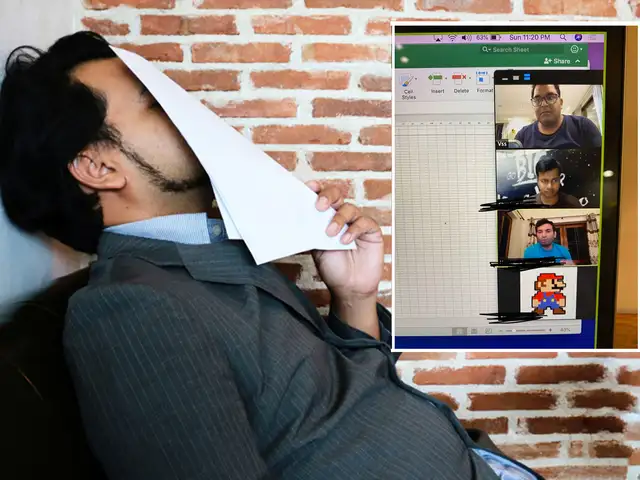
A few weeks ago, Paytm founder Vijay Shekhar Sharma took to Twitter to announce that he had been so wrapped up in Zoom meetings (inset from Sharma's Twitter account) that he forgot it was Sunday. And that seems to be the case with most entrepreneurs who are dealing with investor pressure and the stress of a looming economic slowdown.




Download
The Economic Times Business News App for the Latest News in Business, Sensex, Stock Market Updates & More.
The Economic Times Business News App for the Latest News in Business, Sensex, Stock Market Updates & More.
ADVERTISEMENT


